REVIEW · VARANASI
Full Day Varanasi City Tour with Sarnath and Evening Ganga Aarti
Book on Viator →Operated by IndiaTor · Bookable on Viator
Varanasi gets under your skin before sunrise. This full-day route links two of the city’s most famous river rituals with Hindu temples and Sarnath’s Buddhist sites, guided by an English-speaking specialist. I especially love the rhythm of the day: morning and evening Aarti give you two very different moods on the Ganges, and the on-the-ground explanations help you connect what you’re seeing with the beliefs behind it.
I also like that the plan doesn’t just rush past major sights. You get structured stops at Kashi Vishwanath Temple and Sarnath’s museum, plus smaller temple moments that add variety and context. One possible drawback: it’s a long day with a morning start, and a few temple entrances are not included, so you may want some cash or a card ready for quick add-ons.
In This Review
- Key highlights you should know
- Two Ganga Aartis, Temples, and Sarnath in One Long Day
- Assi Ghat at Dawn: Morning Ganga Aarti and a Brief Reset
- Kashi Vishwanath Temple: One of India’s Most Sacred Shiva Stops
- The Smaller Temple Circuit: Durga, Tulsi Manas, and Birla Mandir
- Durga Mandir (Monkey Temple)
- Tulsi Manas Mandir
- Birla Mandir
- Sarnath: Buddhism’s First Big Stage After Enlightenment
- Sarnath Museum: Archaeology That Explains the Art
- Dasaswamedh Ghat Evening Aarti: The Ceremony Builds as Night Falls
- Price and Value: Is $73 Fair for a 10-Hour Spiritual Day?
- Guide Quality and Group Style: What Private Usually Means Here
- Who Should Book This Tour (and Who Might Prefer a Different Plan)
- Should You Book This Full-Day Varanasi Tour?
- FAQ
- What time does the tour start and how long does it last?
- Do you pick me up from my hotel?
- Is this a private tour or a shared group?
- Which main places does the tour include?
- Are temple and museum entry fees included?
- Is bottled water provided?
- Is the tour guided in English?
- Do I receive a mobile ticket?
- What is the cancellation policy?
Key highlights you should know
- Two Aartis on the Ganges: Assi Ghat at dawn, then Dasaswamedh Ghat in the evening
- Sarnath visit plus museum time: historical site focus, not just a quick drive-by
- English-speaking guidance: explanations that make the rituals and architecture easier to follow
- Temple mix beyond the headline stop: Durga Mandir, Tulsi Manas Mandir, and Birla Mandir add texture
- Value baked into the ticket: transportation, bottled water, plus key entry fees included
Two Ganga Aartis, Temples, and Sarnath in One Long Day
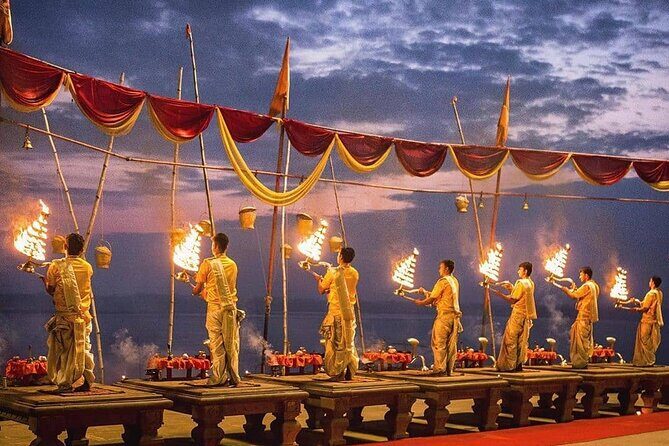
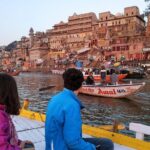
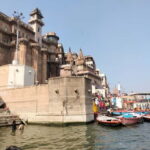
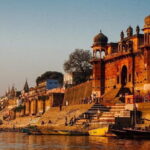
This tour is built around a simple idea: in Varanasi, the river is the main stage. You start at Assi Ghat in the early morning for the morning Aarti, then later you return for the evening Aarti at Dasaswamedh Ghat. That alone can make the day feel like two different cities—soft light and quiet devotion early on, then a stronger, more dramatic ceremony later.
You’ll also get a guided thread through everything: Hindu worship at temples, then Buddhism’s early beginnings in Sarnath. If you care about meaning, not just photo stops, this structure helps you see patterns.
There’s also a practical side. You’re not doing this as a DIY maze. Private transportation is included, bottled water is provided, and key site fees are covered—so you can spend your energy on the sights instead of logistics.
You can also read our reviews of more city tours in Varanasi



Assi Ghat at Dawn: Morning Ganga Aarti and a Brief Reset
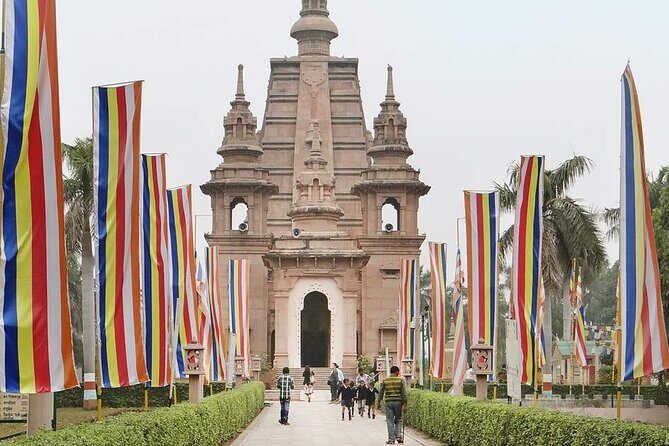
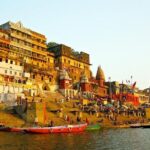
The day kicks off with pickup around 5:00 am from your hotel. You drive to Assi Ghat and catch subah-e-banaras (morning vibes) along with the morning Ganga Aarti. Admission here is free, and the stop is about an hour.
This timing matters more than you might expect. Morning at the river tends to feel calmer, with less of the evening crowd energy. It’s a good moment to get your bearings—watch how people behave, what they offer, and how the flow of ritual moves. Even if you’re not fluent in local religious terms, you’ll recognize the shape of the ceremony quickly once you’re there.
Then you head back to your hotel after the morning Aarti. That break is a real plus. It gives you time to freshen up, eat something, and recover before the next round of temples and city walking.
Kashi Vishwanath Temple: One of India’s Most Sacred Shiva Stops
Next, you’re picked up again at about 8:30 am for Kashi Vishwanath Temple, often called the Golden Temple. This stop lasts roughly an hour, and the entry fee is included.
This temple is dedicated to Lord Shiva and is part of the twelve Jyotirlingas, which makes it a big deal for pilgrims. You’re also visiting it on the western bank of the Ganges, which helps you understand why Varanasi worship is so tied to the river.
What I like about this stop on a guided itinerary: your guide can explain what the architecture and temple layout mean in daily devotion. That matters because Kashi Vishwanath can feel overwhelming if you’re just trying to read the space from the outside.
A consideration: this is a major pilgrimage site. Even with a scheduled stop, you may feel the pace of crowds and ritual movement. Wear comfortable shoes and plan to move with the flow instead of trying to stand still and take the perfect shot.
The Smaller Temple Circuit: Durga, Tulsi Manas, and Birla Mandir
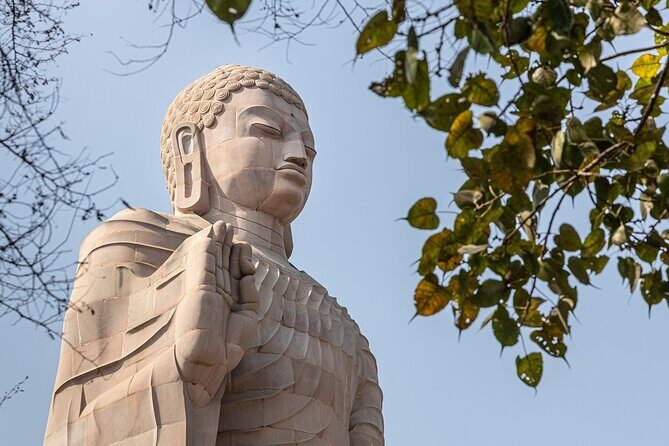
After the Shiva headline, the route keeps going with smaller but important places that add variety. These stops are shorter—around 30 minutes each—and the admission is not included for them, so you may pay on site.
Durga Mandir (Monkey Temple)
You’ll visit Durga Mandir (also known as Durga Kund Mandir and the Monkey Temple). It’s dedicated to Maa Durga and was constructed in the 18th century. This isn’t a “check it off” stop if you like temple symbolism. A Durga-focused stop also shifts the religious tone away from Shiva, so you get a fuller picture of how different devotion styles coexist in the same city.
A practical note: since it’s associated with monkeys, you’ll want to keep things secure and avoid casual dangling items near the crowd areas. The time is short, so you can focus on understanding the setting rather than lingering in one tight spot.
You can also read our reviews of more evening experiences in Varanasi


Tulsi Manas Mandir
Next is Tulsi Manas Mandir, strongly linked to the 16th-century poet-saint Goswami Tulsidas. This is the place where the Ramcharitmanas was originally written, according to what you’ll hear on the tour.
What you gain here is cultural context. You see how religion connects to language, storytelling, and public memory—not only temple worship. The stop is brief, but it can still add a meaningful layer to your day.
Birla Mandir
Finally, you’ll stop at Birla Mandir, also known as Vishwanath Mandir (and a few other names). This is one of the city’s well-known Hindu temples.
Because it’s on a fixed schedule with short time windows, you’ll likely get a focused look at the key parts, plus guidance on what to notice. It’s a good palate cleanser before the longer drive to Sarnath.
Sarnath: Buddhism’s First Big Stage After Enlightenment
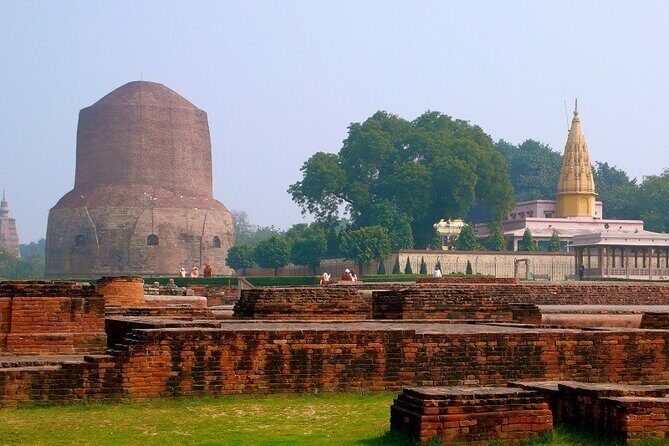
Once the Varanasi sightseeing wraps, you head to Sarnath, about 13 km away. The Sarnath stop is around 45 minutes, and admission there is free.
Sarnath matters because it’s where Buddha delivered his first sermon after enlightenment, according to the story your guide will connect to the sites in front of you. Even if you’ve seen the basics before, walking through the area helps the timeline feel more real. It’s not just a concept; it’s a physical place where generations gathered.
This is also a chance to shift your mental lens. Varanasi is all about the present day rituals and centuries of Hindu worship. Sarnath invites a different kind of attention—less about ceremony on the riverbank, more about spiritual teaching, art, and archaeological context.
Sarnath Museum: Archaeology That Explains the Art
After the site area, you visit the Sarnath Museum, also about 45 minutes. The entry fee is included.
This museum is described as the oldest site museum of the Archaeological Survey of India. That label matters because it signals you’re not looking at a random “souvenir-style” room. Instead, the museum houses findings connected to the excavations at Sarnath.
If you care about what survives from past eras—inscriptions, artifacts, and recovered objects—this stop helps you move beyond guesswork. You’ll have something to point at when you’re thinking about what you saw in the temple/art spaces around Sarnath.
It’s a good pacing moment too: museum time can feel slower than temple hopping, but it gives you a break and makes the rest of the day easier to process.
Dasaswamedh Ghat Evening Aarti: The Ceremony Builds as Night Falls
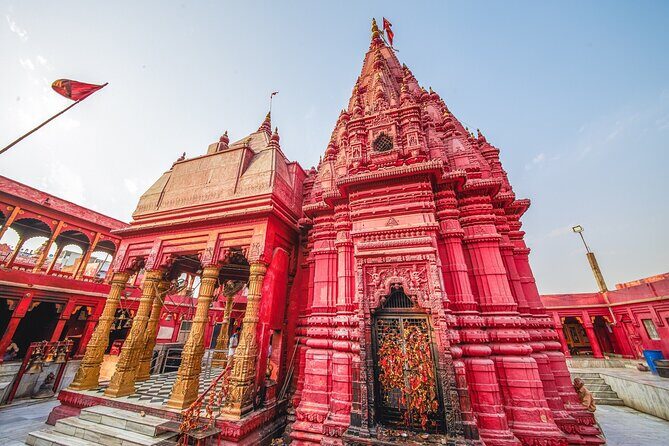
After Sarnath, you drive back to Varanasi for the evening Ganga Aarti at Dasaswamedh Ghat. The ceremony takes about an hour, and admission here is not included.
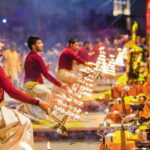
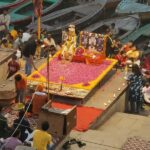
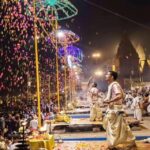
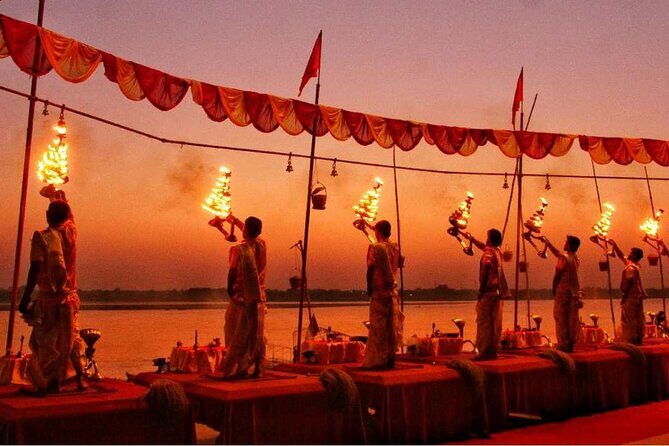
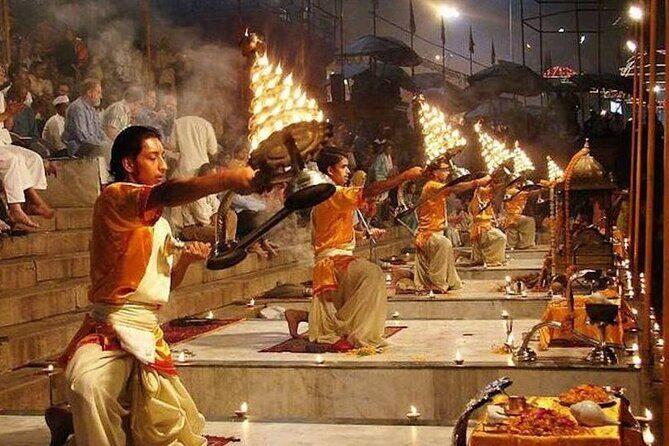
This is where the day turns more dramatic. Dasaswamedh Ghat preparations start as you arrive, and you’ll see the space get shaped for the ceremony. The Aarti itself is described as a highly choreographed ritual performed on the ghat, celebrating the existence of the Ganges.
What makes this worth your time is how often guides explain the symbolism behind the action—why offerings look the way they do, what the flames represent, and how mythology connects to daily practice. That kind of context helps you watch without needing to understand every word.
One practical consideration: this is an evening ceremony at a busy waterfront. Plan to stand and watch in the crowd environment. Bring patience, and keep your phone secure—movement and shoulder-to-shoulder space can get real.
Price and Value: Is $73 Fair for a 10-Hour Spiritual Day?
At $73 per person, this tour can feel like good value if you want a guided day without the headache of planning your own route and timing.
Here’s where the value shows up:
- Private transportation to connect multiple areas efficiently
- English-speaking guide for interpretation across Hindu and Buddhist sites
- Bottled water included
- Entry fees included for Kashi Vishwanath Temple and the Sarnath Museum
- Sarnath visit itself and the Assi Ghat morning Aarti are ticket-free in this plan
What’s not included:
- Some temple entrances during the midday circuit (Durga Mandir, Tulsi Manas Mandir, Birla Mandir)
- Evening Aarti admission at Dasaswamedh Ghat
- Gratuities, which are recommended
So, the price isn’t just “for a car.” It covers interpretation plus the key paid entries that usually cost extra. The biggest factor is whether you’ll use the guide’s explanations. From the positive feedback I saw, the guide quality is often the difference between watching rituals pass by and actually understanding what you’re seeing. In one account, a guide named Vimal impressed people with story-telling and strong knowledge—exactly the kind of guiding that makes this itinerary click.
Also note the demand signal: this tour is commonly booked far in advance (often months ahead on average). If you’re traveling during a busier period, booking early can help you lock in your slot.
Guide Quality and Group Style: What Private Usually Means Here
This is set up as a private tour/activity, meaning only your group participates. That typically makes the day feel more flexible, less chaotic than joining a huge shared bus group.
You’ll also have an English-speaking guide, and that’s important in a place where the meaning can get lost if you’re only reading temple signs. The best part of a guided day is not the facts—it’s the connections: why a temple matters, what a ritual is doing, and how the story changes from Hindu practice to Buddhist teaching in Sarnath.
As always, guide personalities matter. If you get someone strong in explanation, you’ll likely feel like you learned more than you expected from a single day.
Who Should Book This Tour (and Who Might Prefer a Different Plan)
This tour fits best if you want:
- A structured day that covers both Varanasi rituals and Sarnath’s Buddhist sites
- Guided storytelling (especially for Hinduism and Buddhism)
- A plan that includes key fees and transportation, so you don’t spend your day negotiating
It might be less ideal if you:
- Prefer very slow pacing and lots of free time at each site
- Don’t want to pay extra for optional temple entrances later in the day
- Struggle with early mornings (start time is 5:00 am pickup)
Still, the tour says most people can participate, and the itinerary is paced with shorter stops and breaks—especially after the morning Aarti.
Should You Book This Full-Day Varanasi Tour?
I’d book it if you want one solid day that gives you the full arc: dawn at the river, temple worship, a museum that explains what you’re seeing, and then the evening Aarti at Dasaswamedh Ghat.
The decision hinges on one thing: do you want guidance and interpretation? If yes, the included guide, transportation, and key entry fees make the $73 price feel reasonable. If you’re the type who prefers wandering without structure, you might find it a bit tight with limited time at each stop.
If you do book, plan for an early start, keep a little extra budget for temples where admission is not included, and be ready to stand for the evening ceremony.
FAQ
What time does the tour start and how long does it last?
The tour starts with pickup at 5:00 am and runs for about 10 hours (approx.).
Do you pick me up from my hotel?
Yes, pickup is offered from your hotel for the start of the day and at later points in the itinerary.
Is this a private tour or a shared group?
It’s private, and only your group will participate.
Which main places does the tour include?
You’ll visit Assi Ghat for the morning Ganga Aarti, Kashi Vishwanath Temple, Durga Mandir (Monkey Temple), Tulsi Manas Mandir, Birla Mandir, Sarnath, the Sarnath Museum, and Dasaswamedh Ghat for the evening Ganga Aarti.
Are temple and museum entry fees included?
Kashi Vishwanath Temple entry fees are included, and Sarnath Museum entry fees are included. Assi Ghat and Sarnath are listed as free, while Monkey Temple, Tulsi Manas Mandir, Birla Mandir, and the evening Aarti admission are not included.
Is bottled water provided?
Yes, bottled water is included.
Is the tour guided in English?
Yes, sightseeing with an English-speaking guide is included.
Do I receive a mobile ticket?
Yes, the tour includes a mobile ticket.
What is the cancellation policy?
You can cancel for a full refund up to 24 hours before the experience’s start time. If you cancel less than 24 hours before, the amount paid is not refunded. Cut-off times are based on local time.