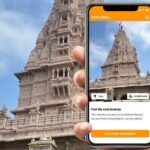
Shiva carved in stone, just off Mumbai. This guided trip to the UNESCO Elephanta Caves turns a simple day out into a walk through Hindu mythology and art, from the big carved halls to the smaller sculpted scenes. I especially like how the tour can connect you with a local guide, with names like Rohit, Nikhil, Nick, and Rahoul showing up in recent experiences.
You’ll also get a boat ride that’s more than just transportation. The crossings put Mumbai’s skyline and the Arabian Sea into the frame, so you’re building momentum before you even reach the caves. If you like history that you can actually picture, that visual warm-up helps.
One thing to plan for: the ferry ride can feel crowded. Even with a private tour setup on land, the boat itself can be run by a third party, and you may not get the level of exclusivity you expect.
In This Review
- Key Highlights You’ll Feel on Arrival
- Elephanta Caves: UNESCO Rock-Cut Temples With Real Story Power
- Getting There From Colaba: Pickup, Meeting Point, and Time on the Water
- The Guided Walk: From the Main Shiva Cave to Side Temples
- The Trimurti Moment: Three Heads, One Huge Impact
- Smaller Caves and Myth Scenes: Why the Second Half Matters
- Views From the Water: A Scenic Breather Between Stone and Sea
- Price and Value: What $27.89 Really Buys You
- Private Group Setup: What You Get and What You Don’t
- Who This Tour Suits (and Who Should Rethink It)
- Practical Tips That Make the Day Easier
- Should You Book This Elephanta Caves Guided Tour?
- FAQ
- How long is the Elephanta Caves tour?
- What does the tour cost?
- What’s included in the price?
- Is lunch included?
- Where do I meet the guide or start the tour?
- Is pickup available?
- What if the weather is bad?
- Are service animals allowed?
Key Highlights You’ll Feel on Arrival
- Ferry ride with Mumbai skyline and sea views that set the mood for the caves
- Guided cave walking through the main Shiva-focused cave plus smaller temple caves
- Trimurti-scale sculpture moment, including the huge three-headed Shiva depiction
- UNESCO World Heritage setting with rock-cut temples dated roughly from the 5th to 9th centuries
- Local guide storytelling, with guide names like Rohit, Nick, Nikhil, and Rahoul appearing in feedback
- Bottled water included, which matters when you’re out for most of the day
Elephanta Caves: UNESCO Rock-Cut Temples With Real Story Power
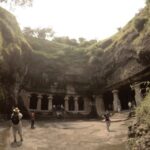
Elephanta Island sits just off Mumbai, and the caves are the reason people make the trip. These are ancient rock-cut temples, packed with carvings and sculptures dedicated mainly to Hindu deities. The caves are a UNESCO World Heritage site, and the art is typically dated from about the 5th through the 9th centuries.
What makes the site work so well on a guided tour is simple: you’re not just looking at stone. You’re following a religious and artistic logic that explains why certain figures appear together, and why specific scenes mattered to the people who built and used these spaces.
The caves are often associated with the famous Trimurti concept, including the striking three-headed Shiva form. When you see it in person, it stops being abstract and turns into pure scale and craft—one of those moments where your brain goes from sightseeing mode into wow mode.
You can also read our reviews of more guided tours in Mumbai


Getting There From Colaba: Pickup, Meeting Point, and Time on the Water
The day starts around the Colaba area. The meeting point is PizzaExpress at Dhanraj Mahal, Chhatrapati Shivaji Maharaj Marg, Apollo Bandar, Colaba, Mumbai. You can also get pickup offered, which helps if you’re not in a convenient location or you prefer someone else handling the first move.
The overall duration is about 5 to 6 hours, with travel time included. The cave portion itself is around 4 hours, which means you’re not stuck in transit forever. This is a good length if you want a serious visit without turning the whole day into a logistics contest.
You’ll go by ferry/boat to reach the island. That crossing is part of the appeal because you’ll see Mumbai from the water—skyline details, coastlines, and open sea. Just keep one expectation grounded: the ferry can be crowded. In practice, that means you might spend some of the ride shoulder-to-shoulder, even if your group on land feels organized.
The Guided Walk: From the Main Shiva Cave to Side Temples
Once you’re on Elephanta, the tour experience is built around a guided flow. You focus first on the principal cave dedicated to Lord Shiva, then you move through smaller caves with other deities and mythological scenes.
That structure is useful. The main cave gives you the backbone—bigger figures, more central themes, and the religious core of the site. Then the smaller caves broaden the picture, so you’re not stuck thinking the entire island is just one theme.
One of the best values here is the way guidance turns carvings into meaning. Recent guide names you might encounter include Rohit, Nick, Nikhil, and Rahoul. People also described guides as caring and clear in English, which matters because these carvings are dense. If you know what you’re looking at, you spend less time guessing and more time appreciating.
The Trimurti Moment: Three Heads, One Huge Impact
The caves are especially famous for the Trimurti depiction, including a 20-foot sculpture of a three-headed Shiva. Even if you’ve seen photos, the scale is the part that catches you most when you’re actually there.
This is the kind of artwork where context changes everything. With a good guide, you can connect the sculpture to the broader Hindu theme of cosmic functions—how different aspects of divinity are represented through form. Without that, you still get the wow factor, but the symbolism can stay a bit out of reach.
If you care about religious art, this is where you’ll feel the payoff. The detail work around the major figures tends to reward your attention if you slow down for it, instead of treating the caves like a quick photo stop.
Smaller Caves and Myth Scenes: Why the Second Half Matters
A lot of day trips start strong and then fade. Here, the second part is what makes the visit feel complete. After the principal Shiva cave, you’ll see smaller caves showing other Hindu deities and mythological scenes.
This is where the tour earns its keep for history-and-art lovers. The main cave gives you orientation; the smaller caves let you compare styles, themes, and how different stories are represented in stone. You start noticing patterns: which figures show up, how scenes relate, and what kinds of details repeat.
Practical note: you’ll be walking through cave spaces, so wear something comfortable and plan for stairs and uneven ground in the general way you would for historic sites. The tour includes bottled water, but it still helps to pace yourself so you can enjoy the carvings rather than just rush through them.



Views From the Water: A Scenic Breather Between Stone and Sea
That ferry/boat ride is not just a transfer. It’s the “reset button” for your day. One side of the trip brings Mumbai into view—high-rises, harbor edges, and the coast line shaping the city. The other side brings open water and sky, which helps you shake off the street feeling and switch into a calmer mode.
The downside is timing and crowding. Since the boat can be run by a third party, the level of comfort may be unpredictable. If you’re sensitive to packed seating, go in knowing that the crossing might be a little chaotic.
Still, for most people, the payoff is worth it because the views add variety. You’re not only looking at monuments. You’re moving through a coastal city setting that feels connected to the caves rather than separate from them.
Price and Value: What $27.89 Really Buys You
At $27.89 per person, this tour is priced like an efficient, structured way to hit one of Mumbai’s top cultural sites. The key is what’s included versus what’s not.
Included:
- all fees and taxes
- admission to Elephant Island
- bottled water
Not included:
- lunch
That makes the value equation pretty straightforward. You’re paying for guided time with cave entry and the island access already handled. When you’re trying to visit UNESCO sites, admission and logistics add up fast, so having them bundled matters.
The one extra cost you should plan for is lunch since it’s not included. If you want to keep the day smooth, decide in advance whether you’ll grab something before you go or after you return to the meeting point.
Private Group Setup: What You Get and What You Don’t
The tour is listed as private, meaning your group participates. That usually translates into less feeling of scrambling for attention once you’re on land with your guide.
But here’s the honest nuance: the ferry experience may not match your expectations of privacy. The boat can be crowded, and it may feel like multiple groups are packed into the same crossing. So think of the tour as private where it counts most—your guided cave time—while the sea crossing is more public-world reality.
If you’re the kind of traveler who needs quiet, this is the main thing to weigh. If you’re okay with a crowded boat as long as the caves part is organized and guided, the format works well.
Who This Tour Suits (and Who Should Rethink It)
This tour is a strong match if you want:
- a guided route through main and side caves rather than wandering without context
- a focus on sculpture and Hindu myth themes
- a day that mixes cultural depth with sea views
It’s also a decent option if you’re working from a general Mumbai base and want pickup offered. The meeting point in Colaba is convenient for many people.
You may want to rethink it if:
- crowded ferry comfort is a big deal for you
- you’re trying to squeeze in a long lunch plan, since lunch isn’t included
- you’re hoping for a fully private boat crossing, because that part is out of the tour’s direct control
Also, the caves visit depends on good weather. If conditions aren’t right, the experience may be changed or refunded.
Practical Tips That Make the Day Easier
Here are the things that typically save time and stress on Elephanta-style trips, without overcomplicating it:
- Bring your energy for a walking-and-stairs day inside historic spaces. The tour is several hours long.
- Plan for lunch on your own since it’s not part of the included package.
- Bring a light layer. Sea air and indoor cave temperatures can feel different from street heat.
- If you care about meaning, don’t treat this as a photo-only outing. Ask the guide to explain the relationships between the main Shiva space and the side caves.
If you happen to get a guide like Rohit, Nick, Nikhil, or Rahoul (names that came up in recent feedback), lean into that advantage. People described these guides as clear and earnest, and the best tours are the ones where you feel comfortable asking a question.
Should You Book This Elephanta Caves Guided Tour?
I’d book it if you want the caves to feel understandable, not just impressive. The guided structure—main Shiva cave first, then smaller deity and myth scenes—helps you connect the art to the stories behind it. Add the ferry views and the value of bundled fees and island admission, and the $27.89 price starts to make sense as a practical cultural outing.
I would hesitate only if you know you hate crowded ferry rides. If packed boats will ruin your mood, you might prefer a different approach or a tour format that gives you more control over the crossing.
For most people, this is a very solid way to see Elephanta without turning the day into guesswork. You’ll come away with clearer picture of Hindu sculpture, and you’ll also get the sea views that make the trip feel like an actual island outing rather than just a museum stop.
FAQ
How long is the Elephanta Caves tour?
The experience runs about 5 to 6 hours total, with travel time included. The cave exploration portion is about 4 hours, and the activity returns to the meeting point.
What does the tour cost?
The price is $27.89 per person.
What’s included in the price?
The tour includes all fees and taxes, admission to Elephant Island, and bottled water.
Is lunch included?
No, lunch is not included.
Where do I meet the guide or start the tour?
The meeting point is PizzaExpress, Dhanraj Mahal, Chhatrapati Shivaji Maharaj Marg, Apollo Bandar, Colaba, Mumbai, Maharashtra 400001, India. The tour ends back at this meeting point.
Is pickup available?
Pickup is offered (and you should receive confirmation details at booking).
What if the weather is bad?
This experience requires good weather. If it’s canceled due to poor weather, you’ll be offered a different date or a full refund.
Are service animals allowed?
Yes, service animals are allowed.