REVIEW · RISHIKESH
Dodital Himalayan Trek and Camping
Book on Viator →Operated by Yeti Outdoors · Bookable on Viator
Dodital feels like a Himalayan reset button. This easy 5-day trek north of Uttarkashi brings you to crystal-clear Dodital Lake and up to Darwa top at 4,200m for big views. I like how it’s geared for first-timers, while still delivering that real mountain feel. One thing to consider: monsoon weather can make trails trickier, so plan with extra weather flexibility.
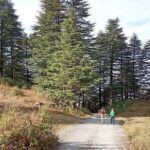
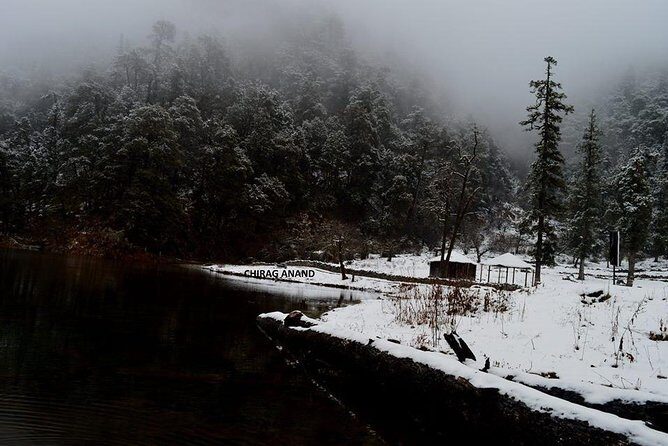
The route is set in oak, pine, and deodar forests, and the area is famous for Himalayan golden trout in Dodital Lake. It also follows a traditional track used by herdsmen for cattle grazing and by holy men traveling between Yamunotri and Gangotri. Expect nature, birdlife, and a sense of place that feels older than the word tourism.
You start at Yeti Outdoors at 9:00am and you end back at the same meeting point. It’s a private tour, so your group sets the pace—and the guiding team (often named as Manish and Rishabh) is known for local knowledge and thoughtful camp support.
In This Review
- Key highlights you should care about
- Dodital and Darwa: the trek that mixes comfort with altitude
- Price and value: what $191.70 really buys you
- Where you go: Uttarkashi forests, Dodital Lake, and classic Himalayan views
- Getting through the climb: what easy trekking means at 4,200m
- Camp life on this trek: tents, sleeping bags, and real teamwork
- The Darwa Top moment: why the final push is worth it
- The sacred trail background: herdsmen, holy towns, and a path older than trekking
- Best time to go: all year round, but monsoon needs respect
- Pickup, meeting point, and how the trek day flows
- Who should book this trek (and who should rethink it)
- Should you book Dodital Himalayan Trek and Camping?
- FAQ
- Where is Dodital Himalayan Trek and Camping located?
- How long is the trek?
- What level of trek difficulty is it?
- What is the highest altitude reached?
- What is the meeting point and start time?
- Is pickup offered?
- What is included in the price?
- What is not included?
- When will I receive confirmation after booking?
- Is this tour private or shared?
Key highlights you should care about
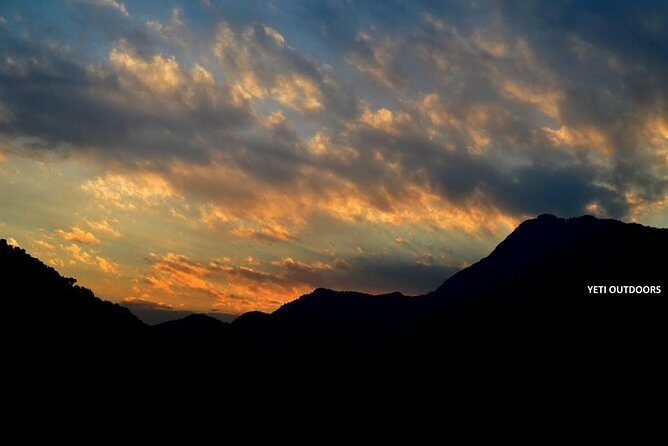
- Dodital Lake at 3,024m: crystal-clear water and famous Himalayan golden trout.
- Darwa Top push to 4,200m: the altitude moment for wide views.
- Easy trek level, first-timer friendly: classic mountain walking without extreme technical climbing.
- Camping setup included: tents and sleeping bags are part of the package, plus all trek meals.
- Guides who focus on the group: local know-how and a calm, organized camp routine.
- Forest trail flavor: oak, pine, and deodar forests with great opportunities for nature and bird lovers.
Dodital and Darwa: the trek that mixes comfort with altitude
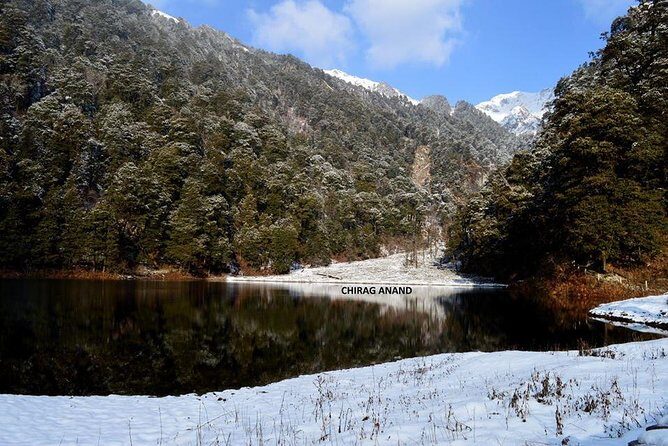
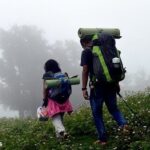
This trek hits a sweet spot. It’s not labeled as extreme, yet you still climb from the lake region up to a top near 4,200m, which is where the Himalayas start feeling serious. That combination matters, because it lets you test your trekking legs, learn pacing habits, and still get rewarding scenery.
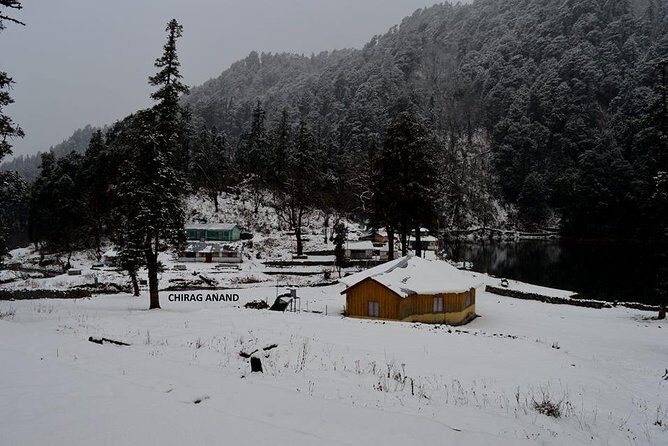
Dodital is the star. The lake sits at about 3,024m and is known for clear water surrounded by dense forest. Even better, it’s tied to local religious meaning: the area is considered a birthplace location of Lord Ganesha, and the lake is treated as sacred in the region’s culture. That spiritual layer doesn’t make the trek heavy. It just adds context as you walk.
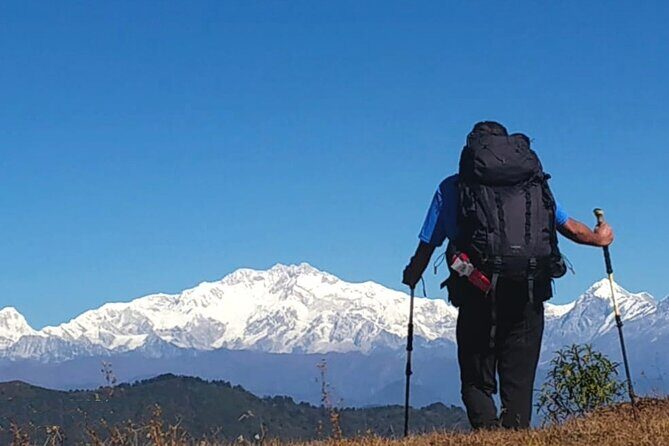
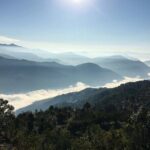
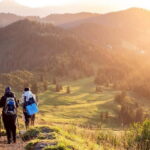
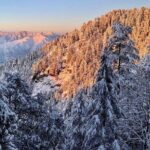
Then there’s Darwa top. Reaching it is the payoff for your uphill effort—spectacular views framed by Himalayan peaks like Banderpunch and Kala Naag (mentioned as part of the region’s dramatic scenery). You get that classic feeling of standing high enough to see weather and terrain move like a map.
You can also read our reviews of more hiking tours in Rishikesh
Price and value: what $191.70 really buys you
At around $191.70 per person for roughly 5 days, the best value here is what the package handles for you. Many treks look cheap until you start adding the real costs: permits, guides, camp cooking, sleeping gear, and the logistics that keep nights workable.
In this setup, you generally get:
- Tents and sleeping bags
- Kitchen/technical gear used during the trek
- All meals on the trek
- Guides and cooks plus helpers/porters/mules
- Entry fees and permits, and fees/taxes
That means your budget goes toward one main thing: showing up with the right clothing and energy. You aren’t also trying to source or rent everything last minute.
What’s not included (and can quietly affect your total budget):
- Insurance and coverage for things like landslide or road blockage
- Personal expenses
- Stay and food in Mussoorie, and food during transit
- Optional transportation to/from the region if you want it arranged (extra charge)
Also note: pickup is offered. That can reduce the stress of getting to the real start of the trek.
For good planning, treat the $191.70 as the trek-core cost, then add what you’ll need for meals before/after the trek, plus any optional transport.
Where you go: Uttarkashi forests, Dodital Lake, and classic Himalayan views
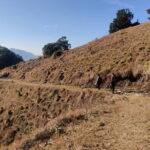
This trek is set in Uttarakhand, in the Uttarkashi district, starting from the Rishikesh side and heading toward the Dodital area north of Uttarkashi. That location detail matters because it shapes the walk: you’re moving through forested slopes rather than exposed ridgelines the entire time.
You’ll pass through oak, pine, and deodar forests. In practical terms, that means:
- You often get cooler walking conditions than you would on a bare rock path.
- The trail usually feels more forgiving visually because the forest breaks up the monotony.
- Bird and nature viewing tends to be better than on tracks with little shade.
The big destination is Dodital Lake. It’s described as crystal clear, and it’s known for Himalayan golden trout. Even if you’re not a fisherman, this gives you a sense of how intact and active the local ecosystem is.
And yes, the scenery backdrop is a major reason to do it. Peaks like Banderpunch and Kala Naag are part of what you can expect to see in the broader region’s drama. The trek rewards you with those moments when the forest opens and the mountains suddenly look close enough to touch.
Getting through the climb: what easy trekking means at 4,200m
The trek is rated Level: Easy Trek, and that rating is good news—but it doesn’t mean effortless. Altitude still does its thing. Your max altitude is listed as 4,200m, so you’ll want to respect your breathing, take breaks on cue, and avoid the urge to “win” the trail.
Here’s how to think about difficulty:
- Easy trekking usually means no technical rope work and no scrambling sections being required.
- The main challenge is steady uphill effort and time on your feet.
- At higher altitude, your legs can feel fine while your body tells you the air is thinner.
The package design helps here. Having guides and porters/mules means you’re not hauling a full load on your back. That can make a big difference in how “easy” you actually experience the route.
If you’re a first-timer, this is a good place to learn practical habits:
- Start slower than you think you should.
- Hydrate consistently.
- Eat small, even when you’re not starving.
And if you come in during monsoon season, remember the warning: monsoons are a little tricky. Wet ground can change footing and timing, so keep a calm mind and let the guide manage pace.
Camp life on this trek: tents, sleeping bags, and real teamwork
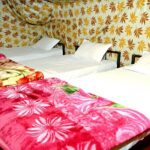
One of the strongest selling points here is the camping setup included in the price. You don’t just get a guide and a route. You get the full camp routine—tents and sleeping bags, plus technical and kitchen equipment used on trek.
That matters because camping gear can make or break a mountain night. When the gear is included, you don’t spend your energy worrying whether the tent will be sturdy or your sleeping setup is warm enough.
The team structure also helps your comfort:
- Guides lead the trekking side.
- Cooks and helpers manage camp food and daily needs.
- Porters/mules handle equipment and load support.
From the way the guiding team is described (including leaders like Manish and Rishabh), there’s a focus on being approachable and responsive. That tends to show up most at camp: when you ask for help, you get it quickly, and when you need small adjustments, you’re not ignored.
The camp meals are a big deal on a camping trek. Here, meals are included on trek, and food quality is repeatedly praised. That’s not just about taste. Good food helps you recover, keeps your energy stable, and makes the next walking day less painful.

The Darwa Top moment: why the final push is worth it
Darwa top is the summit highlight. The plan is designed so you end with a payoff at about 4,200m, which means your final walking day(s) will likely feel more focused and less casual than the earlier forest sections.
Why it’s worth it:
- You’re moving from tree cover up toward view lines.
- That’s when peaks and valley shapes start showing up clearly.
- Even on a cloudy day, higher points often give better perspective on how the terrain connects.
A practical tip for the top push: treat the ascent as work, not a race. Your body at altitude needs steady effort. Guides who know the route and your group’s pace are worth trusting.
And once you’re up there, soak in the views carefully. Don’t stand still too long if it’s cold or windy. Get your photos, take a few minutes for the view, and then plan your descent timing.
The sacred trail background: herdsmen, holy towns, and a path older than trekking
One thing I appreciate about this trek is that it has a storyline tied to the land. The trail has traditionally been used by:
- herdsmen for cattle grazing, and
- holy men walking between the holy towns of Yamunotri and Gangotri.
That doesn’t mean you’ll get a formal cultural tour every step of the way. But it changes how you experience the walking. You’re not just grinding uphill for photos. You’re following a route with a long-standing purpose.
You can also feel this in the Dodital Lake framing. The area is considered significant in local tradition, and that adds meaning to the lake stop beyond scenery alone. It’s one of those details that makes the whole trek feel more rooted.
Best time to go: all year round, but monsoon needs respect
This trek is described as All year round, which is great if you don’t want to wait for a narrow season window. But the note about monsoons being a little tricky is the kind of warning that actually helps.
Monsoon considerations you should take seriously:
- Trails can get slippery.
- Visibility can change quickly.
- Weather can affect the day’s comfort, not just the view.
The good news is the operator’s model includes weather-dependent planning. If conditions force a change, you’ll be offered a different date or a refund rather than a shrug-and-walk-away situation.
If you’re flexible, consider choosing a time with more stable weather. If you can only travel during monsoon months, pack and plan like rain is a certainty, not a possibility.
Pickup, meeting point, and how the trek day flows
You meet at Yeti Outdoors with a start time of 9:00am. The trek ends back at the same meeting point, which makes the overall logistics simpler. You don’t have to solve the “where do we end up” puzzle mid-trip.
Pickup is offered, which also helps if you’re staying in the Rishikesh area and want a straightforward start. You’ll receive a confirmation within 48 hours of booking, depending on availability, and the ticket is handled as a mobile ticket.
This kind of day-flow usually benefits groups because it keeps the schedule clean. It also helps you plan what time you need to be up, dressed, and ready—no weird late starts.
If you want transportation arranged beyond the included pickup, it can be added on request for an extra charge.
Who should book this trek (and who should rethink it)
This is a smart fit if:
- you’re a first-timer wanting an easy trekking introduction,
- you want a forest-heavy route with a meaningful destination lake,
- you like the idea of camping but don’t want to manage gear yourself,
- you want a guided experience up to a real altitude number (4,200m) without technical climbing.
It may not be the best fit if:
- you hate camping nights or aren’t comfortable with sleeping arrangements in tents,
- you’re very sensitive to altitude effects and can’t manage slow pacing,
- you’re planning around monsoon travel without a willingness to adapt to weather.
Because the trek is described as easy, many people jump in expecting it to feel like a long hike. It won’t. It will still be strenuous at times, especially when you’re approaching the higher sections. The difference is that it’s structured to be manageable.
Should you book Dodital Himalayan Trek and Camping?
I’d book it if you want a classic Uttarakhand trek that feels organized, scenic, and well supported. The biggest reasons are the practical inclusions—camping gear, meals, permits, and a guiding team—plus the payoff destinations of Dodital Lake and Darwa top.
If you’re deciding between this and a more intense trek, this one is the better learning trip. If you’re deciding between this and a simpler day hike, it’s the better choice because you’ll actually reach 4,200m and get the feel of a real mountain circuit.
Just go in with the right expectations:
- it’s easy in terms of trekking difficulty, not in terms of mountain conditions,
- monsoon weather can change comfort and timing,
- and you’ll want to pack for cold nights and rain if you’re traveling in wetter months.
If that sounds like your kind of trip, Dodital and Darwa are a strong choice.
FAQ
Where is Dodital Himalayan Trek and Camping located?
It’s located in the Rishikesh area of India, with trekking in Uttarakhand’s Uttarkashi district.
How long is the trek?
The duration is about 5 days.
What level of trek difficulty is it?
The trek is listed as an easy trek.
What is the highest altitude reached?
The maximum altitude reached is about 4,200m.
What is the meeting point and start time?
You meet at Yeti Outdoors and the start time is 9:00am.
Is pickup offered?
Yes, pickup is offered.
What is included in the price?
The package includes tents and sleeping bags, technical/kitchen/central equipment, entry fees and permits, all meals on trek, guides, cooks, helpers, porters/mules, and all fees and taxes.
What is not included?
Insurance is not included, as well as personal expenses. Stay and food in Mussoorie and food during transit are not included. Additional transportation can be arranged on request for an extra charge.
When will I receive confirmation after booking?
Confirmation is received within 48 hours of booking, subject to availability.
Is this tour private or shared?
It’s private, meaning only your group participates.
If you want, tell me your travel month and fitness level (total hiking experience and comfort with altitude). I can suggest whether to go during monsoon or aim for a calmer weather window.