REVIEW · GOA
Divar Island Excursion with a Native Islander
Book on GetYourGuide →Operated by The Divar Island Project · Bookable on GetYourGuide
Goa, but quieter and local. I like how a native islander guide makes Divar feel like a living place, not a checklist, and I love the stop at a 1910 Indo-Portuguese family home kept in its original state. One caution: this tour isn’t suitable if you have mobility, vision, or hearing challenges, since you’ll be walking (and doing it on uneven paths).
You’ll also get real wildlife time in shaded mangroves along the Mandovi River, with chances to spot estuarial birds and maybe even bigger surprises like otters or crocodiles. For best results, you’ll want to pack smart and keep your phone/calls and strong scents to a minimum.
In This Review
- Key things you’ll really notice on Divar
- From Viceroy’s Arch to Old Goa: the start feels local, not touristy
- The Mandovi ferry crossing: quick, scenic, and designed to set your pace
- Shaded mangroves and the wildlife hunt: where patience pays off
- Divar’s village loop: temples, churches, chapels, and a hilltop payoff
- The 1910 Indo-Portuguese family home: where artefacts explain the past
- Veranda time and village calm: the pause that makes it feel real
- River boat time on the Mandovi: a long look, not a quick flash
- Price and value: what $27 buys you in real terms
- What to bring (and what to avoid) so wildlife stays on the menu
- Language and group feel: private, local, and built for conversation
- Who this tour suits best (and who should skip it)
- Should you book Divar Island with a native islander?
- FAQ
- Where is the meeting point for this tour?
- How long does the Divar Island excursion take?
- What languages does the live guide speak?
- What’s included in the price?
- What should I bring with me?
- What is not allowed during the tour?
- Is there a cancellation option?
Key things you’ll really notice on Divar
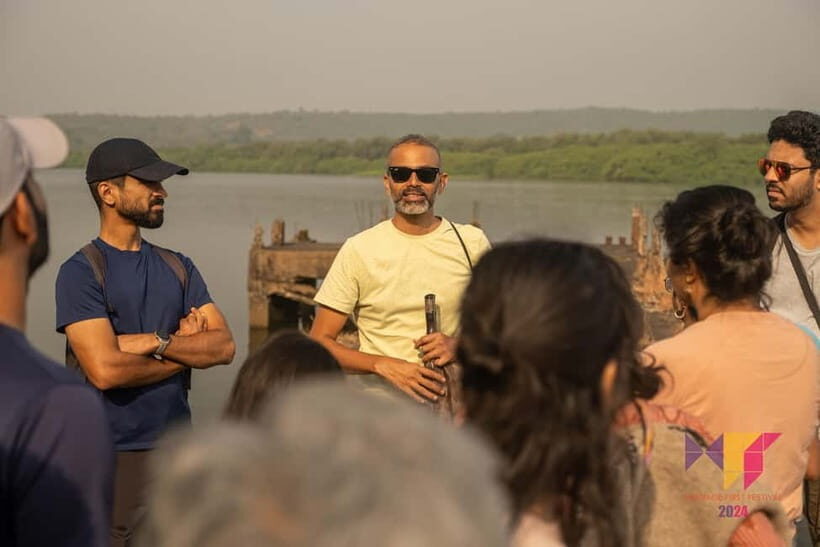
- Meeting at Viceroy’s Arch with a guide who’s easy to spot (signboard DIP) right near the ferry route
- A native resident-led approach that adds stories you won’t get from a standard sightseeing script
- A 1910 Indo-Portuguese house visit—mud, wood, and roof tiles, plus vintage family artefacts
- Mangrove walking time aimed at biodiversity spotting, not just photo stops
- Temples, churches, chapels, and a hilltop viewpoint in one compact loop
- Mandovi river boat time that slows the pace and puts you back in the estuary mood
From Viceroy’s Arch to Old Goa: the start feels local, not touristy
Your day kicks off at Viceroy’s Arch in Goa. It’s a big arch with a Vasco da Gama figure on top, and the road funnels pedestrians and vehicles through it toward the Divar Island ferry. The guide is easy to identify because they’ll be holding a signboard reading DIP.
From there, the tour moves to Old Goa for a quick orientation walk. You’ll pass historic landmarks along the way (including the Viceroy’s Arch area), then you’ll head to the ferry jetty. The key point here is that you’re not just “getting transported.” You’re getting the first layer of context on what makes this part of Goa different.
This matters because Divar doesn’t work as a fast photo sprint. The island’s charm is in how it’s explained: how the estuary shaped daily life, how communities built their homes, and how the landscape supports birds and other wildlife.
You can also read our reviews of more tours and experiences in Goa.



The Mandovi ferry crossing: quick, scenic, and designed to set your pace
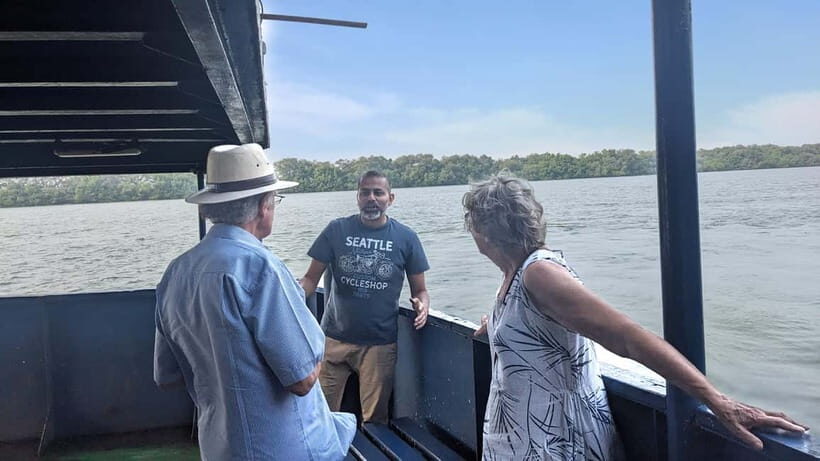
The ferry hop across the Mandovi River is short—about 10 minutes—but it’s an important reset. You shift from street energy to river rhythms fast, and that helps you pay attention once you start spotting birds later.
After the crossing, you’ll travel by scenic roads toward Divar. Along the way, birdlife is part of the game, so it’s worth keeping your eyes up. This is where binoculars can become your best friend, especially if you enjoy birding more than posing.
The drive-to-walk transition is also a practical thing: the tour team uses the travel time to set expectations for what you should look for in the mangroves and along the estuary routes.
Shaded mangroves and the wildlife hunt: where patience pays off
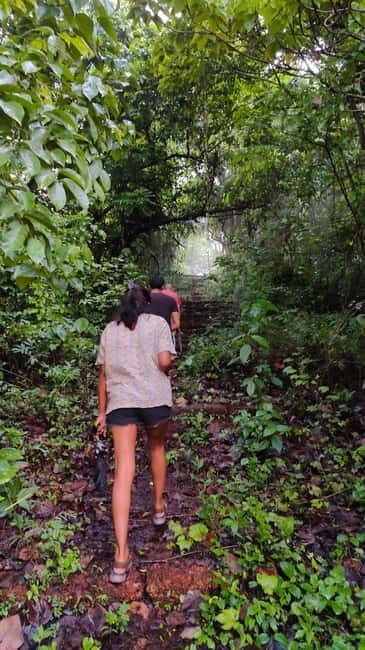
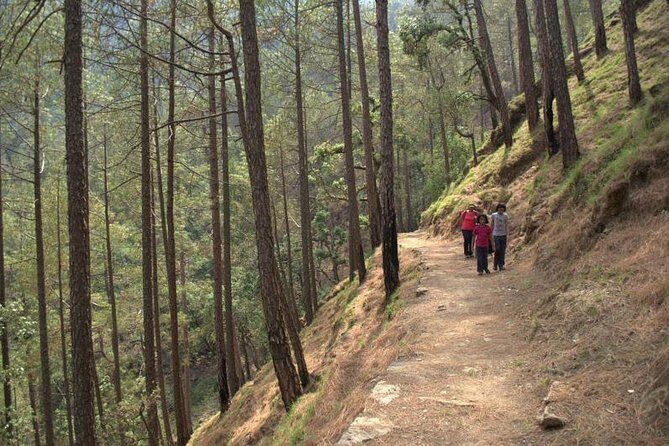
Divar’s mangroves are the big reason this tour is so loved by people who care about biodiversity. The walking part goes through shaded mangrove areas, and the guiding focus is on sighting chances for otters, crocodiles, and estuarial birds.
Now, let’s keep it real. Wildlife spotting is never guaranteed. But the tour’s rules and pacing are built around increasing your odds: you avoid loud calls, you avoid heavy perfume, and you keep the energy low while you’re in the right habitat.
A few practical moves I recommend you follow because they’re explicitly aligned with the experience:
- Keep your hands free and your attention up while walking.
- Use biodegradable insect repellent (you’ll be outside and near nature).
- Bring sunglasses and a hat or cap—shade helps, but you still need protection.
If you’re the type who loves watching behavior (not only species lists), you’ll probably enjoy this section the most. It’s not a rapid walk through trees; it’s more of a slow search with a local mindset.
Divar’s village loop: temples, churches, chapels, and a hilltop payoff
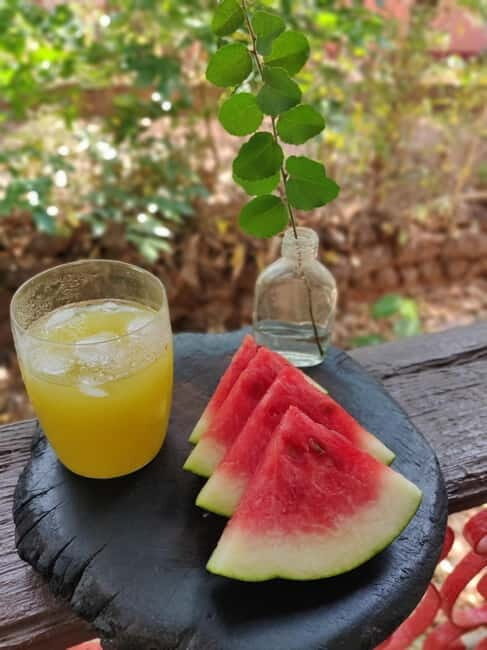
Once you’re past the mangrove segment, the tour shifts into Divar’s human side—community history, heritage, and places you can actually feel are still used.
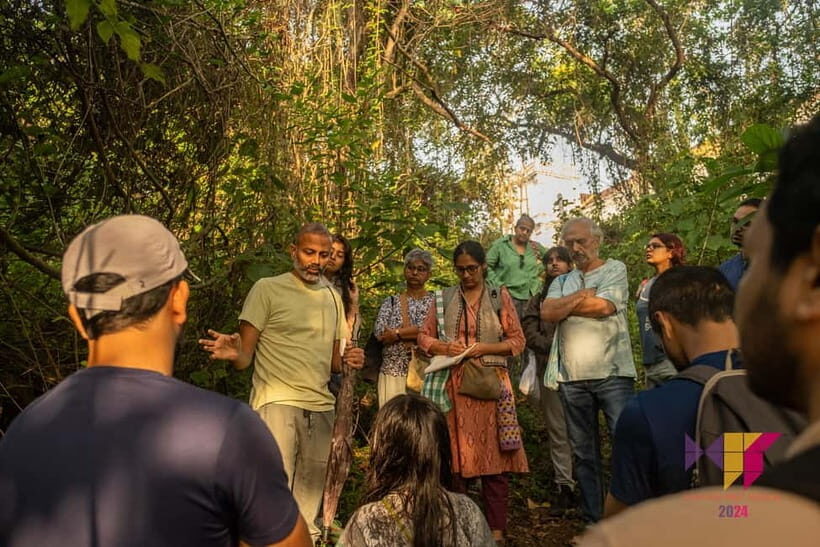
You’ll spend time exploring lush village areas and market spaces, plus stopping at iconic sites like temples, churches, and chapels. The value here is that a native guide can connect buildings to stories: family life, religious tradition, and how Portuguese-era influences mixed into local architecture and community identity.
There’s also a hilltop viewpoint with strong panoramas. This is a nice counterbalance to the earlier walking in shade. After time among trees and waterways, it’s satisfying to look out and understand the geography you’ve been moving through.
One small drawback: because the day is compact, you’ll be moving between several points, and you’ll likely do some walking with limited rest breaks. The schedule includes breaks, but if you plan to take lots of long photo stops, you’ll need to manage your time.
The 1910 Indo-Portuguese family home: where artefacts explain the past
This is the part that changes the tone of the entire excursion.
You’ll visit an old Indo-Portuguese home built in 1910 that’s described as being in its original state. The materials matter here: the house is made with mud, wood, and roof tiles, and that’s part of why the visit feels grounded instead of museum-like.
Inside, you’ll see vintage artefacts tied to ancestral family memory. This isn’t just decorative. The guiding approach connects the objects to a story of island family life—how people lived, what they saved, and what survival and culture looked like in a place shaped by river and farmland.
From the reviews, one theme stands out: guides with names like Russell and hosts like Divya have a knack for making history feel personal rather than lecture-like. That’s the kind of difference you want if your goal is to understand Goa beyond famous postcards.
If you’re a history lover, you’ll probably enjoy the way the home visit links architecture to identity. If you’re more of a food or culture person, you’ll still get something: understanding daily life is the fastest route to appreciating why local communities cook, celebrate, and live the way they do.
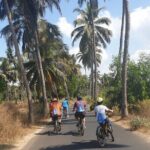


Veranda time and village calm: the pause that makes it feel real

Between the walking and the guided segments, you’ll get time to unwind. There’s a break period (about an hour) where you can use the moment to regroup and enjoy the slower island pace.
What makes this section worth valuing is that it isn’t only downtime. It’s the time where you can listen for birdsong and notice how quiet the island feels compared to main Goa. If you like nature soundtracks, this is where the tour really delivers that “I’m not watching a show, I’m in the place” feeling.
You also get opportunities for hotel or resort activities during this break window. The idea is that you’re not locked into constant movement the whole time.
River boat time on the Mandovi: a long look, not a quick flash
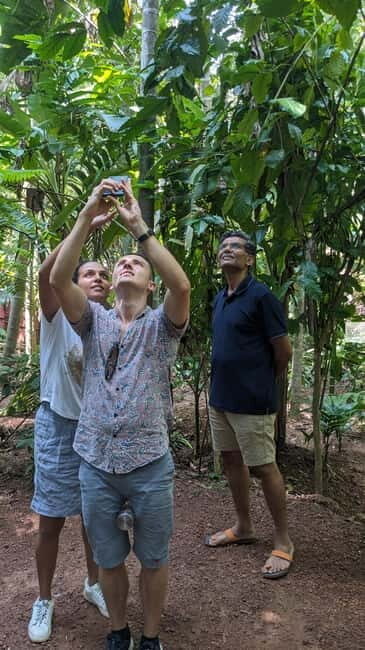
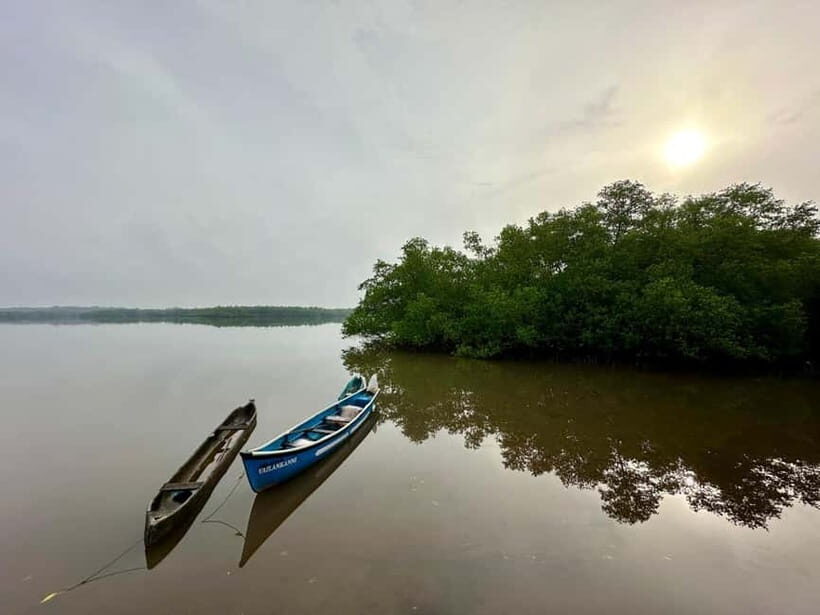
Your itinerary includes a river boat ride (around 1.5 hours). This is a big stretch of time on the water, and it’s more than transport—it’s a chance to keep observing the ecosystem as the light shifts.
On the boat, wildlife spotting becomes more realistic because you’re at the water level where birds feed and move, and where you might spot estuarial activity. In one reported experience, a participant even noted a crocodile sighting, which is exactly the kind of high-reward possibility that keeps people coming back to guides focused on biodiversity.
Even if you don’t see crocodiles, you may still enjoy the range of birds and the feeling of moving slowly through the estuary. This part is also great for travelers who want less “walking calories” and more time sitting with a view.
Price and value: what $27 buys you in real terms
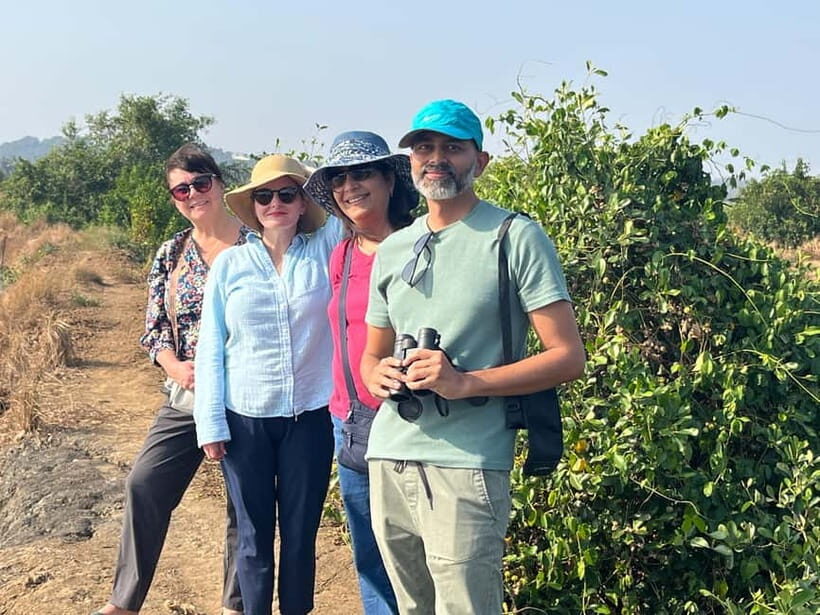
At about $27 per person for a 4-hour experience, this tour can be good value if your priorities match what Divar does best: local storytelling, nature watching, and heritage you can’t fake.
You’re not only paying for transport and entry. Your cost supports:
- A guided excursion led by native residents
- A house visit to a 1910 Indo-Portuguese home
- Permits included
- Personalized recommendations and “hidden” local insights
So the pricing makes sense if you care about authenticity and interpretation. If you’re chasing the biggest number of monuments in the shortest time, you might feel it’s too specialized. But if you want birds, family history, and river life packed into a few hours, it’s a strong fit.
What to bring (and what to avoid) so wildlife stays on the menu
This tour is explicitly set up for sightings, so your packing list isn’t just convenience—it affects your odds.
Bring:
- Sun hat
- Cash (for any purchases you choose to make; the tour doesn’t include shopping costs)
- Weather-appropriate clothing
- A daypack
- Biodegradable insect repellent
- Hand sanitizer or tissues
- Prefer walking shoes over sandals
You’ll also benefit from:
- Sunglasses, sunscreen, and an umbrella (weather can shift)
- A water bottle and face towel
- Binoculars if you want to focus on birding
Avoid:
- Video recording and audio recording
- Intoxication, and alcohol or drugs
- Littering (seriously, it matters in nature settings)
- Food in the vehicle
- Wearing strong perfumes and making frequent calls (you’ll reduce your chance of wildlife sightings)
A small humorous truth: the quieter you act, the more the island seems to “notice you back.”
Language and group feel: private, local, and built for conversation
This is a private group tour, which usually means you get more flexibility than large group outings. The guide speaks Hindi, English, and Marathi, so you should have an easier time following stories and asking questions.
Private doesn’t automatically mean endless personalization, but it does mean you can ask about what you care about. If you’re a bird person, ask for bird-spotting tips during mangrove time. If you prefer culture, focus questions during the home and village stops.
Who this tour suits best (and who should skip it)
This experience tends to fit people who enjoy one of these categories:
- Biodiversity explorers and wildlife watchers
- Bird lovers
- Food-and-culture seekers who like understanding day-to-day life
- History lovers who prefer lived-in stories over textbook facts
It may not be a good match if:
- You have mobility impairments
- You’re visually impaired
- You’re hearing-impaired
That’s not about value. It’s about the walking portions, outdoor nature conditions, and the fact that the tour includes environmental observation and guided interaction while moving.
Should you book Divar Island with a native islander?
If your Goa plan already includes the big sights and you want something with a pulse—birds, river time, real neighborhood context—this tour is a smart booking. The standout value is the combination of native-led storytelling plus the 1910 family home visit, paired with mangrove and river segments designed for wildlife attention.
If you hate walking, need constant quiet/assistance, or you’re only after landmark photos with minimal nature time, you may find it too “slow” and too focused.
For the right traveler, though, this is one of those experiences that makes the region feel understandable, not just seen.
FAQ
Where is the meeting point for this tour?
You meet at Viceroy’s Arch in Goa, near the road and pedestrian route leading toward the Divar Island ferry. Your guide will be recognizable by a signboard that reads DIP.
How long does the Divar Island excursion take?
The tour duration is about 4 hours.
What languages does the live guide speak?
The live guide provides narration in Hindi, English, and Marathi.
What’s included in the price?
It includes a guided excursion of Divar Island by native residents, a visit to a 1910 Indo-Portuguese home, permits, and personalized recommendations and lesser-known experiences.
What should I bring with me?
Bring a sun hat, cash, weather-appropriate clothing, a daypack, biodegradable insect repellent, and hand sanitizer or tissues. Walking shoes are preferred.
What is not allowed during the tour?
Video recording and audio recording are not allowed. The tour also prohibits intoxication, alcohol and drugs, and littering, and it’s not allowed to have food in the vehicle or alcoholic drinks in the vehicle.
Is there a cancellation option?
Yes. You can cancel up to 24 hours in advance for a full refund. The listing also offers a reserve now and pay later option.