REVIEW · VARANASI
All-Inclusive Private Varanasi City Tour with Ganges Boat Ride
Book on Viator →Operated by Pacific Classic Tours India · Bookable on Viator
Sunrise on the Ganges changes your pace fast. This private full-day tour mixes two boat rides with major spiritual sights, from the Kashi Vishwanath corridor to Sarnath. I like that you’re not squeezed into a crowd—you get a private guide, a private car, and a schedule that actually holds together.
Two things I really appreciate: you get morning and evening on the river, so the Ganga feels completely different at each end of the day, and lunch is a proper included stop at a premium restaurant (not just a token snack). One drawback to think about up front: it’s a long day that starts early at 5:30am, so plan to be flexible with energy and sleep.
In This Review
- Key Points Worth Your Time
- The 5:30am Start Makes or Breaks the Day
- Sunrise on the Ganges: Rituals, Light, and a Very Real Sense of Place
- Kashi Vishwanath Corridor and Temple Complex: More Than a Photo Stop
- BHU, Bharat Kala Bhavan, and the Birla-Temple Replica
- Bharat Mata Temple: The Marble Map That Stops You Cold
- Lunch at a Premium 5★ Restaurant: Included, and Actually Worth It
- Sarnath: Dhamek Stupa Plus the Buddha-First-Teaching Setting
- Evening Boat Ride and Ganga Aarti from Dashashwamedh Ghat
- Transportation, Entrance Fees, and the Question of Value
- What to Wear, How Much You’ll Walk, and How to Stay Comfortable
- Who This Tour Suits Best (and Who Might Want Something Different)
- Should You Book This Private Varanasi Day Tour?
- FAQ
- What time does the tour start in Varanasi?
- How long is the full tour day?
- What’s included in the price?
- What’s not included?
- Are boat rides always guaranteed?
- Is the archaeological museum in Sarnath always open?
- Can I request a vegetarian option?
- What should I wear for temple and ghats visits?
Key Points Worth Your Time
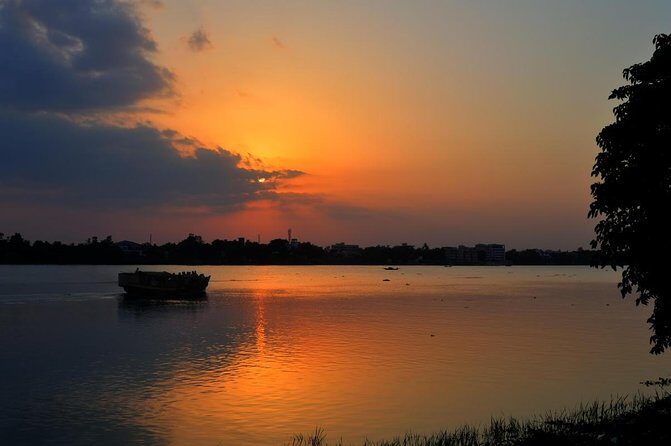
- Two Ganges cruises make the city feel twice: misty mornings, electric evenings.
- Private guide + private air-conditioned car means you can move at a human pace.
- Kashi Vishwanath Corridor is a modern-looking connector that changes how you experience the ghats.
- Sarnath includes Dhamek Stupa and more than the one photo-stop—plus the museum (closed Fridays).
- Premium buffet lunch + bottled water are included, keeping your budget under control.
The 5:30am Start Makes or Breaks the Day
This tour runs 12 to 14 hours, and it begins with an early pickup at 5:30am from your hotel (or railway station, if you need that). That start time isn’t just for “early birds”—it’s what lets you get on the water while the river still feels quiet and focused.
If you’re the type who needs a slow ramp-up in the morning, set yourself up now: charge your phone the night before, keep a light layer handy, and don’t plan a late night before this day. You’ll also be doing moderate walking and some stair/climb work at the ghats and temple areas, so shoes matter more than you’d think.
The good news: the day is built with real breaks, plus bottled mineral water is included. And because it’s private, your guide can flex the pace if someone needs a pause.
You can also read our reviews of more boat tours in Varanasi


Sunrise on the Ganges: Rituals, Light, and a Very Real Sense of Place
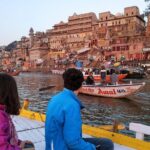
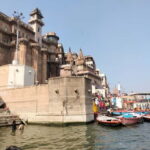
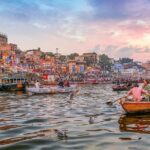
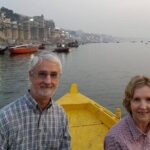
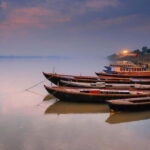
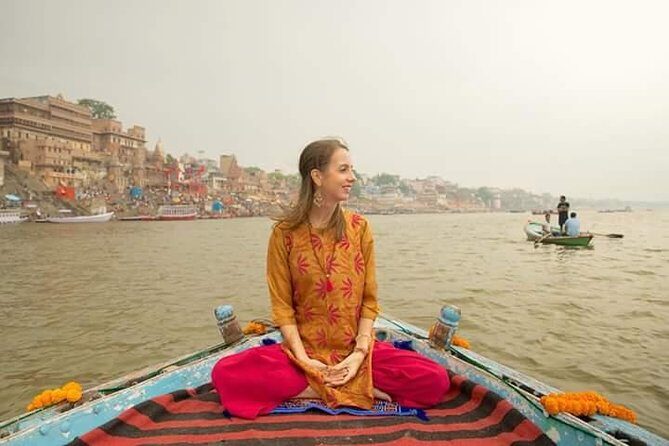
The morning portion starts with a boat ride on the Ganges at sunrise, and that’s the emotional center of the tour. Even if you’ve seen Varanasi on photos, being on the water changes your scale. The ghats look wider, the river feels busier, and the city’s rhythm becomes readable instead of chaotic.
You’ll see morning rituals happening along the riverside. This is the part where the river isn’t a backdrop—it’s the workplace, the temple, the meeting point. The air at sunrise can bring a softer view of everything—less glare, fewer people than later, and more of a “watch and listen” mood.
In short: morning is for atmosphere and observation. You’re there early enough to feel the difference between the spectacle people expect and the slower, lived-in reality happening at the edge of the water.
Kashi Vishwanath Corridor and Temple Complex: More Than a Photo Stop
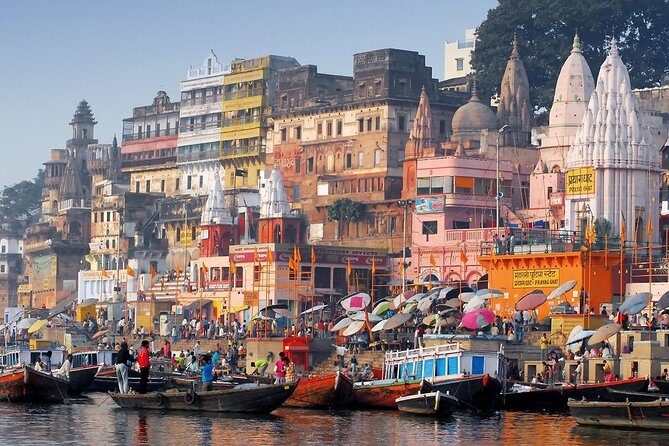
After the sunrise boat ride, you’ll head into the temple zone and do a short walking stretch through old-city lanes. The highlight here is the Kashi Vishwanath Temple complex and the newly restored Kashi Vishwanath Corridor that connects the temple to the Ganga ghats.
This corridor matters because it changes how you move. Instead of jumping between scattered points, you walk through a designed connection that keeps the flow going. Your guide will explain the temple’s significance and rituals, which helps you understand what you’re seeing—especially in a place where every direction and detail has meaning.
One practical note: dress matters. You’ll want shoulders and knees covered for temple and ghats areas, and modest, smart-casual works well.
If you’re the kind of person who likes context—why a temple looks the way it does, why the crowds move the way they do—this stop will feel more satisfying than a simple “stand and snap” moment.
BHU, Bharat Kala Bhavan, and the Birla-Temple Replica
Later in the morning, you’ll go to Banaras Hindu University (BHU), scheduled for around 10:00am. BHU was established in 1916, and it’s known for its massive campus footprint—so it’s a nice change from the dense lanes near the ghats.
What makes this stop more than sightseeing is what you see on campus:
- You’ll tour the campus and visit Bharat Kala Bhavan
- You’ll also see the new Vishwanath Temple (Birla Temple), described as an exact replica of the original Vishwanath Temple
That replica detail is interesting because it brings the sacred into a university setting. You’re getting a different angle on the same spiritual idea: not just worship at the ghats, but how the culture and devotion are carried into education and architecture.
Also, this is a good time for a breather after temple-walking and before the rest of the day accelerates.
Bharat Mata Temple: The Marble Map That Stops You Cold
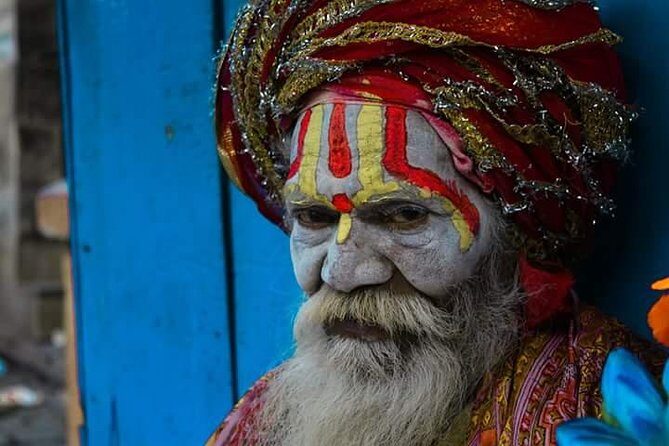
Next up is the Bharat Mata Temple, built in 1936. This is a unique stop because it’s dedicated to Mother India rather than a specific deity, and it houses a remarkable marble relief map of the Indian subcontinent.
When you’re standing there, it’s hard not to pause. The temple’s design turns geography into a form of reverence—like the country itself is something you can honor by looking carefully. If you enjoy odd, thoughtful stops (and not only the usual big names), this one is a genuine change of pace.
Time here is shorter—about 30 minutes—but it’s the kind of stop that tends to stick in memory.
You can also read our reviews of more city tours in Varanasi


Lunch at a Premium 5★ Restaurant: Included, and Actually Worth It
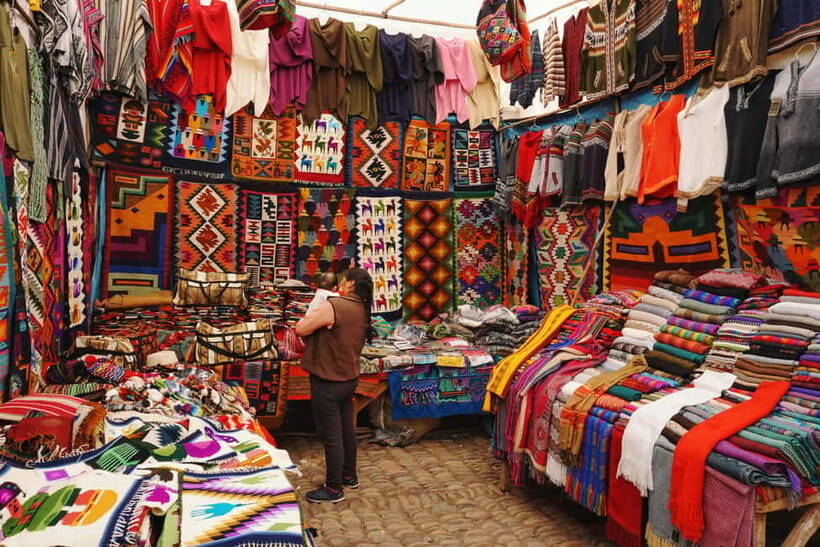
Around midday you’ll learn about silk weaving traditions in Varanasi. That’s the cultural counterpoint to all the religious stops—less about temples, more about how daily life and craft connect to the city’s identity.
Then comes the included buffet lunch at The Clarks, a premium 5★ restaurant. This is one of the best value parts of the day. A lot of all-inclusive tours claim “lunch included,” then deliver something basic. Here, it’s positioned as a multi-cuisine buffet in a nicer setting, with vegetarian options available if you request them at booking.
You’ll want to remember: alcoholic beverages are not included, and any drinks with lunch fall outside what’s covered. On a day this long, grabbing water and eating a real meal matters. It keeps you from running on fumes before Sarnath and the evening aarti.
Also included throughout: bottled mineral water.
Sarnath: Dhamek Stupa Plus the Buddha-First-Teaching Setting
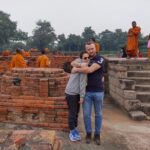
After lunch, you drive about eight miles (roughly 13 km) to Sarnath. This area is closely tied to the Buddha’s first sermon, so the mood shifts from Varanasi’s living ghats to a quieter, devotion-focused park-and-monument zone.
The key stop is Dhamekh Stupa, known as the place linked to the first sermon. But you’ll also see more than just one circular structure:
- Mulagandha Kuti Vihar
- Deer Park
- Buddhist temples from around the world
- The Archaeological Museum (with an important catch)
The museum contains treasures dating back to the 3rd century BC, but it’s closed on Fridays. So if you’re booking for a Friday, don’t build your day around seeing the museum—your guide can still keep the pacing solid, but you’ll want to accept that the museum stop won’t happen.
This is also a good segment if you like variety. You move from the river to the stupa grounds, and the whole day gains balance.
Evening Boat Ride and Ganga Aarti from Dashashwamedh Ghat
At about 5:00pm, you get a second boat ride on the Ganges. This is where the tour really earns its two-cruise format.
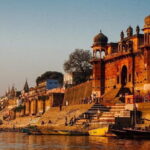
The river view changes again: evening light, different crowd energy, and a more intense sense of ritual rhythm. You’ll also pass by or view the cremation grounds from the water, which can feel heavy and real. If you prefer a strictly scenic day, keep in mind that Varanasi doesn’t separate religion from daily life.
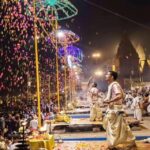
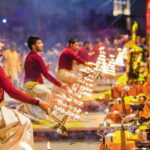
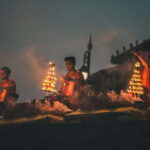
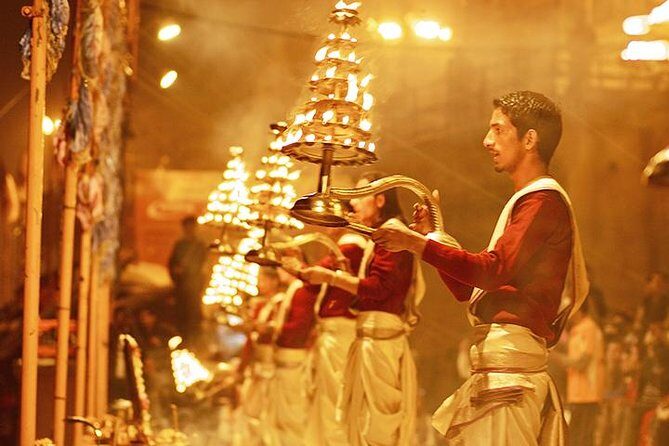
Then you return to Dashashwamedh Ghat to watch the evening Ganga Aarti ceremony. The aarti is a devotional Hindu ritual performed at dusk using fire as an offering to Maa Ganga. Watching it after you’ve already been on the river feels like stepping into the final scene of a movie you’ve been slowly watching all day.
This is the moment that tends to make people remember the tour long after they’ve left Varanasi—especially because the morning and evening pieces are so different.
Transportation, Entrance Fees, and the Question of Value
Let’s talk money. At $183.10 per person, this tour sits in the mid-to-upper range for Varanasi. The main reason it can still feel fair is what’s included:
- A private air-conditioned vehicle for the full day with hotel pickup/drop-off
- A professional English-speaking local guide
- Entrance fees to monuments and sites as listed
- Morning and evening boat rides included as part of the program
- All parking, tolls, fuel charges, and taxes with no hidden-cost surprises
- Bottled mineral water throughout
- A gourmet buffet lunch at a premium restaurant
That “no hidden costs” line matters because travel days in India can get messy fast if entrances and ride fees pop up at each turn. Here, you’re not constantly calculating what the day will add on.
Still, a practical word: car comfort can vary by operator and vehicle assigned. One experience included a complaint about getting a smaller car than expected. If you’re picky about legroom or you’re traveling with more luggage than usual, it’s smart to confirm what kind of vehicle you’ll likely receive when you book.
What to Wear, How Much You’ll Walk, and How to Stay Comfortable
This tour includes temple and ghats time, plus moderate walking and stair/climb areas. Bring comfortable walking shoes and plan to handle steps without rushing.
For clothing: modest smart-casual is recommended, and you should ensure shoulders and knees are covered at temples and ghats. Light layers help too—early mornings can feel cooler than you expect, and later you’ll warm up with walking.
If you’re sensitive to crowds, the early start helps. You’ll also get breaks built into the schedule, which is important on an all-day route like this.
And if rain enters the forecast: during rainy season (July to September), the boat ride is subject to availability due to Ganges overflow. That doesn’t mean the day falls apart, but it’s a heads-up to keep flexibility in your plans.
Who This Tour Suits Best (and Who Might Want Something Different)
This private tour is a strong fit if you:
- Want a single, organized day that covers Varanasi + Sarnath without self-navigating
- Like having a guide explain what you’re seeing, not just point at it
- Care about the river experience at both ends—sunrise cruise and evening aarti
- Prefer private transport over shared group chaos
It might feel less ideal if you:
- Hate early wake-ups and long days
- Want lots of free time with no schedule at all
- Are expecting only “scenic” views, since you’ll see the reality of cremation grounds from the boat
Guides on this kind of tour can make a big difference. In the feedback tied to this experience, names like Nilesh and Jaideep came up with praise for good service and attention to details—so you’re likely to get a guide who knows how to keep the day moving.
Should You Book This Private Varanasi Day Tour?
I’d recommend booking if you’re aiming for a one-day hit that’s structured, private, and centered on the Ganga. The two cruises and the included lunch and entrances are what turn it from “a long tour” into a day with real value. The Kashi Vishwanath corridor plus the university stop plus Sarnath gives you variety that you can’t easily stitch together on your own—especially with a guide managing timing.
But book with eyes open about the schedule. The 5:30am pickup and 12 to 14 hour day are not negotiable if you want both sunrise and evening aarti. If you can handle early mornings, modest clothing rules, and some walking, this tour can feel like the cleanest way to experience Varanasi in one day.
FAQ
What time does the tour start in Varanasi?
The tour starts with pickup at 5:30am.
How long is the full tour day?
It runs about 12 to 14 hours, depending on transfer times and traffic.
What’s included in the price?
Included are hotel pickup and drop-off in a private air-conditioned vehicle, a professional English-speaking local guide, entrance fees as per the itinerary, morning and evening Ganges boat rides, a gourmet buffet lunch, bottled mineral water, and all parking/tolls/fuel/taxes.
What’s not included?
Alcoholic beverages are not included. The tour also notes that breakfast during the day is at your own expense.
Are boat rides always guaranteed?
During rainy season (July to September), boat rides are subject to availability due to Ganges river overflow.
Is the archaeological museum in Sarnath always open?
No. The Archaeological Museum in Sarnath is closed on Fridays.
Can I request a vegetarian option?
Yes. A vegetarian option is available—tell them at booking if you need it.
What should I wear for temple and ghats visits?
Wear modest smart-casual and make sure shoulders and knees are covered while visiting temples and ghats.