REVIEW · RISHIKESH
6 Days Phulara Ridge Trek
Book on Viator →Operated by Himalaya Shelter · Bookable on Viator
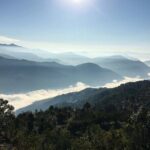
Ridge hikes hit different in Uttarakhand. The Phulara Ridge trek gives you serious altitude views, with a 250-degree sweep from above 12,000 feet, plus days of pine forest, meadows, and ridge-edge walking in the Garhwal Himalaya. What I like most is the way the trek mixes big scenery with small moments, like that bridge brook sound and the wildflower camps. I also really like how well the operation seems run, from the guide-led pacing to camp setup and food. One consideration: this trek works only when weather is good, so you’ll want flexibility if conditions change.
You start the whole trip from Dehradun at 6:30 am, then settle into Sankri, a village inside Govind National Park. From there, the days slowly build toward the ridge day that people remember for years. The focus is not on speed. It’s on scenery, comfort at camp, and a guided rhythm that keeps you safe while still letting you enjoy the views.
In This Review
- Key Highlights You’ll Care About
- Price and Value for a 6-Day Ridge Trek from Sankri
- Day 1 Drive to Sankri: Tons River Rhythm and Govind National Park Entry
- Day 2 Kedarkantha Forest Climb, Sikolta Camping, and Juda ka Talab
- Day 3 Wooden Bridge Sounds, Karsu Thatch Yellow Wildflowers, and Bhoj Gadi
- Day 4 Phulara Ridge Edge Walking and Pushtara Bugyal Meadows
- Day 5 Taluka Descent: Langoors in the Trees and Village Life
- Day 6 Head Back to Dehradun, Then Consider a Rishikesh or Tapovan Finish
- Camp Setup, Food, and the Human Touch That People Remember
- Trail Readiness: Fitness, Weather Dependence, and Carrying Your Own Bag
- Should You Book the Phulara Ridge Trek?
- FAQ
- How long is the Phulara Ridge Trek?
- Where do you start the trek, and what time does it begin?
- What is included in the tour price?
- What is not included?
- Is there a forest permit for non-Indian passport holders?
- Do I get a porter to carry my personal bag?
- How big is the group?
- What happens if weather is bad?
- Is service animal access allowed?
Key Highlights You’ll Care About
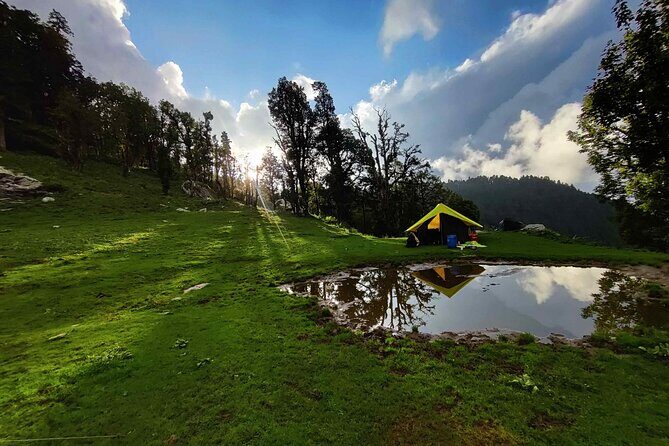
- Phulara Ridge views from 12,000+ feet with a dramatic 250-degree panorama
- Pro support at camp: certified guide, cook, and crew plus clean tents, mats, and sleeping bags
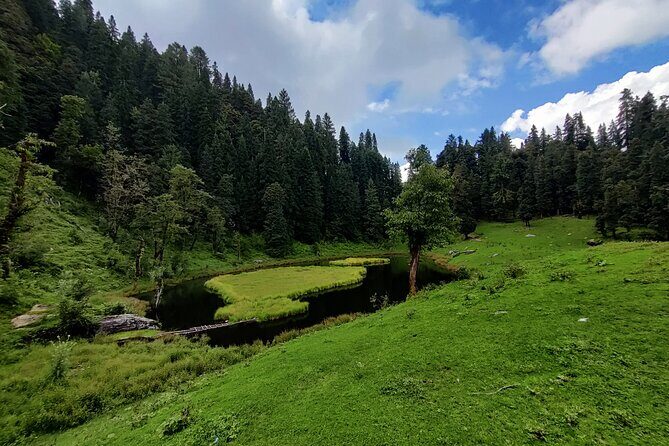
- Memorable trail variety: pine forests, rhododendron sections, alpine lake, bugyal meadows
- Food that holds up across multiple meals served in camp
- Small group size with a maximum of 11 travelers
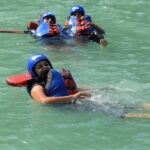
- Optional add-on energy: some people pair it with white-water rafting on the Tons River
Price and Value for a 6-Day Ridge Trek from Sankri
The price is $215 per person for about 6 days, and it’s not just for moving you from point A to B. This cost covers the big moving parts: an air-conditioned mini bus for the road segments, accommodations for the first day through the second-to-last day (double or triple occupancy), and a full trekking team including a certified guide, cook, and support staff.
It also includes the camp infrastructure side that can make or break comfort on Himalayan treks: tents (A-shaped or dome), a kitchen tent, dining tents, toilet tents, and camping stools. Sleeping bags and mats are also provided, so you’re not renting basics last minute. Food is included for multiple days too: 5 breakfasts, 4 lunches, and 5 dinners, which matters because most treks like this force you to buy meals on the trail or at inconvenient hours.
Where you should pay attention is what’s not included. If you hold a non-Indian passport, there’s an additional INR 1000 forest permit charge. And porter/mule support is meant for camping equipment only, not personal luggage. If you want help carrying your own bag, there’s a separate INR 450 per day per bag charge (for bags under 12 kg). If you’re traveling light, that can be an easy decision.
Overall, if you want a guided ridge trek with camp comfort and meals included, this price looks fair for the time on route and the included logistics.
You can also read our reviews of more hiking tours in Rishikesh
Day 1 Drive to Sankri: Tons River Rhythm and Govind National Park Entry
You’ll start in Dehradun at 6:30 am from PRIME SURGICALS SHOP NUMBER 107, DOON PLAZA COMPLEX, 59 Gandhi Rd, Prince Chowk, Dhamawala Mohalla, Paltan Bazaar, Dehradun. The drive to Sankri is about 8–10 hours, and the route is part of the day’s entertainment.
You pass through Uttarkashi district towns such as Purola, and you’ll keep hearing the Tons River along the way—gentle at first, then more present as the day continues. The road journey doesn’t feel like dead time because you’re moving through real communities rather than just staring at highways.
The last 22 km toward Sankri takes you into Govind National Park. That’s a practical detail worth noting: park entry is included for Indian nationals, so you’re not juggling permits just to start trekking. For non-Indian passport holders, remember the extra INR forest permit applies.
Once you arrive in Sankri, you’re rewarded quickly with views of the Swargarohini ranges. You’ll have time to explore the area, then catch sunset over the mountains before an overnight stay that sets you up for the next day’s trek.
Day 2 Kedarkantha Forest Climb, Sikolta Camping, and Juda ka Talab
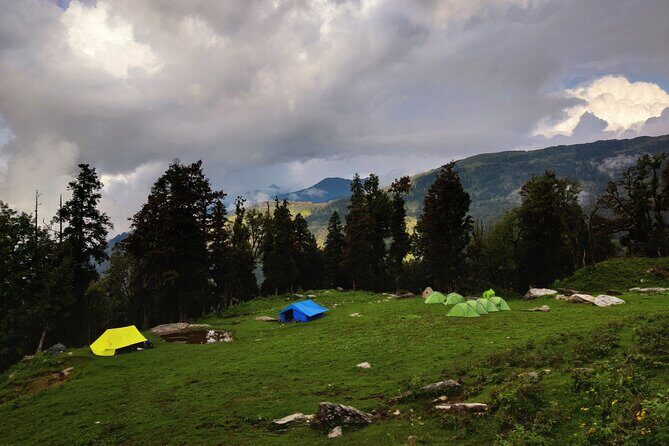
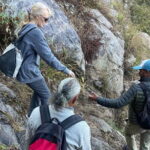
Day 2 is where the trek actually starts, with a slight ascent through dense forest. Expect tall pine trees and a quieter feel as you climb. Keep your eyes open for native birds such as treepies, woodpeckers, and drongos. This is the kind of detail that doesn’t cost anything but makes the forest walk feel alive.
The climb has little breaks built in. Eventually you reach a clearing where you’ll find the only dhaba during the trek route. It’s also the moment some travelers enjoy most: if you’re lucky, a villager may greet you with flute music. These are small cultural touches, but they help you connect with the area instead of treating the hike like a training run.
On reaching Sikolta, you drop your bags and do an excursion to Juda ka Talab, an alpine lake. This is a classic “side trip payoff” day element. You get a change of pace from trekking effort, and the lake setting gives you distant snow-capped views in the background.
You camp overnight in the area and then continue onward the next day, with the forest-and-lake rhythm setting expectations: the days are long, but they’re not monotonous.
Day 3 Wooden Bridge Sounds, Karsu Thatch Yellow Wildflowers, and Bhoj Gadi
This day feels cinematic right away. You move back through forest, and the trail leads to a wooden bridge. The payoff isn’t just the bridge itself. It’s the sound—listen for the small brook burbling underneath as you cross.
After that, there’s a short steep patch before you reach Karsu Thatch, known for yellow wildflowers. There’s also an abandoned wooden house nearby, which makes the scene feel like it was pulled from a postcard. Then the path continues with rhododendrons adding color before you reach the meadow region of Bhoj Gadi.
This is one of the key camp areas on the whole route: a grassy camp zone with snow-capped mountains in the background. It’s the kind of place where you stop taking photos for a second and just watch the light shift. If you’re the type who remembers detail, Bhoj Gadi is where that happens.
Day 4 Phulara Ridge Edge Walking and Pushtara Bugyal Meadows
This is the day you plan your energy for.
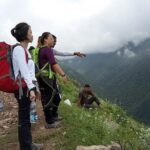
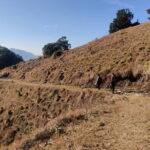
You start with a sunrise and then trek for about an hour from Bhoj Gadi. Then you descend toward Phulara Ridge, which is famous for narrow edges and big drop-offs on either side. That ridge position is why people describe it as awe-inducing: you’re getting panoramic views across major Garhwal ranges including Swargarohini, Kalanag, and Bandarpoonch.
The ridge itself is where the trek’s promise becomes real. From over 12,000 feet, the 250-degree view means you can look far left, then far right, and still feel like the mountains are wrapping around you.
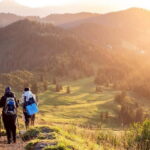
After crossing the ridge, you descend into Pushtara Bugyal, the Pushtara meadows. This section matters because it acts like a palate cleanser after ridge exposure. The walking is a pleasant change into wide green meadow terrain, and it’s also where the camp vibe feels more open and relaxed.
If you want the most memorable day of the trek without rushing, Day 4 is the one that earns it.
A few more Rishikesh tours and experiences worth a look
Day 5 Taluka Descent: Langoors in the Trees and Village Life
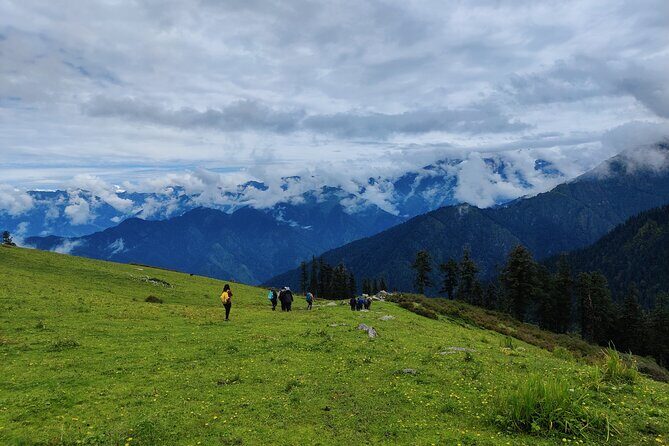
By Day 5, the trek transitions from mountain stillness to human pace. You start your descent toward Taluka, moving across verdant meadow sections first and then into forest paths.
As you go, keep an eye out for yellow wildflowers again. The trail uses repeating colors in different contexts, and that helps you feel the journey as a story rather than a series of checkpoints.
Wildlife appears in a casual, fun way too. You may spot langoors moving across trees. It’s not guaranteed, but when it happens, it breaks the trek rhythm in the best way—suddenly the trail feels like a living ecosystem, not just terrain.
Near the end, scattered settlements start appearing. Eventually you reach Taluka village and meet friendly villagers and children. The cultural interaction here is simple and direct: kids may ask for candy, which turns the final stretch into something more than just “completion.”
After reaching the village, a vehicle takes you back to Sankri for an overnight stay. This gives you time to cool down, reset, and enjoy the night before your final travel day.
Day 6 Head Back to Dehradun, Then Consider a Rishikesh or Tapovan Finish
The last day is about returning to civilization. You travel back to Dehradun by late afternoon or early evening, after leaving Sankri in the morning.
Your trip ends back at the meeting point area in Dehradun, so you can book your onward journey from there. If you want to turn the trek into a bigger experience, you also have options to continue in the Rishikesh region. Rishikesh and Tapovan are mentioned as easy follow-ups if you still have energy for one more scenic day.
This “two-stage” finish works well for many people because it gives your body a gentle landing: trek first, then river-town vibes afterward.
Camp Setup, Food, and the Human Touch That People Remember
I’ve learned to judge trekking teams by the boring stuff: whether the camp is clean, whether food arrives on time, and whether staff keep things calm when weather or fatigue gets real.
Here, the camp setup is specifically included: kitchen and dining tents, plus toilet tents, camping stools, and tents in A-shaped or dome styles. Sleeping bags and mats are provided and the gear is described as in perfect condition and clean. That matters because at this altitude, a comfortable sleep can be the difference between feeling strong on the next day or feeling crushed.
Food is another big part of what makes this trek feel like a real experience instead of a survival exercise. Meals are included for multiple days, and the camp food is praised as awesome and well-managed. With a cook and support staff included, you’re not left doing complicated meal logistics in remote areas.
And then there’s pacing. In the field, a good guide doesn’t just count kilometers. They read the group. One review notes that guides will encourage you to reach the summit when it makes sense, but won’t hesitate to stop if conditions or your condition require it. That kind of decision-making is exactly what you want on ridge days.
Names that stood out in the feedback include trek leader Jyoti, plus guides like Shailendra ji, and the person credited with food service, Joshi bhai. Having a team that feels professional and caring is a major part of why the experience scores well.
Trail Readiness: Fitness, Weather Dependence, and Carrying Your Own Bag
This is a moderate physical fitness trek. That doesn’t mean it’s “easy.” It means you’ll benefit most if you can handle long walking days and some steep patches without needing to sprint.
Weather dependence is key. The experience requires good weather, and if it’s canceled due to poor weather, you’ll be offered a different date or a full refund. That’s worth building into your planning. If you’re on a tight schedule, you may feel the pinch.
One more practical issue: porter and mule support covers camping equipment, but it does not cover personal luggage. If you bring more than you can carry comfortably, you’ll likely face that extra porter fee of INR 450 per day per bag under 12 kg. My advice is to pack in a way that you can carry your own day-to-day essentials without turning the hike into a weight problem.
Service animals are allowed, and the group size is capped at a maximum of 11 travelers, which usually helps keep the trek feeling human-sized rather than like a moving crowd.
Should You Book the Phulara Ridge Trek?
Book this trek if you want a guided Himalayan ridge experience with serious views and a camp setup that doesn’t cut corners. The ridge day around Phulara is the headline, but the trek’s real strength is how it mixes pine forest mornings, wildflower meadows like Bhoj Gadi, and the meadow calm of Pushtara Bugyal. If you value good food, clean camp gear, and a guide team that manages pace thoughtfully, this checks those boxes.
Skip it (or at least reconsider dates) if you dislike weather uncertainty. Since the trek depends on good conditions, you’ll want some schedule flexibility. Also think about how you’ll carry your bag. The trek supports personal luggage separately, so traveling lighter can keep costs down and make the hike more enjoyable.
If you want a memorable ridge panorama plus a comfortable, well-run mountain camp routine, this is a solid bet.
FAQ
How long is the Phulara Ridge Trek?
It runs for about 6 days.
Where do you start the trek, and what time does it begin?
The meeting point is at PRIME SURGICALSSHOP NUMBER 107, DOON PLAZA COMPLEX,59 Gandhi Rd, Prince Chowk, Dehradun, Uttarakhand 248001. Start time is 6:30 am.
What is included in the tour price?
Included are an air-conditioned mini bus, accommodations for the first day through the second last day (double/triple occupancy), a certified guide, cook and support staff, forest entry charges for Indian nationals, clean sleeping bags and mats, tents and camping equipment setup, porter and mule support for camping equipment (not personal luggage), and meals (5 breakfasts, 4 lunches, 5 dinners).
What is not included?
Not included: INR 1000 forest permit for non-Indian passport holders, porter/mule charges for personal luggage (INR 450 per day per bag under 12 kg), and costs due to unforeseen events like bad weather or roadblocks.
Is there a forest permit for non-Indian passport holders?
Yes. Non-Indian passport holders have an additional INR 1000 forest permit charge.
Do I get a porter to carry my personal bag?
Porter and mule support carry camping equipment only, not personal luggage. Personal luggage porter charges apply as INR 450 per day per bag (under 12 kg).
How big is the group?
Maximum of 11 travelers.
What happens if weather is bad?
The experience requires good weather. If it’s canceled due to poor weather, you’ll be offered a different date or a full refund.
Is service animal access allowed?
Yes, service animals are allowed.