REVIEW · NEW DELHI
5 Days Golden Triangle Tour and Ranthambore Wildlife Safari
Book on Viator →Operated by Golden Triangle Tour - India Bound Tour · Bookable on Viator
Tigers plus the Taj is a rare combo. This 5-day Golden Triangle tour adds a real wildlife hit in Ranthambore, then balances it with classic sights across Delhi, Agra, and Jaipur. You get smooth city-to-city transfers in an AC car, plus the kind of tight planning that keeps you moving without feeling rushed every minute.
I like the way this trip lines up two big “wow” moments: a sunrise visit to the Taj Mahal and an early morning tiger reserve game drive. I also love the practical guide support—one review specifically praised Mr. Halder’s help during the trip, and that kind of in-the-background responsiveness matters when you’re dealing with early pickups and ticket timing.
The main thing to watch is cost creep: monument entrances/camera fees aren’t included, so your total can rise once you’re in India’s ticket lanes. Also, Ranthambore can change in the monsoon season because a few park zones close from July 1 to Sept 30 each year.
In This Review
- Key highlights worth planning around
- Golden Triangle meets Ranthambore: what the trip feels like
- Price and what you actually get for $681.94
- Delhi highlights: Qutub Minar, Humayun’s Tomb, and the Lotus Temple timing
- Sunrise Agra: how the Taj Mahal visit is set up
- Ranthambore tiger reserve safari: early game drive realities
- Jaipur and Amer Fort: forts, palace views, and the stone observatory
- Hotels, transport, and the small things that keep it smooth
- What you should pack and plan for (so you don’t hate mornings)
- Where this tour shines (and who it suits best)
- Should you book this 5-day Golden Triangle + Ranthambore safari?
- FAQ
- FAQ
- Is pickup included?
- Does the tour include Ranthambore jungle safari?
- Are monument entrance fees included?
- When is the Taj Mahal sunrise visit?
- Are there seasonal closures at Ranthambore?
- What kind of hotels and rooms are included?
- Is the tour private?
Key highlights worth planning around
- 5:45 am sunrise Taj Mahal pickup (closed Fridays, so check your day)
- Ranthambore game drive 6–9 am in a shared Jeep (canter)
- UNESCO stops in Delhi and Agra, including Humayun’s Tomb and Agra Fort
- Amer Fort hills + Jaipur classics like City Palace, Jantar Mantar, and photo stops for Hawa Mahal/Jal Mahal
- Monsoon zone closures in Ranthambore (July 1 to Sept 30)
Golden Triangle meets Ranthambore: what the trip feels like
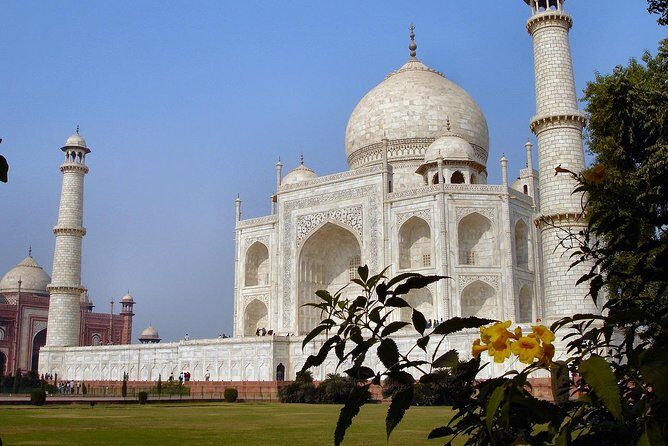
This tour is built like a two-part story. First, you get the “India intro” route—Delhi’s historic monuments, Agra’s Mughal masterworks, then Jaipur’s royal-era landmarks. Then you shift gears hard into the wilderness with a morning safari at Ranthambore National Park, where you go out early because animals (and opportunities) show up before the heat.
What I like is the pacing. You’re not just driving between cities and hoping for the best. The schedule uses mornings smartly: sunrise for the Taj Mahal, then a fresh early run for wildlife. That also helps you beat crowd crush and keep your days from feeling like a long blur of buses.
And yes, you’re doing a lot in five days. But it’s the kind of packed that feels intentional—especially with included hotel nights and transfers. If you want a taste of three cities plus a genuine wildlife outing, this layout does that job without requiring you to stitch together five different bookings.
A few more New Delhi tours and experiences worth a look



Price and what you actually get for $681.94
At $681.94 per person, you’re paying for a bundled package that includes core logistics: AC-car transfers, professional guides, hotel nights in twin sharing (3/4/5 star category), and the Ranthambore morning safari in a shared Jeep (canter). You also get dinner included and breakfast 4 times, which is a practical win because meal costs can add up fast when sightseeing days start early.
So where does your money go? Mostly into removing uncertainty. You don’t have to worry about transportation between Delhi–Agra–Ranthambore–Jaipur, or about arranging guide-led visits. You also get a mobile ticket, which usually makes day-of life simpler.
Where you need to budget extra is entrances and camera fees—monument tickets aren’t included for the sightseeing days listed. The tour also doesn’t include lunch or additional dinners/tips/gratuities. That’s not a flaw; it’s just how these packages are usually structured. Plan for those add-ons and the value looks much stronger.
Delhi highlights: Qutub Minar, Humayun’s Tomb, and the Lotus Temple timing

Day 1 starts with pickup from your Delhi hotel or the airport, then a half-day orientation through central Delhi. You’ll see Lutyens’ Delhi (the British-planned government zone), plus big landmarks like India Gate, the Parliament area, the President’s Palace, and Secretariat buildings.
Then the tour turns more historic. You visit Humayun’s Tomb, a UNESCO World Heritage Site and an early example of Mughal architecture. After that comes Qutub Minar, the 11th-century UNESCO site built by Qutub-ud-din Aibek of the Slave Dynasty. This combination works well because it shows you Delhi in layers: Mughal grandeur first, then older sultanate-era influence.
One more stop is the Lotus Temple (also known as the Bahai Temple). It’s a photogenic curve of white petals, and it’s closed on Mondays. That closure detail matters because it can shift what you can see based on your travel day. If you’re traveling Monday, you might want to keep expectations flexible.
After this Delhi block, you drive to Agra and check in for the night. The day is long on sightseeing density, so if you’re sensitive to early driving, carry water and keep some snacks handy for the ride.
Sunrise Agra: how the Taj Mahal visit is set up
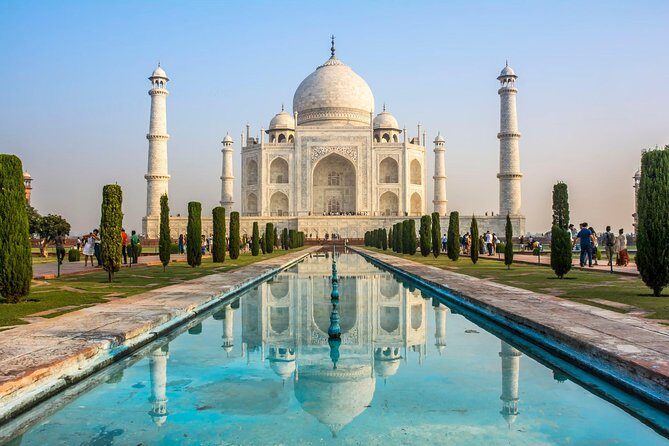
Day 2 is where the trip earns its name. You’re picked up very early—around 5:45 am—for a sunrise Taj Mahal visit. Taj Mahal is a UNESCO World Heritage Site, and it’s closed on Fridays. If your dates land on a Friday, the schedule will shift or you’d need a different plan, so check that upfront.
This is the smart time to go. The Taj is famous at any hour, but sunrise reduces the haze and gives you that softer morning light. It also means you’ll be walking and photographing while the city is still waking up.
After returning for breakfast, you continue with Agra Fort, another UNESCO World Heritage Site. This stop adds context because it’s not just about the mausoleum look—it’s also about the defensive, royal footprint of the Mughal era.
Then it’s off toward Ranthambore. You’ll arrive, check into your hotel, and get that essential decompression time before safari day. For many people, this is the “gear change” moment: you stop thinking about cameras and start thinking about wildlife spotting.
Ranthambore tiger reserve safari: early game drive realities
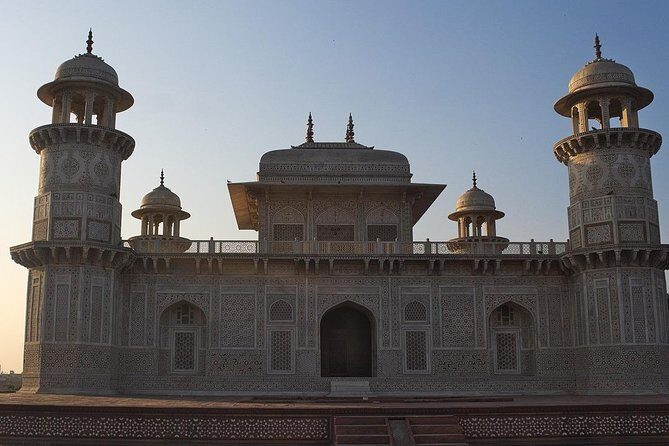
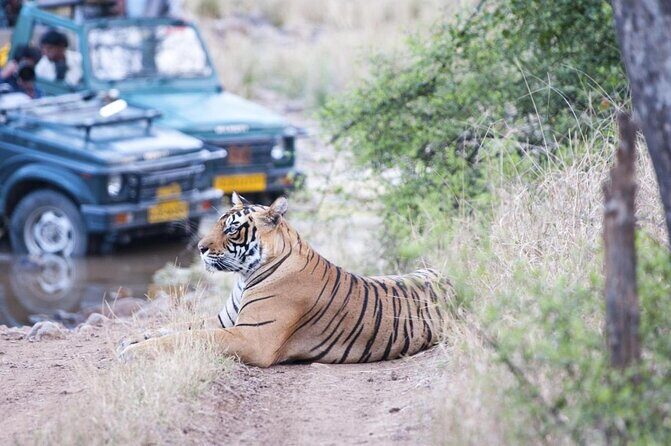
The highlight day is the Ranthambore National Park outing. Ranthambore is known as a Tiger Reserve and home for tigers and other wildlife. Your morning game drive runs roughly 6–9 am, lasting about 3–4 hours. It’s in a shared Jeep (canter), so you’ll be with other people and following the routes and rules of the park.
A quick reality check: wildlife viewing isn’t guaranteed. What you can control is timing and preparedness. This schedule gives you the best odds by going out early. Also, the tour notes that a few park zones close during monsoon season from July 1 to Sept 30 each year. If you’re traveling in those months, your wildlife route options may be reduced, even if the experience still happens.
What you’ll get is that thick “natural India” feel—quiet moments, then sudden bursts of movement when a sighting comes near. One review highlighted the thrill of spotting wildlife and even mentioned seeing a mother Bengal tiger. That’s the kind of payoff this safari is built for, even though your personal outcome can vary.
Tip: in the cold-to-warm swing of early mornings, layers help. If you freeze at dawn, you’ll enjoy the ride more with a light jacket, even in warmer seasons.
A few more New Delhi tours and experiences worth a look





Jaipur and Amer Fort: forts, palace views, and the stone observatory
On Day 3 you travel from Ranthambore to Jaipur, then check in for the night after the drive. This day is about transition plus getting you set up for a full sightseeing day the next morning.
Day 4 is your Jaipur day, with a private tour of Amer Fort and the city. Amer Fort is built into a hillside, and you start with an ascent to reach the entrance. That climb is part of why the fort feels dramatic—it sets up views and scale right away.
You then visit Maharaja City Palace, described as a seven-storey royal palace. Next up is Jantar Mantar, the stone observatory tied to astronomy and mathematic interest from around the world. This isn’t just “pretty architecture.” It’s also a chance to see how people tracked the sky long before modern instruments.
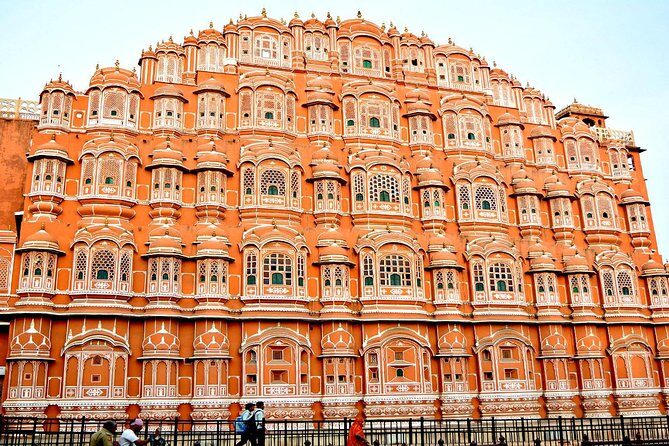
You also get photo opportunities at Hawa Mahal and Jal Mahal. Hawa Mahal’s iconic facade is all about light and windows, while Jal Mahal’s palace-by-the-water look is a visual pause point—especially if you’re traveling with camera time in mind.
Because entrances aren’t included, you’ll want to plan for those ticket costs on top. The upside is that the tour focuses on big-name sights that travelers often build entire days around anyway, so you’re not losing time to lesser stops.
Hotels, transport, and the small things that keep it smooth
The package includes AC car transfers and professional tour guides, with hotel nights in a 3/4/5 star range in twin sharing. That “range” phrasing is common, and it means your exact hotel might vary depending on availability. Still, the reviews pointed to “good hotels” and a smooth flow overall, which is what you want in a tight 5-day schedule.
Transport is a core part of the value here. You’re covering a Golden Triangle route plus a detour into tiger country, which means long road stretches. Having an included driver and AC car reduces the stress of figuring out transport across three cities and one wildlife hub.
One review also praised the driver, Pradeep, for careful and knowledgeable service. Another review thanked Mr. Halder for staying available through the trip. That combination—support staff plus a competent driver—often makes the difference between a frustrating schedule and a calm one when timing gets tight.
Also note: while the safari is in a shared jeep, your sightseeing and transfers are private to your group. So you’re not mixing with strangers all day; you’re mainly sharing during the wildlife drive.
What you should pack and plan for (so you don’t hate mornings)
This trip is heavy on early starts. Sunrise Taj is a 5:45 am pickup, and safari is another early window (6–9). So you’ll want to treat mornings like a priority, not an afterthought.
Pack practical basics:
- Comfortable walking shoes for forts and tombs
- A light layer for early mornings
- A small day bag for water and a snack
- If you’re paying for camera fees at monuments, bring any required camera gear and check your equipment policies before you arrive
Also, mentally budget for non-included costs: monument entrances and camera fees, plus lunch and extra tips. If you’re traveling with a set daily budget, leaving room for those makes the package feel much better.
Finally, keep an eye on closures: Lotus Temple is closed Mondays, and Taj Mahal is closed Fridays. Ranthambore has seasonal zone closures in monsoon season (July 1 to Sept 30). Your dates can matter.
Where this tour shines (and who it suits best)
This is a strong fit if you want:
- Big “first time in India” sights in Delhi, Agra, and Jaipur
- One standout wildlife day at Ranthambore
- A package that handles the driving and guide planning for you
- The chance to catch the Taj at sunrise rather than late-day crowds
It’s also a good choice for couples or small groups who like the comfort of private guiding while still being realistic about safari logistics (shared jeep/canter).
Where it may not be ideal is if you’re extremely flexible about your pace. You’ll be moving fairly steadily across regions. If you prefer long, slow days with minimal driving, you might feel it’s too much to pack into five days.
Should you book this 5-day Golden Triangle + Ranthambore safari?
If your dream trip mixes historic icons with the thrill of tiger country, this one is worth a serious look. The sunrise Taj setup plus the early Ranthambore drive gives you two high-impact experiences that happen only if timing is handled well—and this tour is built around those exact time windows.
I’d book it if you’re comfortable paying extra for monument entrances and you want the convenience of guides + AC transfers + hotel nights in a tight schedule. It’s also a good option if you value support from the company on the ground; the names Pradeep (driver) and Mr. Halder (support) came up in positive feedback tied to smooth execution.
Skip—or at least reconsider—if you’re traveling in peak monsoon season and wildlife zones might be reduced, or if you’re trying to keep your total spend super tight because lunches and entrance fees aren’t included.
FAQ
FAQ
Is pickup included?
Yes. You’re picked up from your Delhi hotel or the airport at the start of the tour, and on the last day you’re dropped off at your desired location in Delhi.
Does the tour include Ranthambore jungle safari?
Yes. You get an early morning jungle safari at Ranthambore Tiger Reserve in a shared Jeep (canter).
Are monument entrance fees included?
No. Monument entrances and camera fees are not included in the tour price.
When is the Taj Mahal sunrise visit?
You’re picked up around 5:45 am to visit the Taj Mahal at sunrise. The Taj Mahal is closed on Fridays.
Are there seasonal closures at Ranthambore?
Yes. Few zones at Ranthambore National Park are closed during the monsoon season, from July 1 to Sept 30 each year.
What kind of hotels and rooms are included?
You get 3/4/5 star hotel accommodation on a twin sharing basis, with dinner included and breakfast included four times.
Is the tour private?
It’s listed as a private tour/activity, meaning only your group participates. Note that the safari itself is in a shared Jeep (canter).