REVIEW · NEW DELHI
4 days Golden Triangle Tour
Book on Viator →Operated by Delhi Routes Tour Transport · Bookable on Viator
Golden Triangle works best when you remove the logistics. This private 4-day route from New Delhi strings together the classic hits—Delhi monuments, sunrise Taj Mahal, Agra Fort, Fatehpur Sikri, and Jaipur highlights—without you figuring out timing and driving each day.
What I like most is the hotel pickup and drop-off that starts the trip smoothly and keeps you from wasting hours on transit. I also love the private air-conditioned transport paired with a local guide, so you get context while moving between cities like a pro.
One thing to consider: entrance fees are not included, so you’ll want to budget for tickets on top of the $480 price.
In This Review
- Key things that make this Golden Triangle tour work
- Price and what $480 actually buys you for 4 days
- Delhi Day 1: Qutub Minar, Red Fort, and Akshardham with a reset at your hotel
- Day 2 Delhi to Agra: Jama Masjid and India Gate, then the Agra hotel night
- Day 3: Sunrise Taj Mahal, Agra Fort, Fatehpur Sikri, and the push to Jaipur
- Day 4 Jaipur essentials: Amber Fort, Hawa Mahal, Jal Mahal pass, Jantar Mantar, City Palace
- Comfort and timing: the private guide/driver advantage in plain terms
- Tickets, food, and what you should plan for (without overpaying)
- Who this 4-day Golden Triangle tour is best for
- Should you book this Golden Triangle tour?
- FAQ
- What is included in the price?
- Are monument entrance fees included?
- What cities and major sights are covered?
- How long is the tour and when does it start?
- Is pickup available from the airport and railway station?
- Is the transport private and air-conditioned?
- Is breakfast included every day?
- What is the dress code?
- What is the cancellation policy?
Key things that make this Golden Triangle tour work
- Hotel pickup and drop-off in New Delhi helps you start fresh each day without hunting meeting points.
- Private guide attention means you can ask questions and keep the pace aligned with your group.
- Air-conditioned coach or minivan makes the Delhi–Agra–Jaipur travel days far less tiring.
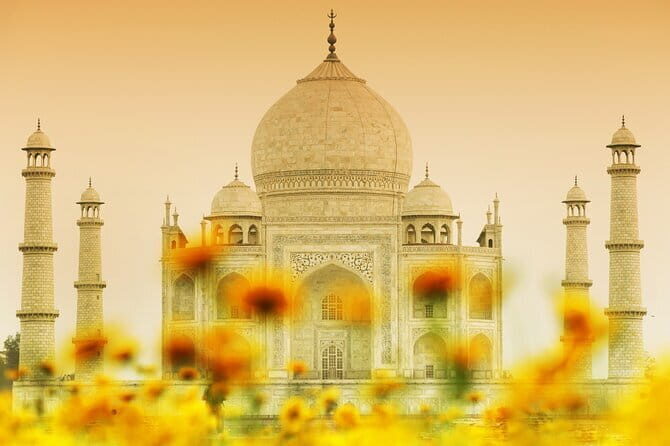
- Sunrise Taj Mahal visit on Day 3 is timed for that early-morning magic.
- Fatehpur Sikri transfer gives you the famous Ghost City stop between Agra and Jaipur.
- 3 included breakfasts and bottled water keep the trip practical, even with food not included.
Price and what $480 actually buys you for 4 days
At $480 per person, this Golden Triangle tour sits in the “pay for convenience” category. You’re paying for a guided plan, private transport, and hotel-to-hotel flow—exactly what you want when you’re new to India and don’t want to spend your limited time on navigation, ticket lines, and figuring out how to stitch cities together.
Here’s what’s included: hotel pickup and drop-off, private air-conditioned transport (coach or minivan), bottled water, and breakfast for 3 mornings. In other words, you’re not just booking sightseeing—you’re booking less stress. There’s also a mobile ticket, which is handy on the ground.
What’s not included: monument entrance fees and food/drinks. That matters because the Golden Triangle is ticket-heavy. The tour price covers your logistics and guidance, but your budget should also include site admissions and meals.
If you’re traveling as a small group, the listing also points to group discounts. That’s one of the best ways to squeeze extra value out of private touring: the more people you share transport and guide time with, the more it starts to feel like good value instead of a splurge.
A few more New Delhi tours and experiences worth a look


Delhi Day 1: Qutub Minar, Red Fort, and Akshardham with a reset at your hotel
Day 1 starts with pick-up from the airport, railway station, or a centrally located hotel, with a tour start time listed for 8:00 am. Your sightseeing begins in the late morning (the plan shows a 9:00 am start for the first day’s sightseeing), so in practice you’ll likely have a bit of travel time before the first stop. Either way, you’ll meet your guide and get put into “today is handled” mode fast.
Your Delhi highlights begin with Qutub Minar and Red Fort. These aren’t random monuments—they’re the kind of anchors that help you understand how Delhi grew into its role as a power center. Even if you’re not a total architecture nerd, Qutub Minar is the sort of landmark that clicks once your guide gives you the why-behind-the-what.
After lunch, the plan includes Akshardham Temple. This is a different flavor than the older Mughal and Sultanate-era sights. It’s more about scale, design, and the experience of the complex than the same historical layers you’ll see at Qutub Minar and Red Fort.
By evening, you’re transferred back to your Delhi hotel for an overnight stay. I like this approach for Day 1 because it prevents the common rookie problem: trying to do too much in too many places and then burning out before you even reach Agra.
Practical note: admission tickets aren’t included, so you’ll pay site entry separately. And the tour lists a smart casual dress code, so plan to look neat and feel comfortable (especially if you’ll be moving through temple areas).
Day 2 Delhi to Agra: Jama Masjid and India Gate, then the Agra hotel night
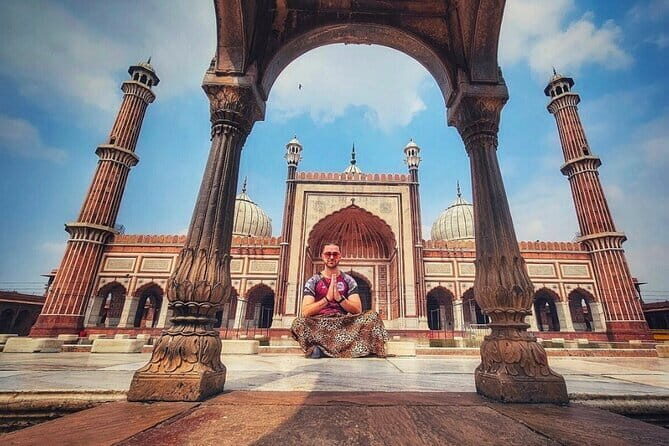
Breakfast kicks off Day 2, then you’ll tour Delhi again with Jama Masjid, India Gate, and Rashtrapati Bhawan. Together, they give you a quick sweep across Delhi’s spiritual landmark energy (Jama Masjid), plus the ceremonial and modern-state feel you get around India Gate and Rashtrapati Bhawan.
Lunch is included as a free choice from the plan structure, but the tour notes food isn’t included, so think of lunch as on you unless the operator builds it into a specific option. The more reliable part is that the guide keeps the day’s flow organized.
Then you drive to Agra and transfer to your hotel. That transfer is where the private transport really pays off. Between Delhi and Agra you don’t want to be mentally juggling directions, traffic, and timing. Having an air-conditioned vehicle ready—and someone coordinating your day—reduces fatigue so you can actually enjoy what comes next.
Day 2 also sets you up well for the big Day 3 highlight. You’ll wake up in Agra instead of starting a long day from scratch.
Day 3: Sunrise Taj Mahal, Agra Fort, Fatehpur Sikri, and the push to Jaipur
Day 3 is the most “bucket list” day. You’ll start with Taj Mahal at sunrise with your guide. Sunrise is a timing decision, not just a checkbox. It helps you experience Taj Mahal with fewer distractions and a softer light that makes the marble look different than in midday.
After the sunrise visit, you return to the hotel for breakfast, then you check out. Next up is Agra Fort, one of the area’s major historical strongholds. This is also where the tour includes time for shopping. It’s not a must-do, but it’s built into the day so you’re not stuck scrambling for a quick purchase window later.
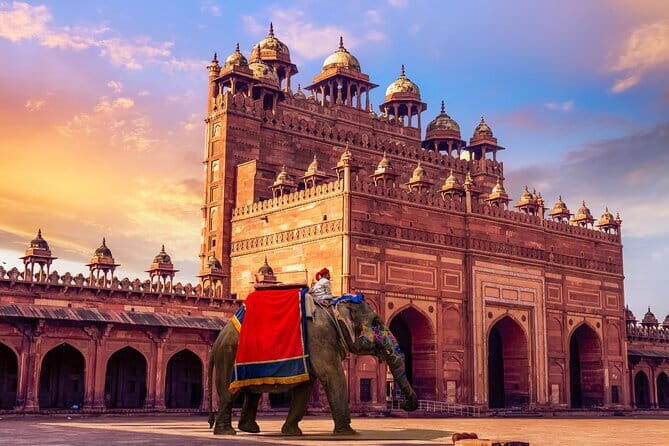
Then the route turns toward Fatehpur Sikri, described in the plan as THE GHOST CITY. This stop is a great example of why guided pacing matters. Fatehpur Sikri can feel like a series of ruins unless someone gives you the story of what happened here and why the place earned that eerie nickname.
Finally, you leave to Jaipur and enjoy lunch along the way (again, food is listed as not included, so expect to budget). You end the day with an overnight stay in Jaipur.
From a value standpoint, Day 3 is the pay-off day: sunrise Taj Mahal plus a major fort plus Fatehpur Sikri, all in one continuous arc. If you only had time for one “special” moment in the Golden Triangle, this is the one.
Day 4 Jaipur essentials: Amber Fort, Hawa Mahal, Jal Mahal pass, Jantar Mantar, City Palace
Your Jaipur day begins at 08:00 am with sightseeing led by your guide. The first major stop is Amber Fort, including an enjoyable ride as part of the plan. Amber Fort works well early because it’s one of those places where you want energy for photos and for reading the details your guide explains.
Then you’ll visit Hawa Mahal. Even if you’ve only seen photos before, seeing Hawa Mahal in person lands differently—its design is about repetition and rhythm, not just looks.
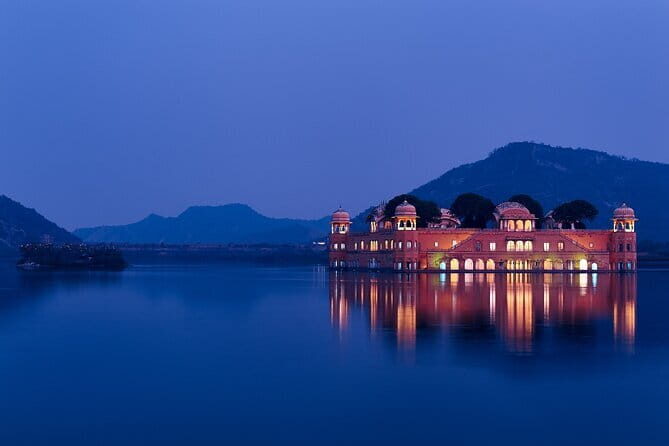
The plan also says you’ll drive past Jal Mahal. Even as a pass-by, it’s a useful contrast: after Amber’s fort energy and Hawa Mahal’s façade drama, Jal Mahal gives you a more scenic pause.
After lunch, you’ll head to Jantar Mantar and City Palace. This part of the day is where the tour shifts from landmark sightseeing to “how did they think?” Jantar Mantar is all about instruments and observation. City Palace adds the human-scale history behind the spectacle.
Finally, you get shopping time in Jaipur, with the plan noting Jaipur is famous for gems stones. That’s exactly the kind of structured shopping stop that private touring does well: you have guidance, timing, and time built in rather than wandering until you’re hungry and tired.
In the evening, you’ll drive back to Delhi for transfer to the airport, railway station, or centrally located hotel, and then you wrap up the 4 days with sweet memories and (hopefully) less stress than you’d have had DIY.






Comfort and timing: the private guide/driver advantage in plain terms
The big theme across the route is control. This isn’t a “show up and hope” tour. It’s built around pickup, planned driving, and guide-led transitions so you can focus on what you came for.
The private transport matters on the Golden Triangle because the distances are real and the days are packed. When you’re driving between cities, a cool vehicle plus a calm schedule is the difference between seeing monuments and surviving a travel marathon. Here, you’ll move in air-conditioned comfort with a private coach or minivan, and you’ll have bottled water on board.
Guide quality can make or break a tour, and the supplied feedback highlights that. Names that stand out include Pintu Chahar, who’s praised for making the trip feel personal and for having the day run smoothly around a group schedule. Another guide name you may hear is Chandan, described as excellent for a first-timer private India experience. Nasiba also comes up as a guide who helped the trip feel manageable. The key takeaway for you is simple: private touring only works when your guide is proactive, and the names attached to this experience suggest that’s the strength here.
Also, because it’s a private tour/activity, only your group participates. That usually means fewer awkward compromises over pace, bathroom breaks, or how long you want at a viewpoint.
Tickets, food, and what you should plan for (without overpaying)
This tour is very clear on what you don’t pay for upfront: monument entrance fees and food and drinks. That means the operator is structuring your spend into two lanes:
1) logistics + guiding (included)
2) site entry + meals (on you)
To avoid surprises, I’d treat the $480 as your base and then set aside extra for admissions and meals at each stop. Yes, it’s annoying, but it also gives you flexibility—if you don’t want to buy every optional add-on at a complex, you still control your day.
Breakfast is covered 3 mornings. That’s a smart inclusion because it stabilizes your mornings when you’re starting early for a major stop. Lunch and dinner being on you also means you’re not forced into low-choice meals when you’d rather grab something local close to your route.
Who this 4-day Golden Triangle tour is best for
This is a strong fit if you want:
- A private plan instead of a DIY scramble across three cities
- A guide for context at places that can feel like random landmarks without it
- Hotel pickup/drop-off in Delhi to reduce time loss on the first and last day
- One standout “timing win,” especially sunrise Taj Mahal
It’s also a good choice if you’re visiting for the first time and prefer not to solve India logistics at the same time you’re trying to enjoy major attractions.
If you’re the type who loves self-guided wandering and doesn’t mind organizing your own tickets and transport, you might find this style less appealing. But if you value convenience, this private structure is exactly what you’re paying for.
Should you book this Golden Triangle tour?
If you want the classic Golden Triangle—Delhi + Agra + Jaipur—but you’d rather spend your energy on the sights than on routing, this tour is a very practical way to do it. The combination of pickup/drop-off, private air-conditioned transport, and a guide who helps keep your day coherent is the real selling point.
I’d book it if:
- you want a guided, private pace
- you care about hitting sunrise Taj Mahal without stressing about timing
- you want structured sightseeing days with hotel stays handled
I’d pause before booking if:
- you hate budgeting separately for entrance fees
- you’re traveling with strict meal preferences and need lots of control over food choices
Bottom line: this is good value for the kind of trip you’re actually planning—a time-saving, logistics-light way to experience the Golden Triangle.
FAQ
What is included in the price?
The tour includes bottled water, hotel pickup and drop-off, transport by a private air-conditioned coach or minivan, and breakfast for 3 days. Entrance tickets and food/drinks are not included.
Are monument entrance fees included?
No. Monument entrance fees are not included, so you’ll need to pay for admissions at the sights.
What cities and major sights are covered?
The route covers Delhi sights such as Qutub Minar, Red Fort, Akshardham Temple, Jama Masjid, India Gate, and Rashtrapati Bhawan. In Agra you’ll see Taj Mahal (sunrise) and Agra Fort. The Jaipur day includes Amber Fort, Hawa Mahal, Jal Mahal (drive past), Jantar Mantar, and City Palace.
How long is the tour and when does it start?
The tour is 4 days. The start time is listed as 8:00 am, and the first day’s sightseeing is shown starting around 9:00 am after pick-up.
Is pickup available from the airport and railway station?
Yes. Pickup is offered from the airport, railway station, or a centrally located hotel in Delhi.
Is the transport private and air-conditioned?
Yes. You’ll travel by private air-conditioned coach or minivan.
Is breakfast included every day?
Breakfast is included 3 times (breakfast count is listed as 3). Other meals are not included.
What is the dress code?
The dress code is smart casual.
What is the cancellation policy?
You can cancel up to 3 days in advance for a full refund. If you cancel less than 3 days before the start time, the amount paid is not refunded. The policy also notes it depends on local time, and weather can affect operation with an option for a different date or a full refund.