REVIEW · JAIPUR
3 Hours Walking Tour In World Heritage Jaipur City
Book on Viator →Operated by Jaipur Heritage Tour · Bookable on Viator
Jaipur old city feels personal on foot. In just three hours, you trace the working heart of the Pink City—old bazaars, artisan lanes, and temple nooks—while learning why Maharaja Sawai Jai Singh II designed streets by craft. I especially love the focus on traditional workmanship and the way you walk away knowing what to look for in the architecture.
Two highlights for me: first, the artisan stops where you can see crafts in motion (including artists making wax bangles from scratch, if your route lines up with that workshop-style moment). Second, the food and tea break has real local flavor—milk masala tea (with ginger) and street bites like pyaaz kachori—so the walk feels like culture with snacks, not a museum sprint.
One thing to consider: this experience is weather-dependent. If conditions are poor, your tour may shift dates or be refunded, so plan your Jaipur day with a little flexibility.
In This Review
- Key Things to Know Before You Go
- Why This 3-Hour Jaipur Walk Works So Well
- Meeting Point at Aatish Market and the Pace You Should Expect
- Artisan Streets Where Work Looks Like a Daily Habit
- Haveli-Style Temples and the Architecture You Can Actually Spot
- Johari Bazaar Energy and the Craft-to-Glass Connection
- The Included Tea, Street Food, and What to Watch For
- Price and Value: Why $19.16 Can Actually Be a Good Deal
- Who Should Book This Walking Tour (and Who Might Skip It)
- Should You Book This 3-Hour Jaipur Heritage Walk?
- FAQ
- How long is the walking tour?
- How much does the 3-hour walking tour cost?
- Where does the tour start?
- Where does the tour end?
- What’s included in the price?
- What is not included?
- Is this a private tour?
- Is there any transportation provided?
- What if the weather is bad?
Key Things to Know Before You Go
- Three hours in the old city: A compact route designed for walking pace and frequent stops.
- Artisan streets by craft: You’ll learn how Jaipur’s planning supported trades like jewelry, gems, bangles, block printing, and marble carving.
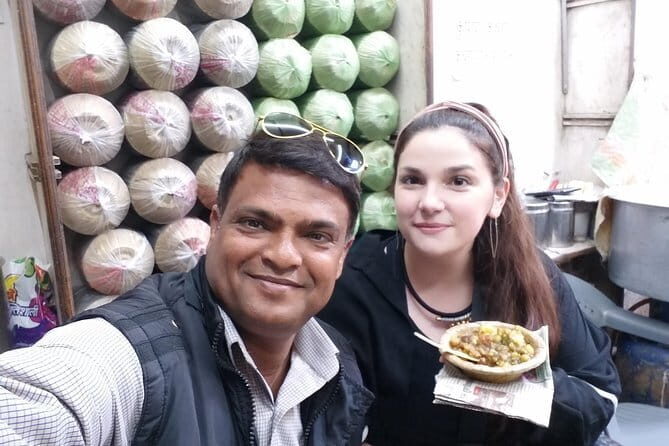
- Masala tea and street food are included: Expect milk tea with ginger plus bottled water.
- Private tour for your group: Only your group participates, so you get more of the guide’s attention.
- Guide matters here: The name you’ll hear most in the reviews is Lal Verma / Mr. Verma for clear English explanations.
Why This 3-Hour Jaipur Walk Works So Well
The appeal of this tour isn’t just that it’s “in Jaipur.” It’s that you’re walking through the city the way a local might—slow enough to notice details, focused enough to cover the old-market rhythm in a short window.
Jaipur’s old city layout was shaped with intention. Maharaja Sawai Jai Singh II (the founder of Jaipur) organized different street areas for different crafts—gems and jewelry, bangles, block printing, marble carving, and more. On this walk, that idea turns into something you can see: storefronts, workshop vibes, and the physical proof that trade is still part of the street life.
If you like travel that teaches you how to read what you’re seeing, this format helps a lot. You’re not just passing monuments—you’re learning the logic of the neighborhoods around them. And because the tour is about old markets plus haveli-style temples, it naturally mixes “everyday Jaipur” with “beautiful Jaipur.”
You can also read our reviews of more walking tours in Jaipur



Meeting Point at Aatish Market and the Pace You Should Expect
The tour starts at Isarlat Sargasooli WRFC+Q8G, near Aatish Market in the Gangori Bazaar area (listed with J.D.A. Market and Kanwar Nagar in the same area). It ends back at the meeting point, so you don’t have to manage a separate drop-off.
Your start time is listed as 12:00 am. That’s unusual for most walking tours, so I’d treat it as a “confirm your exact slot” moment when you book. The good news: the meeting area is near public transportation, so you won’t be stuck fighting the city’s timing if you’re arriving from elsewhere in Jaipur.
In terms of pacing, three hours is enough time to feel the old-city character without exhausting you. You’ll likely be stopping often—at market corners, craft lanes, and temple/heritage spots—so wear comfortable shoes. Jaipur’s streets can be uneven, and the best views often come from slowing down, not speeding through.
Artisan Streets Where Work Looks Like a Daily Habit
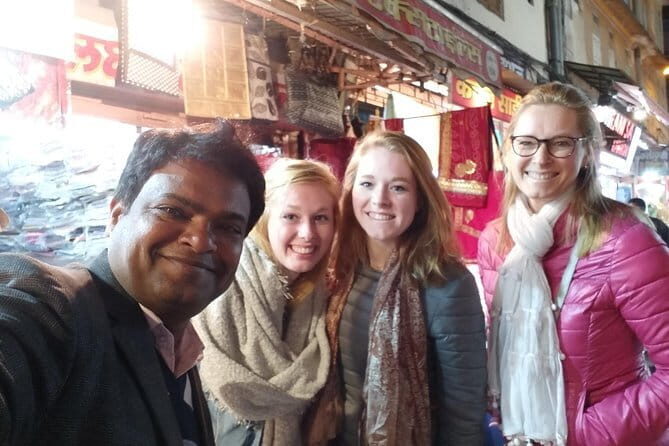
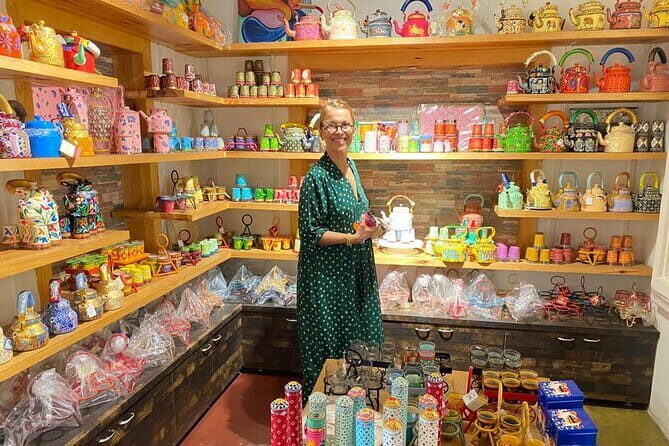
This is one of the strongest parts of the experience: the tour intentionally moves through old markets and the streets where artisans make and sell. That’s a big difference from a “quick photo stop” tour. When you’re watching crafts happen—hands busy, materials out, patterns and tools visible—the city feels less like scenery and more like an active workplace.
One of the most praised moments in the reviews is meeting craft artists, including a scene where wax bangles are made from scratch. Even if your route doesn’t include the exact same workshop-style stop, you’ll still see the general idea: Jaipur’s crafts aren’t just souvenirs; they’re skills passed through generations.
What I like about this approach is that it helps you shop smarter. Once you understand what craft involves—time, technique, materials—you’re less likely to feel lost in the sales pitch. You can browse with your eyes open and ask better questions about what you’re actually looking at.
You’re also likely to pass the kinds of lanes tied to jewelry and gems, bangles, block printing, and marble carving—exactly the trades that Jaipur’s founder helped concentrate. That structure makes it easier to connect “what you see” with “why it’s here.”
Haveli-Style Temples and the Architecture You Can Actually Spot
The tour includes temples connected to haveli-style architecture. That matters because haveli design is about more than looks—it’s a way of organizing space, privacy, courtyards, and ornament in a dense old city environment.
On a walking route, you get advantages you can’t get from a bus:
- You can notice ornament up close.
- You can see how architecture lines up with street life.
- You can understand why certain buildings feel tucked in rather than exposed.
Even if you’re not an architecture nerd, haveli features usually show up as a mix of carved detail, inner-space cues, and a sense of layered building fronts. The guides can connect these visuals to the broader cultural logic behind the city’s design.
This stop style also balances the tour. Markets can be loud and crowded. Temples and haveli-style structures give you brief, calmer focus—places where the city’s aesthetics become easier to read.
Johari Bazaar Energy and the Craft-to-Glass Connection
One review highlights the Johari Bazaar, which is a major name in Jaipur for jewelry and gem shopping. If your route includes it, you’ll get a strong sense of what Jaipur does best: turning materials into identity.
Here’s what to do if you want the most value from a bazaar stop. Don’t treat it like a store marathon. Instead:
- Find a craft or product category that interests you (jewelry styles, bangles, printing patterns).
- Ask what makes one item different from another.
- Compare two places, not twelve.
A good walking tour guide helps with this because they can steer you toward what’s worth your time. In the reviews, the guide’s ability to explain details clearly in English comes up again and again—Lal Verma / Mr. Verma is specifically praised for making history and culture understandable, not just recited.
So Johari Bazaar is more than shopping. With the right narration, it becomes a lesson in Jaipur’s social and economic heartbeat—how beauty and trade share the same street.
You can also read our reviews of more city tours in Jaipur





The Included Tea, Street Food, and What to Watch For
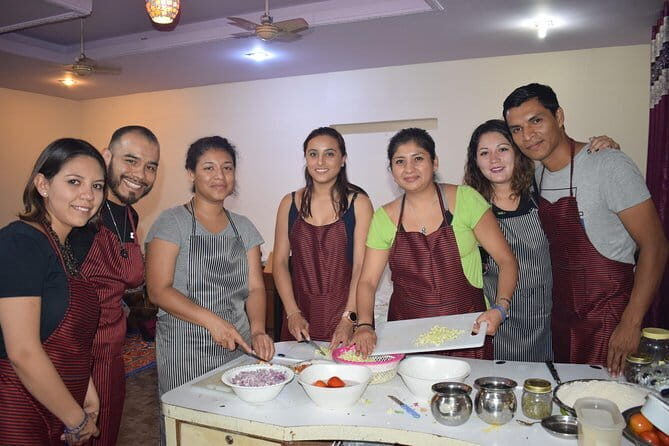
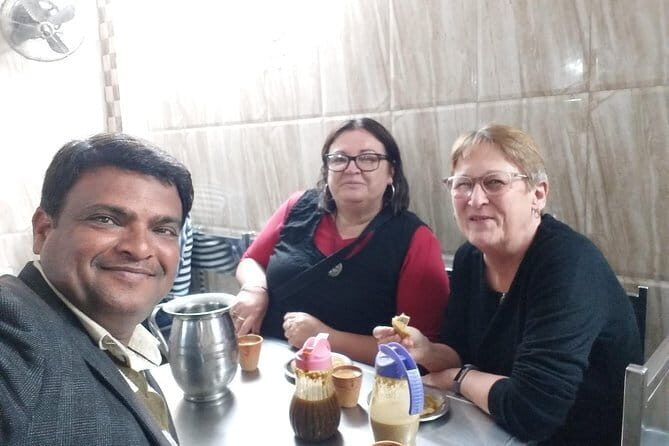
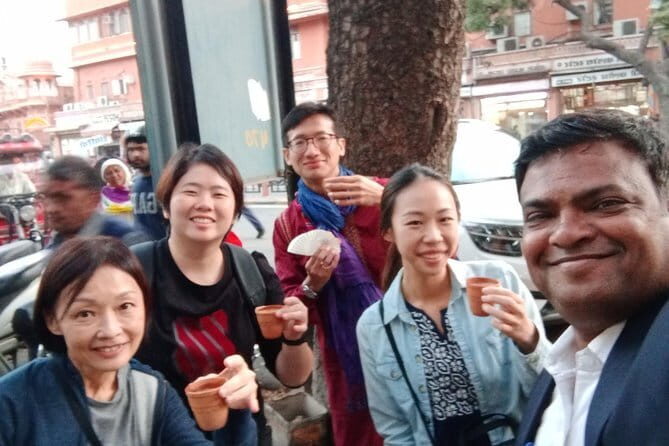
Food stops are included, and this is another reason the tour gets solid marks. You get coffee and/or tea, milk masala tea with ginger, street food, and bottled water.
If you’re the type who fears walking tours where food is a vague “snack somewhere,” don’t worry here. One of the review highlights calls out pyaaz kachori and chai at Samrat Hotel. That combination is classic Jaipur street comfort: spicy-savory filling plus tea that steadies the heat.
What I think is practical about including food on a guided route is pacing. Markets are active, so you need a mid-walk reset. Tea also gives you a natural moment to slow down, ask questions, and get recommendations for what to try later.
A small practical note: street food can be spice-heavy. If you have a sensitive stomach or you’re traveling with kids, you can still enjoy the experience—just start with smaller bites and sip water.
Price and Value: Why $19.16 Can Actually Be a Good Deal

At $19.16 per person for an approximately three-hour private walking tour, the value comes down to two things: what’s included and how much of the guide’s time you get.
This price includes refreshments (tea/coffee), milk masala tea with ginger, bottled water, and street food. That alone can soften the cost of doing “old city experiences” on your own, where you end up paying for every tiny stop.
The other part is the guide-led focus. This is not presented as a self-guided wander. Reviews emphasize that Lal Verma / Mr. Verma explains heritage sites and culture clearly in English, and the tour feels structured around learning what you’re looking at. When you’re paying around twenty bucks, you’re not expecting luxury—you’re expecting useful narration, the right route flow, and a few stops you’d miss without local context.
Also, it’s listed as a private tour/activity. That means your group stays together, and the guide can adapt pace and questions. For couples or small groups, private format often feels like getting a personal local consultant for a morning/afternoon-style window.
One thing to be aware of: private transportation isn’t included. That’s normal for walking tours, but it affects planning. You’ll want to use local transport or walk to the meeting area since it’s near public transportation.
Who Should Book This Walking Tour (and Who Might Skip It)
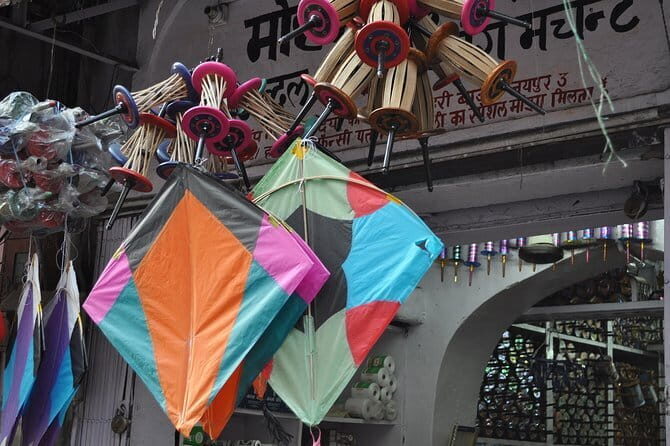
This tour is a great fit if you:
- Want to understand Jaipur’s old city instead of just ticking off landmarks.
- Like markets, crafts, and small heritage details.
- Enjoy food and tea breaks as part of the experience.
- Appreciate guides who explain history in plain English—especially Lal Verma / Mr. Verma, based on the strong review pattern.
You might want to reconsider if you:
- Have trouble walking uneven streets for three hours.
- Don’t enjoy crowded bazaar areas (the old city can be lively).
- Are scheduling on a day with unpredictable weather, since the experience requires good conditions.
If you’re short on time in Jaipur, this is a strong way to get “the feel” of the old city quickly. It’s also a good pre-step before you start shopping seriously, because you’ll know what to ask and what to notice.
Should You Book This 3-Hour Jaipur Heritage Walk?
If you want a practical, heritage-meets-market experience, I’d book it—especially if you enjoy artisan streets and learning how Jaipur’s craft-focused planning shaped what you see today.
Choose it when you care about:
- Street-level culture (workshops, artisan lanes, markets).
- Guided interpretation of haveli-style temple architecture.
- Included tea and street food, so you can keep walking without stopping your day for meals.
Skip it or reschedule if the forecast looks rough, since weather can change plans. And if you’re picky about timing, double-check the listed start time in your booking confirmation because the schedule is shown as 12:00 am.
Overall, for the price and length, this looks like a smart “first taste” of old Jaipur—structured enough to be worthwhile, flexible enough to keep it fun.
FAQ
How long is the walking tour?
The tour is approximately 3 hours.
How much does the 3-hour walking tour cost?
It’s listed at $19.16 per person.
Where does the tour start?
It starts at Isarlat Sargasooli WRFC+Q8G, near Aatish Market in the Gangori Bazaar area of Jaipur, Rajasthan 302002.
Where does the tour end?
The activity ends back at the meeting point.
What’s included in the price?
The tour includes coffee and/or tea, fresh street food, milk tea with ginger (masala tea), and bottled water.
What is not included?
Meals and private transportation are not included.
Is this a private tour?
Yes. Only your group will participate.
Is there any transportation provided?
Private transportation is not provided, though the meeting point is near public transportation.
What if the weather is bad?
The experience requires good weather. If it’s canceled due to poor weather, you’ll be offered a different date or a full refund.