REVIEW · NEW DELHI
3 Days Private Golden Triangle Tour by SUV Car from Delhi
Book on Viator →Operated by Raj Tour and Travel-Agra · Bookable on Viator
Three cities in three days feels ambitious. This private Golden Triangle plan keeps it doable with smooth SUV time and real sight-by-sight pacing. You’ll hit the big names: Qutub Minar and India Gate in Delhi, the sunrise Taj Mahal experience in Agra, then Jaipur’s forts and palaces.
I really like two things here. First, the hotel pickup and drop-off (or airport pickup if you prefer) means you’re not figuring out local transport on day one. Second, you travel with an English-speaking live guide across all cities, so the stops make sense fast instead of feeling like a checklist.
One drawback to plan around: monument entry tickets and your hotel stay are not included, so your final cost will depend on how you choose to handle ticketing and where you book accommodation. Also, some stops have timing rules, like the Lotus Temple being closed on Mondays.
In This Review
- Key highlights you’ll feel right away
- A 3-Day Golden Triangle Plan That Minimizes Time Lost
- Delhi Half-Day: Qutub Minar, Lotus Temple, India Gate, and a Parliament Drive-By
- The Agra Transfer: Smooth Expressway Time Before You Check In
- Sunrise Taj Mahal and Agra Fort in One Focused Morning
- Fatehpur Sikri on the Way to Jaipur: A Pause That Changes the Mood
- Jaipur’s Big Hits in Day 3: Amber Fort, Jal Mahal, Hawa Mahal, City Palace
- What You’re Actually Paying For: Price, Extras, and Value
- Small Inclusions That Matter (Like the Battery Cab Near the Taj)
- Who This Tour Suits Best
- Should You Book This Private Golden Triangle Tour from Delhi?
- FAQ
- What time does pickup start in Delhi?
- Is the Taj Mahal entrance fee included?
- Are hotel accommodations included for the two nights?
- What’s included in the tour besides the guide and vehicle?
- Is the Lotus Temple always open?
- Can I cancel for a full refund?
Key highlights you’ll feel right away

- Hotel pickup and a private, air-conditioned SUV keep the long drives comfortable
- Sunrise Taj Mahal timing gets you there when crowds can be lighter and the mood is better
- Battery cab ride near the Taj Mahal is included, saving you from extra walking
- An expert guide in every city helps you understand what you’re seeing and where to look
- Fatehpur Sikri stop on the way to Jaipur adds a major historical highlight without derailing the route
- Guides named Nadeem, Amit, Jimmy, and Amar have been praised for smooth pacing, helpful local tips, and good food suggestions
A 3-Day Golden Triangle Plan That Minimizes Time Lost

A Golden Triangle trip lives or dies by logistics. This one works because it’s built around private door-to-door pickup, one vehicle, and a guide who moves with your pace instead of forcing a rigid group shuffle. In practical terms, you spend more time looking up at monuments and less time negotiating transport.
The route is classic for a reason: Delhi sets the modern-and-imperial tone, Agra delivers the world-famous centerpiece, and Jaipur gives you Rajasthan’s fort-and-palace style in a compact block. The “private” part matters here, especially if you want to ask questions, pause for photos, or adjust a little when something runs behind schedule.
Still, three days isn’t “slow travel.” You’ll be on the move every day, with the Delhi-to-Agra drive taking a few hours on the expressway. If your ideal trip is long museum stays and leisurely cafés all day, you might feel rushed. If you like structured highlights done smart, this hits the sweet spot.
You can also read our reviews of more private tours in New Delhi


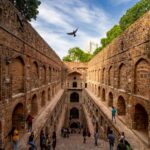
Delhi Half-Day: Qutub Minar, Lotus Temple, India Gate, and a Parliament Drive-By
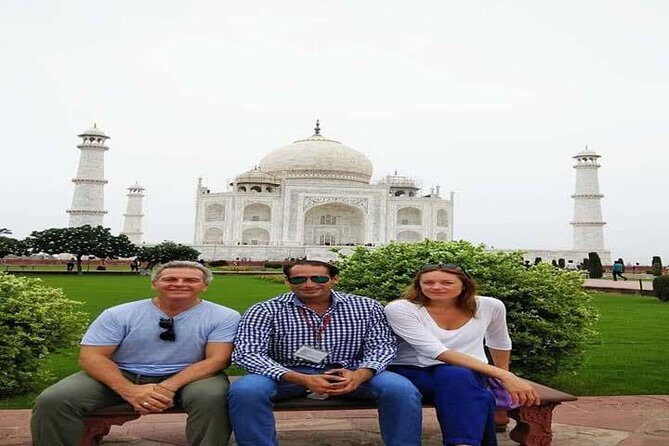
Your Delhi day starts with pickup around 8:00 am. From there, the plan is a tight half-day loop that mixes UNESCO-level sights with iconic landmarks you’ll recognize instantly.
Qutub Minar is the first stop and it’s a strong opener. It’s a UNESCO World Heritage site associated with Qutub-ud-din Aibek, and it’s the kind of place where a guide can point out details that most people miss just by walking in. The ticket isn’t included, so you’ll want to budget separately for entry.
Next comes the Lotus Temple, also known as the Bahai Temple. Expect a calm, photogenic stop with a different feel from the stone-and-age aura of Qutub Minar. The important consideration: it’s closed on Mondays. If your dates land on a Monday, you’ll want the guide to confirm the plan in advance so you’re not stuck outside.
Then you roll to India Gate, located at the heart of New Delhi. It was built by Edwin Lutyens in 1921 and commemorates members of the former British Indian Army. After independence, it became the site of Amar Jawan Jyoti, the Indian Army’s Tomb of the Unknown Soldier. This is a great “pause and look” moment, especially if you like how monuments tell shifting stories.
Finally, you get a photo-and-sight drive past major government buildings, including Parliament House, plus the President’s Palace and Secretariat buildings. This part is valuable because it’s low-effort sightseeing: you see a lot without losing time to walking.
Your Delhi day ends with a drive of roughly 3–4 hours to Agra, then hotel check-in for the night. If you’re someone who hates arriving exhausted, choose a hotel with an easy check-in process and keep your daypack light.
The Agra Transfer: Smooth Expressway Time Before You Check In
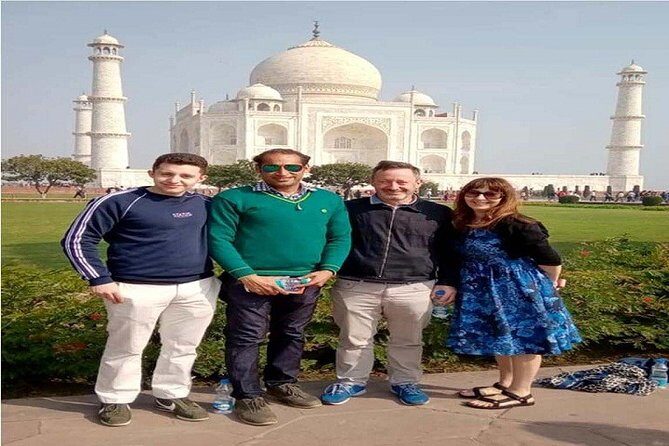
The drive to Agra is where comfort really matters. This tour uses an experienced driver and a private air-conditioned SUV, which helps a lot on the expressway stretch. You’ll arrive and check into your hotel, then reset for an early start the next morning.
One thing I’d watch here: after a long sightseeing morning, Agra arrival can feel like the “cool-down moment” where you decide what you want to do for the evening. Since the hotel itself isn’t included, you’ll want to pick somewhere with solid location access and not rely on long rides after you get in.
The good news is you don’t spend your precious first hours in Agra traveling around. You’re already positioned to start early for the main event.
Sunrise Taj Mahal and Agra Fort in One Focused Morning
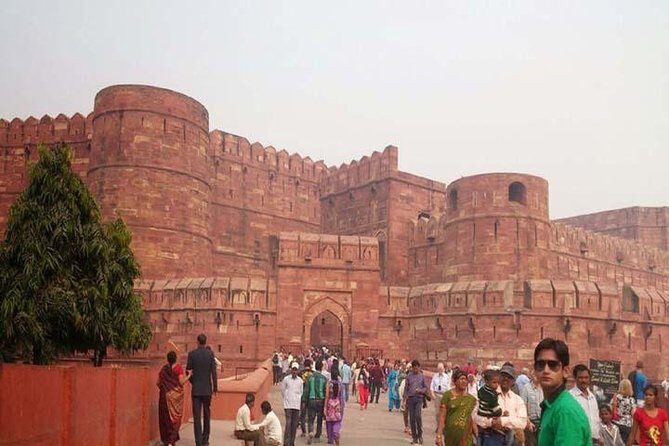
Day two is built around a simple idea: if you’re going to do the Taj Mahal, do it when the day is still new. You start early for a sunrise Taj Mahal viewing, and it’s timed to give you that first look before the day fully kicks into motion.
The Taj Mahal stop is about the mausoleum complex commissioned in 1632 by Shah Jahan for his beloved wife. Even if you know the headline story, the sunrise timing changes the experience. Light makes marble look different, shadows behave better for photos, and the whole place feels less like a daytime billboard and more like a monument you’re actually standing in front of.
After the Taj visit, you return back to your hotel for breakfast. That’s not a small detail. Long mornings can turn into a grumpy day fast, and returning for breakfast means you don’t burn energy hunting for food.
Next up is Agra Fort, a historical fort where Mughal emperors lived until 1638, when the capital moved from Agra to Delhi. It’s a strong pairing with the Taj Mahal because it adds “power and residence” context, not just the final resting place.
Both the Taj and Agra Fort have entrance tickets not included, so plan your day budget for those. But from a value standpoint, the structure is good: you’re not paying extra time for unnecessary transit, and you’re seeing two major Agra sights in a tight, logical sequence.
Fatehpur Sikri on the Way to Jaipur: A Pause That Changes the Mood
On day two, after Agra you drive onward toward Jaipur. The itinerary includes a major stop en route: Fatehpur Sikri, described as a preserved ghost town, with about 3 hours on-site.
Fatehpur Sikri can change the whole trip mood. In Delhi, you get city energy. In Agra, you get iconic romance and scale. Fatehpur Sikri gives you a different kind of atmosphere: stillness, stone, and a sense of place that feels removed from the present.
The route also mentions Buland Darwaza, which you’ll see as part of this stop. This is the kind of add-on that many “rush tours” skip. Here, you’re given enough time to actually look around instead of taking one photo and sprinting back to the car.
Then you continue to Jaipur for check-in and the overnight. If you’re the type who likes to end your day with something low-effort, this is a good spot to do it—your day is already packed, so don’t schedule anything too ambitious after you arrive.
A few more New Delhi tours and experiences worth a look





Jaipur’s Big Hits in Day 3: Amber Fort, Jal Mahal, Hawa Mahal, City Palace
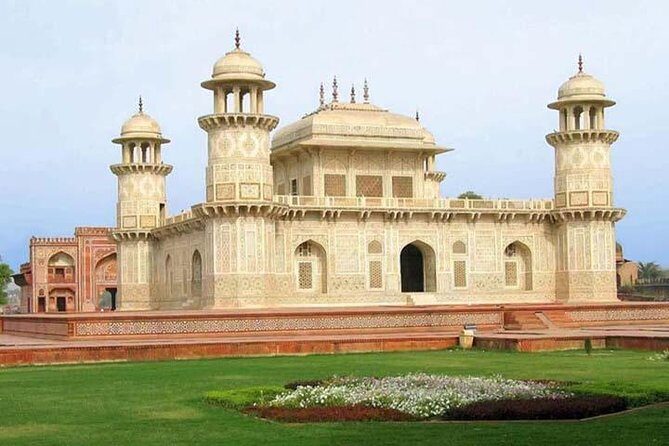
Day three starts after breakfast. Jaipur is where the “Golden Triangle” shape becomes obvious—forts above you, palaces in the middle distance, and views that make you want to stop every few minutes.
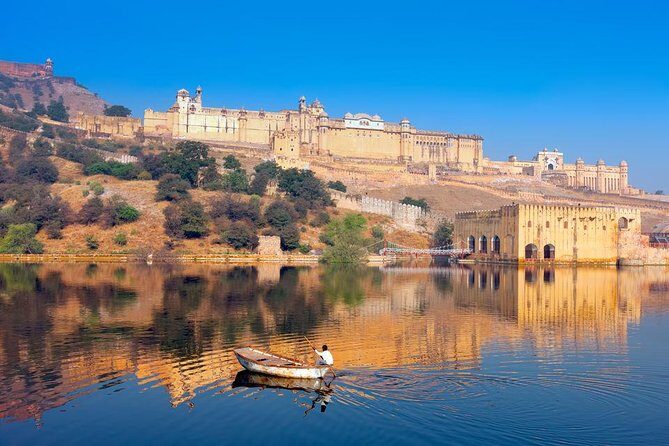
The first major stop is Amber Palace (Amber Fort), located on a hilltop. The tour frames it around Maharaja Sawai Jai Singh II, the founder and ruler of Jaipur city, and the fort’s personalization under his reign. Amber Fort works best when you have time to absorb the layout. With about 2 hours, you get a real chance to wander rather than only glance.
Next is Jal Mahal, described as a palace in the middle of Man Sagar Lake. This is one of those stops where you should manage expectations. You’re mostly looking at the setting and the views rather than expecting a long interior visit. The time here is around 30 minutes, which is exactly right if your goal is to see the landmark without stealing time from stronger stops.
Then comes Hawa Mahal, the Palace of Wind. The tour notes it was built in 1799 by Maharaja Sawai Pratap Singh, inspired by a structure called Khetri Mahal. It also points out that later preservation support is tied to the corporate sector and organizations like Unit Trust of India. This context helps you understand why the building exists in the modern city the way it does—more than just a pretty façade.
You’ll also get City Palace of Jaipur, the palace complex that served as the seat of the Maharaja of Jaipur and is linked to the Kachwaha Rajput clan. With about 1 hour, you’ll get enough time to appreciate the scale and role of the palace complex without turning the day into a museum marathon.
Finally, in the afternoon you drive back to Delhi and drop off at your hotel or the airport. This end-of-trip transfer can feel long, so keep water on hand and plan to keep your phone charged for maps and photos.
What You’re Actually Paying For: Price, Extras, and Value
At $250 for a 3-day private tour by SUV from Delhi, the value comes from what’s included: private air-conditioned transport, an English-speaking guide, and hotel pickup and drop-off (plus a battery cab ride near the Taj Mahal). Those items often cost real money when you book them separately.
Your main “extra” costs are clear: monument entrance fees and hotel accommodation. Since the entrances aren’t included, you’ll want to decide ahead of time whether you’ll buy tickets on-site or arrange them through your guide. Either way, budget for them so you don’t get surprised.
Gratuities for driver and guide aren’t included either. That’s a normal add-on on private tours, and it matters because it affects the level of care you receive. If you’re satisfied with pace, explanations, and smooth driving, plan for tipping.
Also note: the tour mentions group discounts and mobile ticket. The mobile ticket detail is helpful because it reduces ticket-handling hassle. The group discount part is a potential plus if you’re traveling as a larger party, but the real win here is still the private comfort and guide time.
Small Inclusions That Matter (Like the Battery Cab Near the Taj)
The most practical inclusion is the battery cab ride near the Taj Mahal. That’s the kind of thing you don’t think about until you’re standing near the entrance area and realizing how tiring it can get. With a cab included, you save energy for what you came for: looking up, taking photos, and managing the early morning.
The other “small but helpful” item is the tour’s structure: live guiding in all cities plus a private vehicle. That combination reduces the time you’d normally spend figuring out where to go next. You can focus on landmarks and explanations rather than logistics.
If you have mobility concerns, this plan can still work because it uses a vehicle for transfers. Just remember that entrance sites may still involve walking once you’re on-site, and the included cab is specifically mentioned for near the Taj area, not for every stop.
Who This Tour Suits Best
This tour fits best if you want the Golden Triangle highlights with a guide and a vehicle, without spending your days coordinating buses or trains.
It’s ideal for:
- Couples and small groups who want privacy and comfort
- People who like mornings that start early when the payoff is big, like sunrise at the Taj
- Anyone who wants context at major monuments, not just photos
It may feel less ideal if:
- You hate early starts and long drive days
- You prefer unstructured travel where you wander without a fixed sequence
- You’d rather spend extra time in one city than cover all three
A nice thing from the experience feedback is that guides like Nadeem, Amit, Jimmy, and Amar have been praised for smooth timing and even practical food suggestions, including roadside stops in Jaipur. That kind of guidance helps you make the day work in real life, not just on paper.
Should You Book This Private Golden Triangle Tour from Delhi?
If you want the Taj Mahal, Agra Fort, and Jaipur’s headline sights in a tight 3-day schedule, I think this is a solid booking. The private SUV comfort, the English guide in every city, and the included battery cab near the Taj are the core reasons it holds up.
Before you book, do two reality-checks:
- Confirm your extra budget for entrance tickets and your hotel cost, since those are not included.
- Check your travel day against the Lotus Temple Monday closure, so you aren’t planning on a stop that can’t be done that day.
If that’s all manageable for you, this tour is a practical way to do India’s Golden Triangle without wasting half the trip on transit headaches.
FAQ
What time does pickup start in Delhi?
Pickup is scheduled at 8:00 am from your hotel, airport, or your desired location in New Delhi.
Is the Taj Mahal entrance fee included?
No. Monument entrance fees are not included, so you’ll need to pay for tickets separately for the sites you visit.
Are hotel accommodations included for the two nights?
No. Hotel accommodation is not included, so you’ll book your own hotels for the Agra and Jaipur overnights.
What’s included in the tour besides the guide and vehicle?
The tour includes hotel pickup and drop-off, transport by a private air-conditioned SUV, a battery cab ride near the Taj Mahal, and a live tour guide in all cities.
Is the Lotus Temple always open?
No. The Lotus Temple is closed on Mondays.
Can I cancel for a full refund?
Yes. Free cancellation is available, and you can cancel up to 24 hours in advance for a full refund. If you cancel less than 24 hours before the start time, the amount paid is not refunded.