REVIEW · INDIA
Delhi Half Day Slum Walking Tour with Guide
Book on GetYourGuide →Operated by Delhi Day Tour · Bookable on GetYourGuide
A South Delhi slum walk changes your map of Delhi. This half-day experience is built for safe, respectful street-level understanding of daily life, from small workplaces to school and beyond. You’ll see how community holds people together, even when resources are tight.
I like that the tour is led by an English-speaking story teller and guide, with space for questions and clear explanations. I also like the practical route design: you move through markets, small residences, and community spaces like a Hindu temple, then finish with a rooftop view that helps everything click.
One drawback to consider: it’s not for everyone. The tour isn’t suitable for wheelchair users or pregnant women, and you’ll need modest clothing plus closed-toe shoes because some areas can be dirty, especially during monsoon months.
In This Review
- Key Takeaways Before You Go
- Why This South Delhi Slum Walk Feels Different
- Your English Guide and the Pace That Keeps It Human
- Markets, Small Workplaces, and the Rhythm of Daily Life
- The Hindu Temple Stop: Why Religion Shows Up Every Day
- Education, Sanitation, and Health: Learning Without Making It a Show
- Rooftop View: Perspective You Can’t Get From a Bus
- Safety, Respect, and the Rules That Protect Everyone
- Price and Value: Is $67 Worth a Half-Day?
- Who This Tour Suits Best
- Should You Book This Delhi Half-Day Slum Walking Tour?
- FAQ
- Is the tour offered in English?
- What should I bring for the Delhi slum walking tour?
- What clothing is required?
- Does the tour include hotel pickup and drop-off?
- What places will we visit during the walk?
- Are pets or alcohol allowed?
- Is this tour suitable for wheelchair users?
- Can I reserve now and pay later?
Key Takeaways Before You Go
- A guide who prioritizes respect and safety so you can walk the alleys without being intrusive
- Close-up sights of everyday economics, including small-scale industries and nearby homes
- A clear learning path through the Hindu temple, local markets, school, and then a rooftop view
- Real-life topics like education, sanitation, and health, explained in a grounded way
- Hotel pickup and an AC car make the start and end stress-free
Why This South Delhi Slum Walk Feels Different
A slum tour can go wrong fast. It can turn people into a photo prop, or turn your curiosity into noise. This one is designed to do the opposite: move slowly, stay respectful, and keep the focus on lived reality.
The strongest part for me is the way the walk connects the dots. You don’t just see buildings or streets. You understand why daily life runs the way it does—through work, schooling, religion, and the practical challenges of sanitation and health. It’s less about shock value and more about perspective, the kind you carry for the rest of your trip.
Also, you’re not just touring a neighborhood in theory. You’re walking through the colony as it functions—passing by small homes, moving through local markets, and seeing how people build community around shared spaces and routines.
You can also read our reviews of more tours and experiences in India.


Your English Guide and the Pace That Keeps It Human
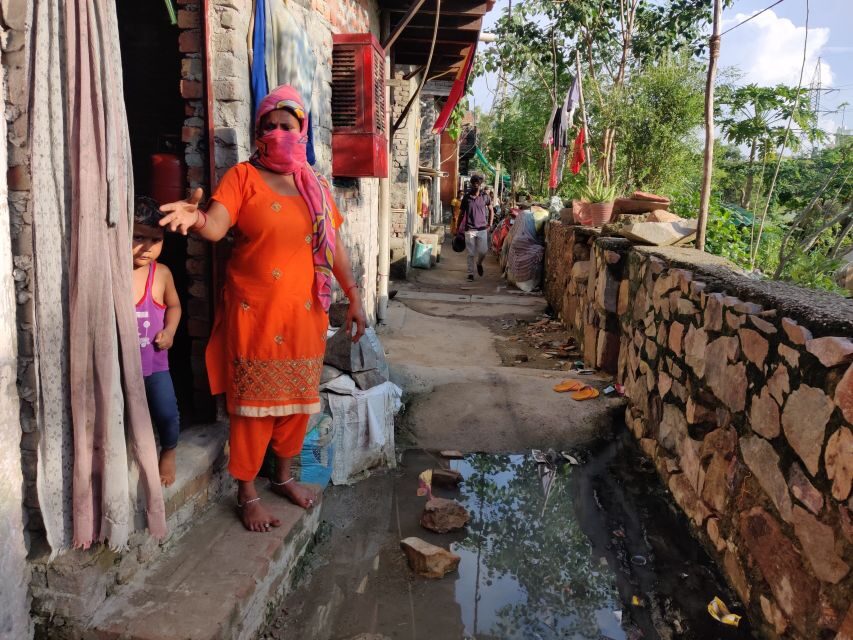
This tour runs with an English-speaking story teller and guide, and the guides’ job is more than pointing. They tell the story of the area in a way that makes the information usable, not vague. In particular, I really like that guides such as Rahman and Sunil are described as engaging and clear, with English that works well when you’re asking questions.
In my view, that matters because slums can be confusing for first-timers. You might wonder: who does what, what institutions do what, and why religion or schooling shows up where it does. A good guide helps you connect daily scenes to the bigger social and economic realities—without turning it into a lecture.
One more practical note: the tour includes pickup and drop at your hotel, plus transfers by air-conditioned car. That keeps you from wasting your “half day” fighting traffic or finding the right meeting point.
Markets, Small Workplaces, and the Rhythm of Daily Life
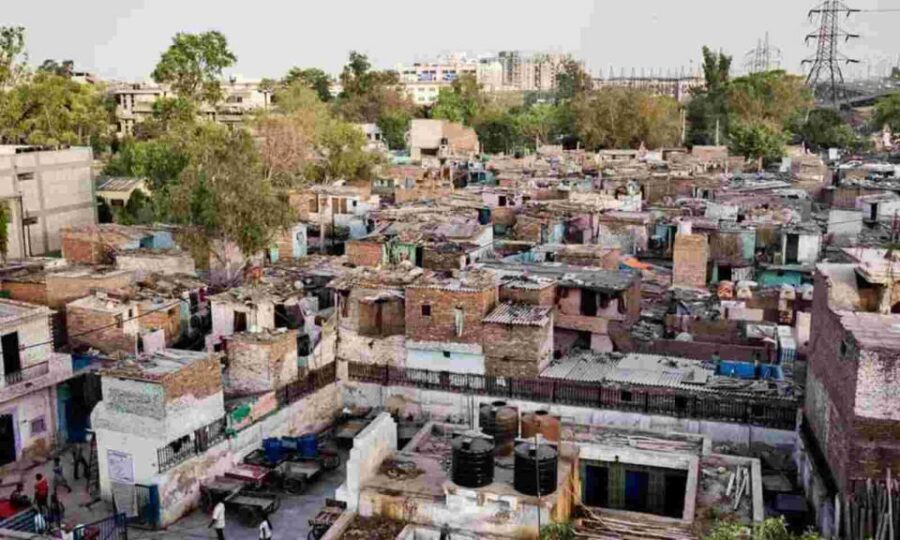
The walk is built around the spaces where daily life happens. Expect to pass through local markets and around small scale industries, alongside small residences in the colony. This is the part that helps you see what people’s days actually revolve around.
Markets are especially useful because they’re a mini-economy you can observe in real time. You’ll get a sense of how people buy, sell, and share information. Even if you don’t shop, you’re learning how trade and community chatter support survival and stability.
The small industries stop (and the surrounding areas) also help you understand the economic layer of the neighborhood. You see that “slum” isn’t just a label; it’s a range of livelihoods, often tied to informal work and tight margins. A careful guide will keep this from feeling like a spectacle. The goal is comprehension.
What you should know before you go: this is a walking tour through areas where conditions can be rough. That’s why comfortable closed-toe shoes are non-negotiable. You’ll be moving, and the ground can be uneven or dirty depending on the season.
The Hindu Temple Stop: Why Religion Shows Up Every Day
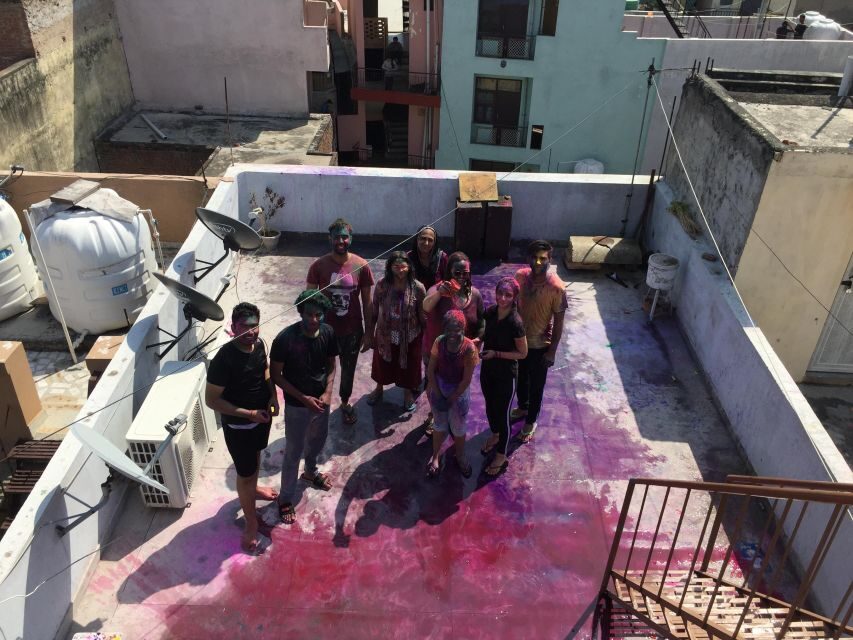
Religion here isn’t just a building on the route. The tour includes a passage through a Hindu temple in the colony, and it explains why religion matters to people living there.
I like this stop because it’s easy to miss the spiritual glue in travel storytelling. Many visitors focus on material hardship alone. But community life also depends on meaning, routine, and shared belief. A temple stop gives you a grounded look at how faith supports identity and social ties, especially in places where resources can be unpredictable.
This is also a good moment to slow down. As you pass through and learn, you’ll see how the colony organizes itself around collective spaces—where people gather, reflect, and stay connected.
Just remember the general rule: modest clothing is required, and you’ll want to stay mindful of the sacred nature of the site while walking through.
Education, Sanitation, and Health: Learning Without Making It a Show
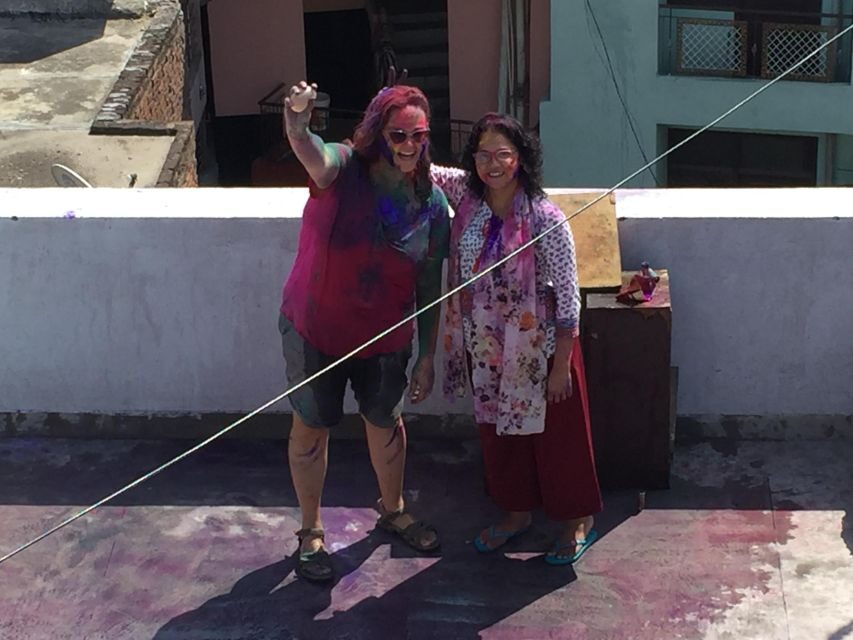
One of the tour’s stated focuses is social and economic reality, including education, sanitation, and health. Expect a school visit where you can learn about how the education system works in this context.
This part is valuable because it’s not just “here’s a school.” It’s about what education represents—hope, practical opportunity, and long-term possibilities. When a guide explains education in the neighborhood, you start to understand how families make choices under pressure, and why schooling often becomes a centerpiece of community effort.
Sanitation and health come next as part of the broader realities of everyday living. This is one of those topics that can feel heavy. The good news: the tour is framed as safe, respectful, and non-intrusive, so the discussion is meant to educate rather than judge or sensationalize.
If you’re sensitive to tough topics, plan for that. Bring a calm mindset. Ask questions if you have them, and let your guide steer you toward understanding rather than outrage.




Rooftop View: Perspective You Can’t Get From a Bus
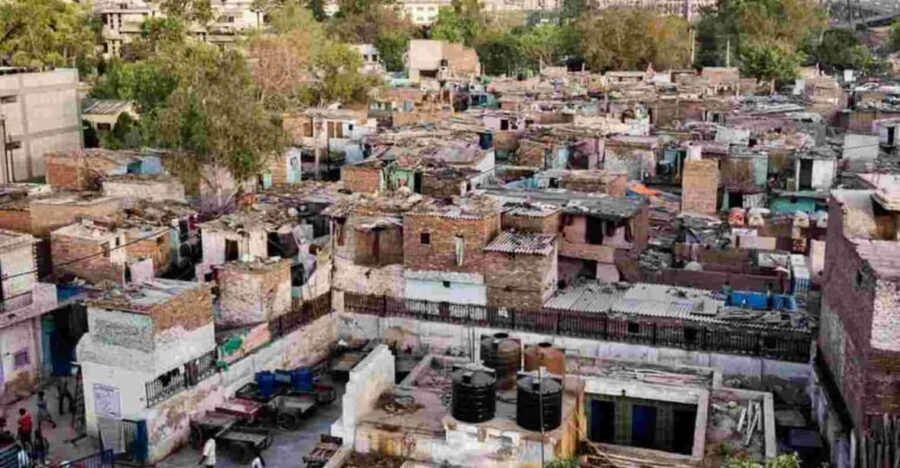
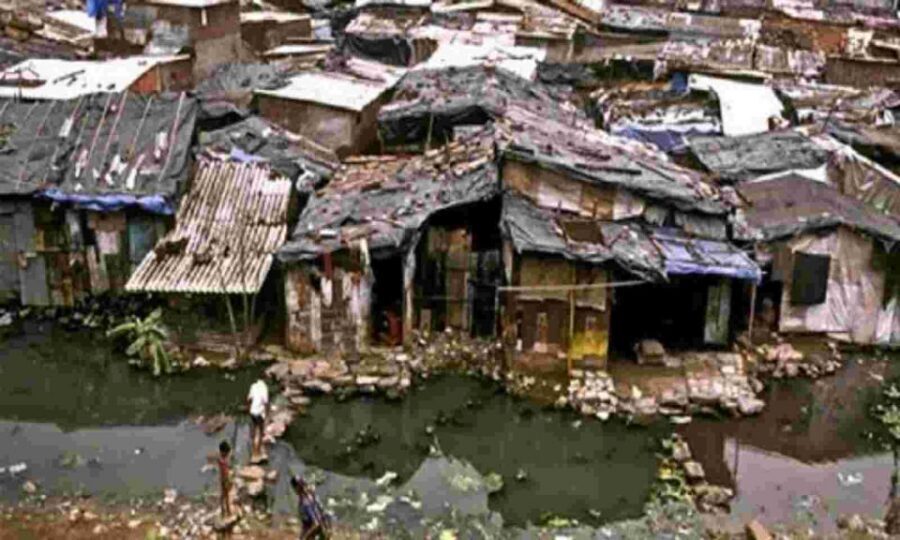
The tour ends at a rooftop with a view over the slum colony. This final stop is more than a scenic payoff. It’s a sense-making tool.
From above, you can see patterns in how the neighborhood sits, how spaces connect, and how community density becomes more understandable when you step back. It helps your brain organize what you’ve been absorbing at street level.
I’d treat the rooftop view like a wrap-up moment. After you’ve seen markets, residences, a temple, and a school, your perspective changes. The view helps you connect the stories to geography.
If you’re the type who likes notes and photos, use the rooftop for both. Just keep things respectful—no need to turn the view into a performance.
Safety, Respect, and the Rules That Protect Everyone
This kind of tour only works if it respects people on the ground. The tour is designed to be respectful and non-intrusive, and your behavior matters too.
Here’s what you should follow based on the rules:
- No pets
- No luggage or large bags
- No alcohol and drugs
- Don’t wear sleeveless tops; choose modest clothes
- Avoid low-cut tops or short shorts
Also, the tour is not suitable for wheelchair users, and it’s recommended to avoid it if you’re pregnant.
One more practical tip that can save you discomfort: during monsoon months (from June to mid-September), some areas can be dirtier. Plan for that with closed-toe shoes and clothing you don’t mind getting scuffed.
And yes, bring your passport or ID card. That’s part of the expected requirements.
Price and Value: Is $67 Worth a Half-Day?
At $67 per person, this tour sits in the “worth it if you care about understanding” category. Here’s why.
You’re paying for more than a walk. The included basics are meaningful:
- An English-speaking guide/story teller
- Hotel pickup and drop
- Transfers/sightseeing by air-conditioned car
- Mineral water, plus a tea break if you want it
So the cost isn’t just for access to the neighborhood—it’s for the structure that makes the experience safe and informative. If you’re traveling in Delhi and you’d otherwise spend time coordinating local transport and meeting a guide yourself, the package has real value.
What’s not included is personal shopping. That’s normal for a tour like this, but it’s good to know: you shouldn’t expect the price to cover browsing or buying anything.
If you’re the kind of traveler who likes authentic, people-first experiences, you’ll probably feel this price is fair. If you’re hoping for a polished “sightseeing” vibe, you might prefer something less people-focused.
Who This Tour Suits Best
This is a strong fit if you:
- Want to understand Delhi beyond monuments
- Like guided context and Q&A
- Prefer respectful, educational small-group walking experiences (the focus is human-scale learning)
- Are comfortable discussing real issues like education, sanitation, and health
It’s likely a poor fit if you need wheelchair access or you’re currently pregnant. Also skip it if you’re unwilling to follow modest dress guidance or can’t handle uneven, potentially dirty walking conditions.
Should You Book This Delhi Half-Day Slum Walking Tour?
I think you should book if you’re traveling with respect, curiosity, and patience—and you want a guided, structured look at community life in South Delhi. The combination of temple, school, markets, and a rooftop view gives you a rounded picture, not just one emotional moment.
I wouldn’t book it if you’re looking for comfort-only sightseeing. This is real life on foot. But that’s exactly why it can be so meaningful.
If you do book, go in with one mindset: your job isn’t to collect stories. Your job is to learn from them, and to behave in a way that keeps the neighborhood comfortable for the people who live there.
FAQ
Is the tour offered in English?
Yes. The tour runs with an English-speaking guide and story teller.
What should I bring for the Delhi slum walking tour?
Bring your passport or ID card and wear comfortable closed-toe walking shoes.
What clothing is required?
You should dress modestly. Sleeveless shirts are not allowed, and low-cut tops and short shorts are not permitted.
Does the tour include hotel pickup and drop-off?
Yes. Pickup and drop at your hotel are included, along with transfers/sightseeing by an air-conditioned car.
What places will we visit during the walk?
You’ll visit a Hindu temple in the colony, pass through local markets and residential areas, learn about education at a school, and end at a rooftop viewpoint over the colony. The route also includes small scale industries.
Are pets or alcohol allowed?
No. Pets are not allowed, and alcohol and drugs are not allowed.
Is this tour suitable for wheelchair users?
No. It is not suitable for wheelchair users.
Can I reserve now and pay later?
Yes. You can reserve and pay later, with an option to book your spot and pay nothing today.