REVIEW · JAIPUR
Walking Tour of Pink City (World Heritage Site) with Local Guide
Book on Viator →Operated by Pashmina Tours · Bookable on Viator
Jaipur’s Pink City rewards slow steps. This 2-hour 30-minute walking tour connects you to the big sights and the everyday streets that earned Jaipur its World Heritage status. I like that it keeps things practical, with an English-speaking local guide steering the route and getting you into the right rhythm.
Two highlights for me are the Hawa Mahal-area setup and the market variety. You start with prime views near Hawa Mahal, then shift into Johri Bazar for jewelry and wedding-wear color, move through Bapu and Tripolia’s specialty lanes, and finish at Chandpol Bazaar for spices, dry fruits, silver jewelry, and marble work. One thing to consider: you are walking through active market streets, so come ready for crowds and sensory overload, especially if you’re sensitive to strong smells.
If you want Jaipur without relying on buses or map-guessing, this is a smart format. And if you like buying nothing but still enjoying the eye-candy and crafts, the bazaars make for an easy win.
In This Review
- Key things to know before you go
- Why This Pink City Walk Beats a Quick Drive-By
- Price and What You Actually Get for $35
- Start Smart: Tattoo Cafe & Lounge by Hawa Mahal
- Hawa Mahal Area: Your First Photos and the Wind-Palace Feel
- Johri Bazar: Jewelry Lanes and Wedding-Wear Color
- Bapu Bazar: Textiles and the Craft of Everyday Choices
- Tripolia Bazar: Books, Utensils, and Gem Wholesale Energy
- Chandpol Bazaar and Ishwar Lat Photos at the End
- The Rickshaw Ride: Small Break, Big Benefit
- Logistics That Keep the Tour Easy
- Who This Tour Is Best For (and Who Should Adjust)
- Should You Book It? My Practical Take
- FAQ
- How long is the Walking Tour of Pink City?
- Where is the meeting point?
- How much does the tour cost?
- Is this tour guided?
- What’s included in the price besides the guide?
- Is transport included?
- Is lunch included?
- What stops are included on the walk?
- Are there admission tickets required for the stops?
- Can I cancel for a full refund?
Key things to know before you go
- A meet-up right by Hawa Mahal: Tattoo Cafe & Lounge puts you in the center of the Pink City action.
- Real market lanes, not just one stop: Johri, Bapu, Tripolia, and Chandpol each have a different specialty.
- Included rickshaw ride: It helps break up the walking and keeps the pace comfortable.
- Free entry listed for every stop: Each stop is shown with admission ticket free on the tour details.
- Refreshments on board: Tea/coffee/soda and bottled water are included, so you’re not scrambling mid-route.
- Private group feel: Only your group participates, even though it’s a guided tour format.
Why This Pink City Walk Beats a Quick Drive-By
Jaipur is one of those places where the streets do half the storytelling. When you walk, you feel the scale of the walled city, you notice how shopfronts cluster, and you pick up how the bazaars serve daily life, not just sightseeing.
This tour is built around that idea. Instead of racing from monument to monument, it layers in context: a landmark moment near Hawa Mahal, then a run of markets where you can see how Jaipur sells and crafts everything from jewelry to textiles to spices. You’re not just looking at buildings. You’re watching a city trade, meet, and move.
I also like that the route is short enough to stay fun. At about 2 hours 30 minutes, you’re getting variety without spending your whole day stuck in heat, crowds, or transit. The included rickshaw ride helps with that pacing.
You can also read our reviews of more walking tours in Jaipur

Price and What You Actually Get for $35
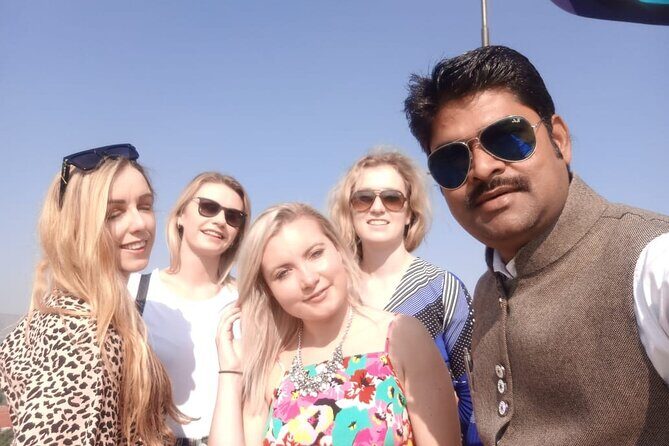
At $35 per person, the value here is about convenience and coverage. You’re paying for an English-speaking local guide, organized time, and a guided circuit through multiple iconic market areas. The inclusion list is also practical: tea/coffee/soda, bottled water, and the rickshaw ride.
What’s not included is just as important. Transport and lunch/dinner are not part of the tour. That means you should plan to either eat before you go or grab food after, depending on your schedule. It also means you won’t be locked into one long sit-down meal during the middle of your sightseeing.
One detail I appreciate is that the tour uses a mobile ticket, and it mentions group discounts. If you’re traveling with friends or family, that’s a nice way to lower the per-person cost without changing the experience.
Start Smart: Tattoo Cafe & Lounge by Hawa Mahal
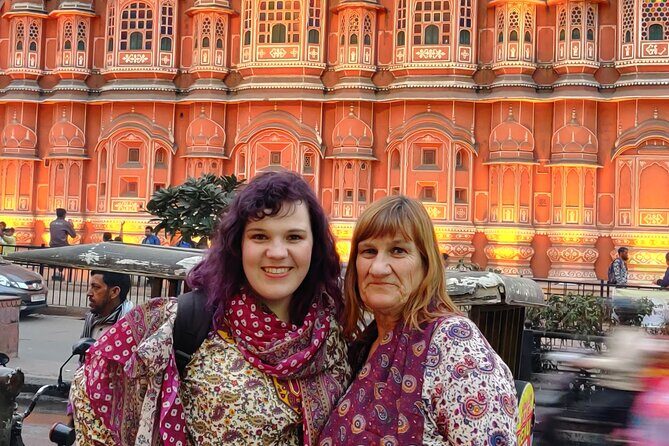
Your day begins at Tattoo Cafe & Lounge, described as 3rd floor, 30, Opposite Hawa Mahal, on Hawa Mahal Road in Badi Chaupar, Jaipur. That location matters. You’re not meeting somewhere far away and then starting your walk after a long transfer. You start in the heart of the Pink City, near the landmark that gives the area its fame.
The tour also calls out going up to the cafe area, described as located on the second floor in the heart of Pink City. Even if you treat it as a quick pre-walk moment, it’s a good way to get your bearings before you step into the bazaars. Jaipur can feel big fast; a slight pause helps your brain map the space.
You’ll also have a guide ready from the first moment. That’s underrated. In a place where the lanes can look similar, having someone who keeps your bearings saves time and reduces the stress of wandering.
Hawa Mahal Area: Your First Photos and the Wind-Palace Feel
Stop 1 focuses on Hawa Mahal (Palace of Wind). The tour’s plan keeps this as a short start (about 10 minutes), which is smart. You get your first iconic sight, then you move on while your energy is still high.
Here’s what’s valuable about starting with Hawa Mahal even if you’re not spending a long time inside: it sets the tone for the rest of the walk. Hawa Mahal is all about ornate design and the idea of airflow, and standing near it makes the rest of the city feel more intentional—these streets aren’t random. They connect a whole urban system built for crowds, commerce, and daily movement.
You’ll also have the chance to settle in at the meeting point cafe area before heading to the market lanes. That reduces the risk of turning the first stop into a frantic scramble.
Johri Bazar: Jewelry Lanes and Wedding-Wear Color
After Hawa Mahal, you walk toward Johri Bazar, with about 30 minutes set aside. This is where Jaipur’s shopping culture becomes visible in detail: jewelry shops and bright wedding dress stores show up side by side.
The best part of Johri Bazar on this tour is the time. You’re not just passing. You’re given a half-hour window to look slowly, take photos, and see categories clearly—stone jewelry, silver, gold, and the color-heavy wedding-wear scene.
Even if you don’t plan to buy jewelry, you’ll enjoy the craftsmanship details. Look at how displays are arranged and how shopkeepers present options. If you do plan to buy something, it helps to have a guide. A local guide can help you navigate what’s common, what’s priced differently, and how to avoid feeling lost in a sea of choices.
You can also read our reviews of more guided tours in Jaipur





Bapu Bazar: Textiles and the Craft of Everyday Choices
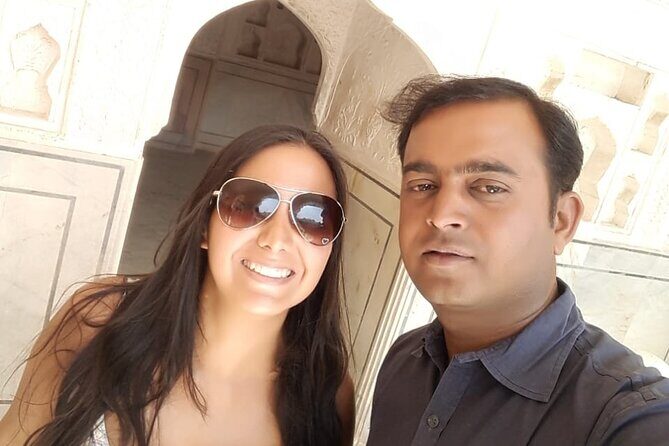
Next up is Bapu Bazar (about 30 minutes). The tour frames it as one of the most famous bazaars in India, and it focuses on textiles and more.
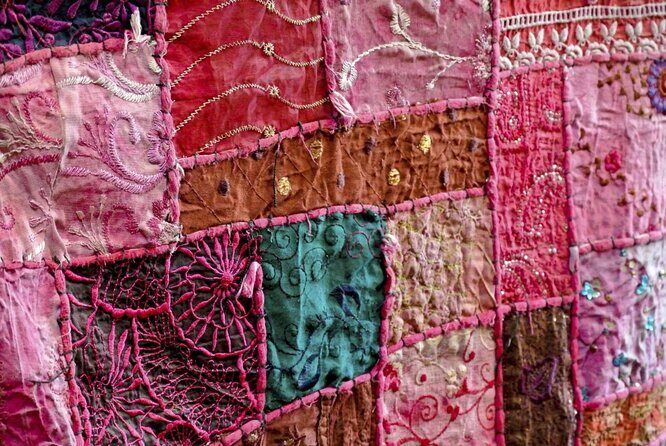
This stop is a nice counterweight to jewelry. Jewelry is visual and shiny; textiles are tactile and practical, and they show another side of Jaipur’s craft economy. You’ll see fabric browsing that feels closer to daily life—materials, colors, and the way garments are selected.
A small but real tip: if you like photos, treat this as your mid-tour “wander with purpose” stop. Give yourself permission to slow down and compare colors, stitches, and designs. Your guide’s job here is likely to keep you oriented, while you enjoy the slower browsing pace.
Tripolia Bazar: Books, Utensils, and Gem Wholesale Energy
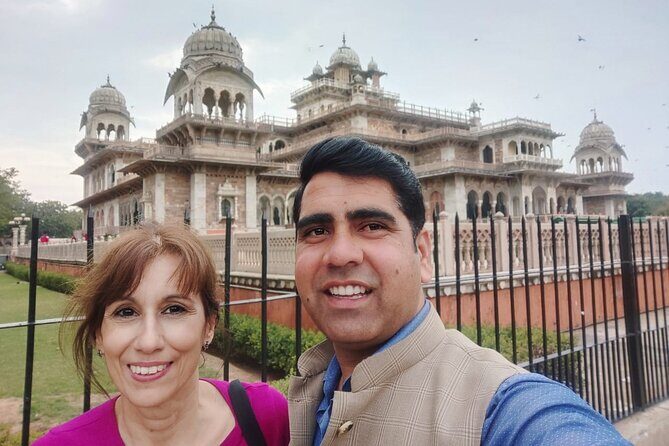
The itinerary then heads to Tripolia Bazar for about 30 minutes. This is described as including a book market, a utensils market, and a wholesale market of precious and semi-precious gem stones.
That mix is why Tripolia works. It’s not only a single-type shopping zone. It’s a “city supply” feeling—books for learning and reading, utensils for home life, and gems for a more specialized trade. If you like seeing how markets function beyond the souvenir level, this stop can be genuinely rewarding.
One practical consideration: this part of the route is often more trade-focused than purely touristy. If you’re the kind of person who likes quiet galleries, you may find it more intense. If you like people-watching and street-level commerce, you’ll probably enjoy it.
Chandpol Bazaar and Ishwar Lat Photos at the End
The final stop is Chandpol Bazaar, with about 1 hour on the clock. This stop gets specific: spices, dry fruits shops, silver jewelry, and marble work.
This is a great way to end the tour because the senses keep building. Spices and dried fruits tend to bring strong smells, while silver and marble add visual detail. You’re also walking through a section that feels like it supports daily shopping—not just browsing.
The tour also includes a photo stop at Ishwar Lat, described as the tallest minaret inside the Pink City. That’s a helpful anchor for the last stretch. Even if your feet are tired, Ishwar Lat gives you a clear target. It turns the walk’s ending into something you can remember, not just another market street.
The Rickshaw Ride: Small Break, Big Benefit
One of the included perks is a rickshaw ride. Even if it’s a short segment, it matters on a 2.5-hour walking plan. It keeps your legs from taking the whole burden, and it gives your eyes a slightly different view of the city layout.
I also like that refreshments are included. You get soda/tea/coffee and bottled water, which helps you stay comfortable during a walk that includes market lanes. In Jaipur, temperature can shift during the day, and having water included means you’re less likely to cut the tour short or feel drained early.
Logistics That Keep the Tour Easy
This tour is set up to be low-friction. It lists the activity as near public transportation, and you can reach the start point without a complex plan. The tour also ends back at the meeting point, so you don’t need to worry about finding your way out of the center when you’re done.
It’s also described as a private experience with only your group participating. That tends to make the pacing more comfortable. Your guide can adjust the walking speed based on your group, and you’re not stuck in a huge crowd.
Who This Tour Is Best For (and Who Should Adjust)
This walking tour is a great fit if you want a guided walk through Jaipur’s core and you enjoy shopping streets as a cultural experience, not a chore. It also suits people who prefer structure: you get a clear route with multiple themed markets, plus time allocations that keep you moving.
You might want a different option if:
- you strongly dislike crowded market environments, since you’ll spend meaningful time in bazaars
- you need a long sit-down meal included, because lunch and dinner are not provided
- you expect a monument-heavy tour with long museum-style stops, since the highlights are paired with market time
If you’re traveling as a couple, with friends, or with family, the private group format can feel especially good. You get local guidance without the chaos of mixing with strangers.
Should You Book It? My Practical Take
Yes, I’d book it if your goal is to understand Jaipur as a living city. This route gives you the iconic opener near Hawa Mahal, then shows you how Jaipur trades through Johri, Bapu, Tripolia, and Chandpol. The rickshaw ride, refreshments, and English-speaking guide make it easy to do without turning your day into logistics work.
Skip it only if you want a slow, museum-like experience or if you’re avoiding market streets. But if you like seeing how a destination works at street level, this tour is a strong value at $35 for about 2 hours 30 minutes.
If you go, wear comfortable shoes. Jaipur bazaars reward people who can walk steadily, look around, and keep moving when the crowd shifts.
FAQ
How long is the Walking Tour of Pink City?
It’s approximately 2 hours 30 minutes.
Where is the meeting point?
Tattoo Cafe & Lounge, 3rd floor, 30, Opposite Hawa Mahal, Hawa Mahal Rd, Badi Chaupar, Jaipur, Rajasthan 302002, India.
How much does the tour cost?
The price is $35.00 per person.
Is this tour guided?
Yes. It includes an English-speaking tour guide.
What’s included in the price besides the guide?
A rickshaw ride, soda/tea/coffee, and bottled water are included.
Is transport included?
No. Transport is not included.
Is lunch included?
No. Lunch and dinner are not included.
What stops are included on the walk?
The tour includes stops at Hawa Mahal, Johri Bazar, Bapu Bazar, Tripolia Bazar, and Chandpol Bazaar (with a photo stop at Ishwar Lat).
Are there admission tickets required for the stops?
The tour details list admission ticket free for the stops shown.
Can I cancel for a full refund?
Yes. You can cancel up to 24 hours in advance for a full refund.