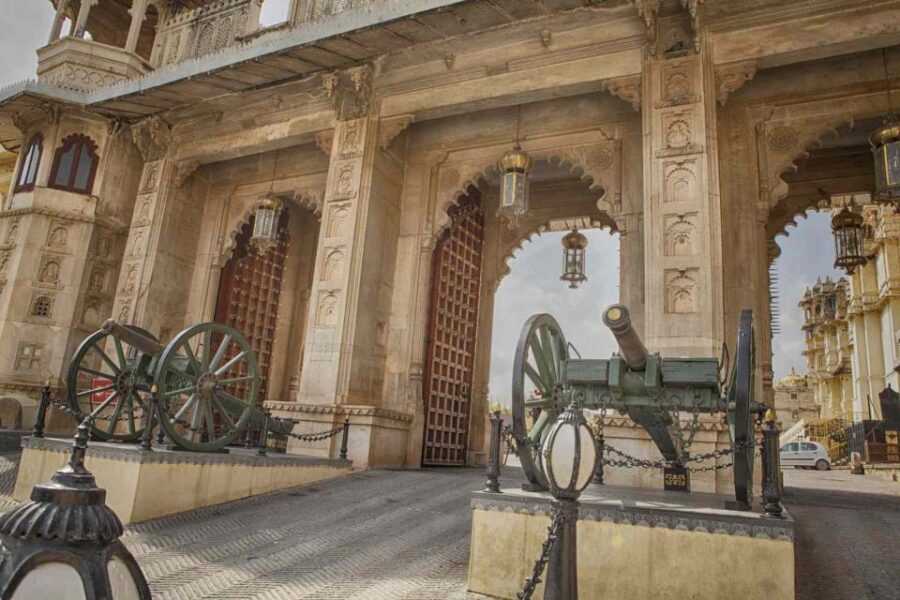
Humayun’s Tomb feels grand even before you understand why. On this Humayun’s Tomb Heritage Walk, I love how Smita Babar turns stone, arches, and garden geometry into a clear story you can actually follow. I also like that you visit key nearby monuments—Isa Khan’s Tomb and the Arab ki Sarai Gateway—so the trip explains how Delhi’s Mughal world fit together, not just one isolated landmark. One consideration: this walk depends on good weather, so plan for the possibility of a change of date if conditions are poor.
The guide’s background as a heritage conservation architect comes through in the way she explains details you might otherwise miss—especially how architecture connects to the people and power behind it. There’s also a practical nod to travel in Delhi, since the tour includes tips so you can move around the city with less hassle. If you prefer very fast sightseeing with no stop-and-learn moments, you might find the storytelling a bit more “school day” than “quick photos.”
In This Review
- What makes this heritage walk worth your time
- Getting oriented at Humayun’s Tomb, before the big sights
- Stop 1: Isa Khan’s Tomb and the mosque next door (architecture first)
- Stop 2: Arab ki Sarai Gateway and what caravanserais meant
- Stop 3: Humayun’s Tomb—the design that influenced later Mughal work
- Why an architect guide changes everything (Smita Babar’s approach)
- Tips that actually help in Delhi during your visit
- Timing and weather: plan your day like a local
- Who this heritage walk suits best
- Price and value: $38 for a guided architecture lesson
- Practical expectations on the ground
- Should you book Humayun’s Tomb Heritage Walk?
- FAQ
- How long is the Humayun’s Tomb Heritage Walk?
- How much does the tour cost?
- Who is the guide for this experience?
- What stops are included in the walk?
- Is the admission ticket included?
- What’s the group size?
- What happens if the weather is poor?
- What’s the cancellation rule?
What makes this heritage walk worth your time
- Architect-led explanations that focus on how and why the monument was designed
- Small group size (max 10), which keeps questions from getting lost
- Isa Khan’s Tomb + nearby mosque context before you even enter the main site
- Arab ki Sarai Gateway stop, linking Delhi’s monuments to caravan life
- Humayun’s Tomb breakdown with links to later Mughal innovations
- Admission ticket included for the stops on the walk
Getting oriented at Humayun’s Tomb, before the big sights
Your tour starts at the Humayun’s Tomb Ticket Counter & Entrance (H6VV+6QQ) in the Nizamuddin area. Meeting at the entrance matters because you begin with the site’s layout and the “how to read this place” mindset, instead of wandering in cold.
This is a 2 to 3 hour walk, which is a good length for Delhi. You’re not stuck for half a day, and you’re not rushing through the grounds either. The group limit of 10 also helps: you’re more likely to hear the guide’s explanations clearly and ask quick questions without getting shooed along.
If you’re going during the Monday–Friday time windows when the site is open, you’ll typically be operating inside these blocks: 8:00–10:30 AM, 11:00 AM–1:30 PM, 2:00–4:30 PM, or 5:00–7:30 PM (dates listed run from 01/22/2024 to 06/17/2026). Morning slots are often easier if you want calmer light for photos and less heat.
You can also read our reviews of more walking tours in New Delhi



Stop 1: Isa Khan’s Tomb and the mosque next door (architecture first)
Before you reach Humayun’s Tomb itself, you begin with Isa Khan’s Tomb and the mosque located next to it. This stop is about framing: the guide explains the architectural choices and historical context early, so when you later see Humayun’s Tomb, your brain already knows what to look for.
This is a smart warm-up. Isa Khan’s monument and its neighboring mosque can look like “another tomb complex” if you only glance at the exterior. But guided, you start noticing patterns—how different structures relate to each other, and what those choices signal about the people who commissioned and built them.
You’ll spend about 20 minutes here, and admission is included. The trade-off is simple: you’re not lingering for long. If you like slow, unstructured exploration, you’ll want to budget extra time on your own after the walk to revisit the details that stick with you.
Stop 2: Arab ki Sarai Gateway and what caravanserais meant
Next comes the Arab ki Sarai Gateway, a stop designed to pull you out of the “tombs only” mindset. Here, the focus shifts to the medieval reality of travel and trade—especially the role of a caravanserai, a roadside inn where merchants, travelers, and their animals could rest safely.
This gateway works well because it connects monuments to everyday movement. You start understanding that Delhi’s grand sites weren’t just ceremonial backdrops. They were part of a network where people arrived from somewhere, stayed briefly, and carried news, goods, and ideas with them.
Expect about 15 minutes at this point, again with admission included. The main drawback? The time is short, so if you’re very history-nerdy, you may want to take a quick note about the concepts so you can look them up later. The upside is that the stop keeps the walk from becoming repetitive.
Stop 3: Humayun’s Tomb—the design that influenced later Mughal work
Now you reach the star of the show: Humayun’s Tomb. This is where the tour earns its title as a heritage walk, not just a photos-and-move-along circuit.
You spend roughly one hour here, with admission included. The guide looks at the tomb in detail and explains how it sparked or inspired later architectural innovations, including the connection people often make to the Taj Mahal’s construction. Even if you’ve seen the Taj Mahal photos, this kind of context helps you see Humayun’s Tomb as part of a longer creative chain, not a single isolated masterpiece.
What makes this stop valuable is the way conservation thinking shows up in the explanation. You’re not only learning what the building looks like—you’re learning how it has survived and what makes it worth protecting. That conservation angle changes your perspective. Instead of viewing the site as a static “museum,” you begin to treat it like a living historical project that still has challenges.
The likely downside is crowd rhythm. When you go, you’ll be sharing the space with other visitors, and the one-hour guided window can feel snug if you keep stopping for photos. My advice: let the guide lead for the first pass. Save extra photo time for when you feel like you’ve already learned what the building is saying.
Why an architect guide changes everything (Smita Babar’s approach)
The standout strength here is the guide: Smita Babar, a heritage conservation architect with experience connected to major organizations like INTACH and Harvard University. That professional background matters because it shapes how she speaks—less “tour-brochure facts,” more “here’s how this works.”
In practice, you get interactive storytelling and careful explanations about dynasties and the people associated with each site. That’s not just trivia. It helps you understand why a monument is shaped the way it is. When you hear the story tied to the design choices, the tombs stop being anonymous and start feeling personal—like power, memory, and engineering were all involved.
Smita’s friendliness also matters. A heritage site can turn intimidating fast, especially when you don’t know what you’re looking at. Having someone who can explain architecture in clear terms keeps the walk from feeling like homework.
And since the group is capped at 10, her explanations feel more conversational than lecture-style. You’re likely to get your questions answered without waiting in line.
You can also read our reviews of more historical tours in New Delhi




Tips that actually help in Delhi during your visit
The price includes tips on travelling in Delhi. While that’s not a “tourist bus checklist,” it’s the kind of practical support that saves small headaches. In Delhi, those small issues add up: finding the right route, timing your movement, and avoiding the most frustrating gaps in your plan.
Even if you’re comfortable navigating cities, I think this is one of those inclusions that makes a guided experience feel respectful. You’re not only paying for the monument. You’re also paying for guidance that helps you get there and function once you’re there.
Timing and weather: plan your day like a local
This experience requires good weather, and if it’s canceled due to poor conditions, you’ll be offered another date or a full refund. That matters because outdoor walking is the core of the value here. If you’re traveling in a season where rain is common, treat the tour like something you’ll confirm closer to the start date.
For timing, the site’s open windows on Monday–Friday give you flexibility. If you dislike midday heat or harsh lighting, lean toward morning or late afternoon slots. If you’re balancing other plans, the multiple daily windows can fit around your itinerary.
Who this heritage walk suits best
This is especially good for you if you:
- like architecture that’s explained in plain language
- want the story behind dynasties rather than only names and dates
- prefer a small group with a real guide instead of a rush-through
- want a value-rich way to cover multiple nearby sites in a short time
If you’re traveling with kids, it could work well too, as long as they can handle short explanation stops. The walk isn’t designed as nonstop sprinting, but the storytelling approach usually keeps attention moving.
If you’re the type who only wants “big photo moments” with minimal talk, you might find parts of the stop explanations slower than you’d like. In that case, consider adding extra independent time after the tour so you can skim again at your own pace.
Price and value: $38 for a guided architecture lesson
At $38 for a 2 to 3 hour guided walk, the value comes from two things. First, you get an expert-led experience with a guide who’s trained in conservation architecture, not just generic guiding. Second, admission is included for the stops on the itinerary—Isa Khan’s Tomb, the Arab ki Sarai Gateway, and Humayun’s Tomb.
For Delhi, that’s a strong deal if you’d otherwise pay separate entry fees and still feel you’re missing context. You’re basically buying clarity. The guide helps you understand what you’re seeing and why it matters.
The only “cost” you should consider is mental pace. This isn’t a speed tour. You’ll learn, and that takes attention. If you arrive ready to slow down for an hour or so, you’ll feel like you got your money’s worth.
Practical expectations on the ground
This tour ends back at the meeting point, so you don’t have to solve a route problem at the end of your walk. It’s also marked as near public transportation, which makes it easier to combine with other Nizamuddin-area plans.
The group size cap of 10 tends to create a more manageable experience, especially when questions come up. If you’re the sort of traveler who likes asking why something was built a certain way, this setup is a good match.
And yes, it’s a heritage site, so plan for walking on uneven ground and being mindful of your footing. Wear shoes you’re comfortable in. Your best photos often come when you’re not rushing.
Should you book Humayun’s Tomb Heritage Walk?
I’d book it if you want more than a postcard view. The big reason is Smita Babar: a conservation architect with a history-and-architecture way of explaining things that makes the whole complex click. I’d also book it because the itinerary isn’t only Humayun’s Tomb; it starts with Isa Khan’s Tomb and includes Arab ki Sarai Gateway so the day tells a fuller Delhi story.
Skip it only if your travel style is strictly quick photo stops with minimal explanation. This walk is built around learning the meaning of forms, not just seeing the forms.
FAQ
How long is the Humayun’s Tomb Heritage Walk?
The tour lasts about 2 to 3 hours.
How much does the tour cost?
The price is $38.
Who is the guide for this experience?
The tour is led by Smita Babar.
What stops are included in the walk?
You’ll visit Isa Khan’s Tomb, the Mughal-era Arab ki Sarai Gateway, and Humayun’s Tomb.
Is the admission ticket included?
Yes. Admission tickets are included for the stops listed on the itinerary.
What’s the group size?
The tour has a maximum group size of 10 travelers.
What happens if the weather is poor?
The experience requires good weather. If it’s canceled due to poor weather, you’ll be offered a different date or a full refund.
What’s the cancellation rule?
You can cancel for a full refund up to 24 hours before the experience’s start time. If you cancel less than 24 hours before, the amount you paid will not be refunded.