REVIEW · VARANASI
Varanasi Culinary Vacations with its mysticism (3 Days Curated Experience)
Book on Viator →Operated by Yo Tours · Bookable on Viator
Varanasi tastes like a living story. This 3-day experience pairs street-food culture with ghat-side rituals and temple lore, so you’re not just eating—you’re learning why certain flavors, customs, and places matter in Kashi. You’ll walk old lanes, watch devotional moments at the river, and then shift to village life where food is tied to farming and daily work.
I especially like how the tour starts with getting oriented through food at Godowlia, which helps you understand the city’s rhythm fast. I also love the way it brings you to Dasaswamedh Ghat for the mysticism tour and then into the eyewitness moment of Ganga Aarti, explained in a clear, human way by a guide who can speak English, Spanish, and Hindi (names like Ranjan RJ and Shreyasi come up in guide praise).
One thing to plan for: entrance fees aren’t included for historical sites, and you’ll spend significant time walking in busy, narrow areas—so wear comfortable shoes and budget extra cash just in case.
In This Review
- Key highlights at a glance
- A 3-day Varanasi plan that mixes street snacks with river rituals
- Day 1: Godowlia street food, Dasaswamedh mysticism, and Ganga Aarti
- Godowlia street-food crawl (getting your bearings fast)
- Dasaswamedh Ghat mysticism tour (life, death, and beyond)
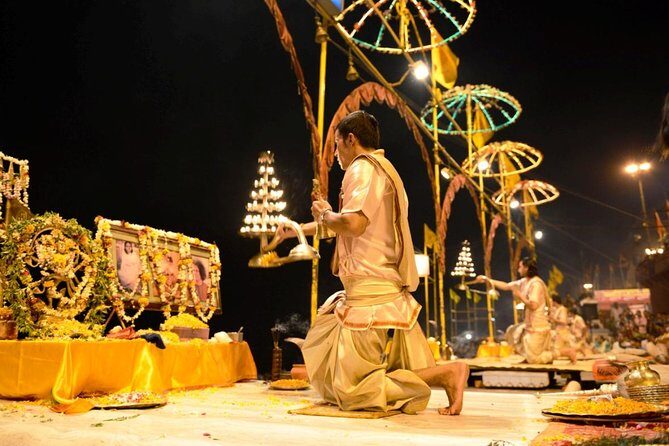
- Ganga Aarti (a ritual you can actually witness)
- Day 2: Kashi Vishwanath, Durga at Durgakund, Nepali wooden temple, and Sarnath
- Kashi Vishwanath Temple (Shiva’s presence in tight city space)
- Shree Durga Mata Mandir in Durgakund (18th-century temple with a reflective pool)
- Nepali Temple (Kathwala) (wooden temple, mini Khajuraho feel)
- Ramnagar Fort and the Vyas Temple (history by the river bank)
- Sarnath guided tour (Buddha’s first sermon after enlightenment)
- Man Singh Observatory (camera time and city hues)
- Day 3: ghats at dawn, spice market aromatics, and village cooking
- Banaras Ghats walk (meditation, chai, candles, and everyday mixing)
- Saray Mohana (village communities and real routines)
- Chiraigaon (ploughing, sowing, cattle grazing, dairy, and local cooking)
- Spice market walk and masala tea in a clay pot
- Assi Ghat sunrise and a morning boat ride
- Cooking class and meals: how you eat here (and why it matters)
- Price and logistics: what $288.05 includes, and what to budget for
- Who this tour suits best (and who should think twice)
- Should you book this Varanasi food and mysticism tour?
- FAQ
- How long is the Varanasi Culinary Vacations experience?
- What does the tour cost per person?
- Do they offer pickup and drop-off?
- What meals are included?
- Is lodging included?
- Do I need to pay entrance fees for sites?
- What languages does the guide speak?
- Is it a private tour?
- What is the cancellation policy?
Key highlights at a glance
- Godowlia street-food crawl to understand everyday Varanasi through what people actually eat
- Dasaswamedh Ghat + Ganga Aarti with storytelling that connects ritual to place
- Temple and architecture stops across Kashi’s Hindu landmarks and the Nepali-style wooden temple
- Sarnath guided visit tied to the Buddha’s first sermon after enlightenment
- Village experiences at Saray Mohana and Chiraigaon focused on farming, school visits, and local cooking
- Sunrise mood at Assi Ghat plus a morning boat ride along the ghats
A 3-day Varanasi plan that mixes street snacks with river rituals
Varanasi isn’t a city you can fully understand from one viewpoint. It changes every hour—daylight shows markets and lanes, and night brings the river’s full spiritual performance. This tour leans into that by using food as your thread and mysticism as your context.
The “why” matters here. Instead of only listing what you’ll see, the guide’s job is to connect food, religion, architecture, and everyday life so the city feels like one big story instead of separate stops. If you like walking tours that come with explanations—and if you enjoy eating while you learn—this format is a good match.
You also get a private setup with pickup and drop-off in Varanasi, plus an air-conditioned vehicle with chauffeur for the longer transfers. That means you’re not constantly asking strangers for directions or timing traffic in a place where lanes are easier to navigate on foot.
A few more Varanasi tours and experiences worth a look
Day 1: Godowlia street food, Dasaswamedh mysticism, and Ganga Aarti
Godowlia street-food crawl (getting your bearings fast)
You begin in the old city zone around Godowlia, which is a smart choice. It puts you straight into the food world early, when everything still feels new and you’re most curious. Expect a guided walking format that mixes local food culture with city life, so you learn how people move, shop, and eat on a normal day.
Practical angle: street-food tours are easiest to enjoy when you’re not rushing. This starts you at a comfortable pace (about a couple of hours), and it sets expectations for the rest of the trip: in Varanasi, food and faith are never far apart.
Dasaswamedh Ghat mysticism tour (life, death, and beyond)
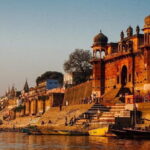
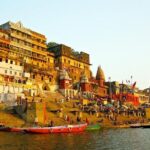
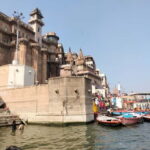
Next comes Dasaswamedh Ghat, framed as a mysticism tour of Kashi. You’re not just looking at the stairs and river edge—you’re hearing stories that explain why the city is considered mystical in the first place.
This portion is about meaning-making. Varanasi’s ghats can look chaotic if you only watch them from the surface. A guide’s storytelling helps you notice patterns: where people gather, why certain moments are repeated, and how the river shapes daily decisions.
Ganga Aarti (a ritual you can actually witness)
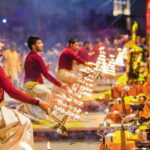
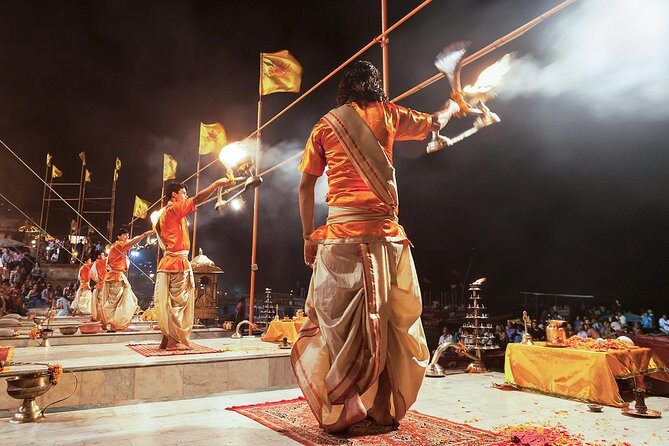
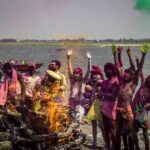
Then you’re at the Ganga Aarti, described as one of the five rituals for worship of sacred Ganga. You’ll watch Brahmins and sadhus as devotees move down to the ghats with prayers.
The value here is not that you get a photo. It’s that you see a living ceremony with time, roles, and rhythm—and you understand enough to follow what’s happening instead of just staring. If you’re sensitive to spiritual spaces, you’ll also appreciate the guided context, which helps you act respectfully without guessing.


Day 2: Kashi Vishwanath, Durga at Durgakund, Nepali wooden temple, and Sarnath
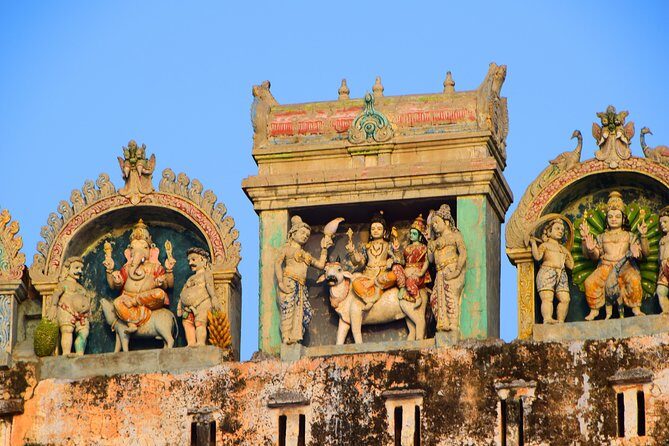
Day 2 shifts from the riverfront focus to a broader “spiritual geography” of Kashi. You’ll move between Hindu temples, architectural styles, and then head toward the Buddhist heart of the region in Sarnath.
Kashi Vishwanath Temple (Shiva’s presence in tight city space)
You start at Kashi Vishwanath Temple, where Varanasi’s spiritual identity centers on Shiva. The tour description points to what you’ll feel as you move: gentle river waters, ancient ghats, and narrow alleyways packed with temple spires, ashrams, and devotional sounds.
Even if you’re not a religious traveler, this stop works because it’s also an architecture-and-city-logic walk. You see how the city’s layout funnels people toward sacred landmarks.
Shree Durga Mata Mandir in Durgakund (18th-century temple with a reflective pool)
Next is Shree Durga Mata Mandir at Durgakund, built in the 18th century and known for a reflective pool. That pool isn’t just decorative. It gives the scene a calmer visual frame while everything else around the temple life stays active.
A consideration: temple areas can get crowded. Build in patience, and keep your focus on small details—design, materials, and how people treat the space.
Nepali Temple (Kathwala) (wooden temple, mini Khajuraho feel)
Then you visit the Nepali Temple (Kathwala Temple), often described as a wooden temple and noted for Nepali-style architecture, with a mini Khajuraho comparison. This is a great contrast stop. It adds variety to the visual palette so Day 2 doesn’t feel like one long temple corridor.
If you love architecture, this is one of the moments where the tour’s guide storytelling helps you appreciate what you’re seeing beyond the first glance.
Ramnagar Fort and the Vyas Temple (history by the river bank)
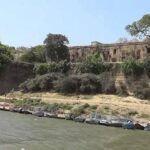
You also make time for Ramnagar Fort, a 17th-century fort and palace on the eastern bank of the Ganges, with an attached Vyas Temple. The fort portion is listed as a stop where admission is not included, so don’t be surprised if you need to pay an entrance fee once you’re there.
This is a good place to slow down mentally. After walking temple lanes, the fort gives a different scale—less cramped, more historical, and more connected to the river’s long story.
Sarnath guided tour (Buddha’s first sermon after enlightenment)
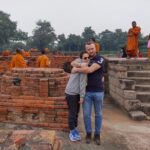
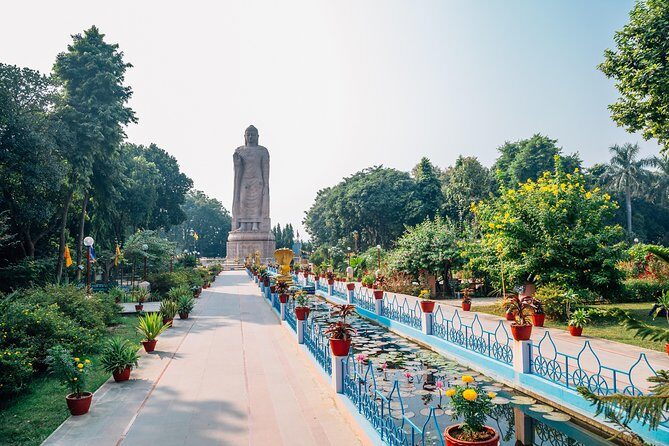
Next is Sarnath, a key Buddhist pilgrim spot where Buddha made his first sermon after enlightenment. Expect temples, stupas, and monuments, guided with stories you can carry with you afterward.
This stop adds balance. Day 2 already covered Shiva-focused sites. Sarnath widens the spiritual lens, showing how Varanasi’s religious identity connects to other faith traditions in the wider region.
Man Singh Observatory (camera time and city hues)
Finally, you go to Man Singh Observatory for photo views of winding streets, ancient buildings, markets, houses, and friendly local people. It’s a nice closing stop because it gives you a higher vantage point (or at least a structured view) to mentally map what you’ve already walked and visited.
Day 3: ghats at dawn, spice market aromatics, and village cooking
Day 3 is where the trip stops feeling like only “temple tourism.” It becomes about how food is made—by farmers, shopkeepers, and families whose routines don’t pause for visitors.
Banaras Ghats walk (meditation, chai, candles, and everyday mixing)
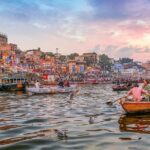
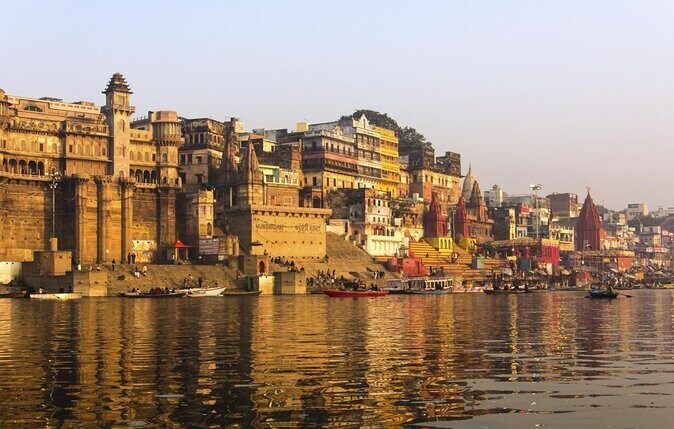
You start with a walk along the Banaras Ghats. The description is spot-on about the mix: Hindu gurus meditating and praying on the steps, international tourists sipping chai, and kids trying to sell candles and flowers.
This is also the day’s best reminder that ghats aren’t only for ceremonies. They’re public space, work space, and spiritual space all at once. A guided walk helps you notice who’s doing what and why each group is there.
Saray Mohana (village communities and real routines)
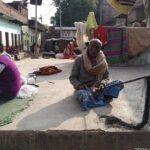
Next comes Saray Mohana, described as a way to discover India’s villages and get personal insights into lifestyle and livelihood. This is an offbeat stop compared to the usual “only temples” version of Varanasi.
If you like human-scale travel—seeing how people actually live—this will feel meaningful.
Chiraigaon (ploughing, sowing, cattle grazing, dairy, and local cooking)
Then you head to Chiraigaon, where you can see farming rhythms: ploughing, sowing seeds, cattle grazing, and dairy farming. You’ll also learn local cooking, visit a local school, and spend time with rural kids.
This is the most hands-on day segment on the itinerary description. It’s also the part where respect matters most: you’ll be in people’s daily world, not behind museum ropes. Keep your voice low, be patient, and follow your guide’s instructions.
Spice market walk and masala tea in a clay pot
Later you walk through the spice market, described as hundreds of years old, and sip masala tea served in a clay pot while you move from stall to stall. You’ll learn about colorful spices commonly used in Indian cuisine and experience the smells and sounds of narrow streets and herb-and-spice shops.
This stop is a strong link back to Day 1 and Day 2. You’re now seeing the raw materials behind so many dishes—and you’ll have the vocabulary to understand what you’re tasting.
Assi Ghat sunrise and a morning boat ride
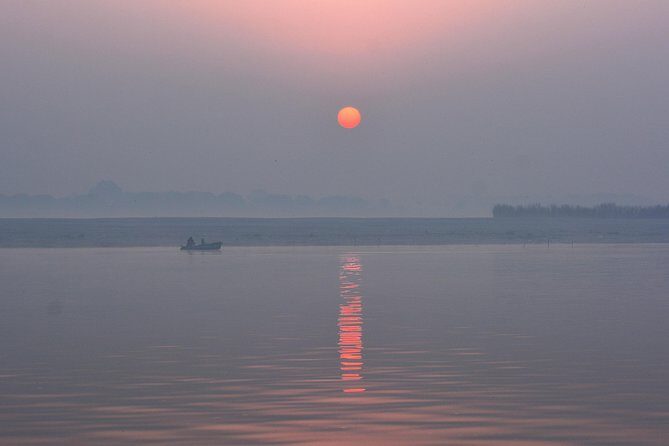
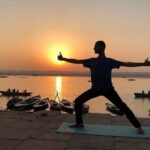
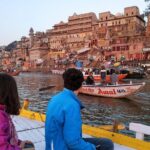
You finish at Assi Ghat, watching sunrise on the horizon and seeing how old buildings, ashrams, and riverfront places look when sunlight hits them. Then you enjoy a morning boat ride around the ghats, paired with conversation about the importance of Kashi and faith.
If you’re thinking, yes, sunrise sounds early—that’s true. But that’s the point. Morning light makes the whole city feel less like a busy maze and more like a series of gentle planes and river steps.
Cooking class and meals: how you eat here (and why it matters)
The tour includes cooking classes with local instructors and street food tasting as part of the experience. It also includes complimentary water bottles, which you’ll appreciate in Varanasi’s heat and crowding.
You’ll have three breakfasts, two lunches, and two dinners included across the two nights at a homestay or 3-star hotel base. That matters because food tours can turn into a money sink if every meal is extra. Here, you’re at least anchored to a planned set of meals, plus the structured learning moments.
What makes the food component feel more authentic is the way it’s connected to context: you’re shown where ingredients come from (spice market), how rural routines shape food (Chiraigaon), and how street culture and rituals shape what’s served and when (Godowlia and the ghats).
Price and logistics: what $288.05 includes, and what to budget for
At $288.05 per person for about three days, you’re paying for a lot of “moving parts” to be handled for you: a multilingual storyteller/guide, pickup and drop-off, transport in an air-conditioned vehicle with chauffeur, two nights of lodging, cooking and tastings, and multiple included meals.
Where this tends to be great value is in the combination. Many food experiences focus only on eating. This one stacks in temple visits, Ganga Aarti, a sunrise boat ride, and a full village day. That’s a big mix of time, guides, and entry management.
Still, the tour notes that entrance fees to historical sites are not included, and food/drinks outside the listed inclusions aren’t included either. So I’d plan for a little extra on top—especially if you’re visiting places where the group expects you to pay on arrival.
The practical upside: since you get a private tour setup, your guide can keep the pace and explanations tailored to your group, rather than trying to herd people through chaos. That matters in Varanasi, where timing can get tangled fast.
Who this tour suits best (and who should think twice)
I think this works best for you if:
- You want food plus meaning, not just snacks on the go
- You’re comfortable with walking and moving through busy areas
- You enjoy spiritual and cultural sites, especially ghats and temple storytelling
- You’d like at least one day outside the standard city loop, with village learning and cooking
I’d think twice if you:
- Dislike early mornings (the sunrise and boat ride are part of the schedule)
- Have very limited mobility, since you’ll be on your feet for multiple stops
- Expect every single entrance fee to be covered (historical site fees are not included)
Should you book this Varanasi food and mysticism tour?
If you’re the type of traveler who likes to understand what you’re tasting, this is a strong buy. The tour doesn’t treat food as an isolated hobby. It ties it to markets, daily life, and the river’s spiritual calendar. You also get clear structure: guides, transport, meals, lodging, and a mix of city and village days.
My call: book it if you want a guided Varanasi that pairs eating with explanation, and you’re okay budgeting a bit for entrance fees you might encounter along the way. Skip it only if you hate crowds and walking or you’d rather self-guide entirely without rituals, temples, and scheduled sunrise time.
FAQ
How long is the Varanasi Culinary Vacations experience?
It runs for 3 days (approximately).
What does the tour cost per person?
The price is $288.05 per person.
Do they offer pickup and drop-off?
Yes. Pickup and drop-off are offered in Varanasi, with sightseeing by a private air-conditioned car and chauffeur.
What meals are included?
The tour includes breakfast (3), lunch (2), and dinner (2), plus complimentary water bottles. Food and drinks beyond what’s listed aren’t included.
Is lodging included?
Yes. You get two night stays at a homestay or a 3-star hotel.
Do I need to pay entrance fees for sites?
Entrance fees to historical sites are not included. Some items are marked as included in the plan, but you should still be prepared to pay for certain site entries.
What languages does the guide speak?
The guide can speak English, Spanish, and Hindi.
Is it a private tour?
Yes, it’s a private tour/activity, meaning only your group participates.
What is the cancellation policy?
You can cancel up to 6 days in advance for a full refund. A 50% refund is available if you cancel 2–6 full days before the experience’s start time. Less than 2 days before start time is not refunded.