Varanasi doesn’t ease you in. It hits with Ganga Aarti energy and a morning boat ride on the Ganges, then balances it with Sarnath’s Buddhist landmarks. Two things I like a lot: the way the schedule hits spiritual sights early (before the day gets loud) and the solid guided temple circuit, which helps you understand what you’re seeing. One drawback to plan for: the schedule is active, and the dress code is strict at worship sites.
You get an English-speaking guide, mineral water, and a private car for airport/rail transfers, which keeps your time on the ground sane. I also appreciate that the itinerary includes the major Kashi temples and then shifts to Sarnath the next day, so you get more than one side of Varanasi. The guide names that often come up in feedback include Bablu, Kasif, Arya, and Debloo, and the common thread is clear explanations and helpful answering of questions when you want the meaning behind rituals.
Quick reality check: the day-by-day plan mentions checking into a hotel and overnight stays. If you truly booked this “without hotel,” make sure your confirmation matches that, because you’ll still need somewhere to sleep on the two nights. Also, lunch and dinner aren’t included, so you’ll want cash for meals and water refills.
In This Review
- Key Highlights You’ll Actually Feel
- Why This 3 Days in Varanasi Plan Feels Like the Real Thing
- Price and Value: What You’re Really Paying For
- Day 1: Kashi Temple Tour, Then Ganga Aarti at the Ghats
- Day 2: Morning Boat Ride on the Ganges, Then Sarnath’s Stupas
- Day 3: Breakfast, Self-Exploration, and Train Departure
- How the Guide Makes or Breaks This Tour
- Dress Code and Etiquette: The Rule That Affects Your Whole Day
- Who Should Book (and Who Might Want Something Else)
- Should You Book This 3-Day Varanasi Package?
- FAQ
- What does the tour price include?
- Do I need a hotel for this 3-day itinerary?
- Is pickup from the airport included?
- Is the Ganga Aarti boat option included?
- Is lunch and dinner included?
- Which places are visited besides the temples?
- What dress code should I follow?
- Is this tour suitable for solo travelers?
- Does the tour involve a shared component?
Key Highlights You’ll Actually Feel
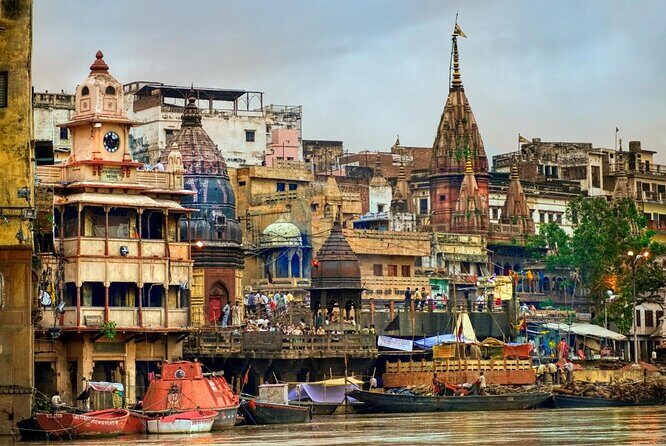
- Ganga Aarti at the riverfront at evening time, with a guided lead-in to the ghats
- Sunrise-style boat ride on the Ganges, viewing ghats from the water and watching early worship moments
- Temple tour of Kashi essentials including Kashi Vishwanath, Annapurna, Bharat Mata, Sankat Mochan, and Manas Mandir
- Sarnath in a single focused block: Dhamekh Stupa, Chaukhandi Stupa, and the Archaeological Museum
- Airport/rail transfer in a private car, plus an English-speaking guide and mineral water
- Dress code rules: knees and shoulders covered, no shorts or sleeveless tops
Why This 3 Days in Varanasi Plan Feels Like the Real Thing
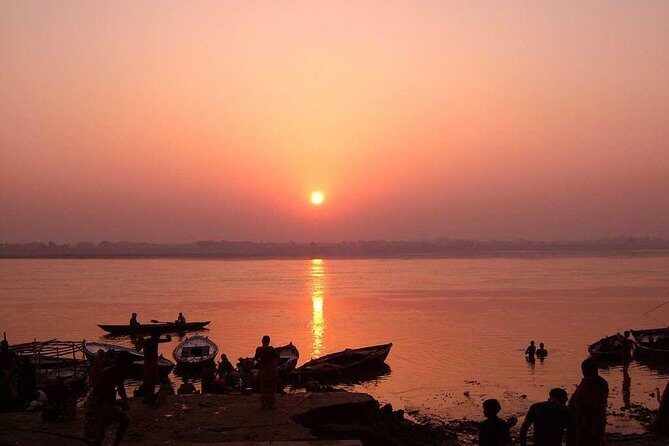
This is a highlights-first itinerary, and that matters in Varanasi. The city can feel like a whole world at once: temples, people, boats, prayers, and narrow lanes that don’t care about your travel pace. With a guided flow, you avoid the common mistake of spending your limited time only getting lost and only half-seeing the spiritual sites.
I like that the plan blends three styles of sightseeing. First is worship and temple darshan (Kashi). Second is “on the water” Varanasi, because the Ganges view changes the mood completely. Third is history and teaching through Sarnath, where Buddhism begins its story.
If your goal is to leave Varanasi with meaningful moments (not just photos), this schedule fits. The included guide support is the difference between watching rituals and understanding what you’re watching.
A few more Varanasi tours and experiences worth a look

Price and Value: What You’re Really Paying For
At $130 per person for about three days, you’re mainly paying for three big items: a guide, transport at the start/end, and the structured sightseeing time in between. The tour includes an English-speaking tour guide, mineral water, all applicable taxes and service charges, and a private car for airport arrival to airport/rail drop-off. There’s also a mobile ticket, which helps keep things simple at the start.
What’s not priced in: lunch and dinner. Also, any optional add-ons you choose (like the Aarti boat experience mentioned as optional) may cost extra. The template also notes that an admission ticket is free for the temple tour segment, but you should still expect some sites to be donation-based or have variable costs depending on what’s included on the day.
So is it good value? Yes, if you want guided access to Varanasi’s core religious circuit plus Sarnath in a short time. It’s less ideal if you already know exactly what you want, don’t care about explanations, and prefer self-guided wandering with your own transport.
Day 1: Kashi Temple Tour, Then Ganga Aarti at the Ghats
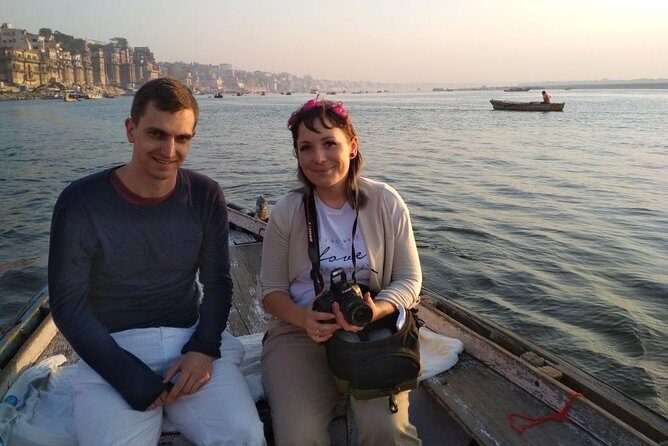
Day 1 is temple-focused, then the river finishes the day in a way that’s hard to replicate later. You start with pickup and then freshen up before visiting key sites. The temple list is built around Kashi’s most recognized names, so you don’t waste time chasing the “right” temple.
You’ll hit Kashi Vishwanath (the big draw for Shiva worship), Annapurna Temple (the goddess associated with nourishment), Bharat Mata temple, and Sankat Mochan (Hanuman). You also go to Manas Mandir and BHU, which adds a cultural and educational flavor beyond the main temple circuit. This mix is useful because it turns your day from a single-ritual experience into a broader understanding of how belief, place, and daily life connect.
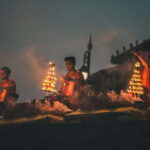
At evening, you shift to the Ghats for Ganga Aarti. This isn’t just sitting and watching. The guided setup helps you know what’s happening during the ceremony and how people are participating around you. If you want a different angle, there’s an optional boat experience for the Aarti that’s by own cost, so you can choose based on budget and comfort.
Practical thought: the Aarti and ghats area can mean standing, walking, and dealing with crowds. If you’re someone who needs lots of quiet space, plan for short breaks and water, and keep your outfit modest and breathable.
Day 2: Morning Boat Ride on the Ganges, Then Sarnath’s Stupas
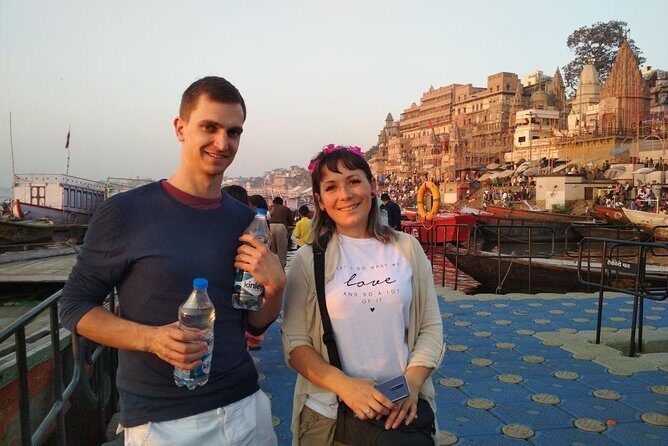
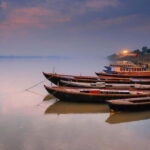
Day 2 starts early, because the Ganges boat ride is the kind of experience that works best before the day gets full. You’ll be taken out on the river with people offering water and worship at the ghats, including the early spiritual moments connected with the Sun God and the holy dip in the Ganges. From the boat, you get a moving “gallery” of Varanasi’s riverfront, not just a viewpoint from one spot on land.
The best part of a boat morning is the change in pace. On land, Varanasi can feel fast and dense. On water, you can watch patterns: where people gather, how rituals unfold, and how the river shapes the city’s daily rhythm.
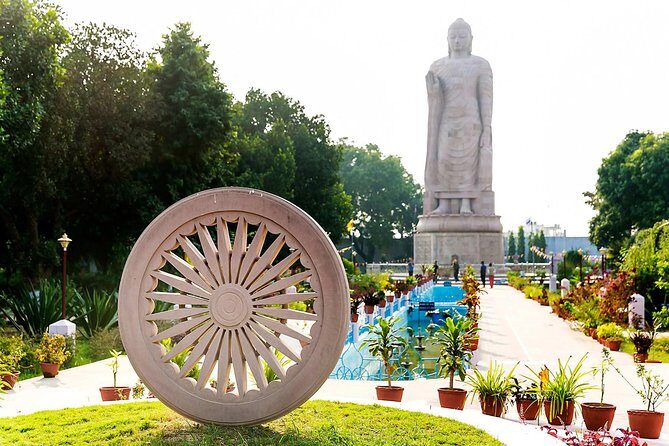
After the boat ride, breakfast comes next, then you head to Sarnath. Sarnath is the place where Buddha delivered his first sermon to his disciples, and the stops here match that story arc. You’ll visit the Dhamekh Stupa, the Chaukhandi Stupa, and the Archaeological Museum. This day shift is valuable because it turns your trip from “watching Varanasi worship” to “learning the setting for early teachings,” with landmarks that help you place the story in real geography.
One consideration: Sarnath can feel different in mood and crowd level than the ghats area. That’s good. It’s like switching from the present-day spiritual heartbeat to a more reflective, teaching-focused world.
Day 3: Breakfast, Self-Exploration, and Train Departure
Day 3 keeps it simple: breakfast, then some time to explore Varanasi by yourself. This is smart, because you can return to whatever you liked most from day 1—maybe a specific ghat area, another temple, or a calmer neighborhood corner—without being rushed by a fixed checklist.
Later, you proceed to the station for your reserved train seat. That matters. In India, transport timing can make or break a trip, and having that next leg arranged reduces stress.
If you’re skipping hotel, this day is also where you’ll feel the difference most. You’ll want to know where to store bags (if needed) and how to plan your own last meals. The tour covers the guided part, but your free time is where you’ll steer the day.




How the Guide Makes or Breaks This Tour
In a city where rituals can look similar from a distance, an English-speaking guide makes the difference. The temple tour works best when someone explains what you’re seeing and why people do it the way they do. In past experiences with this operator, guides like Bablu and Kasif are described as going above and beyond and answering questions with enthusiasm, which is exactly what you want when you’re standing inside living religious spaces.
You can also use the guide as your “translator” for etiquette. For example, dress code matters, and the rules about coverage aren’t optional. If you show up modest and respectful from the start, your darshan time feels smoother.
Driver support matters too. Names like Debloo show up with praise tied to how smoothly transport worked, which can help you spend more time seeing and less time waiting.
Dress Code and Etiquette: The Rule That Affects Your Whole Day
This tour comes with clear worship-site rules. No shorts or sleeveless tops, and knees and shoulders must be covered for both men and women. If you don’t comply, you risk refusal of entry at temples and selected museums. That’s not a minor point. In a tight, three-day plan, one missed entrance can throw off your timing.
My practical tip: wear breathable long sleeves or a light shawl, and carry a spare scarf if you don’t like the outfit you’re currently using. Also, think about footwear—temple days often mean repetitive walking and quick pauses, so choose something you can handle comfortably.
Etiquette-wise, the goal is simple: be respectful, don’t block view lines during ceremonies, and follow what your guide indicates. You’ll enjoy the experience more when you’re not fighting the space.
Who Should Book (and Who Might Want Something Else)
This works best for you if you want a short, focused trip with the big religious moments covered. It’s especially a good match for solo travelers too; the plan notes acceptance for single travelers and a guaranteed departure.
It’s also a fit if you like having structure but still want a bit of freedom on day 3. You get guided mornings and evenings, then you get to decide what to revisit or where to wander next.
Skip this style (or confirm details carefully) if you hate early starts. The boat ride is early by design, and Sarnath is scheduled right after breakfast. It’s also not ideal if you’re expecting luxury. This is about access and experience, not hotel comfort or gourmet meals.
Most importantly: double-check what your booking includes regarding lodging if you selected without hotel. The itinerary references checking in and overnight stays in Varanasi, so you’ll want your confirmation to match your expectations.
Should You Book This 3-Day Varanasi Package?
I’d book this if you want maximum meaning per day: Kashi temples, the Ganges at ceremony time, and Sarnath’s stupa-and-museum stop—without having to plan transport and timing yourself.
Before you pay, ask two quick questions:
- Is the morning boat ride on the Ganges included in the tour cost for your exact booking, and is any portion optional?
- Since the plan mentions hotel check-in, does your specific package truly exclude lodging, and where is the overnight arrangement on your schedule?
If those answers are clear, the value looks strong for what you’re getting: an English guide, key sights handled in a logical order, private car transfers at the start/end, and enough flexibility on day 3 to make your trip feel personal.
If plans change, the tour offers free cancellation up to 24 hours in advance, so you’re not locked in too early.
FAQ
What does the tour price include?
The price includes an English-speaking tour guide, mineral water per person, a private car for airport arrival to airport/railway station drop-off, and all applicable taxes and service charges. Mobile ticket is also included.
Do I need a hotel for this 3-day itinerary?
The day-by-day plan references hotel check-in and overnight stays in Varanasi. If you booked without hotel, confirm what your exact booking covers, because you’ll still need a place to sleep on the two nights.
Is pickup from the airport included?
Yes. The itinerary includes pickup from the airport on day 1, and then you’re transferred to the airport or railway station at the end.
Is the Ganga Aarti boat option included?
The Ganga Aarti on a boat is listed as optional and by own cost, so don’t assume it’s included in the base price.
Is lunch and dinner included?
No. Lunch and dinner are not included.
Which places are visited besides the temples?
You’ll also go to Sarnath, including the Dhamekha Stupa, Chaukhandi Stupa, and the Archaeological Museum. You’ll also take a morning boat ride on the River Ganges.
What dress code should I follow?
You must cover knees and shoulders. No shorts or sleeveless tops are allowed, and you may be refused entry if you don’t comply.
Is this tour suitable for solo travelers?
Yes. The plan notes that single travelers are accepted, and it is guaranteed to depart.
Does the tour involve a shared component?
The additional info says the tour may be shared with other travelers, even though it’s described as private only for your group. If group mixing matters to you, confirm how sharing is handled for your dates.