REVIEW · PUNE
The Complete Pune Experience: A Full-Day Tour (AC Car Tour)
Book on Viator →Operated by Nine Tours · Bookable on Viator
Pune is a city of layers, not one-stop photos. This full-day tour strings together temples, old-town landmarks, and modern street life—all with the comfort of an AC car. I also love that you get an English guide who can explain what you’re seeing in plain terms, including the beliefs behind the temples. One thing to plan for: monument entry fees are not included, and you’ll want to budget for the paid sites.
A second reason I like this route is the balance. You’re not stuck only in places of worship—you also hit markets for everyday Pune shopping and stop for a proper meal at Vaishali Restaurant with dosas, uttapas, and filter coffee.
My main caution is time and pacing. With 7–9 hours and nine stops, you’ll move at a steady clip—great for first-timers, but not ideal if you want long, slow hangs at every location.
In This Review
- Key things to know before you go
- The smart way to see Pune in 7–9 hours
- From rock-cut Shiva to Maratha power: the temple block
- Markets in Tulshibag and beyond: shopping with context
- Vaishali lunch: the break that actually matters
- Aga Khan Palace: freedom struggle + open lawns
- ISKCON Pune Camp: carved architecture and group chanting
- Zero Stone: the small stop that gives big perspective
- Price and value: what $67.94 really buys
- Who this tour is best for
- Practical tips for a smoother day
- Should you book this Pune day tour?
Key things to know before you go
- AC car with hotel pickup and drop keeps the day comfortable and easy to manage
- Max 10 travelers means you get more attention from your English guide
- Lunch is included at Vaishali, so you’re not hunting for food mid-tour
- A mix of free and paid sites: most stops are free, but some monuments require entry tickets
- Spiritual stops include ISKCON aarti/chanting and the chance to try vegetarian prasadam
The smart way to see Pune in 7–9 hours
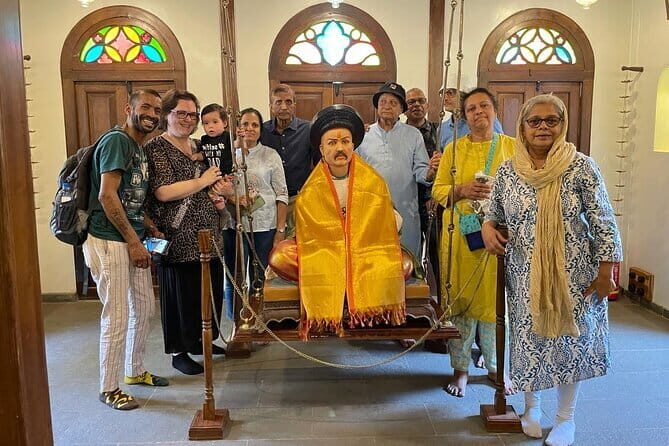
Pune can feel big on a map, but this tour makes it feel like one connected story. You start in central areas and keep moving through the city’s different faces—ancient rock-cut worship, Maratha-era monuments, popular Ganesh devotion, and the everyday rhythm of markets.
What I appreciate is how the schedule is built for learning without feeling like a classroom. The route gives you time to look, ask, and understand. With a small group (up to 10), your English guide—such as Tejas, who has been praised for welcoming solo travelers and for impeccable English—can tailor explanations to what you’re actually curious about.
One practical plus: AC transport. Pune traffic can be unpredictable, and the car helps you stay fresh for temple visits and museum time.
A few more Pune tours and experiences worth a look
From rock-cut Shiva to Maratha power: the temple block
The tour begins at Pataleshwar Cave Temple. This is a rock-cut cave dedicated to Lord Shiva, and the key appeal is its simplicity and quiet feel despite being in the city. You’ll have about 30 minutes, plus free admission, so you can take in the setting without feeling rushed.
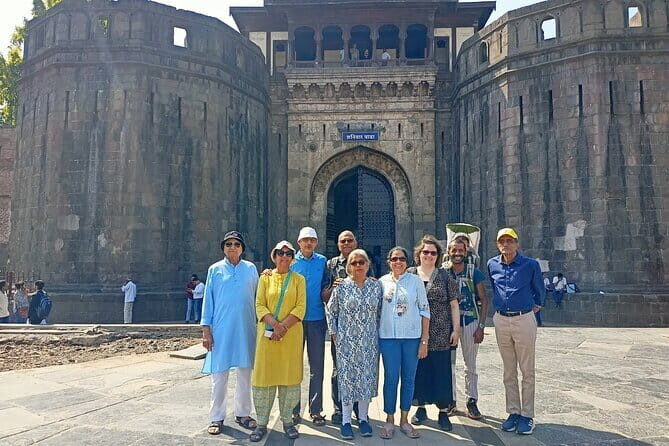
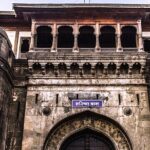
Next is Shaniwar Wada, a major historic site tied to Pune’s Maratha past. This is where the architecture and stories carry a different energy. The stop is about 30 minutes, and admission is not included—so it’s worth remembering that not every stop will be free on the day.
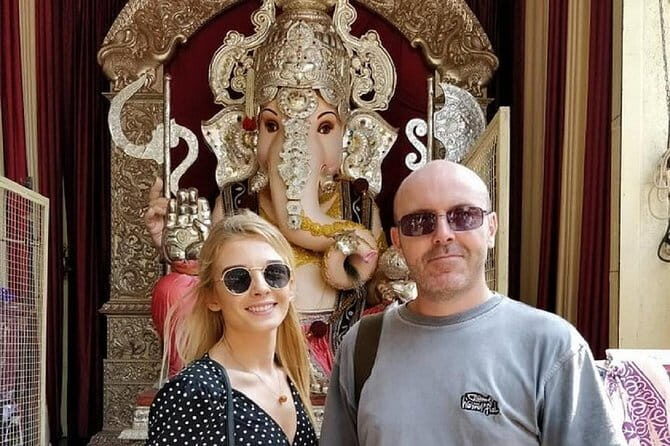
After that, you’ll head to Dagadusheth Halwai Ganapati Temple, known for the devotion around its richly adorned Lord Ganesha idol. Expect around 40 minutes and free entry. This is also a great stop for understanding how faith plays out in everyday city life: people don’t just visit, they participate.
Tip for temple stops: wear something that lets you move easily and covers shoulders and legs comfortably. Even when an entry fee isn’t involved, you’ll feel more at ease if your outfit matches the space.
Markets in Tulshibag and beyond: shopping with context
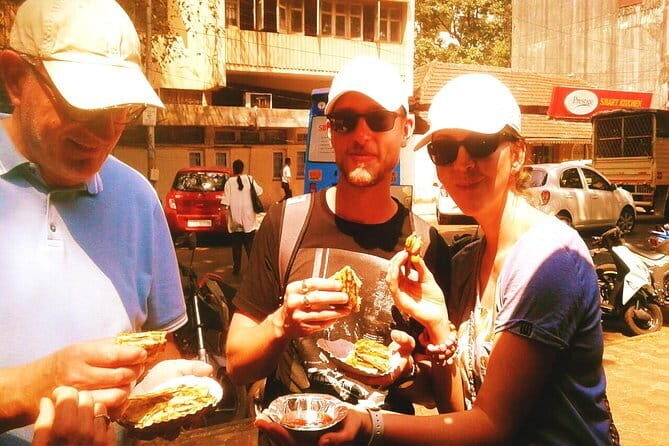
After temples, the tour shifts gears to Tulshibag Market, a practical introduction to Pune’s shopping culture. You get about 30 minutes, and the focus is on everyday goods: traditional jewellery, household items, and even trendy clothing. This is not the kind of market where you need a plan in advance—you can wander, compare prices, and pick up small souvenirs.
Then you’ll visit Mahatma Jyotiba Phule Market. This one adds a different kind of meaning. Instead of only commerce, it connects you to Mahatma Jyotirao Phule, including exhibits about his work in education and social justice. You’ll still get around 30 minutes, free admission, and a chance to slow down from bargaining mode into thinking mode.
For me, this market pair works because it shows two sides of the same city: what people buy, and what people value.
Vaishali lunch: the break that actually matters
At Vaishali Restaurant, lunch is included, and it’s a long stop—about one hour. The food focus is classic and specific: dosas, uttapas, and filter coffee. This matters more than you’d think. After several religious stops, having a predictable meal plan keeps you from rushing and makes the rest of the day feel more relaxed.
If you’re picky about spice, tell your guide what you prefer; you’ll still be able to find something that fits. And if you’re a coffee person, don’t skip the filter coffee—this is one of those Pune staples that’s easy to remember later.
Aga Khan Palace: freedom struggle + open lawns
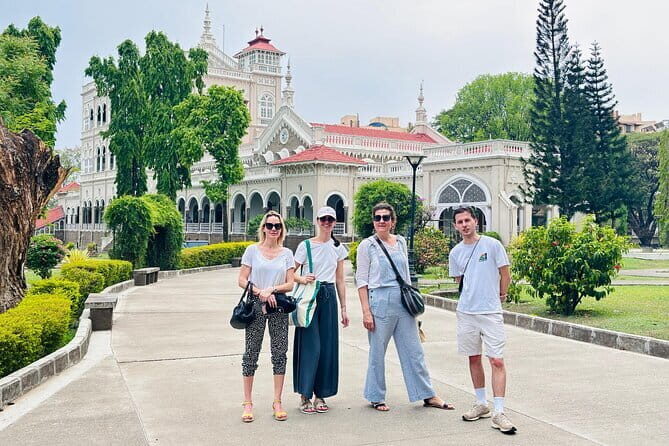
Next up is Aga Khan Palace, a serene, memorable place tied to India’s freedom struggle. You’ll have about 40 minutes here, and admission is not included.
What makes this stop especially worthwhile is the combination: a museum component plus space to breathe. The museum covers Mahatma Gandhi’s life, and the palace grounds give you a different pace from the temple circuits. Even if you’re not a museum person, the setting helps you absorb the story without feeling boxed in.
Practical note: since entry isn’t included, plan to pay the monument fee on the day if you want to go in.



ISKCON Pune Camp: carved architecture and group chanting
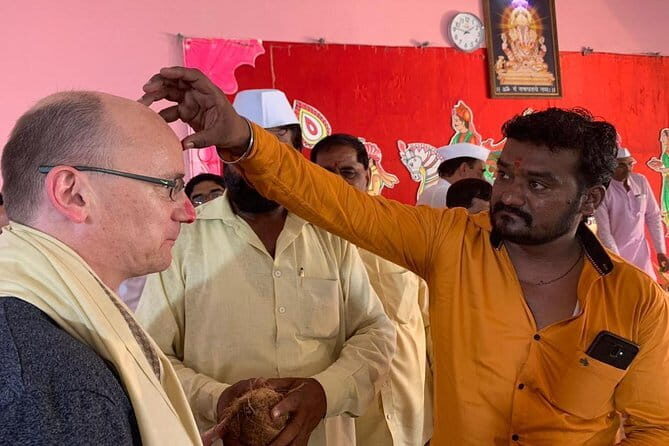
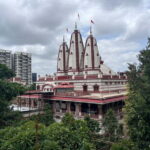
If you want one more spiritual atmosphere after temples, ISKCON Pune Camp delivers. The tour gives you around 30 minutes, free admission, and you may see or participate in aartis and chanting.
The highlight here is how the temple environment feels intentional—beautiful, carved architecture and a quieter rhythm than the more crowded temple areas you saw earlier. The tour also mentions pure vegetarian prasadam, which is a nice way to close the spiritual loop with something tangible and simple.
Even if you’re not religious, this stop can be a peaceful cultural reset. It’s one of those places where you’ll feel the community vibe without needing to know every detail upfront.
Zero Stone: the small stop that gives big perspective
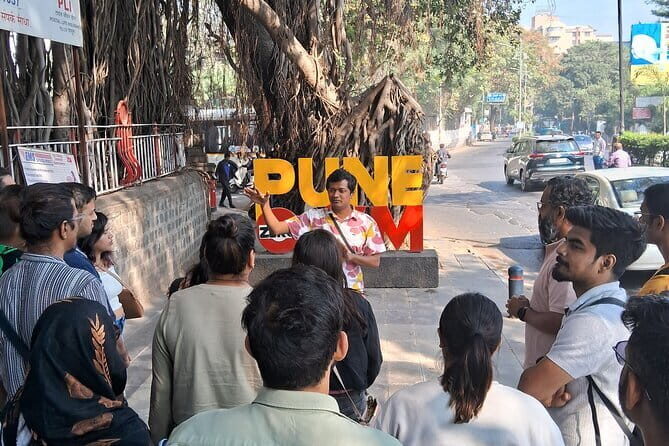
The tour ends with Zero Stone, a geographical reference point where Pune’s distances were once measured. It’s only about 30 minutes, but it changes how you see the city.
This is a great stop for your “wait, how did the city plan work?” brain. It connects Pune to colonial-era infrastructure and urban evolution. You’re not just looking at landmarks—you’re getting one concrete point that explains how the city grew around systems of measurement.
It’s the kind of detail that doesn’t sound impressive until you’re standing there, looking at how everything lines up around one reference point.
Price and value: what $67.94 really buys
At $67.94 per person, the price is mainly paying for a smooth day out: AC car transport, hotel pickup and drop, an English guide, and lunch included. For a first-time visit, that’s the value—someone else handles routing, timing, and interpretation so you can focus on seeing.
What’s not included is the monument admission fee (listed as ₹600 per person). Your route is a mix: some stops say admission is free, while others (like Shaniwar Wada and Aga Khan Palace) don’t. So in practice, you’re budgeting for the paid sites and getting the rest of the day without extra ticket hassle.
Also note the structure: the tour runs 7–9 hours with up to 10 travelers. That small group size often makes the guide’s explanations feel more personal, especially for solo travelers who want to ask questions without awkwardness. (One past guest specifically praised Tejas for making a solo traveler feel welcome.)
Who this tour is best for
This is a strong pick if you want:
- A first-time Pune overview that still includes real culture, not just quick stops
- A day that mixes temples + markets + a major palace/museum
- Comfort and clarity: hotel pickup, AC car, and an English guide
It may be less ideal if you:
- Hate being on a tight schedule
- Want long stays at museums or prefer to linger around shops for hours
- Are trying to avoid any paid admissions completely (there is a monument fee)
Practical tips for a smoother day
Keep these small details in mind and you’ll enjoy the day more:
- Bring water and plan for temple etiquette: quiet voices and respectful dress help
- Wear comfortable shoes—you’ll be walking around multiple sites
- If you’re shopping at Tulshibag, set a small budget so you don’t lose track of time
- Have a plan for the paid sites: since admission isn’t included, keep some cash or card readiness for the monument fee
Also, the tour notes that it needs good weather. If conditions are poor, you should expect a different date or a full refund.
Should you book this Pune day tour?
I’d book this if you want a well-paced, first-timer-friendly tour that connects Pune’s religious sites, everyday markets, and key historical stop at Aga Khan Palace—without you spending hours organizing transport. The value comes from the full-day structure: AC car + hotel pickup/drop + lunch + English guide, plus a compact group size that makes questions easy.
I’d hesitate only if you strongly dislike paid admissions or you prefer a slow, unstructured day. If that’s you, Pune is a city where independent exploring can be great—but for getting oriented fast and seeing a lot in one go, this tour is a practical choice.