A Himalayan camping trek for next to nothing. The Snowline Trek from McLeod Ganj strings together a guided climb, a classic Triund pause, and an overnight camp night that feels properly off-the-grid. I love that it includes the big practical stuff—meals and proper campsite sleeping gear—so you’re not piecing together logistics at the last minute. I also like the pacing: a full hiking morning to Snowline, then a next-day descent that gets you back to town by early afternoon. One drawback to plan for is real: at least some departures can feel disorganized on the ground, including guide assignment hiccups, so you’ll want to confirm details early.
If you like simple, group-based adventures with a clear plan, this works. The professional trek leader concept is a strong selling point, and the overnight tents with sleeping bags, mattresses, and a washroom tent make it much more comfortable than DIY camping. My main caution is that “good weather” matters, and the early starts can catch you off guard—especially if your confirmation time doesn’t match the morning rhythm you’re expecting.
In This Review
- Key Takeaways Before You Go
- Why the Snowline Trek Route Works from Dharamsala
- Getting Started in McLeod Ganj: Timing and Group Feel
- Day 1 to Snowline: The Hike Up and the Triund Break
- Overnight at Snowline: Camping Comfort Without the Chaos
- Day 2 Back Down via Triund: What the Return Day Feels Like
- Price and Value: What $28 Really Covers (and What It Doesn’t)
- Trek Leader and Organization: The One Thing to Watch Closely
- Who This Snowline Trek Is Best For
- Should You Book the Snowline Trek?
- FAQ
- What time does the trek start in McLeod Ganj?
- How long does it take to reach Snowline on Day 1?
- Are meals included?
- What camping gear is provided for the overnight stay?
- Does the trek include Triund?
- What fitness level do I need?
- What happens if the weather is poor?
Key Takeaways Before You Go
- All meals included for a full day of hiking plus one campsite night
- Camping comfort package: tents, sleeping bag, mattress, and a washroom tent
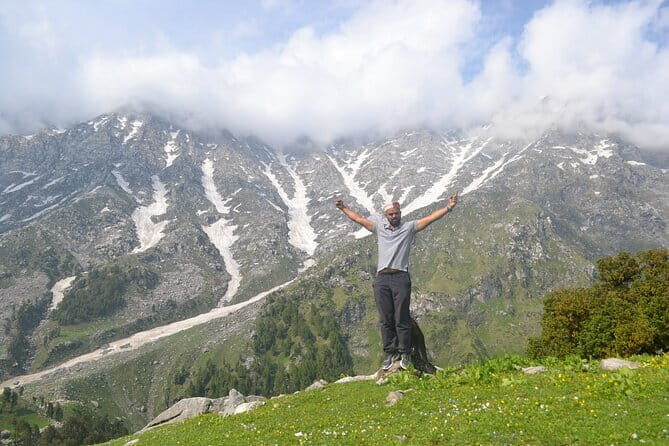
- Triund stop built in on the way up and back (good for views and a break)
- Low price for a 2-day guided trek—but extra equipment and extra water are on you
- Smallish group cap (max 50) keeps it social without turning into a stampede
Why the Snowline Trek Route Works from Dharamsala
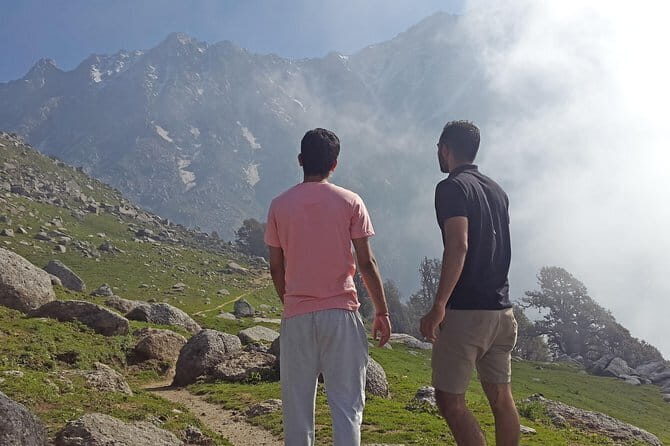
The Snowline Trek is built around a simple idea: get out of town, earn your mountain air, then sleep somewhere most people never bother to reach. Starting from McLeod Ganj gives you an easy launch point, and it’s the kind of route where the day slowly opens up as you gain height.
What makes this trek especially appealing is that it’s not only about walking. You also get a meaningful pause at Triund, so you’re not just grinding upward with nothing to look forward to. And when you finish Day 1, you’re not hauling gear into the unknown—your tent and sleeping setup are handled, which turns the overnight into an actual experience instead of a test of patience.
The price is the other big reason people gravitate here. At $28 for roughly two days, you’re paying for a guided hike plus basic camp infrastructure, not for a private, luxury operation. That can be a great value if you’re flexible and show up ready to hike.
You can also read our reviews of more hiking tours in Dharamsala
Getting Started in McLeod Ganj: Timing and Group Feel
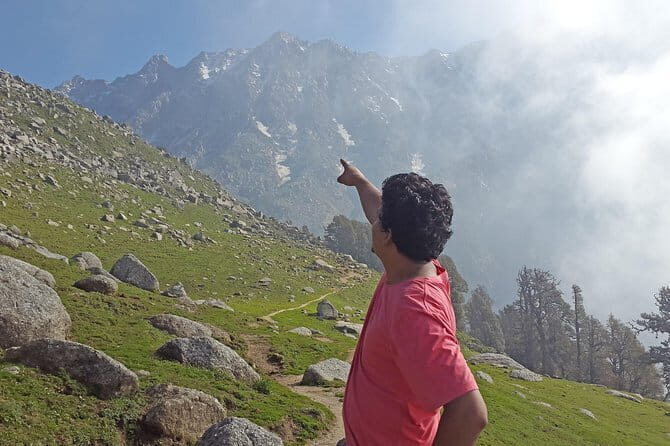
You’ll begin in McLeod Ganj (Dharamshala area), and the morning schedule is the heart of the day. The plan described for Day 1 is a morning meeting around 8:00 AM, then the hike starts around 8:30 AM. In the tour info you may also see a separate start time listed as 10:00 AM, so I’d treat this as a “confirm your exact timing” moment rather than guessing.
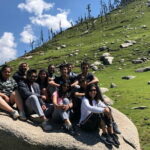
The tour runs with a maximum of 50 people, and it’s a group trek. That means you’ll move at a group pace, stop when the leader decides it’s time, and you’ll share the narrow trail moments with others. If you like meeting people and staying in sync, that’s a plus. If you want total solitude, this style is not for you.
The meeting point is also noted as being near public transportation, which matters in practice. You can usually get there without turning your day into a car-and-hassle mission.
Day 1 to Snowline: The Hike Up and the Triund Break
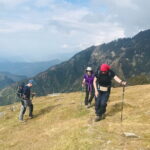
Day 1 starts with a short meetup moment—arrival at the meeting point, a quick interaction with the tour leader, then you head out right away. The hike from McLeod Ganj to Snowline is listed as roughly 4–6 hours, which is a wide window, so you should plan your energy like the slower half might happen.
Along the way, you’ll make time for Triund Hill and pass through Triund Top. The stop is around one hour, and it’s not filler. A stop like this gives you a chance to catch your breath, check the view, and reset your legs before the push to the campsite.
One practical note: the trek is described as guided with a professional leader, and the experience is framed around a clear “reach Snowline by the end of the hiking block” plan. That matters because routes can look similar from below, and a leader helps you avoid wandering off-group or guessing at the turns.
Potential drawback: if your group organization is chaotic, that one-hour Triund break and the promised guide support can become stressful. One caution I picked up from a reported experience is that, on at least one departure, a guide wasn’t clearly assigned and people were asked to catch up with another group on a different (longer) trek. That kind of mix-up is rare, but it’s enough that I’d treat confirmation and meeting-point clarity as essential.
Overnight at Snowline: Camping Comfort Without the Chaos
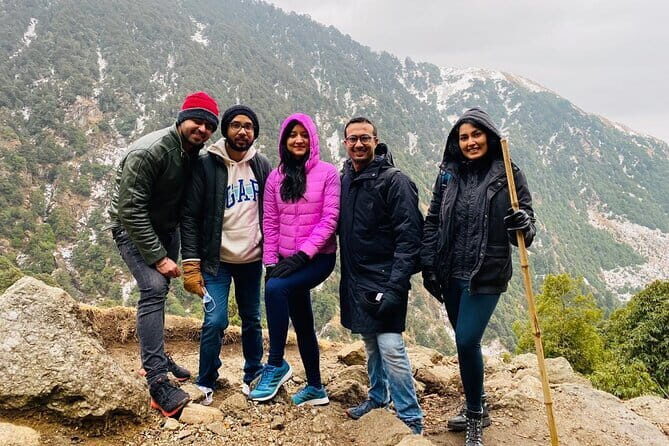
When you reach Snowline, the day shifts from hiking mode to campsite mode. You’ll get dinner and then spend the night in tents at the Snowline campsite.
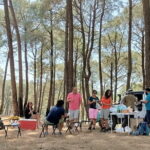
Here’s the part I genuinely like: you’re provided with tents, sleeping bags, and mattresses. That’s the difference between “camping in theory” and camping you can actually sleep through. You’re also given a washroom tent, which means you’re not just improvising in the dark with everyone else.
The included setup also changes your packing math. You can focus your bag on warm layers, a headlamp, and basics like water and any personal meds, rather than hauling gear that makes the trek more effort than it needs to be. If you’ve ever seen people struggle because they showed up without the right sleeping gear, you know why this matters.
Now for the real-world truth: a camping night on a mountain trek can still feel cold or uncomfortable compared to a hotel. The comfort is better here because the sleeping setup is included, but the environment doesn’t care about your itinerary. Bring layers you can work with and keep your night routine simple.
Day 2 Back Down via Triund: What the Return Day Feels Like
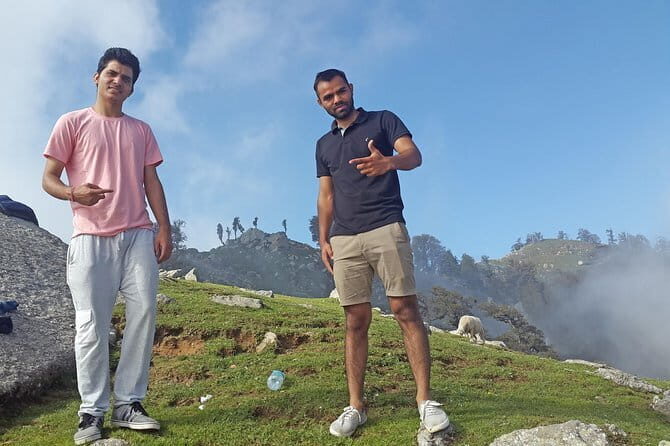
Day 2 starts with breakfast, then the hike begins from Snowline to McLeod Ganj at around 8:00 AM. You’ll go back via Triund again, and the plan says you’ll be back in McLeod Ganj by noon.
For me, the descent day is where your legs get judged. Even when the route is shorter in hours, going down can be harder on knees than going up feels on the way out. The good news is that you’ve already got the benefit of rest and a proper campsite night. You’re not waking up and immediately sprinting into a full-day climb.
The return through Triund also makes the experience feel complete. Triund isn’t just a quick photo stop; it’s part of both directions of the trek. That means you get a second chance to enjoy the view, stretch a bit, and mentally reset before you reach town.
Price and Value: What $28 Really Covers (and What It Doesn’t)
At $28 for an approximately 2-day guided trek, this is priced like a budget adventure. And that’s exactly what you should evaluate: it’s not a premium private trip, but it does cover the core cost drivers for this type of experience—guide support, food, and campsite basics.
What’s included:
- Breakfast and dinner
- 1 night in camp at Snowline
- Tents, sleeping bag, mattress, and washroom tent
- Experienced trek leader
What’s not included:
- Extra trekking equipment like shoes and poles
- Water bottles (bring your own)
- Any extra luggage porter support (it’s listed as not included)
That “not included” list matters because it affects comfort and safety. If your footwear is questionable, the whole trek feels harder. If you show up with no ability to carry water, you’ll end up rationing and slowing down. The experience gives you a camp base, but it doesn’t make you into a different person—you still need the basics.
Also, you can ask about group discounts if you’re traveling with friends. Since the trek is organized as a group event, it’s often where saving money gets possible if your booking group is larger.
Trek Leader and Organization: The One Thing to Watch Closely
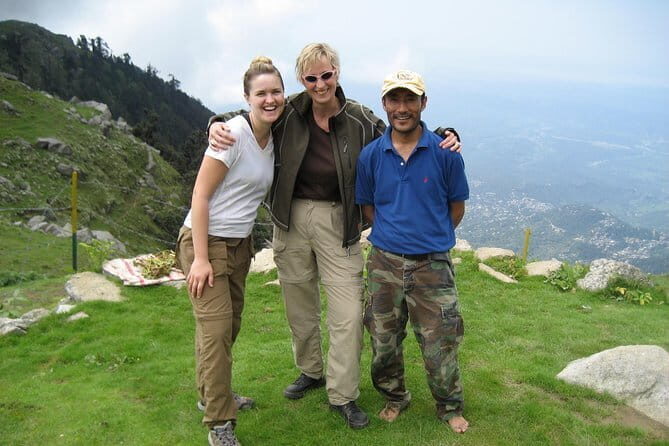
This is the section I’d focus on if you want the trip to go smoothly. The tour emphasizes a professional trek guide and includes an experienced leader, which is what you want on a mountain trail.
But organization quality can’t be assumed. One reported issue described the trek being conducted by an outsourced agency that didn’t seem to know who the guide would be that day. People ended up asked to catch up with another group that left earlier for a longer trek, and some didn’t end up with proper guidance.
I can’t predict how your departure will go. What I can do is help you reduce risk:
- Confirm your guide details before the hike starts (even a simple question at the meeting point helps).
- Arrive early so you’re not rushed into figuring out where your group is supposed to be.
- If the leader isn’t clearly present, pause and ask rather than assuming it will be sorted while you walk.
This isn’t about doom. It’s about avoiding the kind of avoidable stress that can turn a great trek into a frustrating one.
Who This Snowline Trek Is Best For
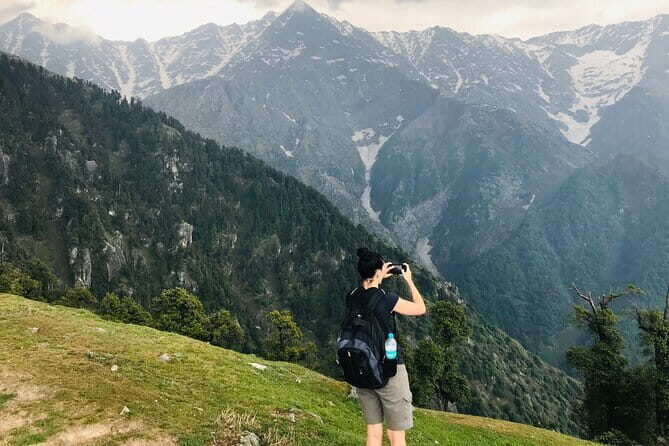
This trek fits best if you want a guided mountain hike with an overnight camp setup and you’re okay moving as part of a group. The physical requirement is described as moderate, so it’s not pitched as extreme mountaineering.
You’ll likely enjoy it if you:
- Like classic Dharamsala-area trekking routes with a planned rhythm
- Want Triund included without needing to plan the details yourself
- Prefer a trip where meals and camp gear reduce your planning load
You might want to skip it if you:
- Need total schedule certainty and hate early starts
- Are very sensitive to organization issues and prefer private guiding
- Want lots of downtime or a slow, leisurely pace
Should You Book the Snowline Trek?
If you’re looking for value and you’re comfortable hiking as part of a group, I’d call this a solid booking—especially because camp setup and meals are included, and the route is structured around two good anchors: Snowline and Triund.
I’d book with a small “be prepared” mindset. Confirm timing (8 AM vs a listed 10 AM), confirm guide assignment at the start, and bring your own trekking essentials like shoes and water. Do that, and the $28 price can feel like a win.
If you’re someone who can’t handle any uncertainty on the ground, then the one organizational risk makes it harder to recommend with full confidence. In that case, you might be happier with a more premium trek where guiding is less likely to shift day-of.
FAQ
What time does the trek start in McLeod Ganj?
The plan for Day 1 calls for meeting at McLeod Ganj around 8:00 AM and starting the trek around 8:30 AM. The tour info also lists a start time of 10:00 AM, so it’s smart to confirm your exact start time when you get booking confirmation.
How long does it take to reach Snowline on Day 1?
It’s listed as about 4–6 hours of trekking from McLeod Ganj to Snowline.
Are meals included?
Yes. You get breakfast and dinner included in the tour price.
What camping gear is provided for the overnight stay?
You’ll be provided tents, a sleeping bag, and a mattress, plus a washroom tent at the campsite.
Does the trek include Triund?
Yes. You pass through Triund Top and spend about one hour during the Day 1 route. On Day 2, you hike back via Triund again.
What fitness level do I need?
The trek is described as suitable for people with moderate physical fitness.
What happens if the weather is poor?
The tour requires good weather. If it’s canceled due to poor weather, you’ll be offered a different date or a full refund.