REVIEW · DHARAMSALA
Laka Glacier Trek with Manu Adventures India
Book on Viator →Operated by Manu Adventures India · Bookable on Viator
Snow days in the Himalayas. I like this Triund-and-Laka Got Glacier trek because you get world-class mountain views plus real camp time, not just a quick hike-and-go. I love the way Triund’s high viewpoint makes the whole Dharamsala valley feel close, and I also love the silly-fun payoff at the glacier—snow play, photos, and even building a snowman. One consideration: it’s a guided hike in altitude terrain, so you’ll want moderate fitness and a willingness to climb steadily.
Manu Adventures India runs it as a private group, and the support shows up in practical stuff: mountain ponies can carry the gear so your personal pack stays lighter, and you’re looked after with warm camping setup and meals. If you’re the type who needs constant flat ground and zero effort, you may find the uphill days a bit demanding.
In This Review
- Key highlights you’ll feel fast
- Triund + Laka Got Glacier: why this route is more fun than it looks on paper
- Meeting in Bhagsu Nag and a 10:00 am start: plan your day around the handoff
- Day 1: McLeod Ganj to Triund and camping at around 9,500 ft
- Day 2: the hike toward Laka Got Glacier and the snowman moment
- Day 3: return descent and how to finish strong
- Camps, food, and chai: the parts that keep you sane
- Who this trek is for (and who should think twice)
- Gear and packing advice for snow play and camp life
- Price and value: is $74.71 per person a smart deal?
- Should you book Laka Glacier Trek with Manu Adventures India?
- FAQ
- FAQ
- What is the price of the Laka Glacier Trek with Manu Adventures India?
- How long is the trek?
- Where does the tour start?
- What time does the trek start?
- Is this tour private?
- What kind of physical fitness level do I need?
- Do I get a mobile ticket?
- What will I experience during the trek?
- Is the meeting point near public transportation?
- What is the cancellation policy?
Key highlights you’ll feel fast
- Triund viewpoints: the big valley view that makes the climb feel worth it
- Laka Got Glacier snow time: snow play and photo moments built into the route
- Camping with meals: warm camp time and food that keeps energy up
- Lighten-the-load logistics: mountain ponies can carry gear for you
- Support from the guides: Manu and guides like Ranji, Ranu, and Shivam are often praised for care and motivation
Triund + Laka Got Glacier: why this route is more fun than it looks on paper
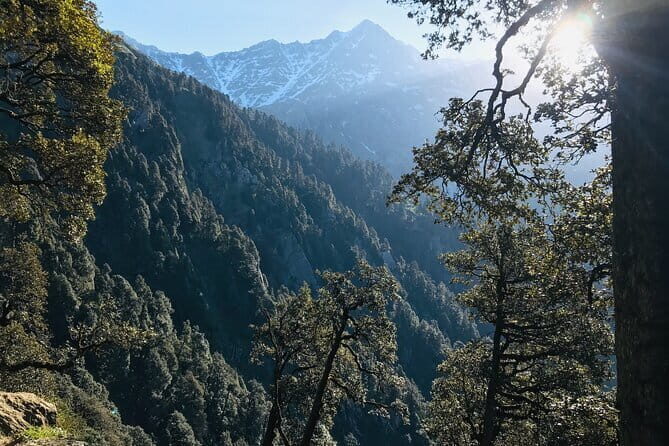
On paper, this is a “3-day trek.” In real life, it’s closer to two different moods of mountain travel packed together.
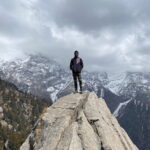
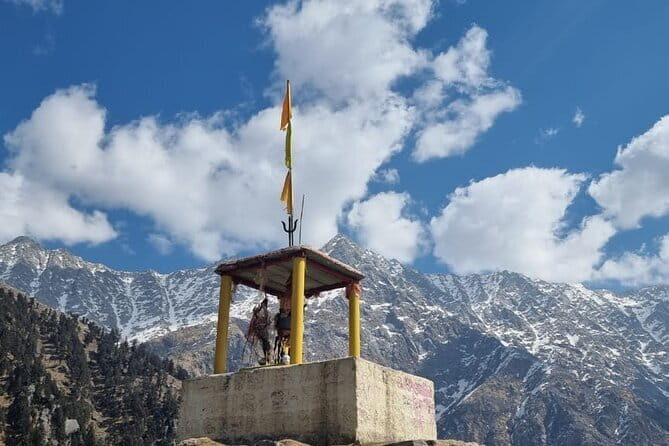
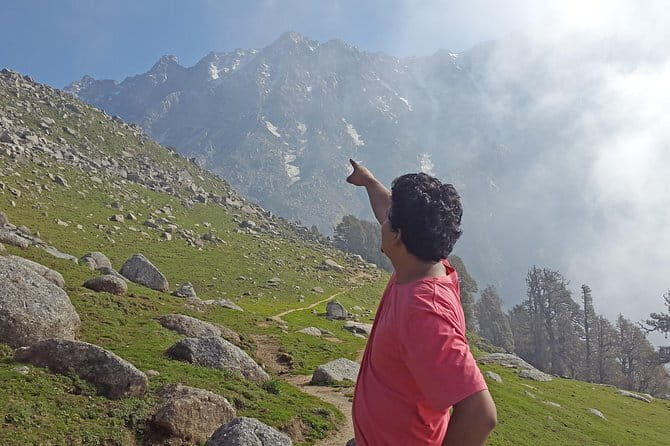
You start with the Triund side of the Dharamsala hiking scene. Triund sits at about 9,500 ft (so yes, it’s altitude, not just a casual hillside walk). That height is part of why people fall hard for the views. From up there, the valley looks big and layered, and your brain clicks into vacation mode even while your legs are doing work.
Then comes the Laka Got Glacier part, which changes the whole vibe. You’re not just looking at snow-capped peaks anymore—you’re playing in snow. The trek is designed so that arrival at the glacier doesn’t feel rushed. You get time to make memories (snowman included) and take photos before you turn back.
The best part: this is still doable for a lot of first-timers because the structure is guided and camp-based. You’re hiking, sure, but you’re not “on your own survival show.” That balance—adventure with real care—shows up again and again in how people describe their time with Manu Adventures India.
You can also read our reviews of more hiking tours in Dharamsala
Meeting in Bhagsu Nag and a 10:00 am start: plan your day around the handoff
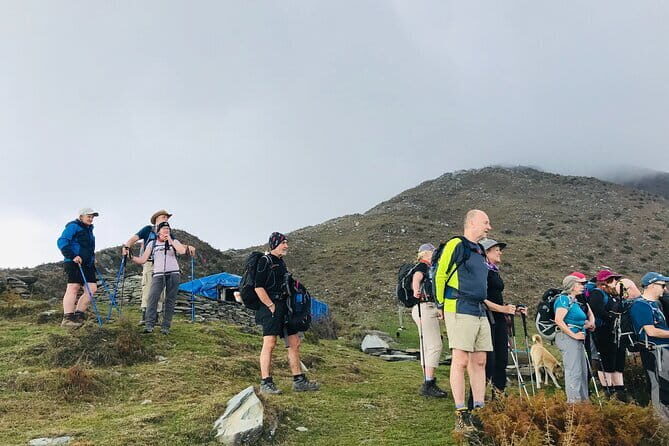
The meeting point is Manu Adventures India, Bhagsu Nag, Dharamshala (176219). The start time is 10:00 am, and the trek ends back at the same meeting point.
That 10:00 am start matters more than you might think. In Dharamsala/McLeod Ganj area, mornings can be pleasantly slow—until it’s time to move uphill. If you’re coming from elsewhere in town, give yourself buffer time to find the meeting spot and check in. A lot of the stress people feel on treks comes from being late, not from the hike itself.
Good news: the meeting area is near public transportation, so you’re not stuck finding a private taxi just to begin walking. Also, it’s run as a private tour/activity, meaning your group stays together without a stream of unrelated trekkers blending into your plans.
You’ll also get a mobile ticket, so you don’t need to keep paper printouts in your bag. Keep your phone charged, though. Mountains + cold weather can drain batteries faster than you expect.
Day 1: McLeod Ganj to Triund and camping at around 9,500 ft
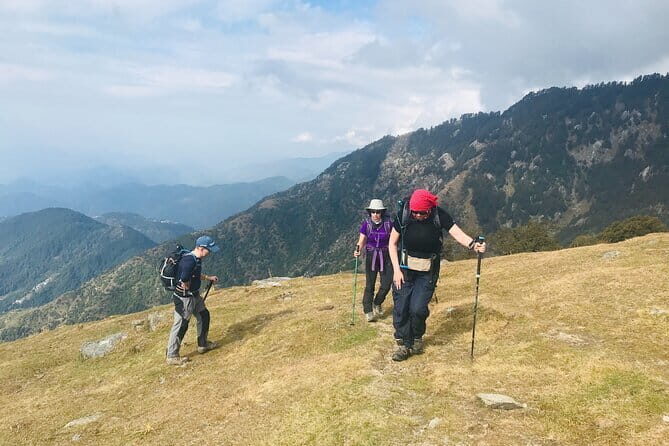
Day 1 is built around the classic Dharamsala-to-Triund climb. Expect an early-morning style feel even if the official start is 10:00 am, because once you begin, you’ll be spending real time hiking toward that Triund height.
Triund is the first “wow” marker. At around 9,500 ft, the views start appearing in layers—valley first, then mountains, then the sense that you’re moving into the sky. People love this part because it’s a steady reward loop: each bend brings a wider view, and the altitude helps you feel that you’re somewhere special without requiring technical climbing.
One detail that can change your comfort a lot: mountain ponies can carry the gear. That can mean you’re walking with a lighter backpack than you might otherwise expect, so your hike feels more like hiking and less like hauling.
Timing and effort: one trek described a first day that climbed roughly 3,000 meters over about 9 km. Even if your exact day pacing differs, that gives you a sense of the effort level. You’re not just taking a scenic stroll—your body will feel the climb.
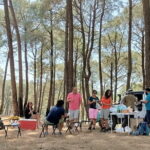
At the end of Day 1, you camp overnight near the Triund area. Camping here isn’t about luxury gear. It’s about warmth, food, and the chance to watch the mountain scene change as daylight fades. That night is part of the magic: the mountains go quiet, and you’re actually off the road system.
Day 2: the hike toward Laka Got Glacier and the snowman moment
Day 2 is where the trek stops being just “a hike” and turns into a full-on mountain experience.
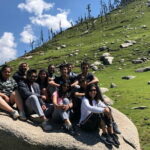
The route focuses on the most popular route to Laka Got Glacier. When people describe arrival, they almost always mention one theme: snow play. You’ll get time to play with the snow, make a snowman, and take photos. This is the part you remember later, because it’s not something you can fake with a good view.
In other words, Day 2 isn’t only about walking. It’s about the reward built into the schedule. You’re not arriving and immediately sprinting downhill. You’ve got room to slow down, look around, and enjoy that glacier feeling in a way that goes beyond standing still for photos.
Also, the guide team’s role becomes very visible here. Guides like Manu and others such as Ranji or Ranu (names that came up in accounts) are often praised for being attentive and professional, not just “walking ahead with a whistle.” That matters because Day 2 can be mentally tiring. Good pacing and encouragement help you keep going at your own comfort level.
If you enjoy goofy mountain activities, this day delivers. If you hate cold and wet, you’ll still likely have to handle chilly air and snow terrain, but at least you’ll have a plan and support.
Day 3: return descent and how to finish strong
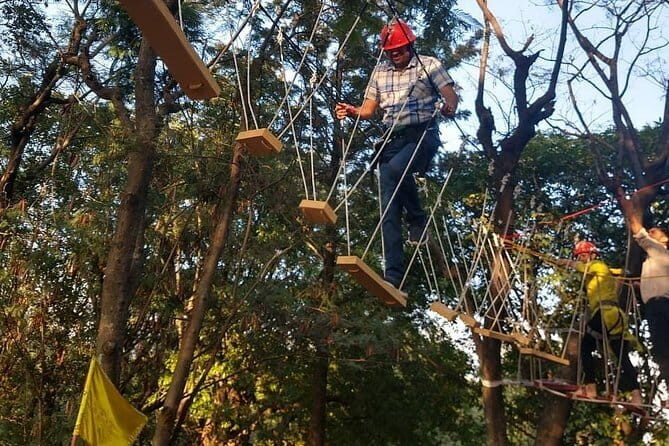
Day 3 is your descent—longer, more leg-focused, and more about staying comfortable than chasing adrenaline.
You’ll start from camp and head back down toward the meeting point area. One described itinerary pattern: Day 2 might include trekking partway down, then Day 3 is the full return descent in the morning.
Here’s the practical mindset to have: descending can be harder on the knees and feet than climbing feels. Your strategy should be boring and effective—shorter steps, steady rhythm, and good shoes. If your Day 2 snow fun leaves you a little sore, Day 3 is when you’ll notice it. That’s normal.
The upside is emotional. By Day 3, you’ve already done the hard part. You’re finishing a loop that includes camping and glacier time. So even if you feel tired, the day tends to feel rewarding rather than punishing.
Camps, food, and chai: the parts that keep you sane
People don’t praise this trek only for the scenery. They praise the day-to-day comfort, and that’s what makes a multi-day hike worth it.
Camp setup is repeatedly described as comfortable and warm. Meals come up again and again, including the idea that food is genuinely good (not just survival calories). Some trekkers also mention flexibility like being able to ask for an omelette, plus lots of chai and ginger tea.
That might sound small, but it’s huge in mountain conditions. Warm drinks help you reset quickly after chilly stretches. A good meal keeps your energy stable so you can focus on the hike instead of hunger-driven irritability.
One of the funniest and most memorable elements mentioned: cricket at around 3,300 meters. That kind of detail tells you the guides aren’t only managing logistics; they’re also keeping morale up. On a trek, mood matters. When you feel cared for, you walk better and enjoy more.
Guides are also described as friendly and professional—something you’ll appreciate if you’re on your first trek or if you’d just rather not feel like you’re winging everything.
Who this trek is for (and who should think twice)
This trek is a good fit if you want:
- a guided mountain hike with camping overnight
- a route that includes classic Dharamsala views at Triund
- a glacier day that includes actual snow play, not just distant photos
- support that helps keep the day on track (and keeps you comfortable)
It’s also stated that you should have moderate physical fitness. That’s a fair description. You can be “not a mountaineer” and still do this. But you can’t treat it like a casual walk.
If you’re someone who struggles with uphill endurance, long hours on uneven terrain, or altitude discomfort, I’d consider that carefully. Cold weather and snow can also change how your body feels day-to-day.
Best fit: first-timers who want a real trek experience without full independence, and small groups who like fun morale. It’s private, so you’re not sharing your pace with strangers who walk much faster or stop every two minutes.
Gear and packing advice for snow play and camp life
You’ll want to pack for two realities: a mountain hike and cold/snow conditions.
Your clothing plan should think in layers. Even if you’re moving, temps can drop quickly with altitude and shade. Bring a warm outer layer and something that helps you handle wind.
For footwear, don’t gamble with flimsy shoes. Trekking shoes with grip matter because you’ll be walking on dirt paths and potentially snowy or icy patches near the glacier. If your shoes get wet, you’ll feel it fast.
For your backpack: because mountain ponies may carry gear, your pack can be lighter than you might expect. Still, you’ll want essentials with you—water, snacks, and the layers you’ll actually use.
One more practical tip: keep your phone protected. The snow day is photo heaven, but cold and moisture can be rough on batteries and screens.
Price and value: is $74.71 per person a smart deal?
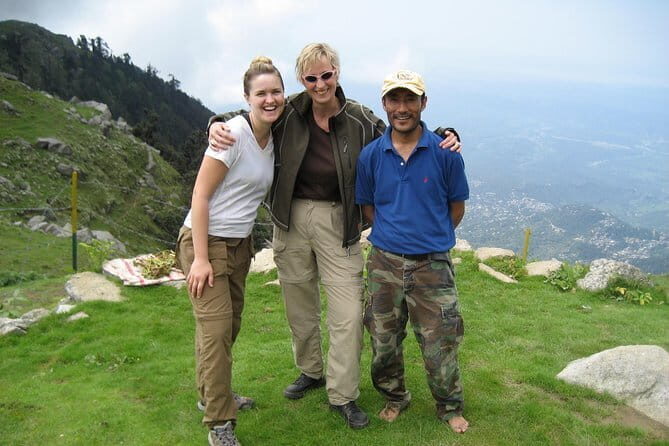
At $74.71 per person for an approximately 3-day guided trek, the value is mostly about what you’re getting included versus what you’d have to DIY.
What you’re paying for here:
- a guided route to Triund and toward Laka Got Glacier
- camp time (not just hiking through and leaving)
- meals and warm camping support (often specifically praised)
- mountain-day snacks/drinks like chai/ginger tea
- team care and management so you’re not handling logistics alone
- a private group setup
If you tried to copy this on your own, your costs would likely rise fast: transport, guiding, camp coordination, and food planning all add up. Even if you find a local guide separately, the “all-in” structure often saves both money and stress.
So the deal isn’t just the low number—it’s that you’re buying time and energy back. You can focus on hiking, snow fun, and the views, rather than building a mini expedition from scratch.
Should you book Laka Glacier Trek with Manu Adventures India?
I’d book this if you want a guided Dharamsala mountain trek that hits the right mix: Triund views, glacier snow play, and proper camp energy. The repeated praise for guide support (including names like Manu, Ranji, Ranu, and Shivam), plus warm meals and flexible comforts like chai and even omelette options, points to a crew that cares about more than just leading you up a trail.
Don’t book it if you’re looking for a mostly easy walk, or if your fitness level is closer to “I need flat ground.” This is a climb-and-descent trek with altitude and cold/snow potential.
FAQ
FAQ
What is the price of the Laka Glacier Trek with Manu Adventures India?
The price is $74.71 per person.
How long is the trek?
It’s listed as about 3 days.
Where does the tour start?
The tour starts at Manu Adventures India, Bhagsu Nag, Dharamshala, Himachal Pradesh 176219, India.
What time does the trek start?
The start time is 10:00 am.
Is this tour private?
Yes. It is a private tour/activity, and only your group will participate.
What kind of physical fitness level do I need?
You should have a moderate physical fitness level.
Do I get a mobile ticket?
Yes, the tour includes a mobile ticket.
What will I experience during the trek?
You’ll have guided hiking in the mountains, camping overnight, and time at Laka Got Glacier to play with snow and make a snowman with photo opportunities.
Is the meeting point near public transportation?
Yes, it is near public transportation.
What is the cancellation policy?
Free cancellation is available. You can cancel up to 24 hours in advance for a full refund. If you cancel less than 24 hours before the start time, the amount paid won’t be refunded.