REVIEW · NEW DELHI
Slum Tour – Sanjay Colony Slum Guided Walking Tour in DELHI
Book on GetYourGuide →Operated by Explore Real India · Bookable on GetYourGuide
Your assumptions will get a reality check here. This Sanjay Colony walk is an eye-opening look at work and community life in Delhi, led by local guides from the neighborhood; I especially like the hands-on way you learn about the garment-related economy and the chance to see both a Hindu temple and mosque on the route. The main drawback to plan around: it is a 2-hour outdoor walking experience and it is not suitable for wheelchair users or people with mobility impairments.
If you’ve ever worried about being intrusive, this tour is set up to feel more respectful and grounded. You start at Harkesh Nagar Okhla Metro Station (Gate-2), walk through Sanjay Colony’s industries and everyday routines, and end back where you started, with a rooftop view and a local house visit included. Sanjay Colony covers about 25 acres and is home to around 50,000 people, so even before you take your first step, you’re dealing with a real, lived-in neighborhood—one with strong togetherness and faith-based community spaces.
In This Review
- Quick hits before you go
- Entering Sanjay Colony from Harkesh Nagar Okhla Metro Gate-2
- Sanjay Colony at a glance: 25 acres, 50,000 people, and real work
- The two-hour educational walk: how you should think about the route
- Garment recycling and small businesses you’ll learn about
- Visiting both a Hindu temple and a mosque
- Rooftop view and a local house visit: what those add
- Cultural sensitivity and safety on a respectful guided walk
- Price and value: is $15 worth it?
- What to bring for a comfortable 2-hour walk in Delhi
- Who this tour fits best
- Should you book the Sanjay Colony Slum Guided Walking Tour?
- FAQ
- How long is the Sanjay Colony slum guided walking tour?
- Where do I meet the guide, and which metro line is easiest?
- What language are the tours offered in?
- What’s included in the tour price?
- Is food and drinks included?
- What places of worship will we visit?
- What should I bring, and what’s not allowed?
- Is it suitable for wheelchair users, and what if I need to cancel?
Quick hits before you go
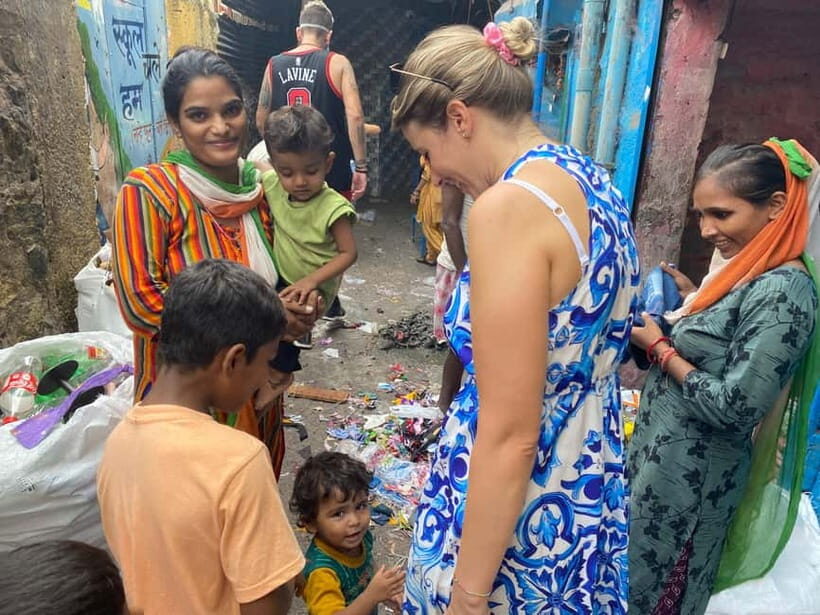
- Meet locals, not just the street scene: the route is guided by people from the community.
- Garment recycling and related work: you’ll learn how the neighborhood economy connects to everyday jobs.
- Two faith stops, one walking route: you visit both a Hindu temple and a mosque.
- Rooftop view + a local house visit: you get beyond the sidewalk into fuller context.
- Short, focused time: it’s a 2-hour walk, not an all-day commitment.
- Respect rules are part of the plan: no smoking, no alcohol, no drugs—simple and clear.
Entering Sanjay Colony from Harkesh Nagar Okhla Metro Gate-2
This tour starts at a metro station, which helps a lot in a city as big as Delhi. Your meeting point is Harkesh Nagar Okhla Metro Station, Gate-2, and the easiest way to reach it is by taking the Violet Line. Your guide will be waiting there, and the tour ends back at the same meeting point, so you’re not stuck figuring out how to get home at the end.
What I like about starting here is that it keeps the experience practical. You show up, you connect with the guide, and then you walk as a group into the neighborhood. Also, the tour includes a subway ticket, so you’re not paying for transport separately as part of the day.
One more note for your comfort: this is a walking tour and you’ll be outdoors. If you’re the type who usually packs light, plan to pack smarter—comfortable shoes and water are not optional here.
You can also read our reviews of more walking tours in New Delhi



Sanjay Colony at a glance: 25 acres, 50,000 people, and real work
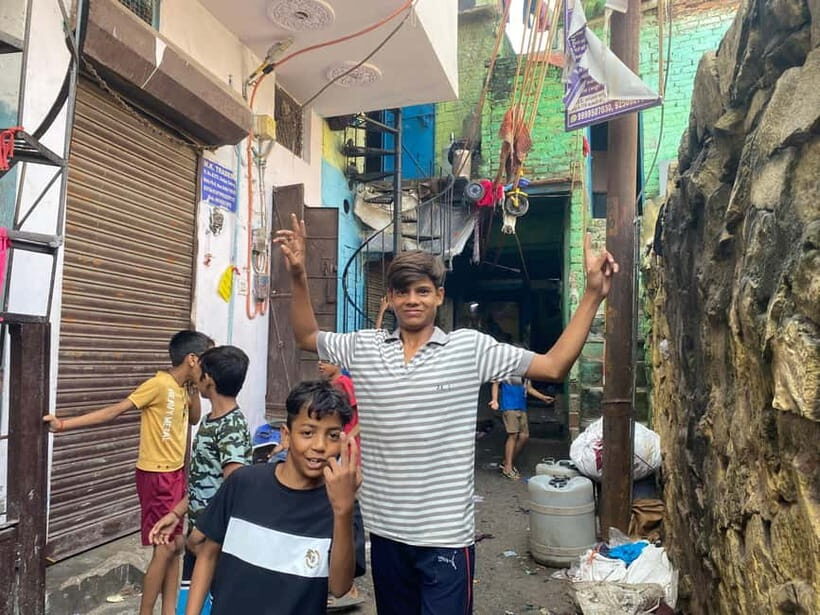
Before you head in, the tour gives you the framework you need to understand what you’re seeing. Sanjay Colony is about 25 acres and is home to roughly 50,000 people. It used to be forest land, but it’s now an area with dense housing and small industries clustered around daily life.
The industries you’re likely to hear about include garment recycling, automotive parts, and electronics—work that supports the neighborhood and connects it to wider city demand. The goal isn’t to turn this into a sad-stories show. It’s to challenge stereotypes with actual lived detail: how people work, how small businesses function, and how community life holds together even with constraints.
That context matters. If you go with a checklist mindset—look, take photos, move on—you’ll miss the point. If you go with curiosity and respect, the whole neighborhood reads differently: you start noticing routines, mutual support, and how people build stability through work and relationships.
The two-hour educational walk: how you should think about the route

The tour is a 2-hour educational walk designed to feel like a guided introduction to everyday neighborhood life. You’ll spend that time walking through key areas, learning about local industries, and meeting residents along the way. The guides also focus on the neighborhood’s youth and how the community supports people growing up there.
Here’s how to make the most of the time: treat it like a conversation with your feet. Ask questions when you’re invited to. Listen when you’re not. And keep your pace steady—because this is not a quick drive-by tour.
A big part of the value is that the guides are from the community. That doesn’t automatically make everything “objective,” but it does mean you’re less likely to get the generic version of slum life. You’re getting local framing—how people interpret their own day-to-day world, and how they want outsiders to see it.
Garment recycling and small businesses you’ll learn about
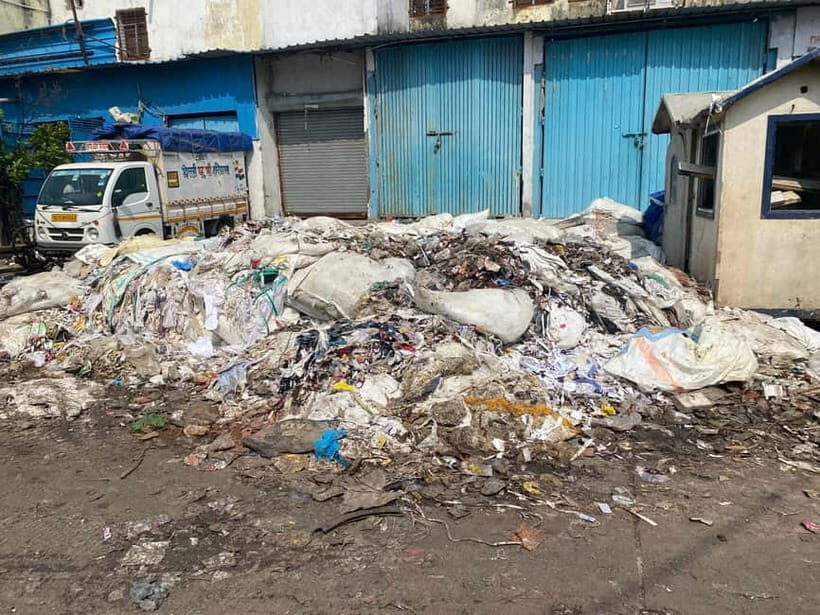
If there’s one economic thread the tour highlights, it’s the garment industry—especially garment recycling and related work. This isn’t a distant topic. You’ll be walking through the environment where that work happens and hearing how it supports livelihoods.
You’ll also learn about other small businesses in the area, including automotive parts and electronics. Even if you know nothing about those trades, the tour helps you connect the dots: who does what, how work cycles through the neighborhood, and how these industries keep daily life moving.
Why this matters for you as a visitor: it shifts the conversation from stereotypes to systems. Instead of asking only, What’s wrong here? you start asking, What keeps people going, and what skills, tools, and networks make it possible?
Also, garment-related work connects to global supply chains. You don’t need to know the whole industry to feel that larger link once you understand how the neighborhood economy operates on a practical level.
Visiting both a Hindu temple and a mosque
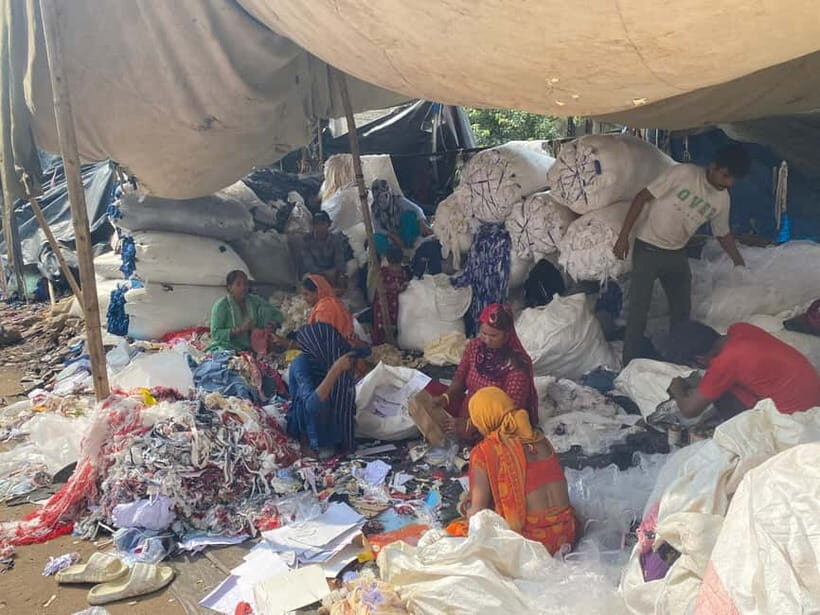
One of the most meaningful parts of the tour is the stop sequence. You visit a Hindu temple and a mosque, showing religious diversity within the same neighborhood space.
This is more than a box-check cultural stop. In areas like this, religion often anchors community routines—where people gather, how they mark time, and how faith is practiced daily. When you visit both, you see that the neighborhood is not defined by just one tradition. It’s shared space, side-by-side.
Practical tip: dress and behavior matter. The tour asks you to bring long pants and a scarf, which is usually meant to support respectful visiting at places of worship. Even if you’re not sure what the local expectation is at every moment, these items help you handle it gracefully.
Also, go in with a quiet, respectful mindset. You’re walking through active religious spaces. Keep your questions thoughtful, and follow what your guide advises in real time.
You can also read our reviews of more guided tours in New Delhi






Rooftop view and a local house visit: what those add
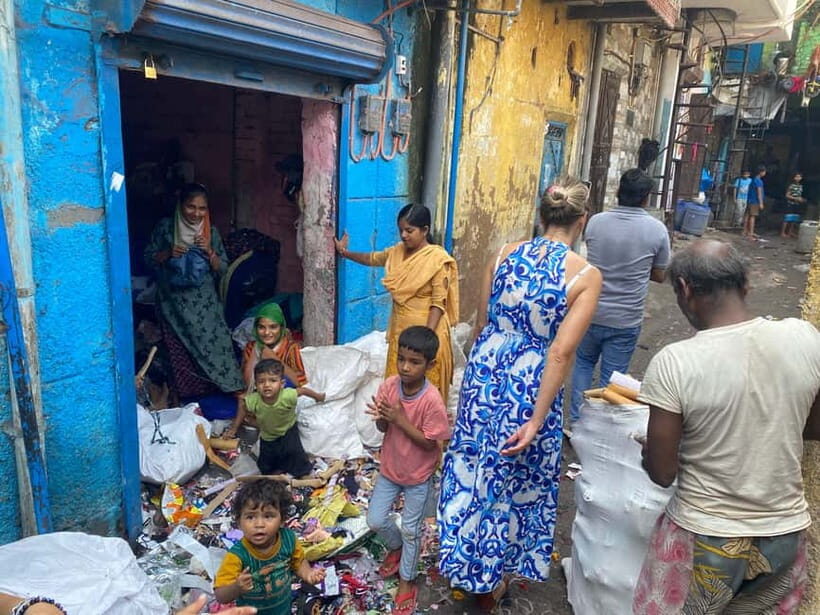
Two items in the tour are especially valuable for getting beyond street-level impressions: a rooftop view and a local house visit.
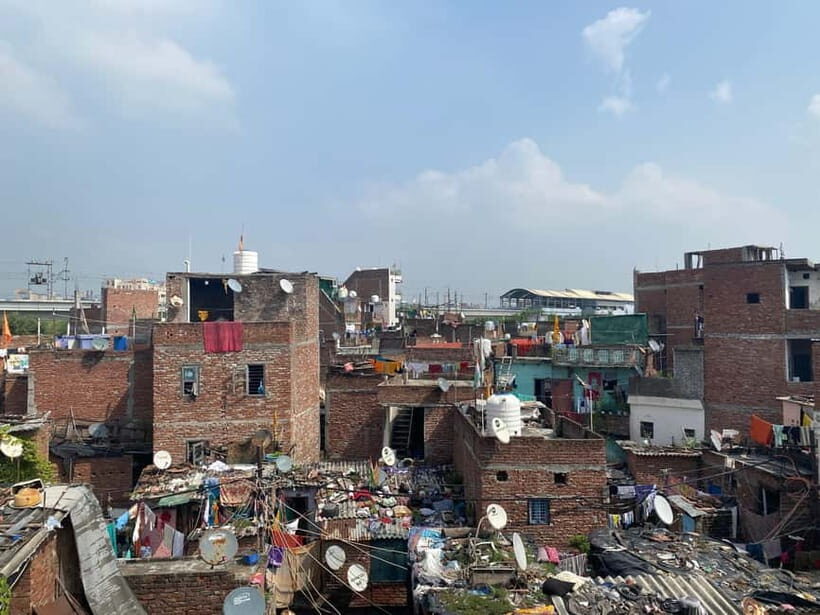
A rooftop view helps you see scale and layout that you simply can’t notice from the ground. It’s the kind of perspective that makes earlier explanations click—how dense housing fits together, where community spaces sit, and how neighborhoods function vertically as well as horizontally.
Then comes the local house visit. The point here is not spectacle. It’s context. You learn about daily life from the inside of a real home, guided in a way that keeps the experience respectful. You get a clearer sense of what life looks like when you’re not just passing by.
Because the tour only gives a basic overview of what happens, don’t expect a detailed documentary-style explanation at every moment. You’ll get impressions, questions, and guided interpretation—and that’s often the best format. It lets you stay present without turning everything into a performance.
Cultural sensitivity and safety on a respectful guided walk
This tour is set up as a safe and respectful walk with local guides. That matters because slum tours can go wrong when the visitor mindset becomes voyeuristic. Here, the structure is educational and community-led, with clear rules for conduct.
The tour explicitly notes what not to do: no smoking, no alcohol, and no drugs. That’s a good sign of how the provider thinks about keeping the interaction appropriate and comfortable for everyone involved.
It also asks you to respect local customs and traditions. Translation: be flexible with how people move around you, keep your tone calm, and follow the guide’s cues. If something feels awkward, a guide-led environment usually helps you correct course quickly.
And yes, you’ll want to be ready for a real neighborhood walk. Bring what you need so you don’t end up distracted by discomfort. Comfortable shoes, water, and sunscreen are on the recommended list for a reason.
Price and value: is $15 worth it?
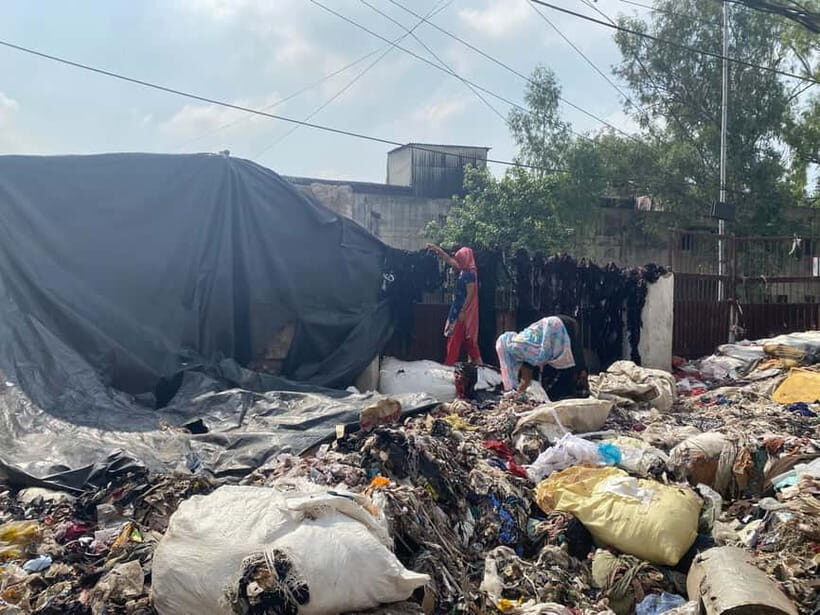
At $15 per person, this is one of the more affordable ways to do a guided, structured neighborhood experience—especially for a 2-hour walk that includes more than sightseeing.
Here’s what you’re paying for:
- A local English-speaking guide from the community
- A 2-hour educational guided walking route
- A subway ticket included in the tour
- Visits to a Hindu temple and a mosque
- A rooftop view
- A local house visit
- Insights into local industries (garment recycling plus other small businesses)
What that means in real terms: you’re not just paying for access. You’re paying for interpretation and logistics—getting you to the right meeting point, moving you via metro support, and putting local context around what you see.
What’s not included is also clear. Food and drinks are not provided, and you’ll handle personal expenses yourself. So budget for snacks if you tend to get hungry during walking tours.
For the price, the value is strongest if you want a guided, respectful introduction with cultural stops and community-based context.
What to bring for a comfortable 2-hour walk in Delhi

The tour’s packing list is simple and practical. I’d treat it as the minimum baseline:
- Comfortable shoes (you’ll be walking)
- Sunglasses
- Snacks
- Sunscreen
- Water
- Long pants
- Scarf
- Hand sanitizer or tissues
Also, keep the rules in mind: no smoking, alcohol, or drugs. You’ll avoid problems and keep the mood respectful.
One more practical note: the tour isn’t suitable for people with mobility impairments or wheelchair users. If walking for two hours is tough for you, you’ll likely find this hard to manage.
Who this tour fits best
This is a strong fit if you:
- Want a guided look at community life, not just a photo stop
- Prefer local context from community guides
- Are curious about the garment-related economy and small businesses
- Appreciate visiting places of worship with local instruction and cultural sensitivity
It may not be your best choice if you:
- Need wheelchair access or extra mobility accommodations
- Want a lighter, non-walking experience
- Are looking for food or a full-day itinerary (this one doesn’t include meals)
Should you book the Sanjay Colony Slum Guided Walking Tour?
If you like tours that are structured, respectful, and led by people who live the story every day, I think this is worth booking. The combination of industry insights, a rooftop view, a local house visit, and two faith stops gives you more than the usual “walk and watch” experience.
Before you go, do two things: pack the basics (water, sunscreen, shoes), and go in ready to listen. If you show up with curiosity and follow your guide’s instructions, you’ll leave with a much clearer, less stereotype-driven picture of how this neighborhood works—and how community ties keep people going.
FAQ
How long is the Sanjay Colony slum guided walking tour?
The tour is a 2-hour educational walk.
Where do I meet the guide, and which metro line is easiest?
Meet at Harkesh Nagar Okhla Metro Station, Gate-2. The easiest way to reach it is by taking the Violet Line metro and exiting at Gate-2.
What language are the tours offered in?
The tour is offered in English.
What’s included in the tour price?
Included are the 2-hour educational walk, a subway ticket, a local guide, visits to a Hindu temple and a mosque, insights into local industries, a rooftop view, and a local house visit.
Is food and drinks included?
No. Food and drinks are not included.
What places of worship will we visit?
You’ll visit a Hindu temple and a mosque during the tour.
What should I bring, and what’s not allowed?
Bring comfortable shoes, sunglasses, snacks, sunscreen, water, long pants, a scarf, and hand sanitizer or tissues. Smoking, alcohol, and drugs are not allowed.
Is it suitable for wheelchair users, and what if I need to cancel?
It is not suitable for people with mobility impairments or wheelchair users. You can cancel up to 24 hours in advance for a full refund, and you can reserve with pay later (book now and pay nothing today).