REVIEW · NEW DELHI
7 Days Golden Triangle Delhi,agra, Jaipur
Book on Viator →Operated by Abyss Tours · Bookable on Viator
If India is on your wish list, this route is a smart start. You get a 7-day Golden Triangle plan built around Delhi, Agra, and Jaipur, with private transport so you spend less time figuring things out.
I particularly like the way the tour spreads the big sights across multiple days instead of doing a frantic smash-and-grab. Two clear wins for me are the inclusion of breakfast each morning and the early, priority-feeling sunrise Taj Mahal visit.
One possible drawback: monument entry fees (and most camera fees) are not included, and in Delhi the itinerary includes major stops without an included English-speaking guide (though one can be arranged for an extra cost).
In This Review
- Key Highlights at a Glance
- Golden Triangle in 7 Days: what the pace really means
- Day 1 in Delhi: airport meet-and-greet and a calm landing
- Day 2 in Delhi: Jama Masjid, Red Fort, Qutub Minar, Humayun’s Tomb, and Lotus Temple
- Jama Masjid (free entry, start in Old Delhi)
- Red Fort (a Mughal statement, entry not included)
- India Gate drive pass, then Qutub Minar
- Humayun’s Tomb and Lotus Temple for contrast
- A Delhi note: no included English guide
- Day 3: Jaipur arrival with Jantar Mantar and City Palace
- Day 4: Hawa Mahal, Amber Palace, Jal Mahal, and Johari Bazar time
- Albert Hall drive pass and Hawa Mahal photo time
- Amber Palace (the day’s heavy hitter)
- Jal Mahal quick stop and free time at Johari Bazar
- Day 5: Chand Baori in Abhaneri before heading to Agra
- Day 6: Taj Mahal at sunrise plus Agra Fort
- Why sunrise timing is more than a marketing line
- Agra Fort after the Taj
- Day 7: free morning in Delhi, then afternoon transfer out
- Price and logistics: where your money goes (and what you’ll pay separately)
- Who this private Golden Triangle tour is best for
- Should you book this 7-day Golden Triangle plan?
- FAQ
- Are entrance tickets to the monuments included?
- How many breakfasts are included?
- Do I get a local guide in Delhi, Jaipur, and Agra?
- Is the Taj Mahal visit timed for sunrise?
- How are airport transfers handled?
- What is the meeting point at the start of the tour?
- What vehicle will I travel in?
- Is this a private tour?
Key Highlights at a Glance
- Private airport transfers: pick-up and drop-off handled for you at Delhi’s IGI airport
- Sunrise Taj Mahal: you’ll be up early and focused on the best light
- Mix of included guidance: local guides in Jaipur and Agra (Delhi guide is extra if you want English-speaking help)
- Real-world pacing: drive passes for some stops, plus actual time at the big landmarks
- Stepwell and forts: Chand Baori before Agra and Agra Fort after the Taj
- Breakfast included: 6 breakfasts spread across the trip, built into the value
Golden Triangle in 7 Days: what the pace really means
This is the classic Delhi–Agra–Jaipur loop, but the structure matters. You’re not just ticking off names. You’re moving through India’s layered story: Mughal power in Delhi and Agra, then Jaipur’s Rajput flair and “Pink City” identity.
The big practical benefit is private transport. Between traffic, long drives, and the chaos of getting across neighborhoods, having a car ready keeps the day from turning into navigation work. Also, the itinerary includes some planned downtime: arrival day has free time, and the final day in Delhi is left open in the afternoon before you transfer out.
Still, 7 days is tight for three massive cities. Expect an efficient pace. Some places are a quick stop or a drive-by, which can feel like “seeing the front door” rather than doing a slow, deep look at every corner.
A few more New Delhi tours and experiences worth a look


Day 1 in Delhi: airport meet-and-greet and a calm landing
You start at Delhi Indira Gandhi International Airport (IGI), Terminal 3, with a representative waiting at Arrival Terminal-3, Exit gate 5 holding a placard. That small detail is a big deal in a city this size: it lowers stress right when you’re tired from the flight.
Once you’re met, the plan is straightforward: transfer to your hotel, and then the rest of the day is free. You’ll overnight in Delhi, and the next morning begins the sightseeing push.
This “land and breathe” approach works well if you’re not used to India’s pace. You get time to exchange money, sort SIM cards, or just adjust before temples and forts start demanding your attention.
Day 2 in Delhi: Jama Masjid, Red Fort, Qutub Minar, Humayun’s Tomb, and Lotus Temple
Delhi day is a walk-through of style changes. You begin in Old Delhi with Jama Masjid, then move into Mughal-era monument scale and finally a shift into Indo-Islamic and modern devotional architecture.
Jama Masjid (free entry, start in Old Delhi)
You’ll visit Jama Masjid after breakfast. The timing and location matter: Old Delhi streets can be intense, so starting early helps. The good news is it’s listed with admission free, so you’re not juggling fees at the door.
What you’ll notice fast is how it reads as a civic space, not just a building. It’s big, active, and clearly part of daily life.
Red Fort (a Mughal statement, entry not included)
Then you move to the Red Fort. It’s one of the most recognizable Mughal reminders in Delhi, with long walls and that fortress-like presence. The tour gives you about an hour here, but the entry ticket is not included.
If you care about photos, Red Fort is one of those places where you’ll want to plan your angles. Also, you’ll likely notice that the day is a mix of included “time inside” and optional “take your time” wandering.





India Gate drive pass, then Qutub Minar
After that, there’s an India Gate drive pass. You’re seeing it from the road, so think of it as context and orientation rather than a full visit.
Next is Qutub Minar, highlighted as an early Indo–Islamic architecture icon and described as the tallest brick minaret in the world. Your time here is about an hour, and again, admission is not included.
Humayun’s Tomb and Lotus Temple for contrast
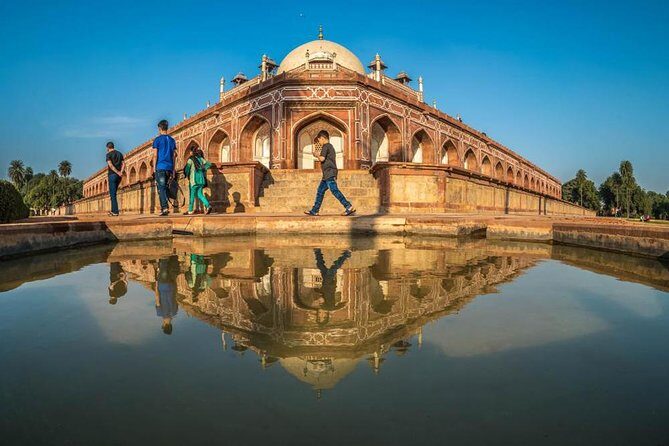
You also visit Humayun’s Tomb (entry not included). It’s compared to the Taj Mahal because it helped shape the later design ideas—so if you’re a “follow the design evolution” type of traveler, this is a useful stop.
Finally, Lotus Temple is included with an admission-free entry. It’s quick, about 30 minutes. It’s also a good palate cleanser after the heavier stone and fort look of the Mughal sites.
A Delhi note: no included English guide
One thing to keep in mind: the tour includes local tour guide support in Jaipur and Agra only. Delhi does include sightseeing stops and you’ll have transport, but if you specifically want English-speaking interpretation for Delhi’s main sites, the tour says that can be arranged for an extra cost.
If you’re the kind of traveler who enjoys reading up beforehand, you might be fine. If you prefer a running commentary, plan for the optional Delhi guide.
Day 3: Jaipur arrival with Jantar Mantar and City Palace
On Day 3 you travel from Delhi to Jaipur. The plan includes a drive and a tea/coffee stop break around the way, so you’re not doing a straight grind all at once.
Once you arrive, your first major stop is Jantar Mantar, the observatory. It’s listed as about 40 minutes and entry is not included. Even if you don’t go deep into the science, it’s one of those places that makes you look at the sky differently. The scale of the instruments is hard to capture fully from one quick glance.
Next is City Palace of Jaipur. This is about an hour, and again admission is not included. The palace is described as a blend of Rajput and Mughal architecture and includes the multi-storeyed Chandra Mahal in the center. You’ll get a real sense that Jaipur wasn’t just a fort city. It was a functioning capital with power, ceremony, and daily movement.
Day 4: Hawa Mahal, Amber Palace, Jal Mahal, and Johari Bazar time
This is your most recognizable “Pink City” day. You’ll get a mix of quick photo moments, one big fort, and a relaxed shopping window.
Albert Hall drive pass and Hawa Mahal photo time
Your day begins with a drive pass near Albert Hall, then a stop (short) near Hawa Mahal. It’s listed as free admission and around 15 minutes.
Hawa Mahal is famous for that façade look—so your priority here is to see the structure clearly and then decide if you want more time beyond what the tour offers. If you’re photo-focused, this quick stop can still work, since the landmark is visually strong.
Amber Palace (the day’s heavy hitter)
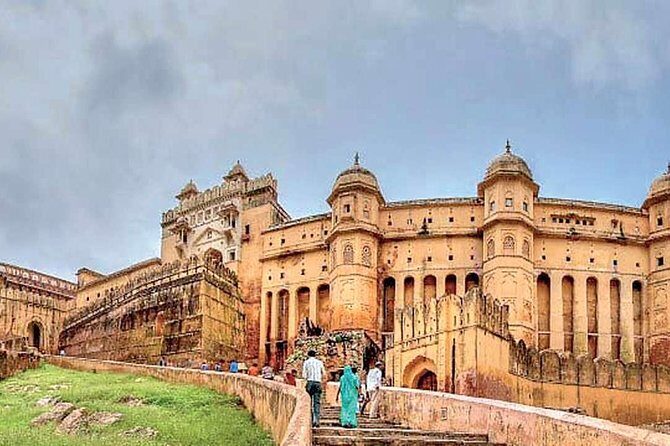
Next is Amber Palace, about an hour. Entry isn’t included. Amber sits atop hills, so the approach and views are part of the experience, not just the walls. You’ll get that sense of Rajput fort life: courtyards, palace rooms, and the big “power on a hill” feel.
Tip for your own planning: wear shoes you can handle on uneven ground. Even if you don’t see every interior room, you’ll still be walking and standing a lot.
Jal Mahal quick stop and free time at Johari Bazar
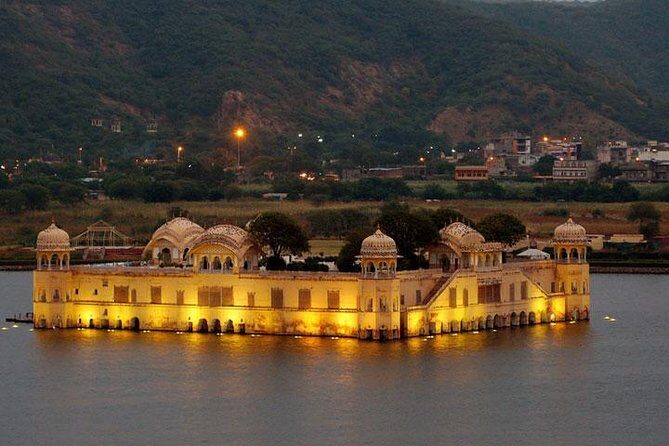
Then you stop at Jal Mahal for a short look. It’s described as set in the middle of Man Sagar Lake and listed as free admission, about 15 minutes. The tour notes renovation around the lake, which means you might see some construction activity.
Afterward, you’re given free time for local shopping in Johari Bazar. This is one of the best parts of the day because it gives you control. You can browse for textiles, jewelry-style souvenirs, or simply snack and people-watch in the market streets.
If you want to shop, go in with a rough budget. The tour doesn’t include meals, so you’ll likely pay for lunch on your own.
Day 5: Chand Baori in Abhaneri before heading to Agra
This day is built around a smart detour. Instead of driving straight from Jaipur to Agra, you visit Chand Baori in Abhaneri, about 30 minutes.
Chand Baori is described as a village location about 95 km from Jaipur on the Jaipur–Agra road. Entry is not included. It’s not as famous as the Taj Mahal, but it gives you a different kind of architectural wow: stepwell geometry.
It’s a useful “break from the big-name monuments.” By the time you reach Agra, you’ll be less likely to feel like every day is just another fort-shaped building.
Then you transfer to Agra and set yourself up for the next morning’s centerpiece.
Day 6: Taj Mahal at sunrise plus Agra Fort
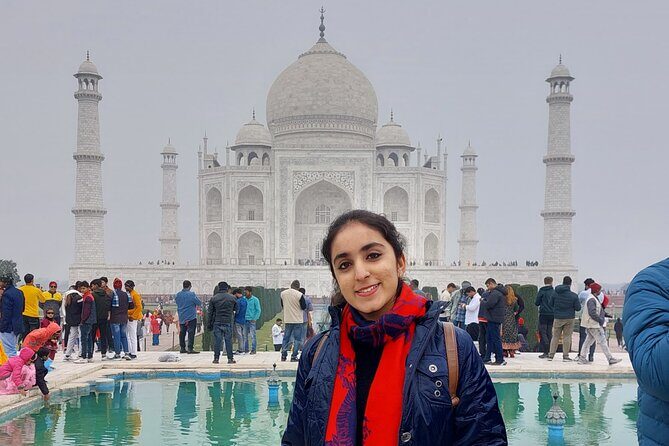
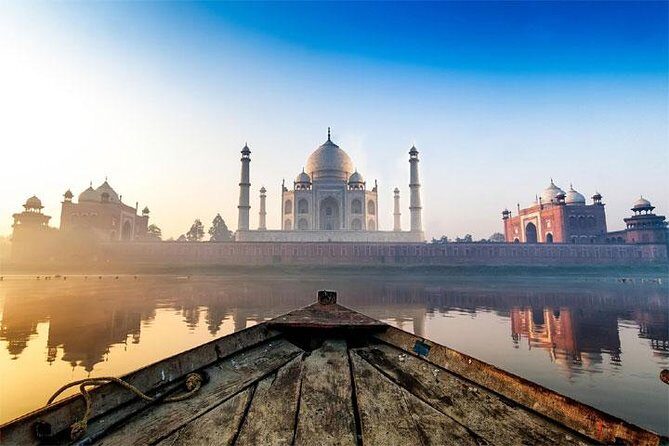
Day 6 is the main event: Taj Mahal at sunrise. The itinerary notes you wake up early and visit the Taj Mahal at sunrise time, with about 2 hours allocated. Admission is not included.
Why sunrise timing is more than a marketing line
The sunrise choice matters because the Taj Mahal’s look changes fast with the light. You typically get a softer glow and fewer crowds than later in the day—so your photos and your experience can feel calmer. Even if you’re not a sunrise person, this is one of those “do it at least once” moments.
Your best move: keep your plans simple. Hydrate, wear layers you can remove, and don’t over-pack your day with extra stops. This tour already assigns a lot of weight to the Taj, and it’s worth giving it attention.
Agra Fort after the Taj
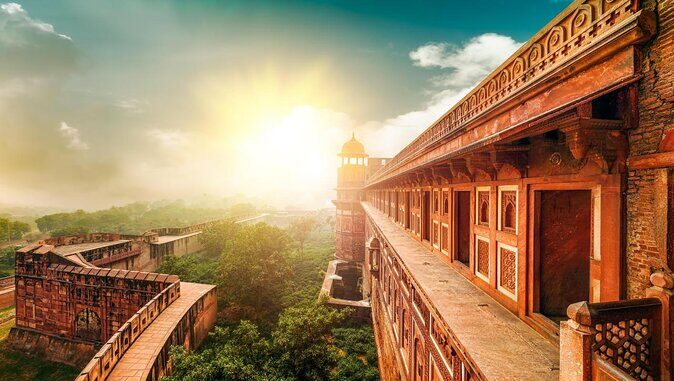
After the Taj Mahal you visit Agra Fort, about an hour. Entry is not included.
Agra Fort is described as yet another proof of Mughal architectural brilliance, sitting near the gardens of the world-famous complex. The key here is contrast: the Taj Mahal is pure romantic icon. Agra Fort is the practical, defensive, administrative side of imperial power.
If you only pick one “Agra” experience, pick the Taj. But if you like understanding the broader story, adding Agra Fort gives you that context.
Day 7: free morning in Delhi, then afternoon transfer out
You finish the tour back in Delhi. After breakfast, the day is free and you have an afternoon transfer to either the Delhi airport or railway station for your onward destination.
That free time is valuable because it lets you handle real-life travel needs: last-minute shopping, a meal you actually want, or just time to recover after a full week of early starts and walking.
The itinerary ends back at the meeting point, so your planning is cleaner.
Price and logistics: where your money goes (and what you’ll pay separately)
At $346.67 per person for roughly 7 days, the best value comparison is not against a basic budget hotel. It’s against what you’d pay for the full bundle: accommodation for multiple nights, private transportation, and airport transfers.
What’s included:
- 6 nights accommodation
- Breakfast (6)
- Private transportation
- Both private airport transfers
- Local tour guides in Jaipur and Agra
- All taxes, fees, and handling charges
What you’ll likely pay separately:
- Monument and camera fees at entrances (listed as not included)
- Lunch and dinner unless specified
- Optional English-speaking Delhi guide (can be arranged on an additional cost)
So the honest picture is this: you’re paying for convenience and structure, not for ticket prices. If you’re the type who hates surprise costs, plan a buffer for admissions.
Also, the tour supports Premium and Budget Accommodation, which can change your comfort level significantly. If you care about room standards, ask what tier you’re getting at booking.
On the transport side, it’s air-conditioned and sized by group size:
- 1–3 people: Swift Dzire or Etios
- 4–6 people: Toyota Innova
- 7–10 people: Tempo Traveler
That means it’s more likely you’ll all ride comfortably together.
Who this private Golden Triangle tour is best for
This works especially well if you:
- Want private transport to cut down planning stress
- Like having a day-by-day structure with built-in guidance in the key cities
- Are okay paying monument entry fees separately
- Prefer sunrise-focused sightseeing for the Taj Mahal
It’s also a strong pick for first-time India trips because the itinerary starts with a meet-and-greet and then handles transfers cleanly.
If you travel as a couple or small group, the “only your group participates” private model can be a big quality boost. The tour also requires a minimum of 2 people per booking, so it’s not meant for single-person solo plans.
Should you book this 7-day Golden Triangle plan?
I’d book it if you want a smooth, well-paced Golden Triangle with less friction than DIY planning. The combination of breakfast included, private airport transfers, and the early Taj Mahal sunrise makes it feel like a trip designed for real travelers, not just a checklist.
Skip it (or adjust your expectations) if your priority is having English-speaking guides in every single Delhi stop. The tour includes local guiding in Jaipur and Agra, and Delhi guidance for English interpretation is optional at extra cost.
One practical last tip: since monument admissions are not included, set aside money early for entry fees and camera charges so your day stays calm.
If you do book, you’ll likely appreciate the organization and communication pattern shown in past feedback, including being met on arrival and having the trip handled from airport to airport without you chasing details.
FAQ
Are entrance tickets to the monuments included?
No. Monument and camera fees are not included as applicable at entrances.
How many breakfasts are included?
The tour includes breakfast for 6 mornings.
Do I get a local guide in Delhi, Jaipur, and Agra?
Local tour guide support is included for Jaipur and Agra only. An English-speaking tour guide for Delhi can be arranged for an additional cost.
Is the Taj Mahal visit timed for sunrise?
Yes. You visit the Taj Mahal at sunrise time with about 2 hours allocated.
How are airport transfers handled?
You get both private airport transfers: pick-up on arrival and drop-off when you leave.
What is the meeting point at the start of the tour?
Start is at IGI Airport Terminal-3, Delhi 110037, India, with the representative at Arrival Terminal-3 Exit gate number 5 with a placard. The listed start time is 9:00 am.
What vehicle will I travel in?
It depends on group size: 1–3 people use Swift Dzire or Etios, 4–6 use Toyota Innova, and 7–10 use a Tempo Traveler. It’s air-conditioned.
Is this a private tour?
Yes. It’s a private tour/activity, meaning only your group participates.