REVIEW · NEW DELHI
From Delhi: Jaipur Private Tour with Guide & Hotel Pickup
Book on GetYourGuide →Operated by Happy India Tour · Bookable on GetYourGuide
One day in Jaipur, then back to Delhi. This private car day plan shines on Amber Fort and the 900+ window views of Hawa Mahal, guided by people like Abbas or Kamran who know how to keep the day moving without feeling rushed.
The tradeoff is time. You’ll do several major stops plus a long Delhi-to-Jaipur drive, and a couple of them are photo stops—great for pictures, but they won’t give you hours to wander.
In This Review
- Key takeaways
- Getting From Delhi to Jaipur: Comfort Beats Chaos
- Amber Fort: The Hilltop Masterpiece and the Views That Hit Fast
- Panna Meena ka Kund: A Stepwell Stop That Adds a Different Angle
- Hawa Mahal: 900+ Windows, Cool Air Theory, and Smart Photo Moves
- Jal Mahal From the Road: The Water Palace Without the Crowds
- City Palace: Where Mughal, Rajput, and European Styles Collide
- Jantar Mantar: UNESCO Astronomy Instruments You Can Actually See
- Gaitor Ki Chhatriyan: Cenotaphs That Feel Quiet and Human
- Lunch Break: Optional Rajasthani Food That’s Worth Planning
- Price and Value: Is $33 Per Person Reasonable
- What the Guides and Drivers Really Make Better
- Who Should Book This Jaipur Day Trip From Delhi
- Should You Book This Jaipur Private Tour?
- FAQ
- How long is the Jaipur private tour from Delhi?
- Where can I be picked up and dropped off?
- Which monuments are included during the day?
- Are monument entry tickets included?
- Is lunch included?
- What guide languages are available, and is the tour wheelchair accessible?
Key takeaways
- Private, air-conditioned car with hotel pickup and drop-off across Delhi and NCR
- Amber Fort + City Palace + Jantar Mantar + Hawa Mahal in one efficient day
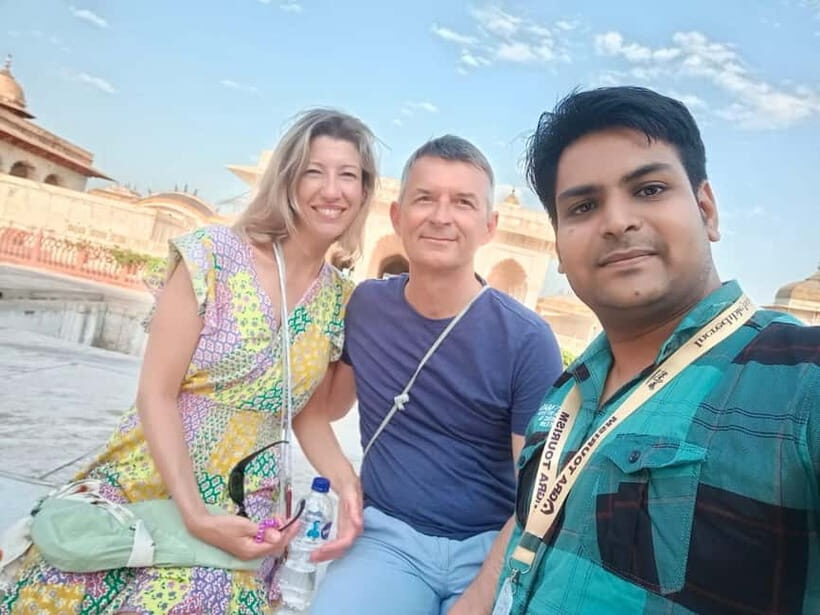
- Guides who answer questions and help with photos (names you may meet include Abbas, Himmat, Kamran, Ragu, Arbab, and Avin)
- Skip-the-line style entry when you book the option with monument tickets
- Photo-friendly stops like Jal Mahal from the roadside and Hawa Mahal from the street
Getting From Delhi to Jaipur: Comfort Beats Chaos
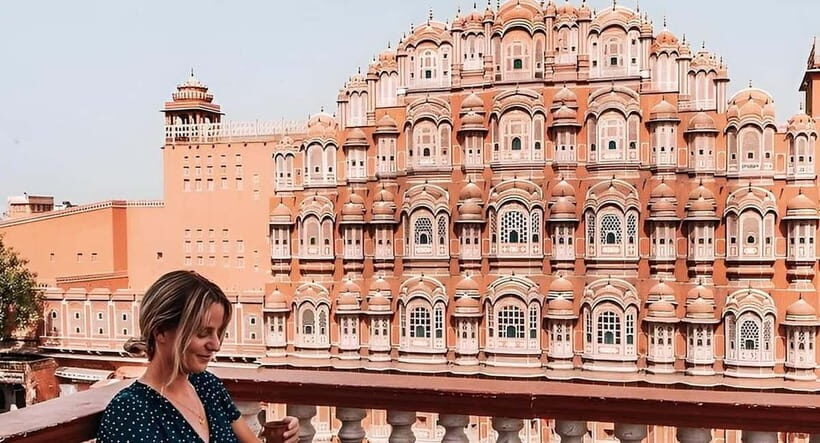
This tour is built for people who don’t want to wrestle with trains, transfers, or day-long logistics. You start with hotel or station pickup, then settle into a private air-conditioned car with a driver for the ride north to Jaipur. That matters because the distance between Delhi and Jaipur is long enough that comfort becomes part of the sightseeing experience.
Most days are organized around early departure. You’ll want to be ready before you’re picked up—plan to be waiting in the lobby about 10 minutes ahead of the scheduled time. Your day then runs as a full circuit, not a loose collection of stops, which is why it works well when you only have one day to spare.
One extra point I like: mineral water bottles are included, which helps during the warmer hours around the monuments.
You can also read our reviews of more guided tours in New Delhi


Amber Fort: The Hilltop Masterpiece and the Views That Hit Fast
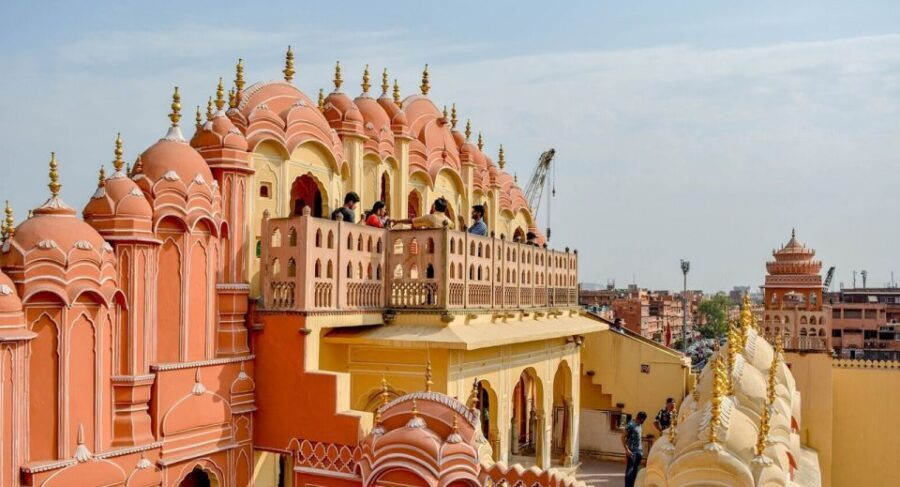
Amber Fort is the main event, and it’s the one stop that makes the whole day feel worth it. You’ll spend about 1.5 hours exploring this hilltop fortress, where Hindu and Rajputana building traditions show up in strong, practical ways—courtyards, passageways, and dramatic defensive angles.
What I love most about Amber Fort is how quickly you understand why it’s famous. From the fort area you get big views over the surrounding terrain, and the fort’s layout gives you natural photo angles without needing to pose like a statue. Your guide will also explain what you’re seeing as you move from one section to the next, which helps you avoid the common problem of staring at stone and hoping it means something.
A practical tip: wear comfortable shoes and expect uneven ground. If your group wants extra time for photos, a good guide will usually flex within the overall schedule, and guides like Abbas, Himmat, and Kamran are known for managing that kind of pacing.
Panna Meena ka Kund: A Stepwell Stop That Adds a Different Angle
Most Jaipur days hit the grand palaces and big gates. This one includes Panna Meena ka Kund, which shifts the focus to a stepwell—an old piece of engineering that’s also visually striking.
Even if you’re not a “water architecture” person, this stop helps you see Jaipur as more than just royal buildings. It’s a reminder that city planning here wasn’t only about power; it was also about survival—storing and accessing water in a region where it matters.
It’s a guided stop, so you’ll learn what the structure was for and how it fits into daily life in earlier times. The visit also tends to break up the day, giving your legs a different kind of walking instead of repeating the same palace corridors.
Hawa Mahal: 900+ Windows, Cool Air Theory, and Smart Photo Moves
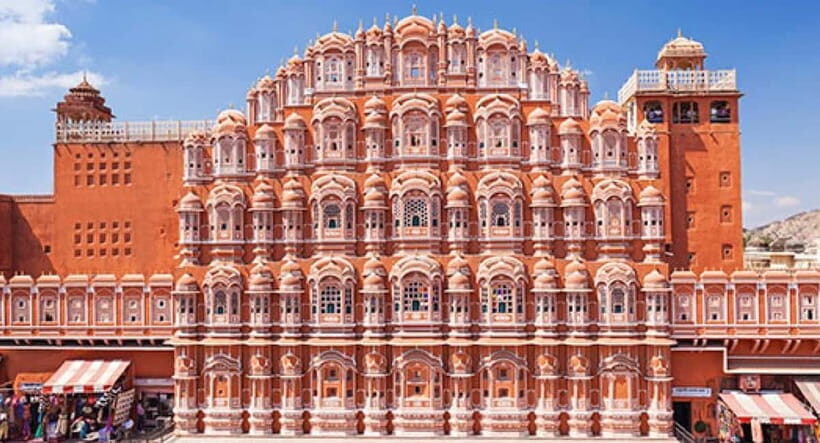
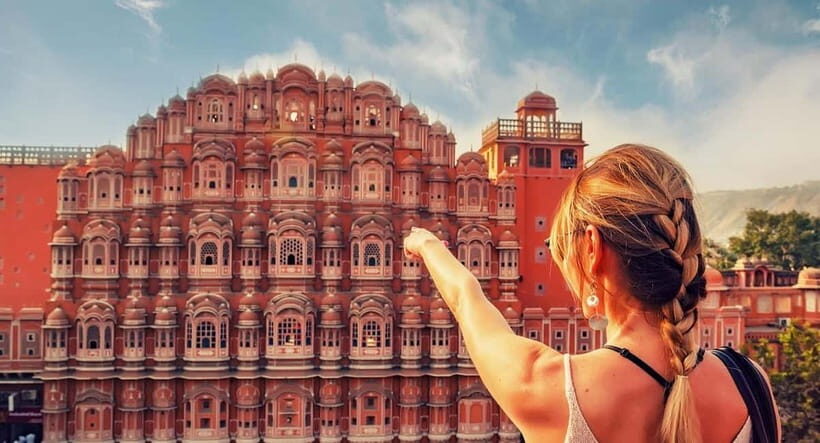
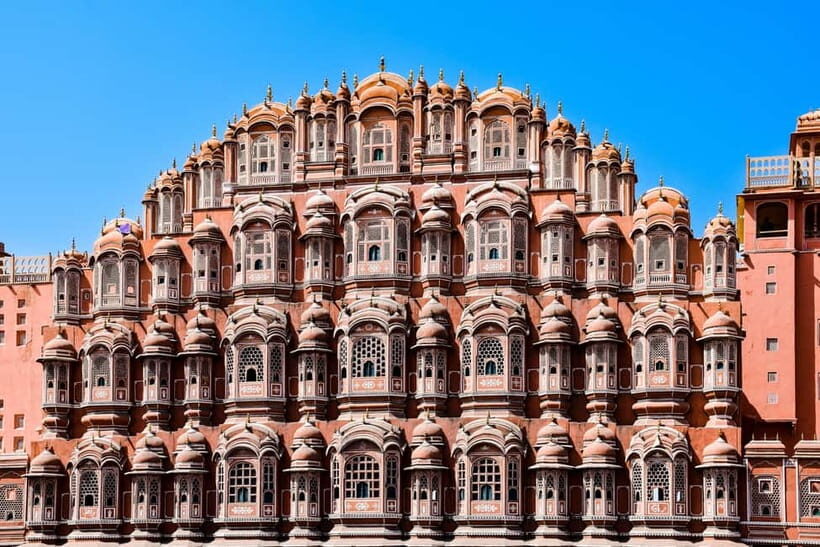
Then comes Hawa Mahal, the pink façade everyone recognizes, and the reason photographers love Jaipur. You get a guided stop with time to look and take photos, focused on the famous 900+ latticed windows designed to let cooler air circulate.
Here’s the useful part: your guide can point out how the façade functions, not just what it looks like from the street. Once you understand the window grid and the purpose behind it, the building stops being only a postcard and becomes a working piece of design.
If your timing lines up well, you can catch a softer light that makes the façade glow. One standout detail I’m happy to pass along: I saw guests rave about the atmosphere when they timed Hawa Mahal photos for later in the day. If your guide can coordinate a quick timing tweak, it’s worth asking.
Jal Mahal From the Road: The Water Palace Without the Crowds
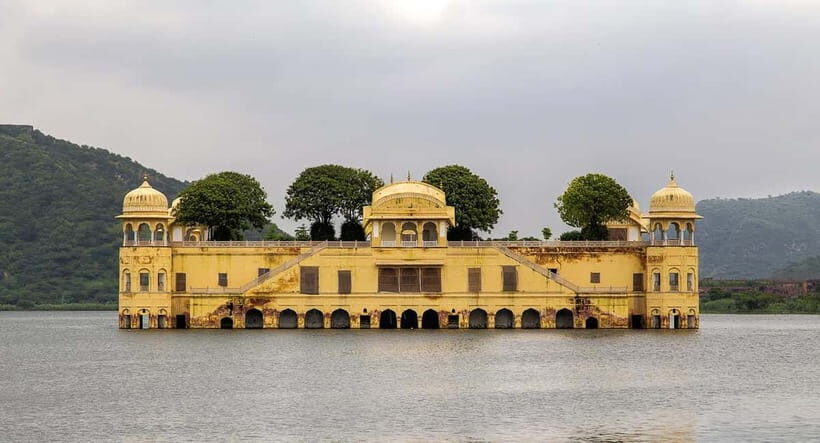
Jal Mahal is next, and it’s a little different from the other stops. You’ll admire it from the roadside as a photo stop, so you get the idea without turning it into a long visit.
This is exactly why I like including it: Jal Mahal gives you a visual contrast to the forts and palaces. The building appears to float on the water, and that’s a memorable effect even when you’re just stopping briefly.
Because it’s outdoors and you’re taking photos from the roadside, it’s also a good moment to rest your feet and reset your attention for the next palace-heavy section. Bring your sunscreen, and be ready for sun glare on bright days.
You can also read our reviews of more private tours in New Delhi





City Palace: Where Mughal, Rajput, and European Styles Collide
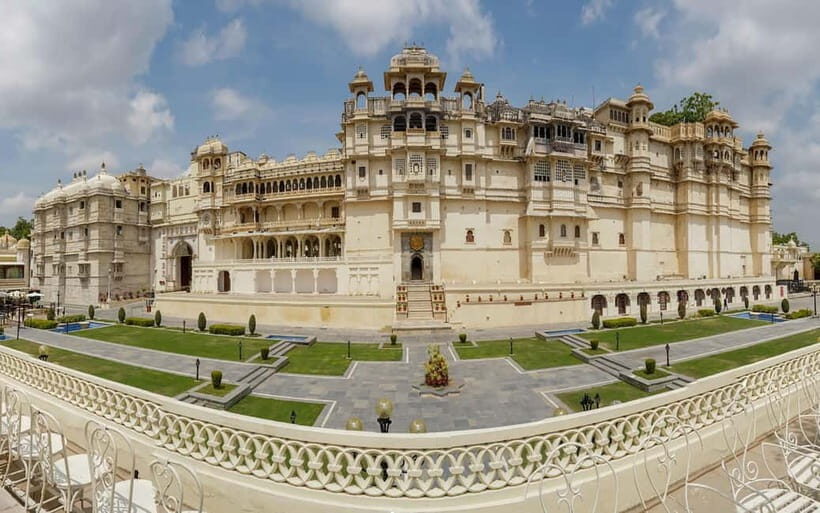
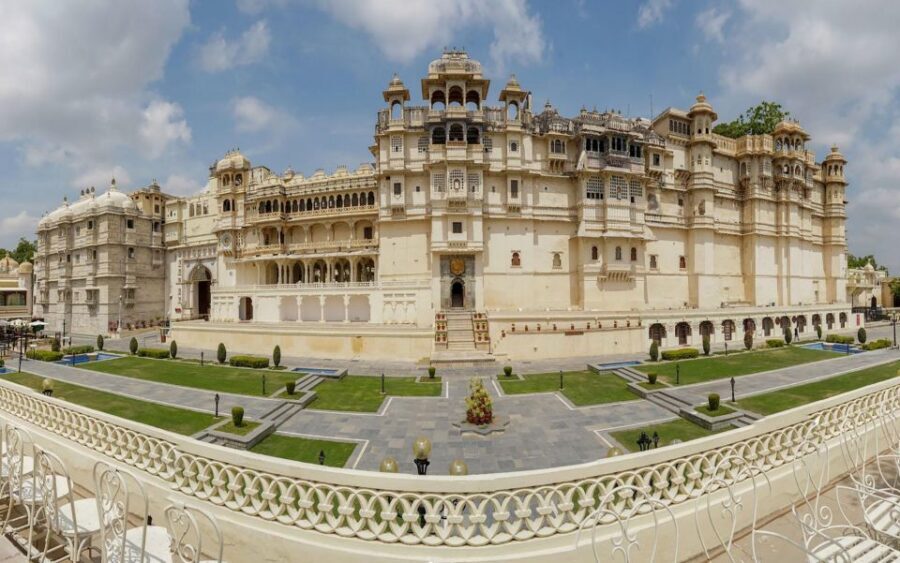
City Palace is where Jaipur’s architectural personality becomes clear. You’ll have about 1 hour at the palace complex, with your guide helping you see it as a blend of Mughal, Rajput, and European-style influences.
This stop is valuable because it doesn’t treat architecture like a single straight line. You can see shifts in materials, proportions, and decorative choices that reflect changing tastes and different rulers’ priorities over time. Your guide’s job here is to make the style differences feel practical, not academic.
If you’re the kind of person who likes to know what you’re looking at before you take photos, this is the right stop. Guides such as Ragu and Avin are praised for explaining what you see in a way that’s easy to follow—and that turns City Palace into a story you can walk through.
Jantar Mantar: UNESCO Astronomy Instruments You Can Actually See

Next is Jantar Mantar, a UNESCO World Heritage observatory. You’ll spend about 40 minutes here, which is long enough to get the main instruments and understand the basics of why they were built.
What makes Jantar Mantar worth your time is that it’s not “look at a building, move on.” You’re standing in front of physical instruments designed for measuring things like time and celestial positions. With a guide explaining what each structure is for, it clicks fast.
This is also a great stop for questions. If you’ve ever wondered how people used geometry and observation before modern devices, Jantar Mantar gives you something tangible. Guides like Kamran and Abbas are known for answering lots of questions without making you feel rushed.
Gaitor Ki Chhatriyan: Cenotaphs That Feel Quiet and Human
The day finishes with Gaitor Ki Chhatriyan, a site of cenotaphs. It’s not as famous as the fort or the palace, but it adds balance. You get a calmer moment where the focus is on memorial architecture and royal remembrance.
I like closing the day here because the atmosphere tends to feel more reflective than the louder photo stops. It’s also a good chance to slow down and take fewer pictures, just to appreciate the details in the stonework and the way the structures sit within the space around them.
This stop can be especially nice if you want your guide to keep sharing context. A good guide will connect what you’re seeing to the people and traditions that shaped Jaipur, so you don’t feel like you’re ticking off another site without meaning.
Lunch Break: Optional Rajasthani Food That’s Worth Planning
Lunch is optional and not included, so you’ll have to decide if you want a sit-down meal during the day. If you do, the tour can include a traditional restaurant where dishes like Lal Maas, Ker Sangriya, Besan Gatta, and Missi Roti may be offered.
I recommend treating lunch as part of the experience, not just a break. If spice levels scare you, tell your guide before you order. That small step makes the meal better for you and prevents the classic problem of waiting for food you can’t enjoy.
Also, if your group wants to maximize monument time, you can keep lunch simple and shorter. The best tours don’t force you to choose between hunger and photos—they give you choices.
Price and Value: Is $33 Per Person Reasonable
At around $33 per person for an 8-hour private day trip, this is usually a value play because you’re paying for three things at once:
- Door-to-door pickup and drop-off
- A private air-conditioned car
- A live guide at the key monuments
In many parts of India, the car alone can cost a chunk of your budget for a full-day drive. Here, the guide and the structured route are what turn that ride into a sightseeing plan instead of a long taxi day.
One note: monument entry tickets are included only if you book the option that includes them. If you choose not to include tickets, you’ll likely still get the guided experience, but you may have to handle entrance fees separately. The good news is that the tour advertises a skip-the-ticket-line approach when tickets are booked through the experience.
Also included: mineral water, plus tolls, parking, and taxes. Those little costs add up quickly when you’re traveling on your own.
What the Guides and Drivers Really Make Better
The best part of this kind of private tour is how much your day depends on the human factor. From the guides linked to this experience, you’ll often see names like Abbas, Himmat, Kamran, Ragu, Arbab, Madan Singh, Avin, and Rajesh Singh. The common thread is clear: they explain what you’re seeing, they answer lots of questions, and they help with photo placement.
You’ll also notice a pattern with drivers. Names like Veeru, Sunil, Rahul, and Irfan Ali show up in positive notes for safety and punctuality. For a road trip from Delhi, driver confidence isn’t a small detail—it’s part of the comfort that lets you focus on the monuments instead of stress.
One more helpful detail from real-world experience: some guides may suggest stops connected to local crafts like block printing or workshops tied to crafts and stone work. There’s no obligation to buy, but if you’re not interested, just tell your guide upfront that you want to keep the day focused on monuments.
Who Should Book This Jaipur Day Trip From Delhi
This tour fits best if you want the big Jaipur highlights in one day without juggling transport. It’s also a solid option for solo travelers because the combination of a careful driver and a dedicated guide can feel reassuring on an unfamiliar route.
It’s also practical if you like learning while you walk—this tour is guide-led at each major stop. And if you care about photos, the guide support tends to be strong, with many guests praising photo skills and timing.
A few cautions based on what’s stated: it’s not suitable for pregnant women. And you’ll need comfortable shoes because you’ll be walking on uneven surfaces at fort and palace areas.
Wheelchair accessibility is listed, so if that’s part of your needs, check with the provider about the specific pickup point and on-site ease for each stop.
Should You Book This Jaipur Private Tour?
I’d book it if you have limited time and want a smooth, guided highlights loop: Amber Fort, City Palace, Jantar Mantar, and Hawa Mahal—plus supporting stops like Panna Meena ka Kund and Gaitor Ki Chhatriyan. The value is strongest when you want a guide to turn monuments into something you understand, not just something you photograph.
Skip it if your dream Jaipur day includes long, slow wandering with zero time pressure. This plan is efficient by design. It’s a great one-day fix, not a slow trip.
FAQ
How long is the Jaipur private tour from Delhi?
The tour runs for about 8 hours and is listed as a 1-day experience. Starting times can vary, so you’ll need to check availability for the time options.
Where can I be picked up and dropped off?
Pickup and drop-off are available at multiple Delhi/NCR locations, including Delhi, Aerocity, New Delhi, Noida, Chanakyapuri, Greater Noida, Connaught Place, Gurugram, and Faridabad.
Which monuments are included during the day?
You’ll visit Amber Fort, Panna Meena ka Kund, Hawa Mahal, a Jal Mahal photo stop, City Palace, Jantar Mantar, and Gaitor Ki Chhatriyan.
Are monument entry tickets included?
Monument entry tickets are included if you book the option that includes them. The experience also indicates a skip-the-ticket-line approach.
Is lunch included?
No. Meals and drinks are not included. Lunch is offered as an optional break, with traditional Rajasthani dishes mentioned as possible choices.
What guide languages are available, and is the tour wheelchair accessible?
The live guide services are listed in English, French, German, Russian, and Spanish. The tour is also listed as wheelchair accessible.