REVIEW · SHIMLA
Shimla: Guided Walk Tour-Heritage, Culture & Colonial Trail
Book on GetYourGuide →Operated by Wonders of Himalaya · Bookable on GetYourGuide
Shimla’s Ridge tells stories if you walk it. This guided heritage and colonial trail is a simple, very human way to understand how Shimla works, from neo-Gothic Christ Church to the British-era institutions up the hill. I love the way the tour is led by a local expert who can switch between English, Hindi, and Pahari and explain what you’re seeing in everyday terms.
Two things I especially like: you cover a tight route in just 2 hours, and the stops feel connected rather than random photo spots. The walk moves from the public heart of town (Ridge and Scandal Point) to landmark buildings like Railway Board Building, Gorton Castle, and the Oberoi Cecil, then finishes at Indian Institute of Advanced Study for a calmer, reflective ending.
One thing to watch: this is not a casual stroll for everyone. It’s up-and-down hill walking, and on Mondays the Viceregal Lodge area at the end of the route stays closed, with many attractions shut too—plus it’s not suitable for children under 10 or people over 95.
In This Review
- Key highlights you’ll actually feel on this walk
- How this Shimla walk beats aimless wandering
- Starting at Christ Church and finding the Ridge
- Scandal Point to Bantony Castle: architecture with a backstory
- Kali Bari Temple: faith and daily life in the middle of colonial buildings
- Railway Board Building and Gorton Castle: power, planning, and style
- HP Vidhan Sabha to The Oberoi Cecil: from government to glamorous memory
- All India Radio and the pull of media in Shimla
- Finishing at IIAS and what to do about Monday closures
- Price and value: paying for meaning, not just movement
- Who should book this Shimla heritage walk
- Should you book this Shimla Heritage, Culture & Colonial Trail?
- FAQ
- How long is the Shimla Heritage, Culture & Colonial Trail?
- Where does the tour start?
- Where does the tour end?
- Is transportation included?
- What’s included in the ticket price?
- Are monument fees or entry tickets included?
- Which language(s) will the guide speak?
- Is this a private tour?
- What should I know about visiting on Mondays?
- Who is this tour not suitable for?
Key highlights you’ll actually feel on this walk
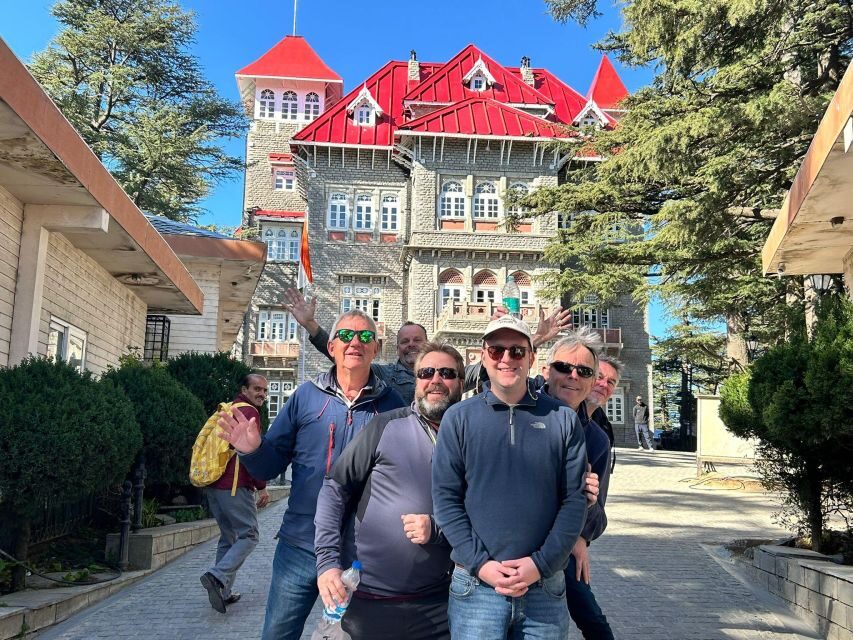
- Private local guide storytelling that ties British-era buildings to how Shimla grew
- Christ Church to IIAS one-way route that makes planning easier than hop-on, hop-off wandering
- Stops that cover culture plus colonial architecture (temple, castles, radio, government sites)
- Short walk segments between landmarks, so you’re not stuck in one long bottleneck
- Guide names you might get like Preeti, Raghav, Pawan, or Sunni, all praised for clear delivery
How this Shimla walk beats aimless wandering
Shimla’s center can feel like a maze of streets, slopes, and viewpoints. What makes this tour work is the structure: you start at Christ Church, move along the Ridge area, hit the main landmarks people talk about, and end at IIAS without needing to plan every turn yourself.
I like that it’s private, so your pace can match your legs. You’ll also get the benefit of a guide who can explain why a building exists and what it changed in town life, not just what it looks like.
The price is also easy to wrap your head around: about $16 per person for 2 hours is a decent trade when you factor in a local guide plus a route that would otherwise take you more time (and more confusion). You’re paying to save effort and to get meaning, not just photos.
You can also read our reviews of more walking tours in Shimla

Starting at Christ Church and finding the Ridge
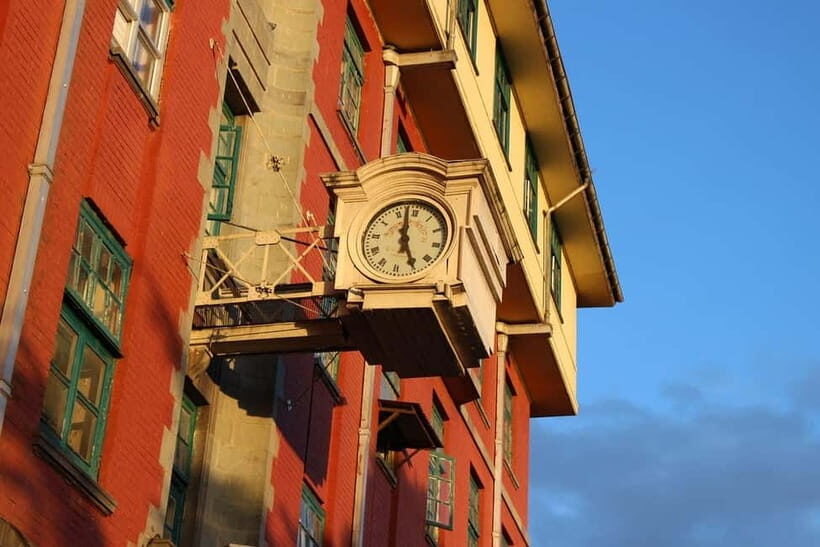
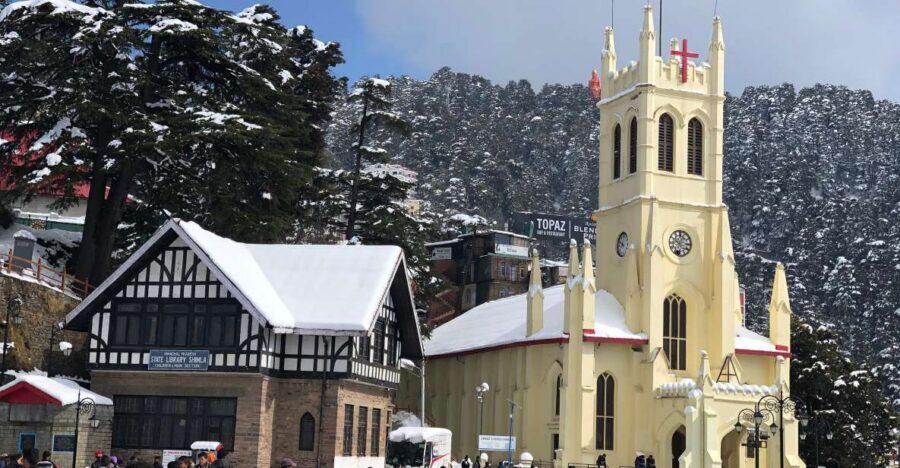
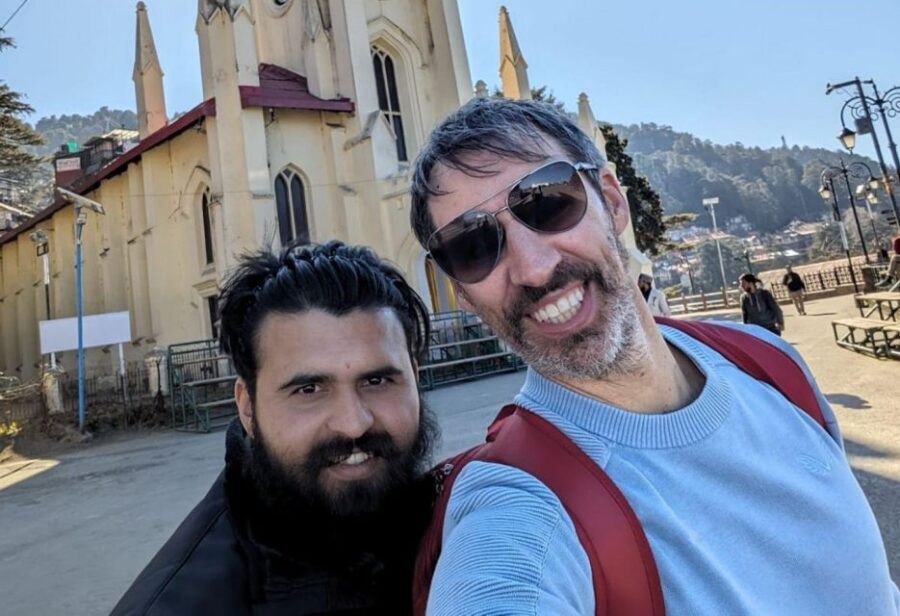
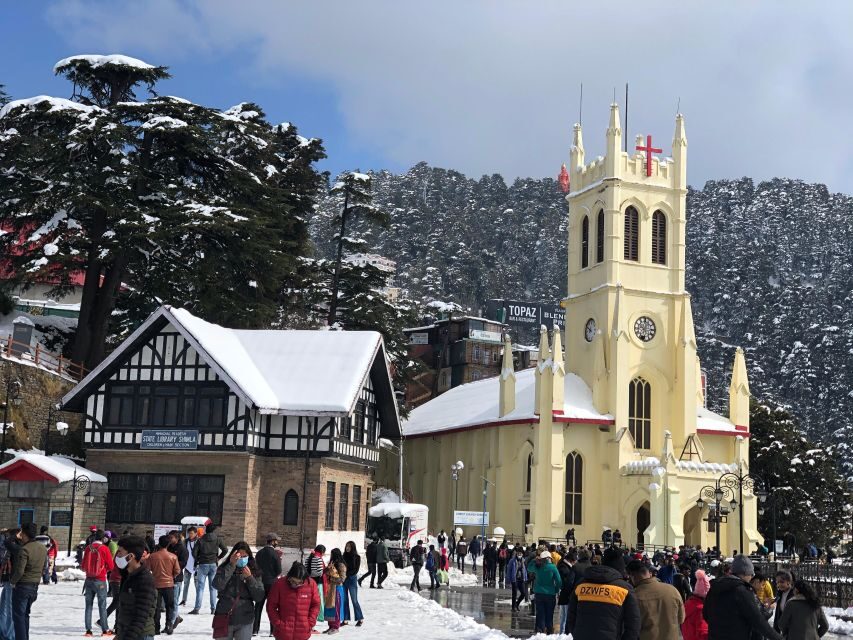
You begin at Christ Church, Shimla, a neo-Gothic landmark that sets the tone right away. The church’s stained-glass windows and organ are part of the draw, and the guide’s job here is to help you see it as more than scenery—an anchor point for how the colonial town took shape.
From there, you head toward the Ridge, the social and ceremonial spine of Shimla. This stretch matters because the Ridge is where you can quickly understand the geometry of town: wide open space, strong lines of sight, and a natural place for events and gatherings.
Practical note: expect a bit of uphill and lots of short, step-by-step movement. One participant described the walk as about 3 km and noted it was up-and-down in Shimla conditions. Wear shoes you trust on uneven, sometimes slippery ground, especially if weather is cold or recently snowy.
Scandal Point to Bantony Castle: architecture with a backstory
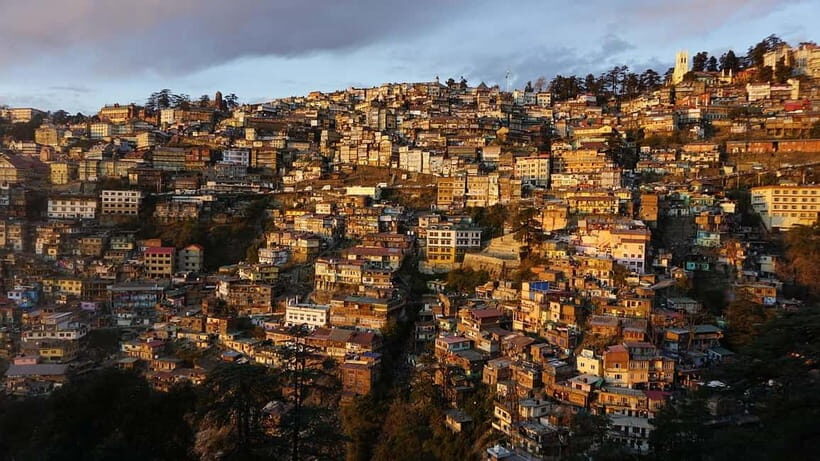
Next comes Scandal Point, another Ridge landmark where the guide can connect the geography to local lore and the colonial-era layout. Even if you don’t know the story beforehand, you’ll understand quickly why this is a recognized spot: it’s positioned for views and for being in the middle of things.
Then you reach Bantony Castle. This is the sort of stop that works best with a guide because you’re not just looking at a building—you’re learning how Shimla’s hillside planning influenced architecture styles and status. If you’re the kind of traveler who likes to know why something is there, this is a good moment to slow down and listen.
A drawback to keep in mind here: it’s still a walking tour, so if you want long photo sessions at every building, you might feel slightly rushed at times. The tour is designed to move efficiently through key landmarks.
Kali Bari Temple: faith and daily life in the middle of colonial buildings
At Kali Bari Temple, Shimla, the tone shifts. This stop gives you a view of Shimla that’s not dominated by British architecture. Instead, it’s about lived culture—how locals keep religious life in the same urban space as old institutions.
This matters because it prevents the tour from becoming a one-note colonial lecture. You’ll see how the town’s identity keeps layering on top of earlier phases, instead of simply freezing in time.
If you’re curious about how religious spaces function day-to-day, you’ll probably enjoy this stop more than you expect. It’s also a useful pause—time to reset your legs and refocus on a different kind of “history,” the kind you can still see happening.
Railway Board Building and Gorton Castle: power, planning, and style
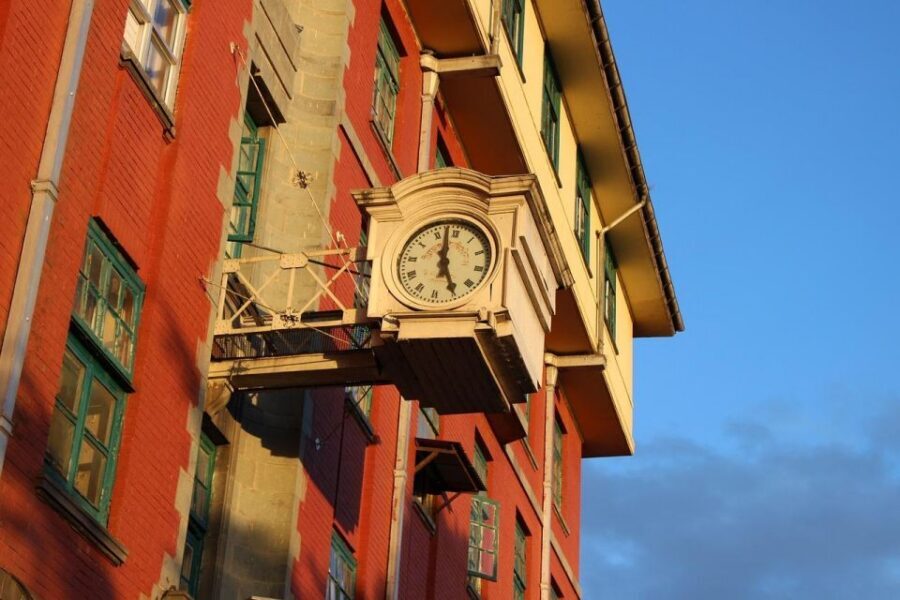
Moving on to the Railway Board Building helps you understand a big Shimla theme: how institutions shaped the town’s rise. Even without going inside, the guide’s explanation can make the exterior details click—this is where urban planning meets bureaucracy and prestige.
Then the tour heads to Gorton Castle. Castles in hill stations often feel like stage props until someone explains the choices behind them: location, function, and the way the building communicates status to visitors and residents alike. With a good guide, you start noticing the signals in the architecture—placement, style, and how it relates to the surrounding streets.
The tour stays well-paced between these stops. You don’t spend all your time climbing; instead you get a rhythm of short walks and brief, high-impact explanations.
You can also read our reviews of more guided tours in Shimla

HP Vidhan Sabha to The Oberoi Cecil: from government to glamorous memory
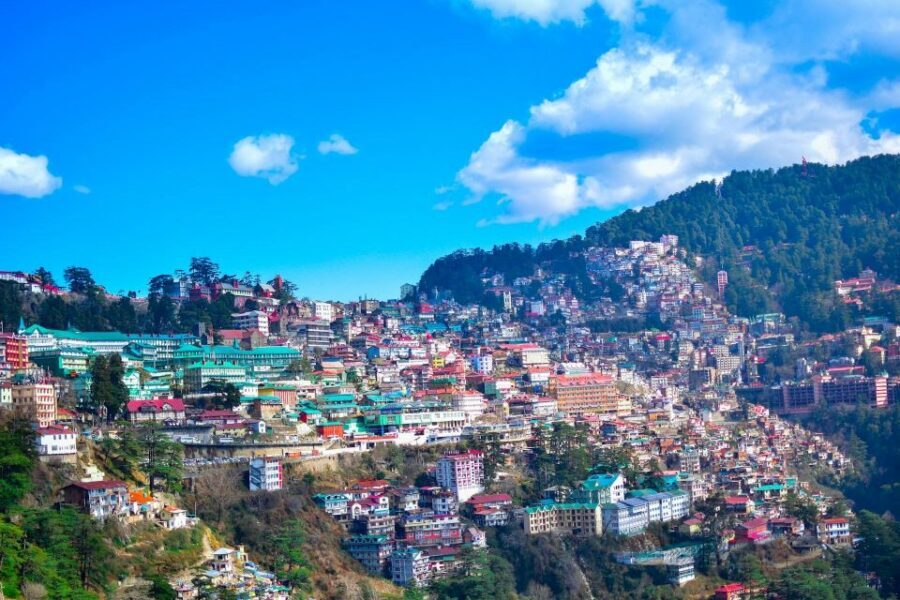
You continue to HP Vidhan Sabha (Himachal Pradesh Legislative Assembly). Even if you don’t get access to every angle, seeing where the state’s political life happens adds a modern layer to your mental map. It’s a reminder that Shimla isn’t just a museum town—it’s a working capital for the region.
A quick stop follows at The Oberoi Cecil, Shimla. That short time can still be useful because it ties the colonial-era prominence of Shimla to the hospitality side of today. If you’ve ever wondered how a hill station became a destination for elites, this is the kind of spot that helps you connect the dots.
Keep your expectations realistic: this is a brief pause. It’s not a long meal stop or a deep dive into the hotel’s story. It’s meant to keep the tour moving along the route toward the quieter ending.
All India Radio and the pull of media in Shimla
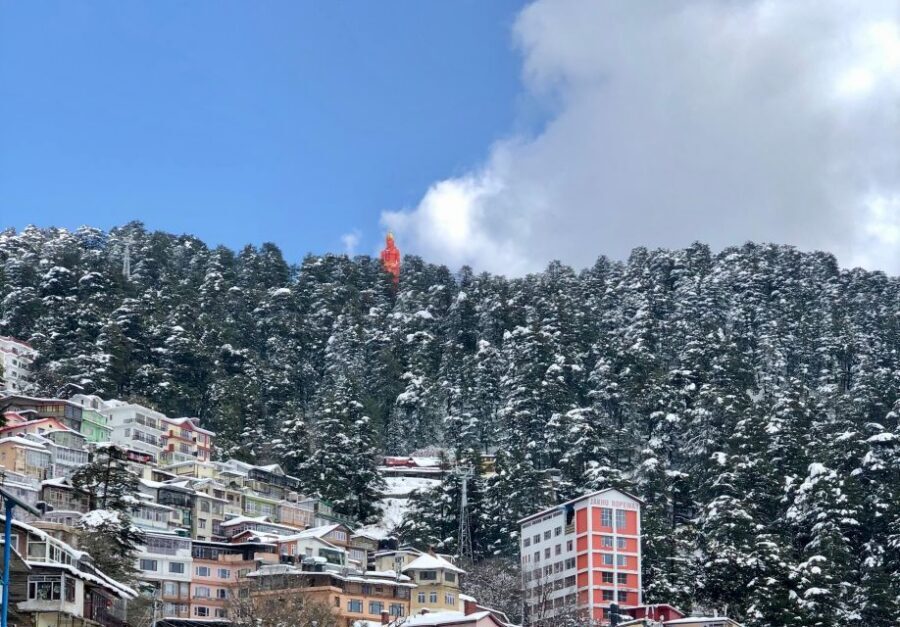
Next up is All India Radio (Radio Station), Shimla. This stop adds a practical kind of history: the role of communication and broadcasting in shaping how places like Shimla fit into national life.
It also gives you variety. Up to this point you’ve leaned heavily into architecture and institutions. This is a good change of pace, because radio is an idea you can hold in your head even if you’re looking at an exterior building.
If you like “how the system works” explanations, you’ll probably appreciate this one. It’s the kind of stop that makes your walk feel like a guided lecture you actually enjoy.
Finishing at IIAS and what to do about Monday closures
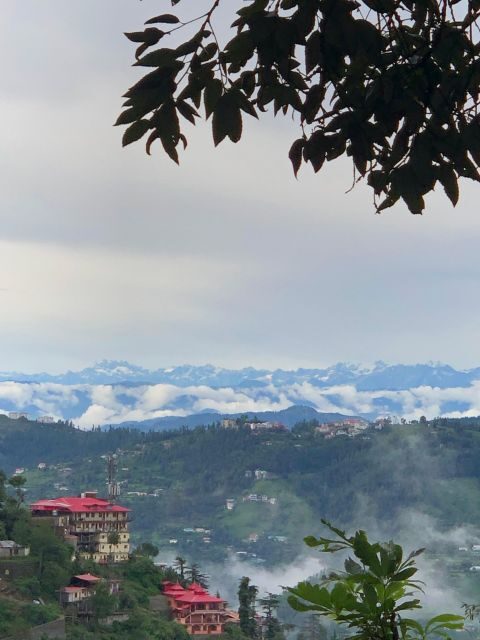
The walk ends at Indian Institute of Advanced Study (IIAS), Shimla, in the Viceregal Lodge area. This is a strong finish because the atmosphere shifts toward calm and reflection, and you get a final “big statement” building after smaller landmark stops.
There’s one key timing rule to keep in mind: the Viceregal Lodge remains closed on Mondays. Since IIAS is tied to that area, your end point may be affected if your visit lands on a Monday. The tour info also notes that most tourist attractions where entry is allowed stay closed on Mondays too, so it’s smart to plan around that.
If you do visit on an open day, expect some travelers to pause for gardens or seating area time if allowed on-site. One participant mentioned paying 50 rupees for gardens access and sitting, which suggests that small on-the-ground fees can still happen even if they’re not included in the tour price.
Price and value: paying for meaning, not just movement
At $16 per person for a 2-hour private walking tour, you’re paying for three things that matter in a hill city.
First, you’re paying for a local guide who can explain what you see in English and Hindi (and often Pahari too). Second, you’re paying for route efficiency—Christ Church to IIAS without needing to stitch together buses, taxis, or awkward backtracking. Third, you’re paying for interpretation, especially at stops like Railway Board Building, Gorton Castle, and HP Vidhan Sabha, where exterior details are easier to understand with context.
What’s not included is also important for your budget. Monument fees and any entry tickets aren’t part of the tour, and there’s no transportation or hotel pickup/drop-off. If you want to go inside places, you’ll need to plan that separately—and keep some small cash handy for on-site fees if they apply. Meals aren’t included either, so don’t treat this as a long sightseeing day with lunch built in.
Who should book this Shimla heritage walk
This tour fits you best if you want an efficient Shimla orientation with a guide who speaks to both the architecture lovers and the culture-curious. I think it’s a great choice for first-timers who feel overwhelmed by Shimla’s steep layout, and for repeat visitors who want a deeper “why” behind the landmarks.
It may not be the best match if you need step-free routes, are traveling with small children, or want a slow, sit-down pace all day. The tour data clearly states it’s not suitable for children under 10, babies under 1, and people over 95. Also, cold or slippery conditions can make hill walking feel harder, so plan for that.
Should you book this Shimla Heritage, Culture & Colonial Trail?
Yes, if you want a guided walk that makes Shimla’s main landmarks intelligible without wasting hours figuring out routes. The strongest reason to book is the human factor: guides like Preeti, Raghav, Pawan, and Sunni are praised for clear storytelling and for connecting British-era details to real Shimla context.
I’d skip or reschedule if your travel dates land on a Monday, because the Viceregal Lodge area at the end stays closed and other entry sites often shut too. And if your group can’t handle short hill stretches comfortably, you might prefer a more transportation-supported plan.
If you do book, wear grippy shoes, carry water, and go in ready to listen. This tour works best when you treat it like a guided walk with stops, not like a free-for-all photo sprint.
FAQ
How long is the Shimla Heritage, Culture & Colonial Trail?
The walking tour lasts 2 hours.
Where does the tour start?
It starts at Christ Church, Shimla.
Where does the tour end?
The tour ends at Indian Institute of Advanced Study (IIAS), Shimla.
Is transportation included?
No. Hotel pickup/drop-off and any form of transportation are not included.
What’s included in the ticket price?
You get a walking tour with a local guide who speaks English, Hindi, and Pahari, plus the one-way walk from Christ Church to IIAS.
Are monument fees or entry tickets included?
No. Monument fees and any entry tickets are not included.
Which language(s) will the guide speak?
The guide can speak English and Hindi, and the tour is also described as using Pahari.
Is this a private tour?
Yes. It’s listed as a private group.
What should I know about visiting on Mondays?
The Viceregal Lodge remains closed on all Mondays, and most attractions that allow tourist entry are also closed on Mondays.
Who is this tour not suitable for?
It’s not suitable for children under 10, babies under 1 year, and people over 95 years.