REVIEW · SHIMLA
Guided Heritage Walk Tour in Shimla
Book on Viator →Operated by Himachal Bylocals · Bookable on Viator
Shimla history feels close when you walk. This half-day guided Heritage Walk threads from Christ Church along the Mall to landmarks like the Gaiety Theater and ends at the Indian Institute of Advanced Study, with a guide to connect the city’s buildings to the bigger story of Shimla. I like that it’s paced for wandering, not rushing.
The one thing to think about is effort: parts of the route involve uphill walking and can feel strenuous for some people, so wear real shoes and don’t rely on big gaps of sitting breaks.
In This Review
- Key Things I’d Plan Around Before You Go
- How This 3-Hour Walk Helps You Read Shimla Fast
- Christ Church Start: A Good First Landmark for Orientation
- The Mall Road Segment: Colonial Shimla in a Single Street
- Shimla Heritage Walk: Betink’s Castle and the City’s Institutional Side
- Gaiety Theater and the General Post Office: Culture and Daily Life
- Indian Institute of Advanced Study: A Calm, Architectural Ending
- Price and Value: Is $31 Worth It?
- Pace, Shoes, and How to Plan the Way Back
- What It’s Like With Guides (And Why Their Style Matters)
- Who Should Book This Shimla Heritage Walk
- Should You Book It?
- FAQ
- How long is the Guided Heritage Walk Tour in Shimla?
- Where do I meet the guide?
- What’s included in the tour price?
- Are entrance fees included?
- Do I get hotel pickup and drop-off?
- How large is the group?
- What happens if the weather is bad?
Key Things I’d Plan Around Before You Go
- Small group size (max 15) keeps the walk feeling personal.
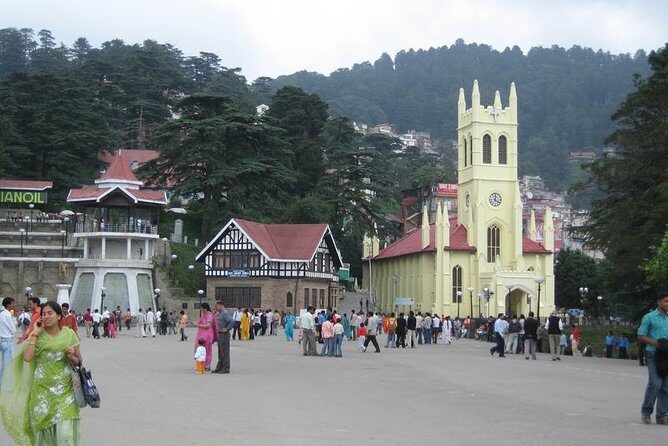
- Start at Christ Church with a clear meeting point at the church’s main entry gate.
- Mall Road is the runway for Shimla’s colonial-era story before you move into quieter heritage lanes.
- Betink’s Castle and institutional buildings add variety beyond the usual photo stops.
- Finish at Indian Institute of Advanced Study so you end with a calm, architectural note.
- Bottled water and a local English-speaking guide help you stay comfortable and keep the story straight.
How This 3-Hour Walk Helps You Read Shimla Fast
Shimla can feel like a pretty postcard until someone explains what you’re actually looking at. This tour is designed for getting your bearings quickly. In about three hours, you move through the city’s core—church front, colonial commercial strip, notable civic and heritage buildings—so you leave understanding what makes Shimla distinct, not just what it looks like.
I like that the route includes places with everyday meaning (like the General Post Office) and also big landmarks that shaped the city’s cultural life (like the Gaiety Theater). The guide ties it together, so you’re not just stacking views—you’re building a mental map.
Also, the small group matters. With a maximum of 15, you can ask questions and actually hear the answers, even when the group slows down for photos or the occasional strong hill.
You can also read our reviews of more walking tours in Shimla



Christ Church Start: A Good First Landmark for Orientation
You begin at Christ Church, meeting your guide at the main entry gate. Even if you’re not a church-tour person, this is a smart starting point. It gives you an easy visual anchor right away, and it sets the tone for the colonial-era footprint you’ll keep noticing as you head out.
Expect roughly ten minutes here. That’s not long, so don’t plan on deep inside-the-building time. Instead, treat it like a “this is where you are” moment. If you’re the type who likes to know why a place matters, this early stop helps.
One small practical tip: since the tour is walking-focused, use this first stop to get your camera settings sorted and your water situation ready before the pace picks up.
The Mall Road Segment: Colonial Shimla in a Single Street
The next piece is the Mall Road, the main street in Shimla. Your guide frames it as a colonial-era build—one of those details that changes how you see the street once you know the context.
Plan for about 15 minutes along the Mall. That’s enough time to notice patterns: the street’s role as the city’s central promenade, the way buildings face it, and how Shimla’s mix of institutions and public spaces grew around this kind of street. It also works well because you’re getting moving early, before the heritage walk portion starts to unfold.
If you like photos, this is where you’ll often get strong sightlines. One of the best parts of this walk is that Shimla’s viewpoints show up “from every angle,” and the Mall area is usually where the city opens up visually before you move into more targeted heritage stops.
Shimla Heritage Walk: Betink’s Castle and the City’s Institutional Side
This is the heart of the tour, where you actually learn to read Shimla as a designed place. You’ll spend most of your time in the heritage-walk segment, and you’ll pass several recognizable landmarks that explain the city’s identity beyond tourism posters.
Here are some of the stops and themes you should look out for during this stretch:
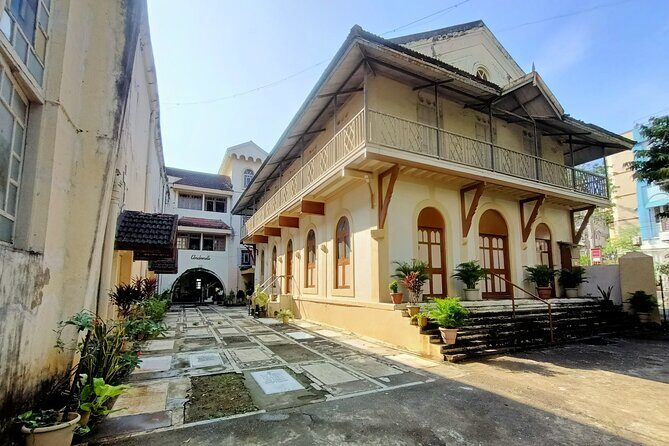
- Betink’s Castle: This is your heritage hook—less about a single room and more about understanding how these buildings functioned in the city’s evolution. Even if you only catch a partial view, the guide’s explanation helps you connect it to Shimla’s wider story.
- Imperial Bank and Railway Board Building: These are the kind of names you might ignore on a map until someone points out the significance. They represent the administrative and economic machinery that helped Shimla grow into a hub.
- A quick lesson in how Shimla’s architecture developed: you’ll hear about building styles associated with the British colonial period, including Tudor-style influences (and other related forms). Once you understand the style language, you start spotting it on your own after the tour.
The biggest payoff here is not memorizing every fact. It’s learning what to notice: how the city’s institutions sit in the urban plan, how the heritage structures relate to the street network, and why Shimla’s built environment feels both formal and scenic.
Gaiety Theater and the General Post Office: Culture and Daily Life
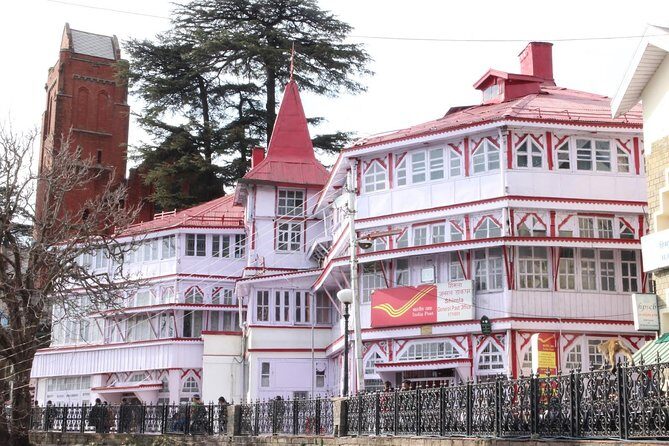
Two highlights for me are the stops tied to culture and everyday function—the Gaiety Theater and the General Post Office.
Why these matter: the Gaiety Theater represents Shimla’s cultural pulse. It’s the kind of landmark that shows the city wasn’t only administrative or residential. It had entertainment, audiences, and a public cultural scene.
The General Post Office represents the other side of city life: communication and connection. Even if you’ve never thought about it, a post office is a signal of how a place operates—who it served and how information moved.
If you’re the type who usually skips buildings after a quick exterior shot, this segment is where a good guide changes your habits. Look at entrances, facades, and how these buildings sit relative to the walk. Those small details start to tell a story.
You can also read our reviews of more guided tours in Shimla





Indian Institute of Advanced Study: A Calm, Architectural Ending
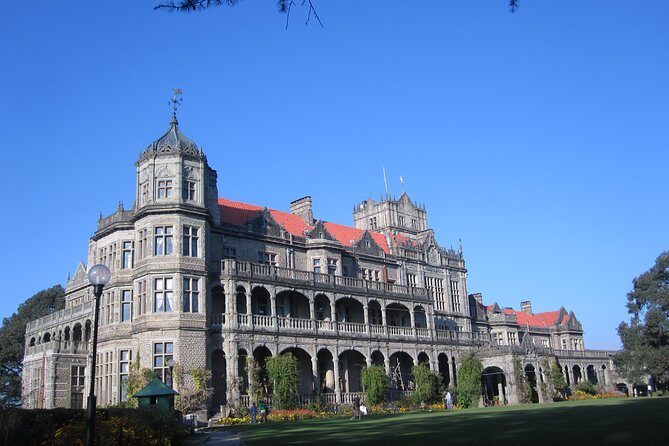
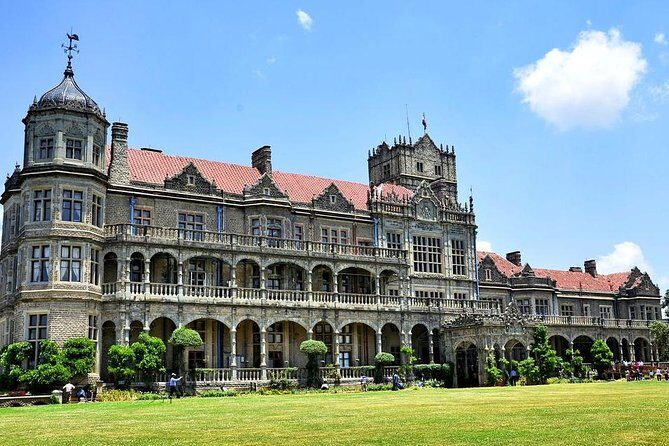
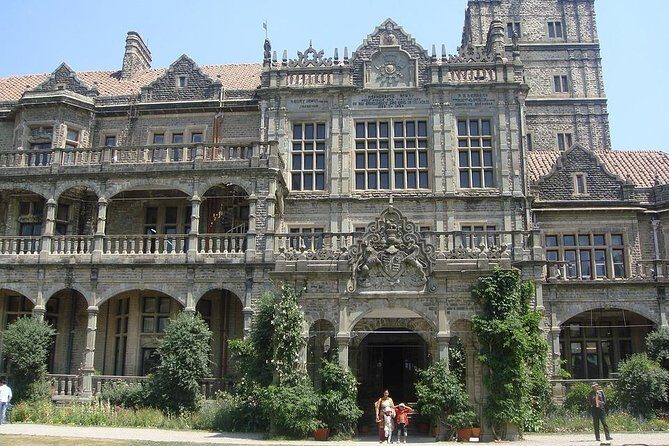
The tour finishes at the Indian Institute of Advanced Study (IIAS), with about 25 minutes spent there. This last stop has a different feeling from the earlier city-center landmarks. Instead of pure street-level heritage, you shift to an institutional campus vibe.
It’s also a practical ending: once you’re done, you’ll need to handle your own ride back or onward plan, since transport from IIAS to your hotel (or back to Christ Church) isn’t included.
One important note for your budget: foreign tourists should plan on entrance fees for IIAS (and the Gaiety Heritage Cultural Complex). The fee listed is ₹700 per person for foreign tourists. If you’re in that category, treat this as a “must budget” item, not an optional extra.
Price and Value: Is $31 Worth It?
At $31 per person, you’re paying for a guided, organized half-day walk that includes:
- bottled water
- a local English-speaking guide
- the walking tour experience
- one-way walking from Christ Church to IIAS
That’s good value if you want someone to explain what you’re seeing. Shimla’s heritage is the type that’s hard to decode on your own because the clues are architectural and historical, not just signage.
Just remember what’s not included:
- hotel pickup and drop-off
- transport afterward (from IIAS back to where you’re staying)
- meals
- and, for foreign tourists, the IIAS + Gaiety Heritage Cultural Complex entrance fee (₹700)
If you’re budgeting smart, this tour makes sense because the biggest cost it avoids is paid, private transport for a short route. You trade that money for an expert guide and time on foot, which is usually the better deal in places built for walking.
Pace, Shoes, and How to Plan the Way Back
This is a walking tour with a group. That means it won’t be a “click through highlights at your own speed” situation. It’s more of a steady, guided stroll with time for stops and explanations.
A review pattern I’d take seriously: the route can feel strenuous at times, and the guide may go at the group’s pace, especially if you need it slowed down. So do yourself a favor:
- wear comfortable shoes with traction
- bring a refillable water option if you want extra (bottled water is included, but you may still want more)
- keep your energy for the climb, not for sightseeing fatigue
Also plan for this reality: the tour ends at IIAS, and you’re responsible for your own transport from there. I’d line up a taxi plan or know how you’ll get back before you start walking, so the end doesn’t feel like an extra mini-quest.
What It’s Like With Guides (And Why Their Style Matters)
Part of the reason this tour scores so well is that the guide makes the city feel alive. I’ve seen this kind of difference before: the best guides don’t just recite dates. They point out why a building exists and what it did for people.
One guide name that came up strongly is Sanjay. In feedback, he’s credited with giving plenty of history and keeping things enjoyable with a focus on what you’re seeing in front of you. Another name, Raju, is praised for connecting with the group and bringing Shimla to life through the way he tells the story.
Even if you don’t get the same guide, the overall idea holds: you’re there for the explanation. If you’re expecting a silent walk with occasional directions, adjust your expectations.
Who Should Book This Shimla Heritage Walk
I think this tour is a great fit if you:
- want a guided way to understand Shimla’s colonial and institutional heritage in a few hours
- like walking through cities where the details matter
- want a structured route that ends at a meaningful landmark (IIAS), not a random circle back
It’s also a good choice if you’re short on time. Three hours is enough to get oriented and still have the rest of your day for independent exploring.
If you dislike walking or want a fully vehicle-supported itinerary, you may find the uphill segments and the end-point transport factor annoying. In that case, you might prefer a tour that includes a car for at least part of the route.
Should You Book It?
Yes, I’d book it if you’re the kind of person who enjoys history that’s attached to buildings you can actually see. At $31, you’re buying guided interpretation, included bottled water, and a compact route that hits major Shimla landmarks without eating your whole day.
Just book with a couple of smart checks:
- confirm whether you’ll need the ₹700 foreign tourist entrance fee for IIAS (and the Gaiety Heritage Cultural Complex)
- plan your ride after IIAS, since transport isn’t included
- wear shoes for an active, possibly uphill walk
If you want a guided “read the city” experience in Shimla rather than another long photo stroll, this one is a solid choice.
FAQ
How long is the Guided Heritage Walk Tour in Shimla?
It’s about 3 hours (approx.), with the walk starting at Christ Church and ending at the Indian Institute of Advanced Study.
Where do I meet the guide?
You’ll meet your guide at the main entry gate of Christ Church. The listed meeting point is in the Viceregal Lodge / Rashtrapati Nivas Chaura Maidan Road area near Observatory Hill.
What’s included in the tour price?
The tour includes bottled water, a local English-speaking guide, the walking tour, and a one-way walk from Christ Church to the Indian Institute of Advanced Study.
Are entrance fees included?
Admission is free for the Christ Church and the Mall segment, but entrance fee is not included for the Gaiety Heritage Cultural Complex and the Indian Institute of Advanced Study (IIAS) for foreign tourists (₹700 per person).
Do I get hotel pickup and drop-off?
No. Hotel pickup and drop-off are not included, and there’s no included transport from IIAS to your hotel or back to Christ Church.
How large is the group?
The tour has a maximum of 15 travelers.
What happens if the weather is bad?
This experience requires good weather. If it’s canceled due to poor weather, you’ll be offered a different date or a full refund.
If you tell me your hotel area in Shimla (and whether you need help planning the ride at the end), I can suggest a practical way to time your transport with the tour finish at IIAS.