REVIEW · SHIMLA
Discover the Colonial Trails of Shimla- Guided Walking Tour
Book on GetYourGuide →Operated by Yo Tours · Bookable on GetYourGuide
Shimla’s British-era corners can feel like a movie set. This 2-hour guided walking tour turns those landmarks into a clear route you can actually follow, starting at Rashtrapati Niwas (Viceregal Lodge) and ending at Jakhoo’s Kalibari Temple. I especially love the mix of “big-photo” architecture and small-story stops, plus the way the guide keeps the pace friendly for history lovers and non-history lovers alike. The one thing to keep in mind is that the tour includes outdoor walking and visits to hilltop areas, so comfortable shoes and weather-ready clothes matter.
Two things I really like: first, you get English and Hindi storytelling that makes the colonial details easier to place in your mind. Second, you’re not stuck looking at buildings from one angle—you get guidance through areas and lanes that help you understand how Shimla grew around these institutions. A possible drawback: you don’t get hotel pickup or drop, and water bottle isn’t included, so you’ll want to plan your start point and hydration.
In This Review
- Key Highlights You’ll Feel on This Walk
- Why Shimla’s Colonial Walking Route Feels Different at Ground Level
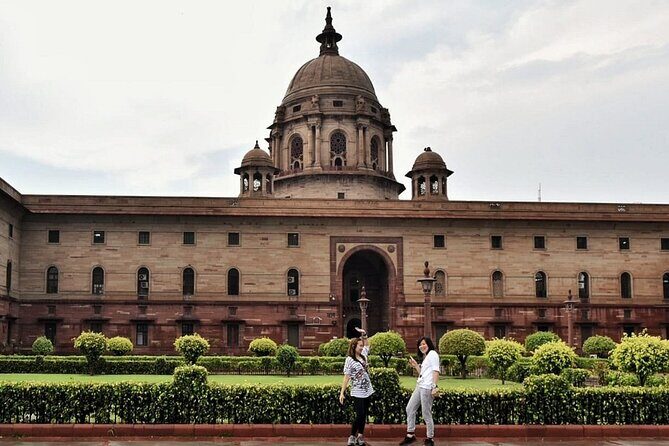
- Entering Rashtrapati Niwas (Viceregal Lodge): Observatory Hills First Stop
- Himalayan Bird Park and Himachal State Museum: More Than Quick Stops
- Vidhan Sabha Chowk and an Old Library: Where the Old and New Touch
- Gorton Castle and Neo-Gothic Details You Can Actually Spot
- Shimla–Kalka Railway Track and St. Michael’s Cathedral: The British Craft Witness
- Jakhoo Hill’s Kalibari Temple Finish: Goddess Kali, Built 1845
- Price and Pacing: $14 for 2 Hours That Actually Hits Several Themes
- Guide Quality Makes or Breaks a Walk Like This
- Should You Book the Colonial Trails of Shimla Walking Tour?
- FAQ
- Where does the tour start and end?
- How long is the walking tour?
- How much does it cost?
- What language is the live guide?
- Which major landmarks are included in the route?
- Is St. Michael’s Cathedral part of the experience?
- What’s included in the tour price?
- What should I bring since it’s not included?
Key Highlights You’ll Feel on This Walk
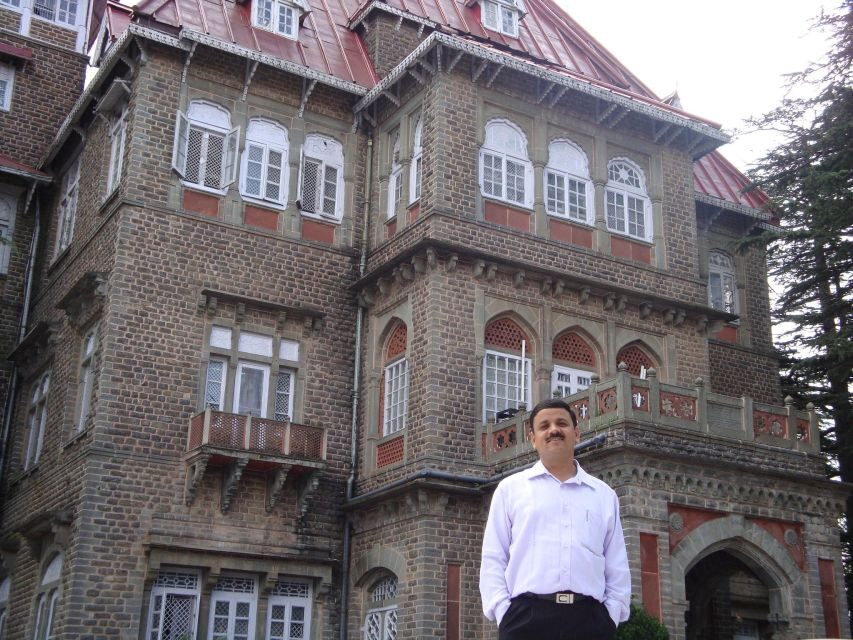
- Rashtrapati Niwas (Viceregal Lodge) as the opening anchor, with clear context about its British Viceroy role
- Himalayan Bird Park + Himachal State Museum for a slower, more personal pause between big buildings
- Gorton Castle and its 19th-century neo-Gothic look, which changes the visual mood of the walk
- Shimla–Kalka Railway Track as a working heritage witness of British-era craftsmanship
- Kalibari Temple on Jakhoo Hill to close the walk with a religious site tied to Goddess Kali, built in 1845
Why Shimla’s Colonial Walking Route Feels Different at Ground Level
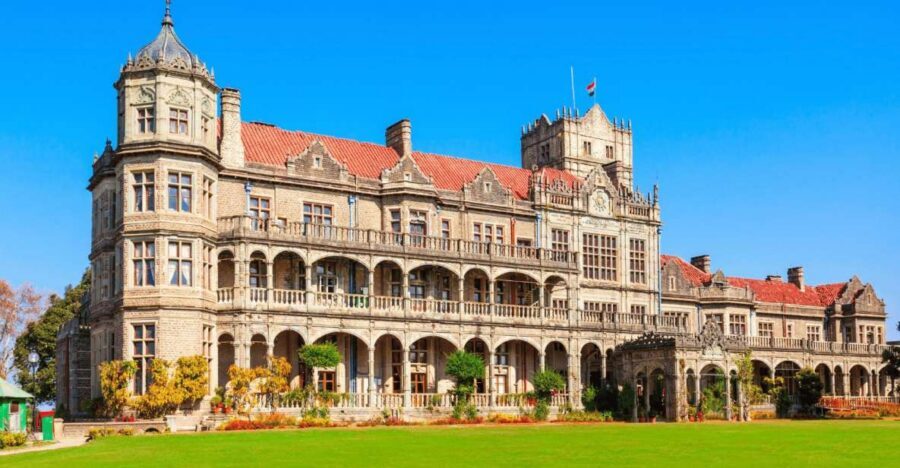
Most Shimla sightseeing treats the colonial sites like postcards: you stop, you snap, you move on. This walk does something smarter—it gives you a sequence, so the story of Shimla’s “summer capital” makes sense as you move street to street. The route is short enough (2 hours) to keep energy up, but packed enough that you don’t feel like you’re just collecting names.
You’ll also notice the tour style: it’s built like infotainment, meaning the facts come with timing and conversation, not a lecture wall. That matters in Shimla because the scenery is doing its own work—snow-capped mountain views when skies cooperate, green plains farther out, and a calm, almost mystical feeling in the city’s older lanes.
If you like practical travel moments—like knowing what to photograph, what to ignore, and where to look next—this tour plays to that. The only caution is basic mountain common sense: wear comfortable clothes and expect short outdoor stretches and some walking on hilly ground.
You can also read our reviews of more walking tours in Shimla
Entering Rashtrapati Niwas (Viceregal Lodge): Observatory Hills First Stop
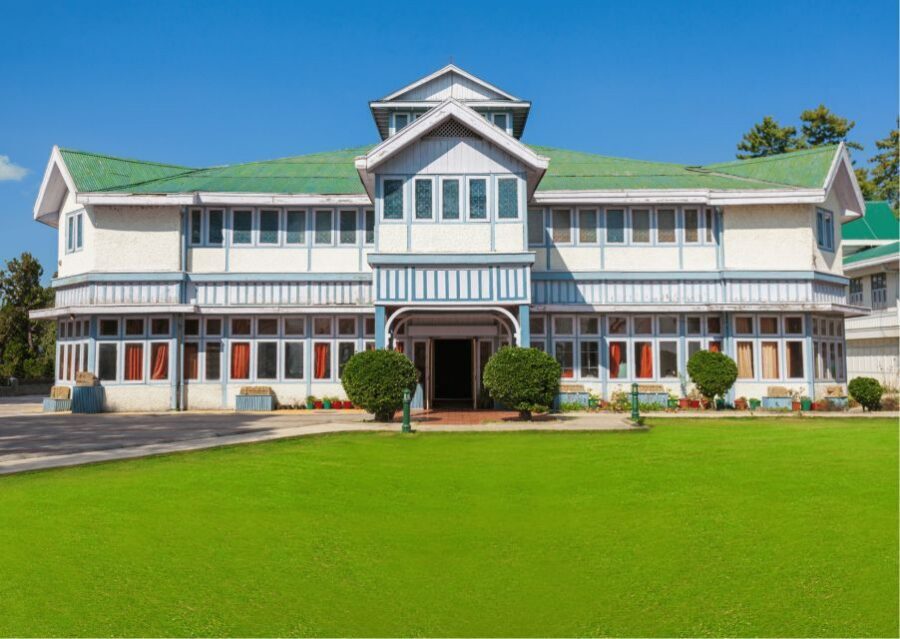
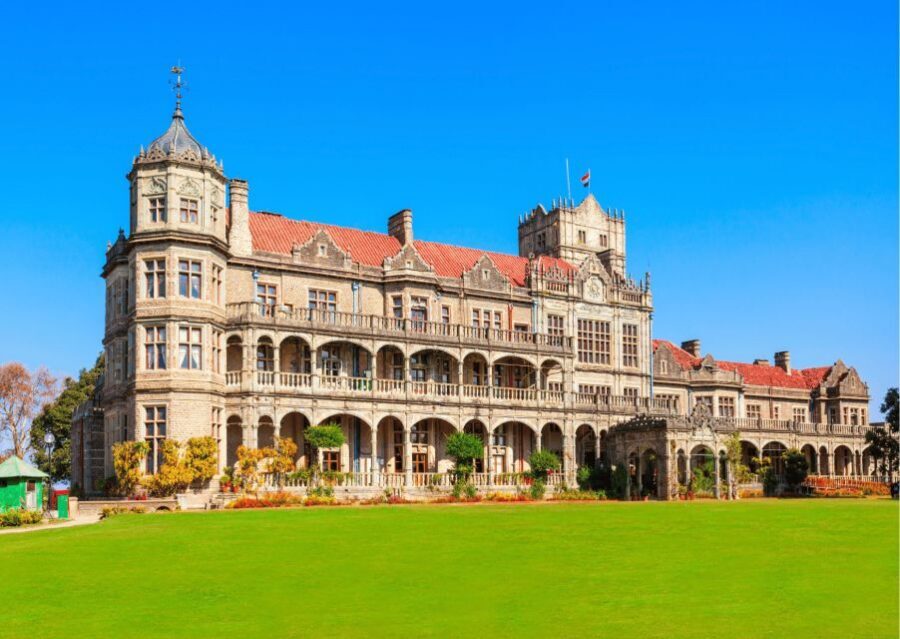
The tour starts at Rashtrapati Niwas, also known as Viceregal Lodge, on Observatory Hills. Even before you hear the details, the location cues you into why this area mattered: it’s set up to command a view, and it fits the colonial-era idea of a “capital” that looks outward.
What you gain here is orientation. The guide’s storytelling helps you connect the building’s presence to Shimla’s role under British rule, when the Viceroy’s residence shaped the city’s identity and rhythms. It’s the kind of opening stop that makes the rest of the tour easier, because you start with one big reference point.
A practical tip: treat the start like your warm-up for camera angles. Look for perspectives that show the building against the hilltop setting, then save your most patient photo moments for later stops like Gorton Castle and the temple finish.
Himalayan Bird Park and Himachal State Museum: More Than Quick Stops

After the colonial anchor, the walk shifts to lighter, more personal viewing: the Himalayan Bird Park. If you’re the type who thinks bird parks are just filler, try this stop with the guide’s framing. You’ll have a chance to photograph Himachal’s birds, including a modest but colorful collection that feels local rather than generic.
Next comes the Himachal State Museum, which works well for people who get restless in museum rooms. The collection includes items like ancient coins, paintings, and handicraft pieces influenced by the Pahari form of art. The value here is interpretation: you don’t just see objects, you learn how they connect to the region’s artistic style.
These two stops are also a pacing tool. They give your brain a break from architectural comparisons and let you slow down—without turning the tour into a long sit-down. For most people, this is where the walk becomes more memorable than just a checklist of colonial landmarks.
Vidhan Sabha Chowk and an Old Library: Where the Old and New Touch
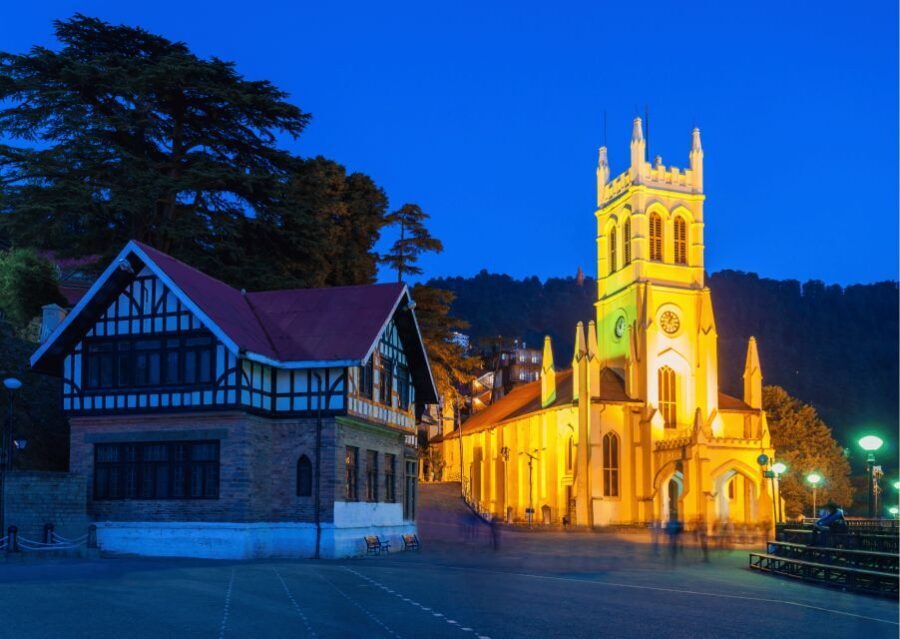
The tour passes by Vidhan Sabha Chowk, plus a heritage building tied to Shimla’s Vidhan Sabha and an old library. This is an underrated part of the route because it highlights a key truth: Shimla didn’t freeze in time at independence. Institutions evolved, and older structures became part of the city’s continued public life.
Even if you’re not into politics, this stop helps you read the city’s layout. You see how the colonial-era planning set a foundation, and then later functions adapted into it. It also reinforces why walking tours matter here—moving on foot lets you notice how public spaces connect to surrounding lanes and buildings.
One drawback to expect: because this segment is described as pass-by rather than a long visit, you won’t get extended time inside every heritage spot. Still, the brief viewing can be enough if the guide points out what to look for, and it usually sets you up well for the stronger architectural moments ahead.
Gorton Castle and Neo-Gothic Details You Can Actually Spot

Then the mood changes at Gorton Castle, constructed in the 19th century with neo-Gothic architecture. Neo-Gothic can sound like a design label, but on the ground it’s visual: you start noticing the stylized form, the pointed influences, and the overall “colonial romance” look that Shimla does so well.
Why this stop is worth your attention: it’s one of the clearest transitions in the tour. You go from institutional buildings and civic corners into a more dramatic, story-friendly landmark. A guide’s job here is to help you see what’s intentional about the design, not just that it exists.
If you’re photographing, take a moment to vary your angles. Some buildings look flat from one direction but gain depth from another, especially in hill towns where elevation and shadows do a lot of the work for you. Comfortable walking shoes help because you’ll likely reposition more than once to get a better frame.
You can also read our reviews of more guided tours in Shimla

Shimla–Kalka Railway Track and St. Michael’s Cathedral: The British Craft Witness
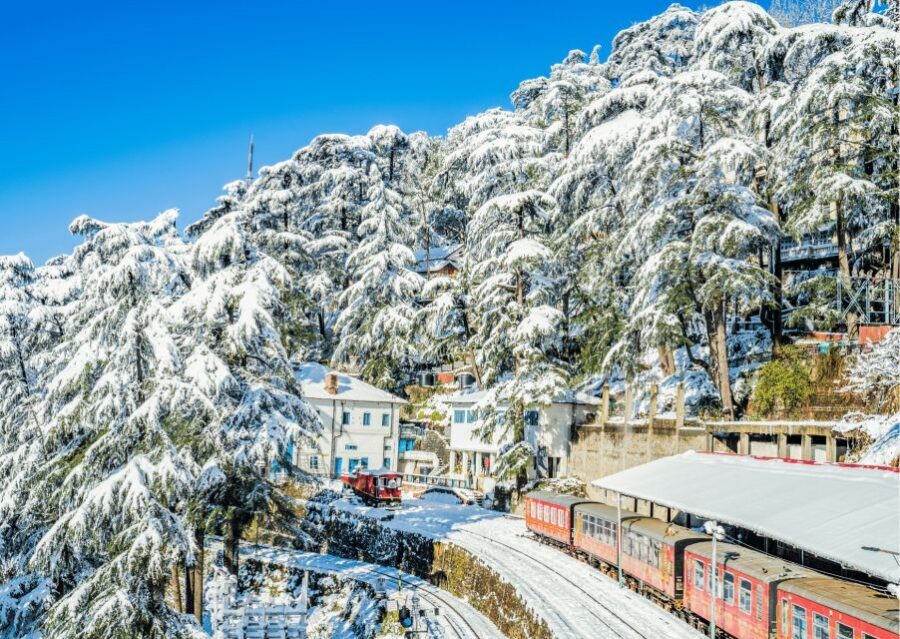
A key theme of the tour is craftsmanship, and that shows up with the Shimla–Kalka Railway Track, described as one of the most important witnesses of British craftsmanship. Even if you’re not a railway nerd, the meaning is easy to grasp: this was infrastructure built to serve the city’s role as a British administrative and seasonal hub.
Right around this stretch, you also pass by St. Michael’s Cathedral, famous for its French-Gothic style architecture. This part is a useful reminder that British-era influence wasn’t only about government buildings—it also shaped religious architecture and public identity.
What I like about including these sites in a walking route is that they connect to movement. Shimla’s story is partly about arrivals and connections, and the track is a physical symbol of that. If you enjoy “how it all worked” history more than dates and names, you’ll likely find this segment satisfying.
Jakhoo Hill’s Kalibari Temple Finish: Goddess Kali, Built 1845
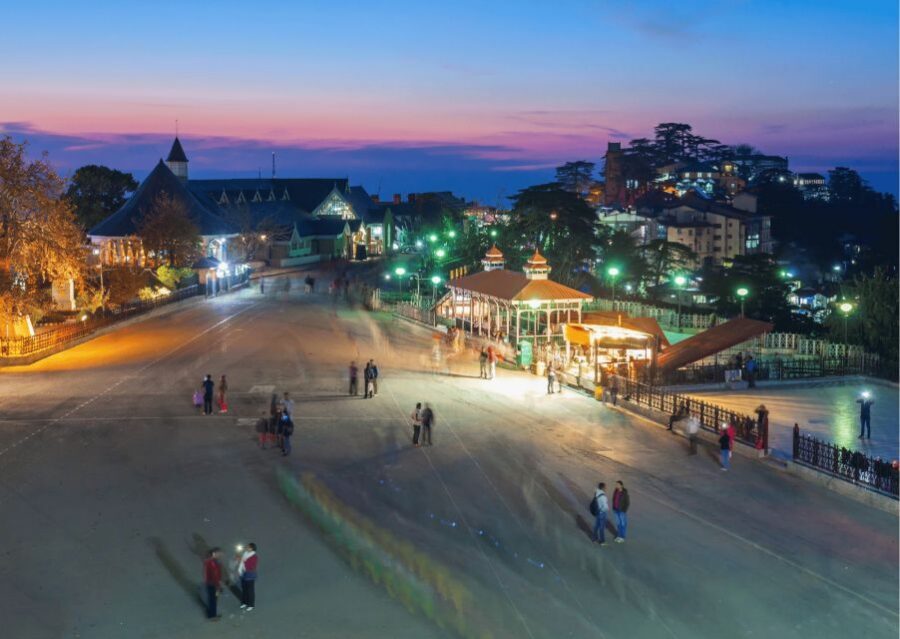
The walk ends at Kalibari Temple on Jakhoo Hill, dedicated to Goddess Kali. It’s described as an ancient place of worship with immense religious importance for devotees and is said to have been built in 1845.
Finishing at a living religious site changes the feel of the tour in a good way. You move from colonial architecture and heritage viewing into a spiritual atmosphere that feels connected to everyday devotion, not just tourism. Even if your interest is mostly architectural, this ending gives context to why Shimla isn’t only about British-era buildings.
Practical note: treat the temple finish as a respectful stop. It’s a place where local worship matters, so keep your pace calm, follow on-site cues, and use your camera thoughtfully.
Price and Pacing: $14 for 2 Hours That Actually Hits Several Themes
At $14 per person for about 2 hours, this tour is priced like a good-value introduction to Shimla’s older heart. You’re paying for three things: guided storytelling in English and Hindi, access to lesser-seen lanes and spots, and a structured route that avoids the “where do I go next?” problem.
You also get practical local tips to save money and explore the best of the city. That’s not just conversation padding—it can influence what you do after the tour, including how you plan meals, sights, and time.
What isn’t included is straightforward: there’s no hotel pickup/drop and no water bottle. You’re free to bring your own water, and you’ll likely feel better if you arrive with a simple start plan—especially because the meeting point is Viceregal Lodge.
The pacing is also a real asset. The tour includes a mix of guided time and pass-by segments, so you get variety without getting stuck at one location too long. The outdoor nature means you’ll want to dress for a mountain day: comfortable clothes, and layers if conditions shift.
Guide Quality Makes or Breaks a Walk Like This
This is one of the tours where the guide matters a lot. The best version of a walking tour isn’t just facts—it’s timing, tone, and how well someone helps you connect dots you didn’t know you’d want to connect.
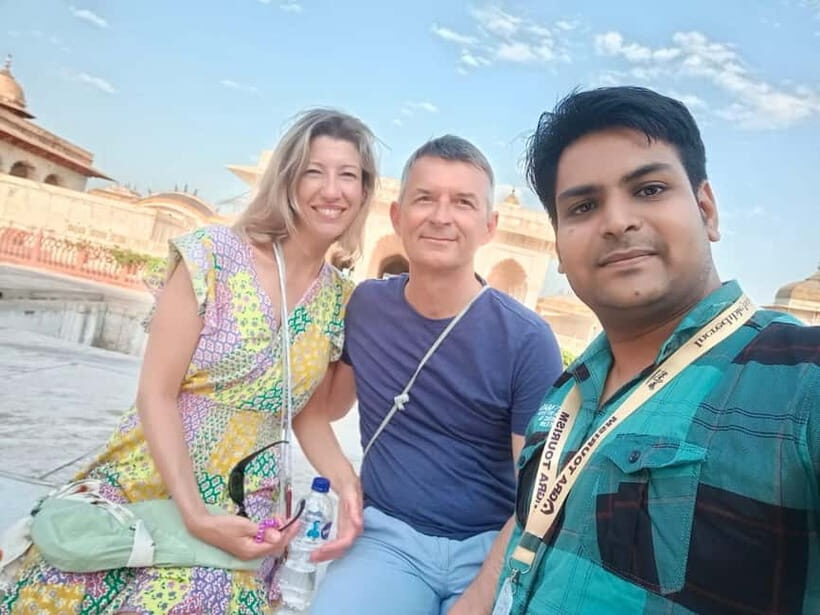
The reviews highlight guides such as Jagdeep ji, Dev, and Sunny Thakur, all praised for being attentive and story-driven. That lines up with the tour’s goal: keep you engaged whether you love history or not, and help you understand what you’re seeing at human speed.
If you care about learning without boredom, this is the part you should trust. A strong guide will also help you prioritize photos—when to pause, where to look, and what to notice in architectural details that you’d miss alone.
Should You Book the Colonial Trails of Shimla Walking Tour?
Book it if you want a structured 2-hour way to see Shimla’s colonial institutions, neo-Gothic architecture, and heritage infrastructure without turning the day into a stressful sprint. It’s a great fit if you like conversation, photography, and interpreting buildings rather than just ticking off landmarks.
Skip it (or consider pairing it with other plans) if you hate walking in outdoor conditions, or if you’re the type who wants long museum time and extended indoor access at every stop. Since some segments are pass-by, you won’t get “slow travel mode” at every location.
If you’re visiting Shimla for a short stay, this is one of the easiest ways to get your bearings fast—starting at Viceregal Lodge, then building toward Gorton Castle and finishing at Kalibari on Jakhoo Hill.
FAQ
Where does the tour start and end?
The tour starts at Rashtrapati Niwas (Viceregal Lodge) and ends at Kalibari Temple, Shimla.
How long is the walking tour?
It lasts about 2 hours.
How much does it cost?
The price is $14 per person.
What language is the live guide?
The live guide speaks English and Hindi.
Which major landmarks are included in the route?
Key stops include Rashtrapati Niwas (Viceregal Lodge), Himalayan Bird Park, Himachal State Museum, Vidhan Sabha Chowk (pass by), Gorton Castle, the Shimla–Kalka Railway Track area (pass by), and Kalibari Temple on Jakhoo Hill.
Is St. Michael’s Cathedral part of the experience?
The tour includes a pass-by of St. Michael’s Cathedral, known for French-Gothic style architecture.
What’s included in the tour price?
Included are the friendly English/Hindi storyteller/guide, local tips and recommendations, access to hidden lanes and places, and guided conversations.
What should I bring since it’s not included?
Comfortable clothes are recommended. Water bottle isn’t included, so bring your own.