REVIEW · SHIMLA
Shimla: Himachali Traditional Local Home Food Experience
Book on GetYourGuide →Operated by Wonders of Himalaya · Bookable on GetYourGuide
Dinner in someone’s home beats any restaurant in Shimla. This traditional Himachali meal experience is interesting because it’s about food plus people: I like the way you’ll chat with hosts while the cooking happens, and I also like that you try dishes you usually won’t see in restaurants, including a fern-based dish and other home-style plates explained in plain language. One possible drawback: this is a home visit, not a hotel dining room, so expect a small space and simple facilities.
You’ll get pickup and drop-off from centrally located hotels in Shimla, then head to your host’s place by road. Along the way, you may notice the access can be narrow and steep with good views, and your host (often named Raghav and Preeti in the accounts I read) will set the tone with warm welcome and conversation. The main consideration: one low rating called out comfort and cleanliness issues, so it’s smart to go with realistic expectations and ask questions if you’re sensitive to these things.
The whole sit-down runs about 2 hours, and it’s set up as a private group with hosts who speak English and Hindi. There’s also wheelchair accessibility, which is a plus, but the home setting can still feel tight depending on the layout.
In This Review
- Key Things I’d Watch for Before Booking
- Why a Himachali Home Meal Feels Different From a Restaurant
- A quick heads-up on expectations
- The Drive Up to the House: Views and Timing in Real Time
- Meeting Your Hosts: The Part That Turns Food Into a Story
- What You’ll Eat in a Himachali Kitchen (and How to Think About It)
- The fern dish example: why it matters
- Don’t expect plating like a restaurant
- The Real Benefit: Learning the Ingredients and Local Food Logic
- Comfort, Cleanliness, and the Simple Reality of Home Dining
- How to protect yourself
- Price and Time: What $16 Buys You in Shimla
- Who This Experience Is Best For
- Who should think twice
- Should You Book This Shimla Home Food Experience?
- FAQ
- How long is the Shimla Himachali traditional local home food experience?
- What is the price per person?
- Does the tour include hotel pickup and drop-off?
- What language will the host or greeter use?
- What type of group is this experience?
- Is the meal included?
- Is the experience wheelchair accessible?
- What is the cancellation policy?
Key Things I’d Watch for Before Booking
- Home-cooked, not restaurant-cooked: you’ll be eating a family meal with home-style service, not a formal dining setup.
- Real Himachali dishes with explanations: you’ll learn what ingredients are used and why certain flavors fit the region.
- Conversation is part of the package: hosts may talk about culture and daily life while you eat.
- Simple facilities are normal here: the experience can be cozy, and seating or bathroom setups may not match what you expect from hotels.
- Road access matters: getting to the home can mean a narrow, steep approach with scenery along the way.
- Most value is the human connection: the best parts tend to be the hosts, their daughter, and sharing stories around the table.
Why a Himachali Home Meal Feels Different From a Restaurant
Shimla has plenty of places where you can eat quickly, but this kind of experience works on a different level. You’re not just ordering food. You’re stepping into how a Himachali family eats—what gets cooked on ordinary days, what ingredients are common, and how flavors come together in a home kitchen.
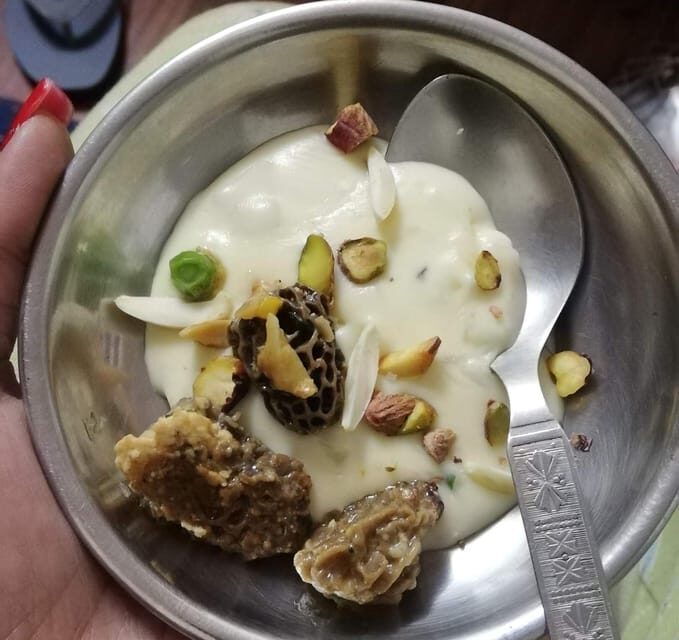
What I like most is the balance between eating and learning. You’ll try dishes you might not find on typical restaurant menus, and your hosts explain what’s in them in a way that helps the food make sense. One person highlighted an unusual fern-based dish that tasted a bit astringent, which is exactly the kind of regional detail that turns a meal into a real cultural snapshot.
The other big win is the conversation. In these homes, you’ll likely talk about life in the hills—how the family runs the day, what matters locally, and the small stories that you never hear from a cookbook. The hosts I saw mentioned include Raghav and Preeti, and another set of accounts mentions Pawan and his wife. In both cases, the shared idea is the same: the meal comes with people, not just plates.
You can also read our reviews of more food & drink experiences in Shimla

A quick heads-up on expectations
This is someone’s home. That means:
- You should expect cozy space, not spacious restaurant comfort.
- You should expect simple bathrooms and basic hand-washing arrangements rather than a spa-clean setup.
- You should treat it like a visit with hospitality, not like a professionally staged dining venue.
For many people, that’s the point. For a few, it’s where the experience can miss the mark—especially if you’re sensitive to cleanliness or odors. One low rating described issues like the bathroom condition, lack of soap for handwashing, limited seating for eating, and smell in the house. If those factors matter to you, consider messaging your provider beforehand and be clear about any needs.
The Drive Up to the House: Views and Timing in Real Time
Your tour starts with pickup in Shimla, usually from centrally located hotels. That’s convenient because you don’t have to worry about navigation on your own. It also matters for value: at about $16 per person for a 2-hour experience, the transportation part is part of what makes it reasonable.
Then comes the road to the home. One account specifically noted the access road is narrow and steep, with beautiful views. That’s not just scenery trivia. It affects how you plan:
- If you get motion sick easily, take your precautions before you go.
- If stairs or uneven steps might be an issue, it’s smart to ask how guests typically access the dining area.
Even though the activity is described as wheelchair accessible, that usually means there’s a way to participate—still, homes can vary. The best move is to confirm how the route and entry work.
On the timeline, expect the whole thing to feel relaxed rather than rushed. You’re there for a single meal with time to talk and ask questions. This is also why the private-group format helps. You’re less likely to feel squeezed by a large group, and the hosts can respond at a normal human pace.
Meeting Your Hosts: The Part That Turns Food Into a Story
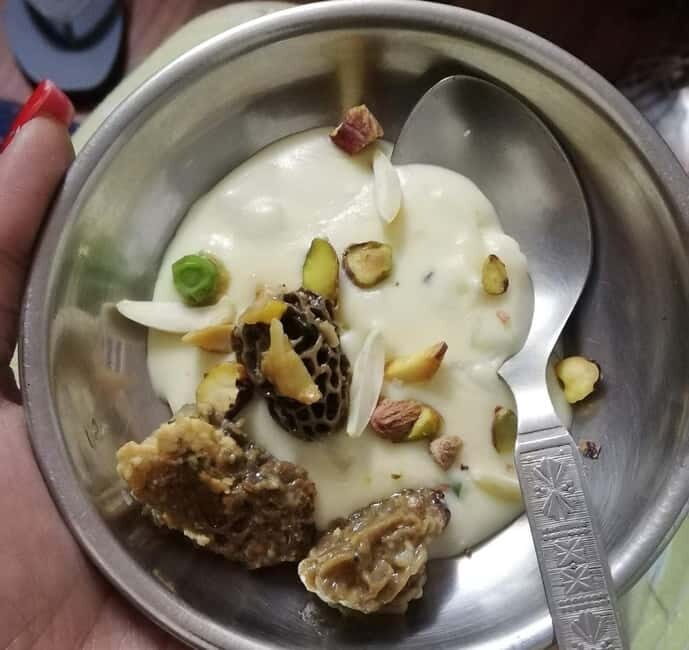
A big reason this experience earns strong scores is the host connection. Many accounts mention Raghav and Preeti as the hosts, plus their daughter adding extra warmth and joy to the room. Another set of accounts centers on Pawan hosting with his wife, and again the family dynamic is the highlight—food arrives faster when people are relaxed, and conversation lands better when it’s personal.
So what does that look like in practice?
You’ll likely:
- Be welcomed when you arrive
- Sit down at the family’s table or seating area
- Start eating while the hosts explain what’s being served
- Ask questions about ingredients, regional cooking, and Himachali life
If you enjoy asking simple, direct questions—what is this herb? what does it taste like? how often do you cook it?—you’ll get a lot out of the experience. The hosts don’t just dump facts. They connect food to daily routines and culture.
That’s also where the English/Hindi language support matters. Knowing hosts speak both languages helps you avoid that awkward moment where you can’t ask what you most want to know. You’ll still want to go with patience and curiosity; this is a home environment, not a scripted show.
What You’ll Eat in a Himachali Kitchen (and How to Think About It)
You’re promised a traditional Himachali meal, and that’s the key phrase: traditional doesn’t mean fancy. It means regional, family-style, and based on ingredients locals use.
From the accounts, you can expect:
- Multiple dishes as part of the meal
- Some plates that are less common on restaurant menus
- Freshly prepared food tied to the cooking habits of that household
- Tea and bread alongside the main dishes
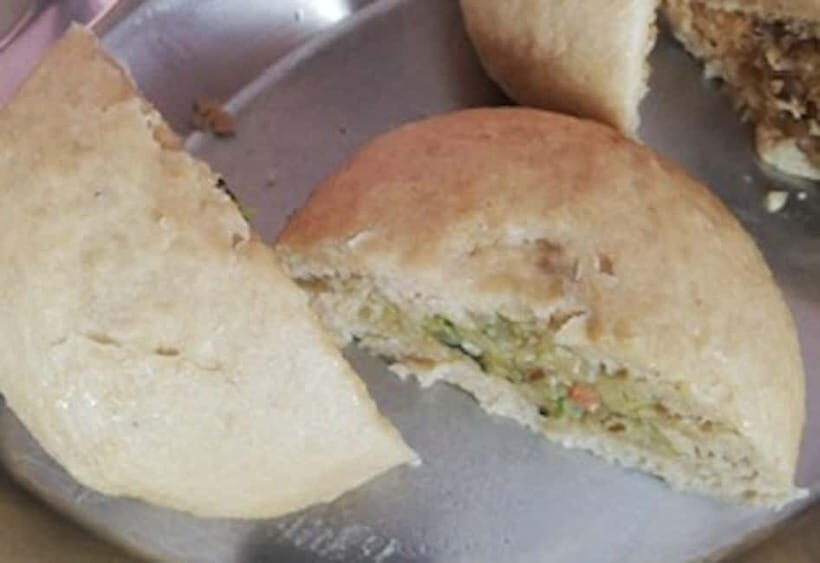
One person specifically mentioned lemon grass tea and fresh baked bread as accompaniments, which is a great clue for what kind of meal rhythm to expect: comforting carbs, herbal flavors, and food that feels made for sharing.






The fern dish example: why it matters
A highlighted dish was a fern-based preparation described as having an astringent quality. That detail matters because it signals you’re not just tasting generic Indian flavors. You’re tasting Himachali-specific ingredients and cooking approaches.
Also, when hosts explain the ingredients used, you’ll be able to connect the taste to something real—like which plants are common, how certain flavors work together, and why certain dishes fit local preferences.
Don’t expect plating like a restaurant
This is where expectations can drift. One low rating complained that the food felt ordinary and that there wasn’t enough comfortable seating. So it’s fair to expect simple presentation.
If you’re the type of traveler who cares more about flavor and story than visual “Instagram dinner” staging, you’ll likely enjoy it a lot.
The Real Benefit: Learning the Ingredients and Local Food Logic
Food tours often feel like you’re collecting facts. This format tends to work better because you learn while you’re eating.
Your hosts explain:
- What dishes are
- What ingredients are involved
- How the flavors belong to the region
- Sometimes even how cooking fits everyday life in the hills
This kind of information is practical. It helps you order better later, recognize ingredients you see on markets, and understand why Himachali dishes can taste different from what you’re used to elsewhere in India.
And because this is private group, you can ask follow-ups without feeling like you’re interrupting a schedule. If you want to learn what the herbs are doing, what makes a dish more or less sour, or how bread is handled at home, this setting is built for that kind of question.
Comfort, Cleanliness, and the Simple Reality of Home Dining
Let’s talk about the part you should not ignore: comfort and cleanliness.
Most accounts were positive about hospitality, communication, and how welcoming the family felt. One person described the home as small and quaint and said the atmosphere felt calm and patient, even with kids in the group. Another said the hosts were lovely and the meal excellent.
But one low rating painted a very different picture, describing:
- Unclean feel
- Below-average bathroom
- No soap for washing hands
- No good place to sit to eat (and sitting on a bed)
- Some people leaving due to smell
I’m not going to sugarcoat that. This experience can be wonderful, but it can also be uncomfortable if you’re strict about hygiene, handwashing setup, and seating.
How to protect yourself
If you book, you can reduce risk by going in with clear priorities:
- If bathroom cleanliness is a deal-breaker, ask before you go.
- If seating comfort matters, ask where you’ll eat and how guests typically sit.
- If you’re sensitive to odors, mention it ahead of time so the host can prepare accordingly.
- Wear simple clothing you don’t mind sitting in close quarters.
And one more practical note: because it’s a home, you should pack the mindset you’d use when visiting relatives—respectful, flexible, and ready to laugh a little if the home logistics are modest.
Price and Time: What $16 Buys You in Shimla
At around $16 per person for about 2 hours, this experience is strong value if you want home-style food plus conversation. You’re not paying for a big venue. You’re paying for a family to host you, cook, explain, and share time.
You also get:
- Pickup and drop-off from centrally located hotels
- A traditional meal
- A host who can communicate in English and Hindi
- A private-group setting (so it’s not crowded)
That’s the value equation: the main cost is time and access, and the output is a meal plus cultural context.
If you’re mostly hunting for convenience and predictable comfort, you might prefer a restaurant meal and spend your money elsewhere. But if you want something more local than a dining hall, this is one of the cheaper ways to get that.
Who This Experience Is Best For
This tour fits best if you:
- Like asking questions and talking to real people
- Want to taste regional food that’s not always served in restaurants
- Prefer smaller, private settings over big group tours
- Are okay with a home environment—simple, cozy, and informal
It’s also a good fit for families, because one account described a host family being patient with kids, and another highlighted how the hosts’ daughter added joy to the room.
Who should think twice
I’d think twice if you:
- Have strong requirements around cleanliness and odor-free spaces
- Need very comfortable seating or a hotel-style bathroom setup
- Are uncomfortable with tight interiors or uneven home access
Should You Book This Shimla Home Food Experience?
Book it if you want traditional Himachali food with context, and you’re excited about chatting with hosts like Raghav and Preeti (and/or families like Pawan’s). The best version of this experience is food that comes with ingredient stories, lemon grass tea and bread, and the kind of conversation you remember longer than the meal itself.
Don’t book it if you need a formal restaurant standard, spotless facilities, or guarantee-level comfort. This is a real home. That’s what makes it authentic—and that’s also what makes it uneven for a small number of people.
If you do book, send a quick message ahead of time asking about seating and bathroom basics. Simple questions can save you stress.
FAQ
How long is the Shimla Himachali traditional local home food experience?
The experience runs for about 2 hours.
What is the price per person?
The price is listed as $16 per person.
Does the tour include hotel pickup and drop-off?
Yes, pickup and drop-off are included, but only from centrally located hotels in Shimla.
What language will the host or greeter use?
The host or greeter speaks English and Hindi.
What type of group is this experience?
It’s a private group.
Is the meal included?
Yes, the experience includes a traditional Himachali meal.
Is the experience wheelchair accessible?
Yes, the activity is described as wheelchair accessible.
What is the cancellation policy?
Free cancellation is offered up to 24 hours in advance for a full refund.