REVIEW · VARANASI
Sarnath, the place of first ceremon of Budhha.
Book on Viator →Operated by Unique Experiences · Bookable on Viator
Sarnath makes Buddha’s story feel close. This short, focused outing takes you from Varanasi to one of the most sacred Buddhist sites, where the big takeaway is seeing the ruins tied to Buddha’s first sermon and then connecting it with what the museum shows. I love that museum and ruin entry fees are included, so you are not hunting for tickets or making last-minute payment decisions.
I also like the comfort of round-trip transfers from Varanasi with private flexibility, plus pickup offered when you need it. One possible drawback: the time on site is limited (about 2 hours, with the full trip running roughly 2–4 hours), so if you want hours and hours of wandering with no structure, you may wish you had scheduled more time.
In This Review
- Key things I’d focus on
- Sarnath and the first sermon: why this stop matters
- Ruins, museum, and the main temple: what the 2-hour visit feels like
- Price and value: is $60.22 per person fair here?
- Transfers and timing: starting at 9:30 and staying flexible
- A guide can make Sarnath click: the Mukund factor
- Museum + ruins entry: what you avoid by having it included
- What to do if your schedule is tight in Varanasi
- Who this Sarnath tour is best for
- Quick practical tips before you go
- Should you book this Sarnath tour?
- FAQ
- How long is the tour?
- What is included in the price?
- Are the museum and ruins tickets included?
- Do I get pickup and round-trip transfers?
- Is this a private tour?
- When does the tour start?
Key things I’d focus on
- Buddha’s first-sermon location: you’re visiting the place pilgrims still come to
- Museum + ruins entry included: you avoid on-the-spot hassles
- Private tour for your group: easier pacing and fewer waiting-around moments
- Pickup and round-trip transfers from Varanasi: logistically less stressful
- Guides like Mukund get praise for clear explanations and strong Buddhist history context
Sarnath and the first sermon: why this stop matters
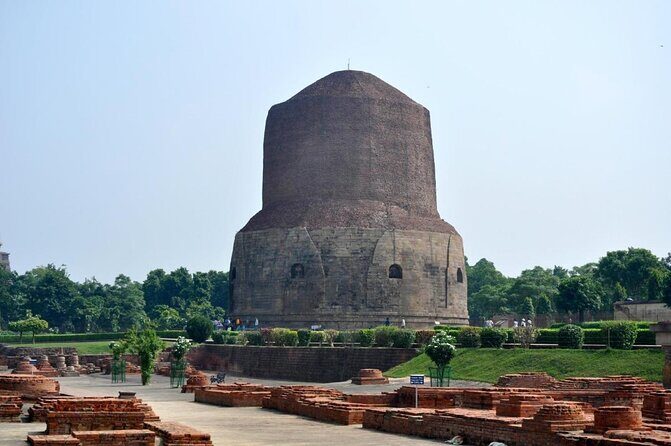
Sarnath is a short ride from Varanasi, about 10 km northeast, and it has the kind of calm that feels different from the busier parts of the region. The whole point of the visit is simple and powerful: this is where Buddha delivered his first sermon, and the town still draws pilgrims from around the world.
What you get out of a tour like this is context. It is not just walking through ruins and calling it a day. You’re shown the where (the ruins tied to the first sermon) and the why (through museum and temple viewing), so the site clicks faster instead of feeling like scattered stone.
And because it’s set up as a half-day style experience, you can fit Sarnath into a practical Varanasi plan without blowing up your whole schedule.
You can also read our reviews of more tours and experiences in Varanasi.


Ruins, museum, and the main temple: what the 2-hour visit feels like
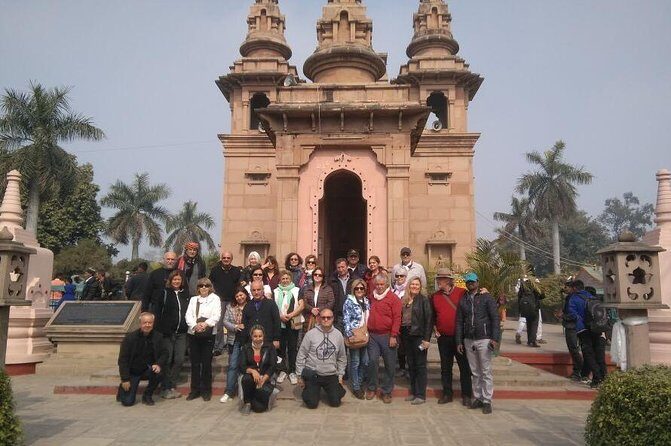
Your time centers on Sarnath itself, with a walk-and-view rhythm that stays close to the most meaningful parts of the area. You typically spend around 2 hours on site, moving between the ruins where the first sermon ceremony is linked, a museum, and the main temple.
Here’s what I’d expect from the flow:
- You start by orienting yourself to the ruins connected to Buddha’s first sermon.
- Then you shift to the museum to make sense of what you just saw (and what you might not immediately understand).
- Finally, you include the main temple stop so the experience lands with a spiritual, present-day feeling—not only an archaeological one.
This is a sensible order. Ruins alone can feel abstract. Museum alone can feel like reading without emotion. Temple viewing can feel like scenery unless you’ve placed it in the right story first. Doing all three is what turns it into a connected experience.
Possible watch-out: because the visit is time-efficient, you’ll want to have a bit of curiosity. If you’re the type who only wants a quick photo stop, you might feel you’re not getting enough time per location. But if you like short, purposeful sightseeing with a guide explaining the thread, this format works well.
Price and value: is $60.22 per person fair here?
At $60.22 per person, the pricing is not just for transport—it’s also built around site access and guidance. What makes the value feel real is what’s bundled:
- All fees and taxes are included
- Entrance tickets for the ruins and museum are covered (listed as 305 INR per person)
- Private transportation is part of the deal
So you’re paying for convenience and time, not only a drive. In practice, that matters in Varanasi, where good planning can spare you from wasting energy on admin tasks like finding the right ticket counter at the right moment.
Is it expensive compared to DIY? Sure, sometimes. But if you factor in the time saved, the entry fees handled for you, and the benefit of a guide to connect museum content to what you’re seeing on the ground, the total often feels fair—especially for a first-time visit to Sarnath.
One small thing to plan around: snacks are not included. If you’re easy to get hangry, bring something simple (or plan a meal before your start). It’s a small missing piece, but it affects comfort on a morning schedule.
Transfers and timing: starting at 9:30 and staying flexible
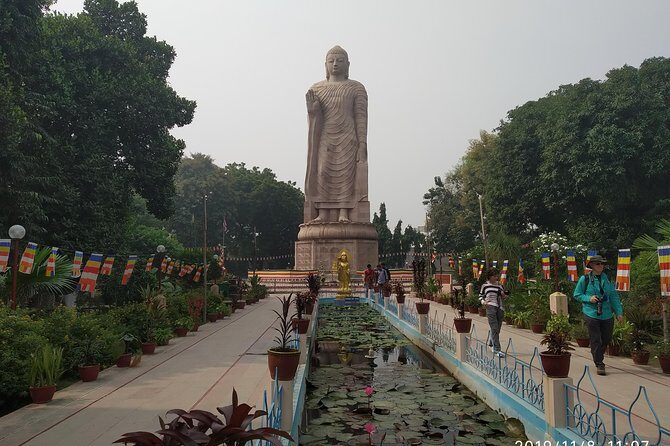
The tour starts at 9:30 am. That timing is useful because it helps you catch Sarnath in a calmer window and gives you enough daylight later for the rest of Varanasi.
This experience also includes round-trip transfers from Varanasi and offers pickup. Even if you’re comfortable navigating on your own, transfers are a big quality-of-life upgrade. You don’t have to coordinate rides, figure out routing, or negotiate timing once you’re ready to head back.
Because it’s private, flexibility is part of the package. You’re not stuck watching a group file past at the speed of whoever needs the most bathroom time. Your guide can slow down when something stands out, or move faster if you’re more focused on seeing everything and moving on.
And the practical detail you’ll appreciate: you get a mobile ticket, which means less fumbling with paper while you’re already in travel mode.
A guide can make Sarnath click: the Mukund factor
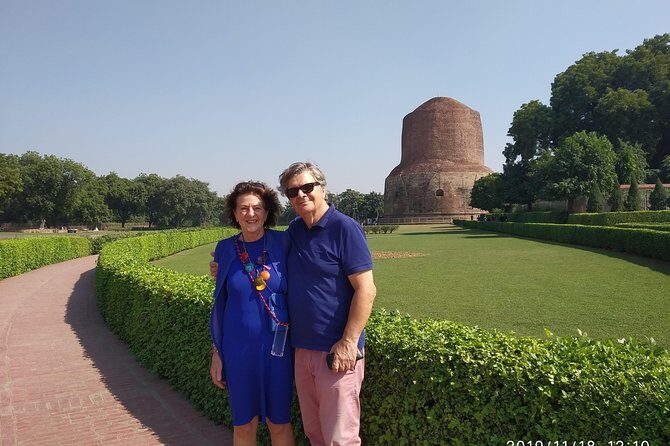
One of the most praised parts of this experience is the guide quality. In feedback, Mukund is repeatedly mentioned for strong explanations and practical help around timing, including arranging a driver back to the airport when needed.
What matters for you is not just that someone knows facts. It’s that the explanation gives you a framework to interpret what you’re looking at:
- He’s praised for clear, easy-to-follow explanations
- He connects Buddhist history with different Buddhist schools
- He’s noted for friendly energy
- He also gets credit for German language skills in at least one set of feedback
If you speak German, that’s a real plus. Even if you don’t, the bigger win is how the tour turns the museum and ruins from separate stops into one story. You tend to remember places you understand—and you tend to enjoy explanations that match what you’re seeing right then.
This is why I consider a private, well-led tour worth it here. Sarnath is sacred, but it can still feel confusing if you’re only working from your own assumptions.



Museum + ruins entry: what you avoid by having it included
Including museum and ruins entry fees is one of those “small” features that makes a noticeable difference in how the day goes.
Without included admission, you might face a chain reaction:
- You arrive, but you need to locate the right place to pay
- You might lose time while figuring out what exactly is covered
- You may end up paying separately for each area
Here, the tickets for the ruins and museum are covered (noted as 305 INR per person). That means you can focus on the site instead of the checklist.
It also shapes your mental pace. When you know entry is handled, you don’t feel rushed to squeeze everything into the last minute. You can move at a human rhythm, which is how you actually enjoy temples and ruins.
What to do if your schedule is tight in Varanasi
Because this is designed as a short trip (about 2 hours on site, roughly 2–4 hours total), it fits several travel styles:
- If you have limited time in Varanasi and want the core sacred stop, this works.
- If you’re already planning other daytime activities, the short structure helps you stay on track.
- If you’re traveling with someone who gets tired easily, private transfers and a set plan reduce stress.
You’ll get the most value if you treat it like a focused lesson: pay attention to what your guide connects, and don’t rush through the museum thinking you can understand it later. The museum is what turns the ruins from “interesting stones” into a meaningful first-sermon experience.
If you’re the type who loves slow walking and lingering, consider building in your own extra time after the tour rather than trying to cram more into the included window.
Who this Sarnath tour is best for
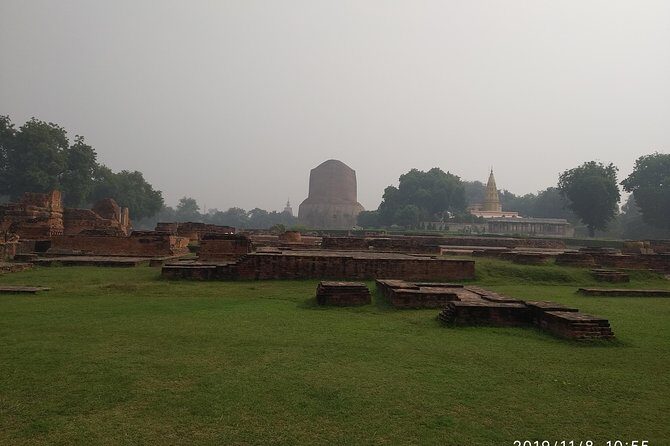
This experience is best for:
- People who want a private visit so the pace matches your group
- First-timers to Varanasi who want to see Sarnath without logistical headache
- Travelers who care about the “why” behind sacred places, not only the “where”
- Anyone who likes having a guide explain the links between museum items and the physical site
It also says most travelers can participate, which makes it a reasonable default option for many visitors.
If your idea of the perfect day is purely self-guided and slow with no structure at all, you might prefer a DIY plan. But if you want your Sarnath visit to feel coherent fast, a guided private setup is the easier route.
Quick practical tips before you go
These are the small things that help the experience go smoothly:
- Bring a snack or plan a meal: snacks are not included.
- Wear comfortable shoes. Ruin areas and museum spaces tend to involve walking and standing.
- If you want to ask questions, go in with one or two themes (first sermon context, how Buddhist traditions interpret teachings). Your guide can shape the answers around what you care about.
- Keep your phone handy for the mobile ticket.
Also, keep expectations realistic: this is a short, meaningful outing. You’re not trying to conquer every corner of the area. You’re getting the core story in a controlled timeframe.
Should you book this Sarnath tour?
I’d book it if you want an efficient, well-structured way to experience Sarnath’s first-sermon significance without dealing with entry tickets or transport coordination yourself. The value comes from the bundle: museum + ruins admission, private transportation, and private flexibility, all starting at 9:30 am with pickup and round-trip transfers.
Skip it only if you know you want a long, free-form day with lots of extra time at multiple stops, or if you dislike having a guided structure. In that case, you might feel boxed in by the 2-hour on-site approach.
For most visitors, though, this is a smart bet: you get the key places, the fees handled, and guidance that helps the site make sense quickly.
FAQ
How long is the tour?
The experience runs about 2 to 4 hours in total, with around 2 hours spent at Sarnath.
What is included in the price?
All fees and taxes are included, along with entrance tickets for the ruins and museum, plus private transportation.
Are the museum and ruins tickets included?
Yes. Entrance tickets for the ruins and museum are included (listed as 305 INR per person).
Do I get pickup and round-trip transfers?
Yes. Pickup is offered, and round-trip transfers from Varanasi are provided.
Is this a private tour?
Yes. It’s a private tour/activity, and only your group will participate.
When does the tour start?
The start time is 9:30 am.