REVIEW · KOLKATA
Bengali Nights Kolkata Food Tour with 13+ Tastings
Book on GetYourGuide →Operated by A Chef's Tour · Bookable on GetYourGuide
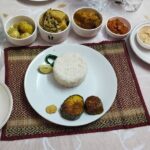
Kolkata tastes like a story. This Bengali Nights Kolkata Food Tour links you with 13+ local Bengali bites and drinks, and I especially like how Avik adds context to each stop so the food connects to everyday life in old Calcutta. The downside: it’s not suitable for vegetarians or lactose intolerance, so you’ll miss some dishes rather than getting swaps.
What makes it work is the rhythm. You start at Esplanade Metro Gate 4 and keep moving using local transport, including the old tram feel and a classic wooden rickshaw segment. You’ll finish the night full, with a clearer sense of where the city eats, prays, argues, and lives.
In This Review
- 6 Key Reasons This Tour Works in Kolkata
- Meeting at Esplanade: How This Starts (and Why It Matters)
- First Bites in a Less-Visited District: Lassi, Then Mutton Kosha
- Seafood Stop: Prawns in Chingri Coconut Style and Fish Steamed in Banana Leaf
- On Classic Wooden Rickshaws: Seeing the Neighborhood While You Eat Less
- The Mutton and Prawn Power Combo: Prawn Kabiraji from a 19th-Century Kitchen
- Walking Through Calm Districts: Temples, Local Life, and Bhajis
- College Street and Sweet Shops: Coconut Sherbet and Bengali Candy Culture
- The Colonial Coffee Shop Finale: Students, Ceiling Fans, and Traditional Service
- Value in Plain Terms: Why This $40-Hour Meal Plan Feels Fair
- Who This Tour Is Best For (and Who Should Skip It)
- Quick Tips Before You Go
- Should You Book Bengali Nights Kolkata Food Tour?
- FAQ
- Where do I meet the guide for the tour?
- How long is the Bengali Nights Kolkata Food Tour?
- How many tastings are included?
- Is the tour suitable for vegetarians or lactose intolerance?
- Are alcoholic drinks included?
- What transport will we use during the tour?
- What should I bring with me?
- Can I cancel or pay later?
6 Key Reasons This Tour Works in Kolkata
- Avik’s stop-by-stop storytelling connects dishes to the neighborhoods you’re walking through
- 13+ tastings across savory, seafood, and sweet Bengali favorites, plus drinks
- Old-world transport mix helps you see more than just food stalls
- North Kolkata backstreets and College Street give you real city energy without a checklist vibe
- Signature dishes like mutton kosha and chingri coconut-style prawns show what Kolkata does best
- Small group (up to 8) keeps the pacing friendly when you’re moving alley to alley
Meeting at Esplanade: How This Starts (and Why It Matters)
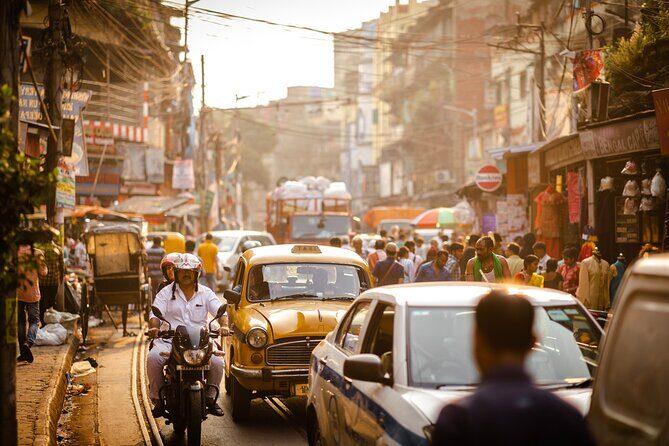
Your evening begins outside Esplanade Metro Station, Gate 4, on S.N. Banerjee Road. This is one of those practical Kolkata details that instantly changes the experience: you’re not trapped in a hotel pickup line, and you get oriented fast. The metro also helps you avoid traffic and the usual “will we actually get there on time?” chaos.
The tour is English-led and limited to 8 people, which matters when you’re eating street-style food in small portions across multiple stops. Larger groups tend to turn into a shuffle. Here, you’ll be able to ask questions, pause for explanations, and keep your pace.
Bring comfortable shoes. You’ll be walking through backstreets, and you’ll want your feet to thank you. Also, pack for the weather: the tour runs in rain or shine, so a small umbrella can save the night.
You can also read our reviews of more food & drink experiences in Kolkata


First Bites in a Less-Visited District: Lassi, Then Mutton Kosha
After meeting your guide, you travel up to a part of Kolkata that’s not on every visitor’s radar. Then you start right away with a chilled lassi from a local street vendor. That first sip is more than a warm-up. It’s a smart way to settle your stomach and cool your palate before the food gets serious.
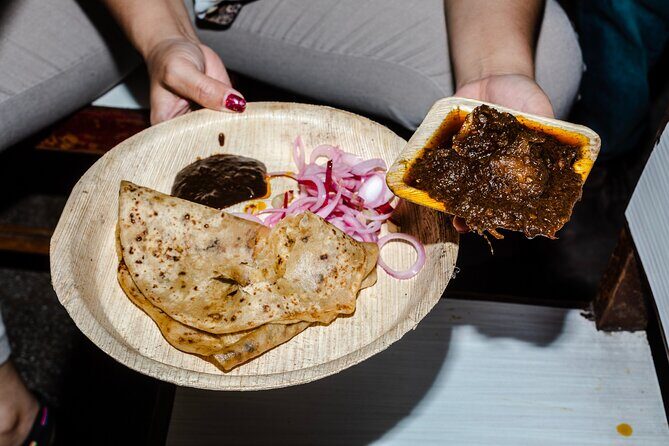
Next comes a tiny joint known for mutton kosha curry, a dish Kolkata takes personally. You’ll hear stories as you eat—about old Calcutta and how these food places fit into the city’s character. The standout idea here isn’t only that the curry is good. It’s that you’re tasting a long-standing approach to flavor: slow-cooked mutton with that deep, concentrated richness that makes kosha feel like comfort food and celebration at once.
A quick consideration: street food is part of the appeal, but it’s also where hygiene habits matter most. The tour’s focus on reputable local stops is meant to help, but you still should eat with basic common sense—don’t push beyond your comfort level, and take it slow at the first few tastings.
Seafood Stop: Prawns in Chingri Coconut Style and Fish Steamed in Banana Leaf
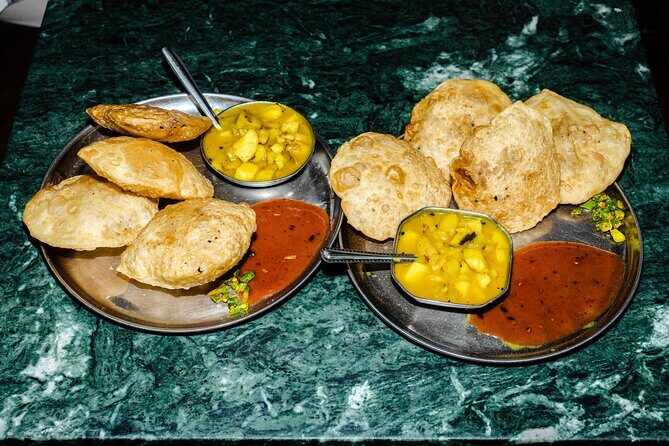
Kolkata’s seafood scene is a big reason people fall in love with Bengali food. On this tour, you visit local seafood restaurants where the dishes are built around coastal influence and Bengali cooking techniques.
Two items you should look forward to:
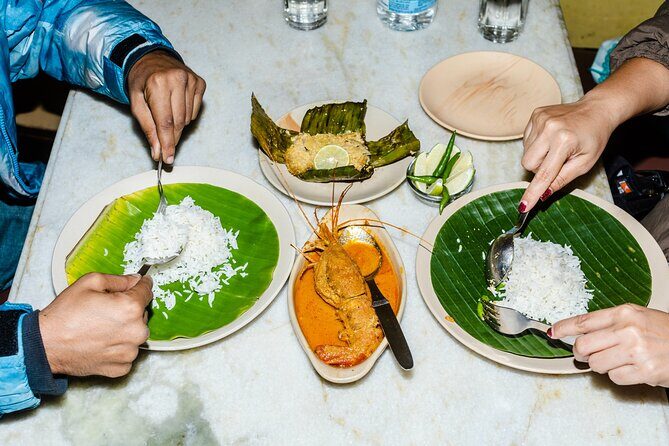
- Prawns coated in a chingri coconut cream sauce
- Curried fish mousse steamed in a banana leaf
Even if you’ve tried seafood before, the banana-leaf presentation is the kind of detail that changes the experience. Banana leaf steaming isn’t just theater—it affects aroma and the way flavors carry to your nose and palate. That matters because Bengali cooking often works through layered fragrance: spices, coconut, and the impression of warmth even when you’re eating something that’s not “spicy” in the usual way.
This is also where the tour’s pacing shines. Seafood dishes can be filling, so having a guided sequence keeps the night from feeling like one big food fight.
On Classic Wooden Rickshaws: Seeing the Neighborhood While You Eat Less
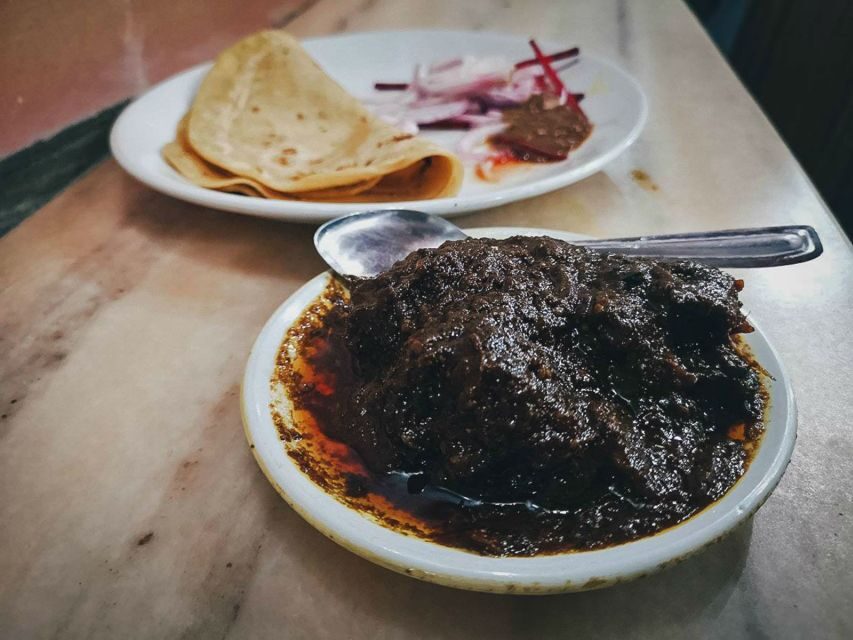
After the seafood, you jump onto one of the old-style rickshaws, including a brief ride through the area where these wooden carts still exist. This part isn’t filler. It’s a break from walking that also resets your brain. You’ll get a moving view of street life, and it reinforces the tour’s bigger theme: food is local culture, not just items on a menu.
If you’re used to sightseeing by car, this will feel slower and more human. You’ll notice temples, everyday rhythms, and the small signs of community that you can miss when you speed past.
Pro tip: keep your camera ready for street details, not big monuments. The best photo moments here are the small ones—doorways, storefront signs, and how people move through the neighborhood while you’re heading to the next stop.
The Mutton and Prawn Power Combo: Prawn Kabiraji from a 19th-Century Kitchen
Next, you go for prawn kabiraji at a legendary kitchen that traces back to a Scot who started it in the 19th century. This is exactly the kind of Kolkata odd-but-perfect story that makes the food feel like history you can taste.
Kabiraji usually means a crisp, richly flavored prawn preparation. On this tour, it lands after all the curries and seafood flavors, so you’re tasting contrast: creamy coconut sauces, aromatic steaming, then a more fried, crunchy texture. That change in texture keeps your mouth engaged and makes the tastings feel varied rather than repetitive.
You’ll likely leave this portion feeling that Kolkata isn’t only about spicy heat. It’s about technique—how the city uses frying, steaming, coconut, and spice blending to create distinct moods.
A few more Kolkata tours and experiences worth a look

Walking Through Calm Districts: Temples, Local Life, and Bhajis
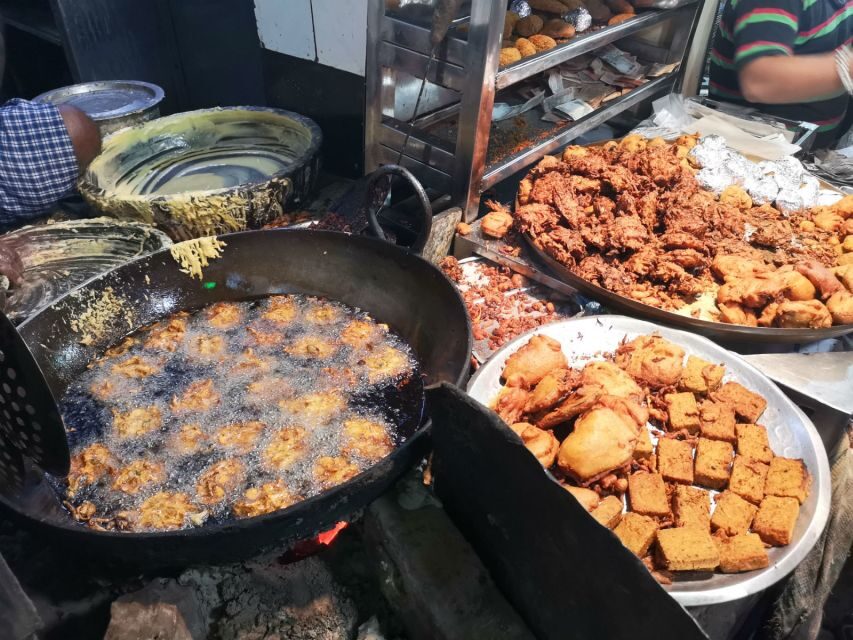
Kolkata can look intense from a distance, but your guide takes you down through a peaceful district. Along the way, you’ll spot temples and get a sense of how locals live around the food scene, not just inside it.
Then you move through backstreets where you’ll pick up onion bhajis and gram salads made with herbs and pulses. This is the kind of stop mix that makes the tour feel balanced:
- bhaji gives you fried crunch and spice comfort
- salad gives you something lighter and fresher
That balance matters because after enough savory food, you need palate cleaning. A good tour sequence gives you that without killing your appetite for the sweets and café finish later.
College Street and Sweet Shops: Coconut Sherbet and Bengali Candy Culture
A key moment comes when you head to College Street, famous for school book sellers and the student flow that passes those stacks on their way to and from lectures. It’s a different vibe than the earlier neighborhoods—more academic, more daytime energy even if you’re there at night.
Then you stop for a coconut sherbet in a local café. Sherbet can feel like a dessert, but here it works like a reset. Coconut adds smooth, cooling flavor that also pairs well with the next wave of sweets.
After that, you head to a sweet shop for Bengali treats. This is where you see how Bengali sweets aren’t just sugary. They’re about texture and dairy-based richness, plus the way spices and ingredients are treated. You’ll likely end the savory-heavy portions grateful for something slow and sweet to round things out.
The Colonial Coffee Shop Finale: Students, Ceiling Fans, and Traditional Service
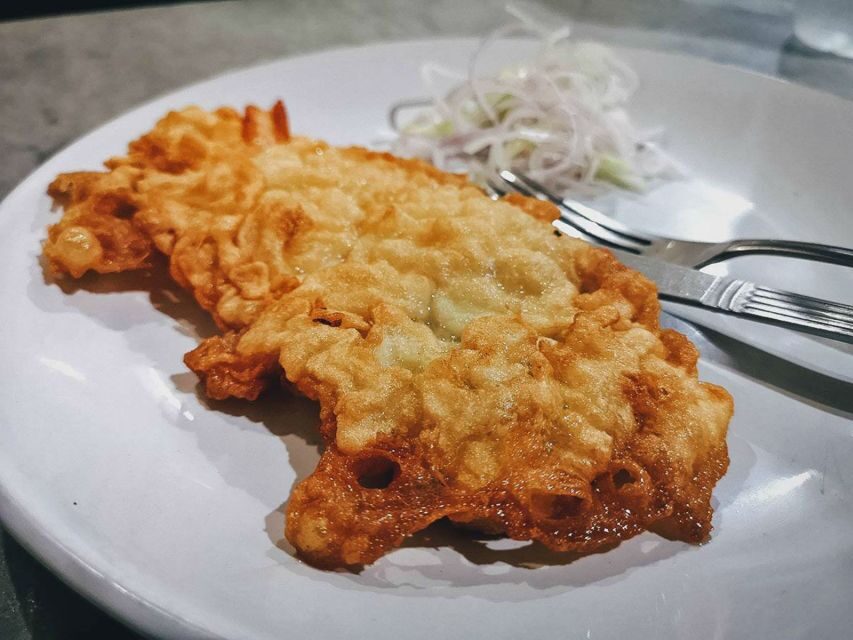
The last stop is the kind of Kolkata scene you’ll think about later: the tour ends in an old colonial coffee shop with students debating, ceiling fans turning, and waiters in traditional garb serving coffees.
This is a strong ending for two reasons. First, it slows the night down at the moment you’re most likely to feel stuffed. Second, it gives you a social snapshot—how people spend time in the city when they’re not chasing tourist sights.
You’re not just leaving with a food checklist. You’re leaving with a sensory memory of Kolkata as a lived-in place.
Value in Plain Terms: Why This $40-Hour Meal Plan Feels Fair
At about $40 per person for roughly 4 hours, the value depends on two things: tastings and logistics.
You get 13+ different Bengali dishes and drinks, and those tastings happen across multiple locations, not one long buffet lineup. You also get guidance through the city in a way that would be hard to replicate on your own without local connections—especially because several stops are about timing, routing, and finding the right tiny places.
Then there’s transport. This isn’t a car-tour where the guide points at buildings. You use local transport, including metro, rickshaw, and the old tram feel. That saves you time and makes the night feel like you’re moving with the city, not above it.
If you like street food and you want context, this is a good use of time. If you’re only after a quick snack, you might find it too structured.
Who This Tour Is Best For (and Who Should Skip It)
You’ll love this tour if:
- you want street food plus neighborhood walking
- you enjoy learning how dishes connect to local life
- you like trying different textures: curry, fried bites, steamed seafood, then sweets
- you’re comfortable with a small group and a guided pace
You might want to skip it if:
- you’re vegetarian (no alternatives; expect fewer tastings)
- you’re lactose intolerant (also reduced options)
- you have food allergies (not suitable)
Also, if you’re the type who gets overwhelmed by crowds, don’t worry—this tour specifically works on alleyways and calmer districts, and group size stays low.
Quick Tips Before You Go
- Wear comfortable shoes. The walking is real.
- Bring an umbrella if the forecast looks rainy; the tour operates come rain or shine.
- Go hungry but pace yourself. You’ll be stuffed by the end.
- If you’re lactose intolerant, be realistic: some dishes are not replaceable.
Should You Book Bengali Nights Kolkata Food Tour?
If you have one evening for food and you want more than just eating, I think you should book it. The big win is the pairing: tastings plus place-based storytelling from Avik, along with local transport that helps you see actual Kolkata rhythms. It’s also strong value for what you get in a 4-hour window.
Skip it only if your diet restrictions are strict (vegetarian or lactose intolerance) or if you have allergies. For everyone else with an adventurous palate, this is one of the best ways to understand Bengali food as a living city habit rather than a list of dishes.
FAQ
Where do I meet the guide for the tour?
You meet your guide at Esplanade Metro Station, Exit Gate 4 on S.N. Banerjee Road. It’s on the street level and is easy to reach from many hotels in Kolkata.
How long is the Bengali Nights Kolkata Food Tour?
The tour lasts about 4 hours.
How many tastings are included?
The menu is designed as a 15-tasting experience across multiple locations, with the tour described as 13+ dishes and drinks overall.
Is the tour suitable for vegetarians or lactose intolerance?
It’s not suitable for vegetarians or lactose intolerance. If you’re lactose intolerant, you may miss 2–3 tastings out of the total, because not every stop offers alternatives.
Are alcoholic drinks included?
No. Alcoholic drinks are not included.
What transport will we use during the tour?
You’ll use local transport, including the metro and a segment using an old-style tram feel, plus a short rickshaw ride as part of the route.
What should I bring with me?
Bring comfortable shoes and clothing suited to the weather. If rain looks likely, bring an umbrella.
Can I cancel or pay later?
Yes. It offers free cancellation up to 24 hours in advance for a full refund, and you can often reserve now and pay later to keep plans flexible.