REVIEW · KOLKATA
Kolkata: A Sea of Faces and A Thousand Places
Book on GetYourGuide →Operated by Get Local · Bookable on GetYourGuide
One day, and Kolkata tells its story. This tour works like a moving film—a local guide’s narration plus bus, ferry, and taxi rides that help you feel the city, not just photograph it. I especially love the way the route gives you quick orientation around major areas, then shifts into quieter corners like Hatkhola and Kumortuli. One heads-up: you’ll be on your feet for long stretches, and traffic can affect timing.
You start at Esplanade with your guide outside Smaranika Tram Museum, then move through layers of Kolkata—Victorian-era vibes, colonial-era architecture, street food energy, and the river-side edge of the city. Along the way you’ll cross the iconic Howrah Bridge for photos, then take a ferry on the Ganga/Hooghly for a special view of the bridge. The day ends on College Street at Indian Coffee House, where the conversation is as much part of the experience as the buildings.
In This Review
- Key highlights worth building your day around
- Starting at Esplanade: Getting oriented before Kolkata overwhelms you
- Practical note
- B.B.D. Bagh to Howrah Bridge: Colonial lines, photo stops, and the river reveal
- The ferry ride on the Ganga: Why this view sticks in your mind
- Hatkhola and Kumortuli: Old North Kolkata with real working history
- How to get the most out of Kumortuli
- Lunch-without-lunch: Tea break at a street food alley
- College Street by yellow taxi: Revolution-era energy on the move
- Indian Coffee House finale: The best way to end a thinking tour
- Price and timing: Is $32 worth it for a 6-hour Kolkata day?
- Who this tour fits best (and who should skip it)
- Should you book this Kolkata story tour?
- FAQ
- Where do I meet the guide?
- How long is the tour?
- How big is the group?
- What languages are the guides available in?
- What is included in the price?
- Is pickup available?
- What should I bring?
- Is it suitable for wheelchair users or seniors?
Key highlights worth building your day around
- A story-led orientation that makes Kolkata’s geography feel clear fast, not confusing
- Howrah Bridge from the water on a ferry ride that changes the whole perspective
- Kumortuli’s potter quarter plus hidden historical layers in Old North Kolkata
- Local transport, not just a walking loop: bus, ferry, and a classic yellow taxi
- End-of-tour pause at Indian Coffee House, ideal for a slow sit-down and people-watching
Starting at Esplanade: Getting oriented before Kolkata overwhelms you
Kolkata can hit you all at once—noise, crowds, traffic, and that mix of old and new that doesn’t always show up in guidebook photos. What I like about this tour is how it starts by putting you in the right frame of mind early.
You meet your guide, typically Shrijit, at the entrance of Smaranika Tram Museum on Esplanade (it’s easy to find on the map). From there you walk around Esplanade for about half an hour, but the goal isn’t just sightseeing. Your guide sets the scene like a narrator: who lives around here, why the city grew the way it did, and how the modern skyline and the older architecture fit together in the same streets.
If you want one reliable tactic for your first day in Kolkata, it’s this: get the layout and the “why” before you try to do everything alone. This tour is built for that.
You can also read our reviews of more tours and experiences in Kolkata.


Practical note
Because you’re starting with a walk and then switching to multiple modes of transport, it helps to wear breathable shoes and keep your water handy right from the beginning (bottled water is included, but you still want your own supply).
B.B.D. Bagh to Howrah Bridge: Colonial lines, photo stops, and the river reveal

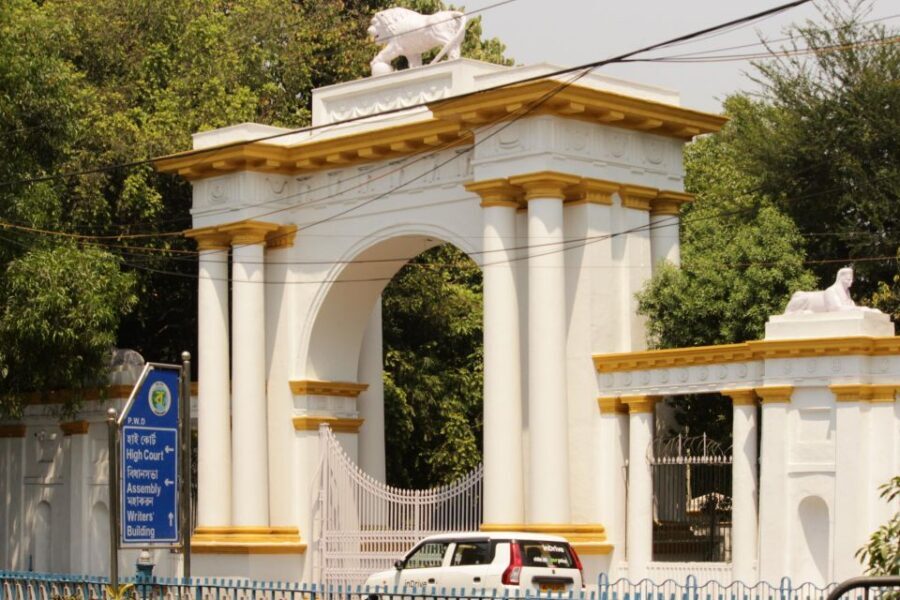
After the Esplanade walk, the tour moves into B.B.D. Bagh for about an hour of guided exploring. This part matters because it’s where Kolkata shows off its official face—imperial neo-classical architecture, broad civic space, and the grid-like feel of streets nearby.
The guide storytelling does something useful here: it connects buildings to the city’s changing identity, so you’re not just looking at facades. You’re learning how the metropolis formed and what those spaces were built to represent.
Then comes the practical fun part: a short bus/coach hop (about 10 minutes), followed by a photo stop at Howrah Bridge. The stop is brief—around 10 minutes—so you’ll want to be ready with your camera and decide what you want most: the full bridge line, or the context of the river and surrounding streets.
The ferry ride on the Ganga: Why this view sticks in your mind

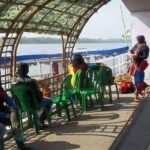
This is the moment many people remember. You head to a ferry point and board for a roughly 20-minute ride along the sacred Ganga/Hooghly. The bridge becomes a moving backdrop—framed by water and distance instead of traffic-side angles.
A ferry ride does two things for your understanding of Kolkata. First, it reduces the mental load of land traffic; you’re physically gliding while the city shifts around you. Second, it shows you how central the river is to daily life and city shape. Even if you only spend a short time on the water, the perspective is different enough that it stops feeling like a photo tour.
Timing can vary. If you arrive with patience, you’ll enjoy it more. Some days you might spend longer waiting around for the ferry connection, and that can stretch the day.
Hatkhola and Kumortuli: Old North Kolkata with real working history
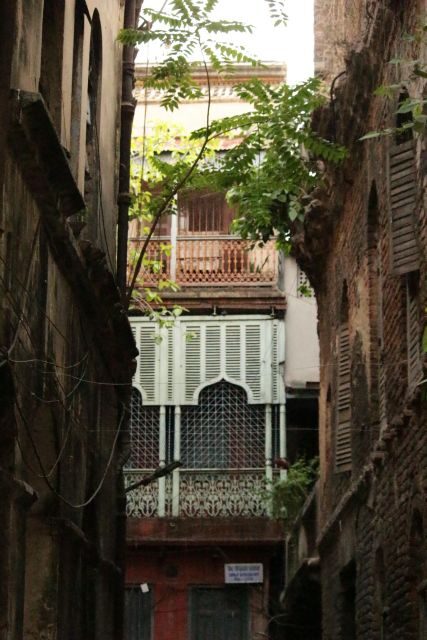
Once you land on the oldest-feeling part of the route (the tour heads into Old North Kolkata), the experience becomes more local and layered.
You’ll have a guided stop in Hatkhola (around 20 minutes). This is where the tour leans into pre-megapolis Kolkata character—old occupations, older lifestyle rhythms, and the spiritual threads that show up in day-to-day life.
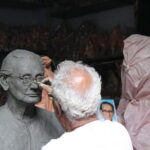
Then comes Kumortuli, a potter’s colony. You’ll spend about 30 minutes here with guided time and a walk. This stop is praised for a reason: you’re not only hearing history, you’re seeing craft traditions tied to the river and the city’s creative cycle.
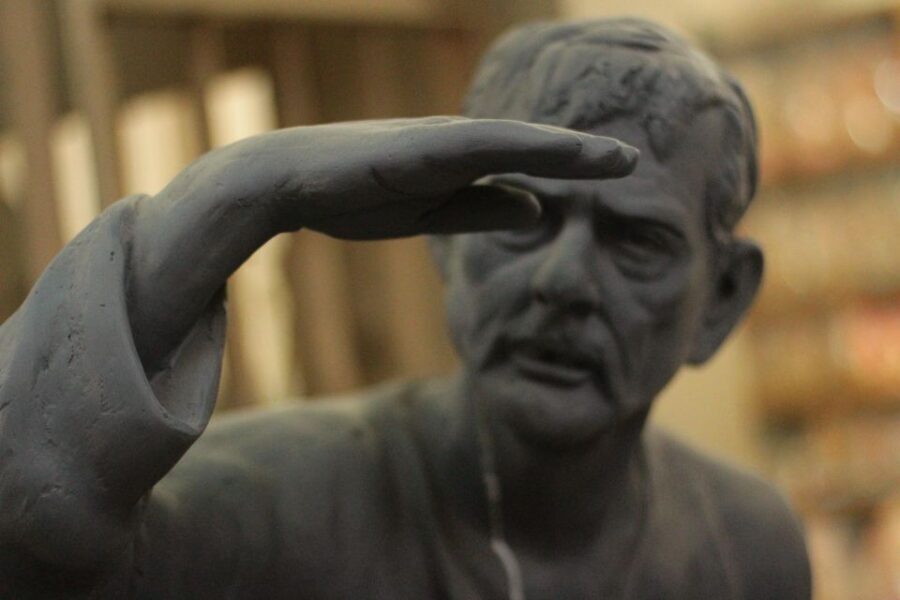
The tour also includes small but intriguing historical notes. The script highlights a potters’ quarter and references a secret gym built for revolutionary fighters, plus an old aristocratic mansion nearby. Even when you’re just looking at streets and workshops, those details make the neighborhood feel like a living archive.


How to get the most out of Kumortuli
Ask your guide what you’re looking at before you start snapping photos. Clay work and festival craft can look similar from a distance, but the details usually matter—and your guide can point them out.
Lunch-without-lunch: Tea break at a street food alley
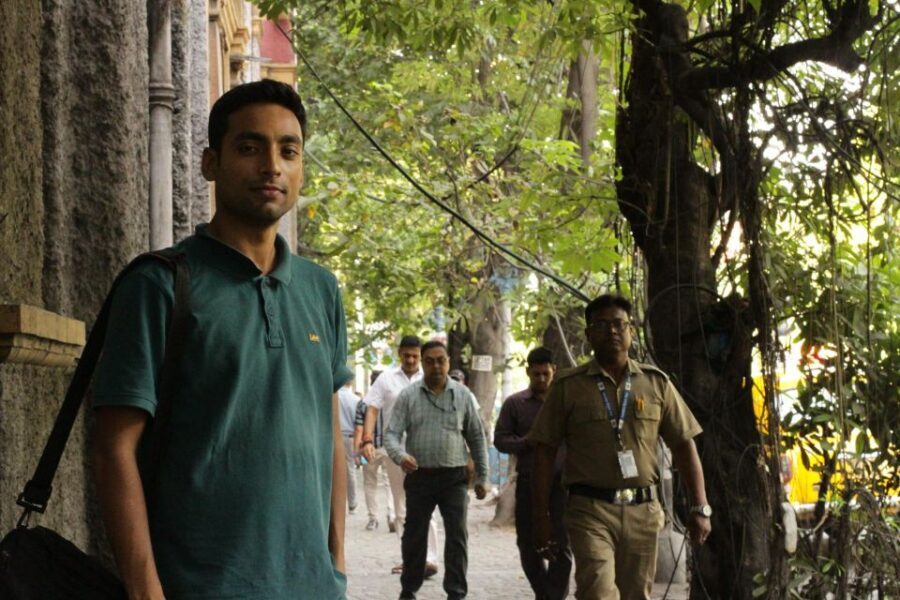
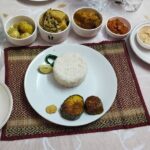
Food here isn’t treated as a separate event, which is part of the value. You’ll stop at an energetic street food alley and have a tea break with stalls serving local fare. Tea or coffee is included, and the tour emphasizes hygienic local options.
Important: food itself isn’t included in the price, so this is more about tasting and choosing than expecting a full meal. Still, this is a great moment to try a couple of small items rather than hunting for a sit-down lunch later.
If you’re someone who gets overwhelmed by street menus, don’t worry. With a guide steering you, you can focus on trying one or two things and learn what each item represents.
College Street by yellow taxi: Revolution-era energy on the move
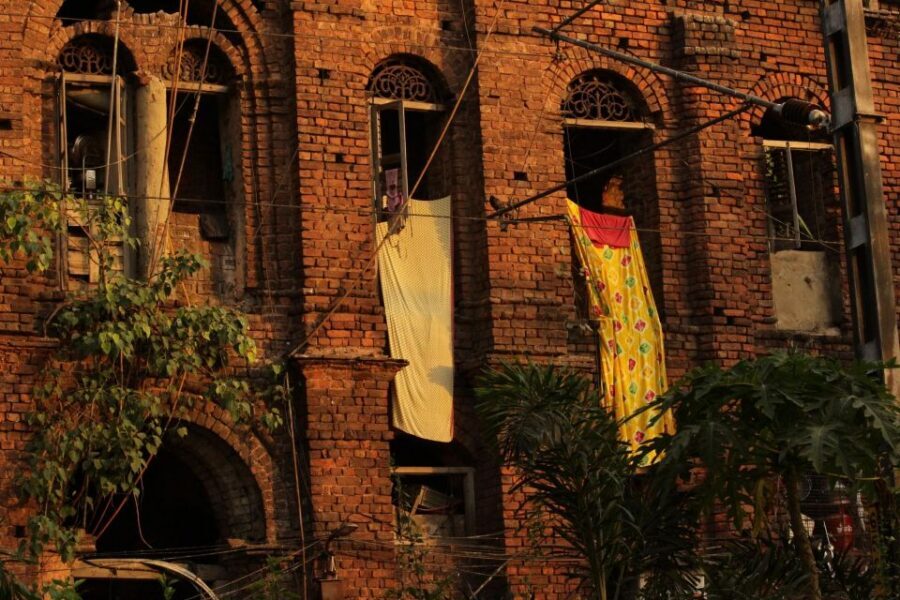
The tour uses a classic yellow taxi to connect the river-side parts of Kolkata to the intellectual and revolutionary heart of the city. The cab ride is short (about 15 minutes), but it’s included for a reason: it turns the city’s history into a moving experience.
As you move toward College Street, you’ll feel the change in tempo. The guide frames College Street as a hub where students and thinkers bring a particular kind of energy—freedom talk, debate, and the Bengal Renaissance’s influence, along with the legacy of independence fighters who shaped the city’s story.
This is where the tour becomes less about landmarks and more about ideas. College Street isn’t just a place you pass through. It’s presented as a channel—where movements and minds passed information, argued, and built momentum.
Indian Coffee House finale: The best way to end a thinking tour
The day culminates at Indian Coffee House, described in the tour narrative as the oldest cafe in India. You’ll spend time in that atmosphere at the end of the tour, and because tea or coffee is already included, you can keep your spending down.
The best part isn’t just the drink. It’s the mix of people and conversations around you. By this point, you’ve walked, ridden, and watched the city change its mood in layers. Sitting for a moment helps everything click.
If you want a small food add-on here, one common recommendation is to try items like vegetable pakoda and buttered toast—though you’ll pay for any snacks separately since food isn’t included in the base price.
Price and timing: Is $32 worth it for a 6-hour Kolkata day?
At $32 per person for a 6-hour guided experience, this tour competes well with more expensive landmark-only options—mainly because you’re paying for three things most tours skip:
1) A guide who gives you orientation, so you know where you are and what you’re seeing.
2) Multiple transport modes (bus, ferry, taxi), which costs time and effort, and also gives you a fuller sense of the city’s shape.
3) A story structure, so the day doesn’t feel like a random checklist.
That said, manage expectations around duration. While the tour is listed as 6 hours, local traffic and ferry logistics can make the day shorter or longer. Pack flexibility into your schedule if you have a tight next commitment.
Also plan on extra spending: transportation costs and food are not included. The tour asks you to bring cash, so you’ll be ready when you’re asked to cover those items during the day.
Who this tour fits best (and who should skip it)
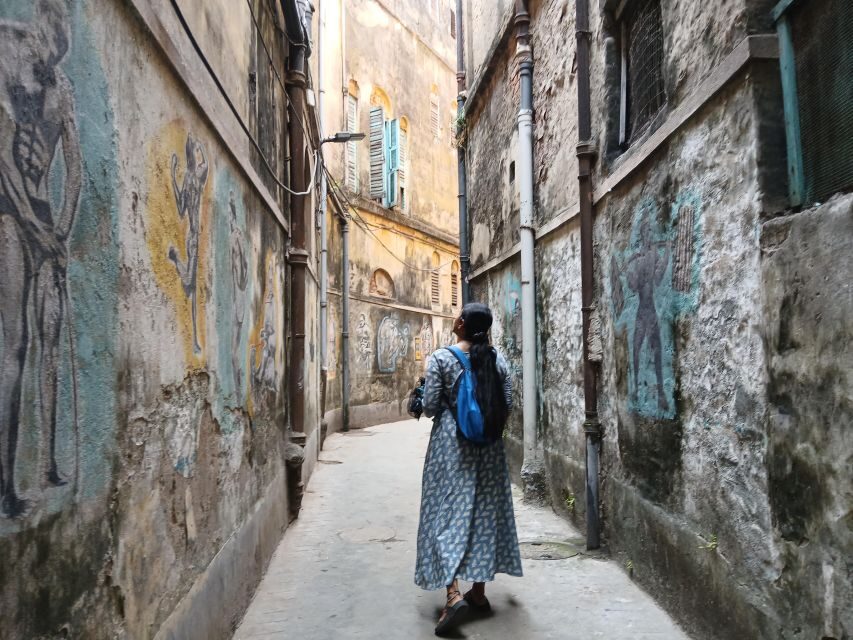
This tour is a strong fit if you want a first-time Kolkata orientation plus a look at working neighborhoods like Kumortuli, not just major monuments. It’s also a good choice if you like city stories told through real streets and everyday movement—bus rides that feel like part of life, ferry time that changes your view, and a calm finale at Indian Coffee House.
It’s likely not your best option if:
- you need wheelchair access (it’s not suitable for wheelchair users)
- you’re over 70 years old (not suitable for people over 70 years)
- you dislike heat or don’t want to walk during the day (the day includes guided walking segments)
Should you book this Kolkata story tour?
If you want the city to make sense quickly, I’d book it. This is one of those days where you leave with a map in your head, not just photos on your phone. The ferry ride on the Hooghly with the Howrah Bridge view is the kind of memory that keeps paying off on later visits.
I’d especially recommend it if you:
- are only in Kolkata for a short time
- want the “how do locals live here” angle, not only top attractions
- enjoy guides who explain the city through connections—architecture, craft, streets, and the ideas tied to College Street
Just go in prepared for a real day out: walking, local commutes, and extra cash for transport/food. If that matches your style, this tour does its job very well.
FAQ
Where do I meet the guide?
You meet your guide Shrijit at the entrance of Smaranika Tram Museum on Esplanade. It’s available on G Maps.
How long is the tour?
The tour lasts 6 hours.
How big is the group?
The group is small, limited to 6 participants.
What languages are the guides available in?
The live guide can speak Bengali, English, and Hindi.
What is included in the price?
The tour includes a local guide, bottled water, and tea or coffee.
Is pickup available?
Pickup is optional. You need to mention your hotel, and the guide will contact you for pickup.
What should I bring?
Bring water and cash.
Is it suitable for wheelchair users or seniors?
It is not suitable for wheelchair users, and it’s also not suitable for people over 70 years.