REVIEW · MUMBAI
Private Mumbai Sightseeing Tour Including Dharavi Slum
Book on Viator →Operated by Mystical Mumbai · Bookable on Viator
Dharavi and colonial Mumbai in one day. This private tour gives you Dharavi Slum walk plus Mumbai’s signature sights like the Gateway of India and Rajabai Clock Tower, with an English-speaking guide in a private air-conditioned car. I like the way the day moves from small-scale work—bakeries, pottery, soap, and recycling—into classic landmarks you can actually orient yourself around fast.
My second favorite thing is the guide attention. The tour is priced per vehicle (up to five people), so you get real back-and-forth as you pass from UNESCO heritage at Chhatrapati Shivaji Terminus to waterfront views on Marine Drive. One thing to consider: Dharavi is a real neighborhood, and a minority of visitors have reported feeling singled out or addressed during the walk—so if you prefer a very controlled experience, keep that in mind.
In This Review
- Key things to know before you go
- Why this Mumbai combo tour works (and for whom)
- The Dharavi Slum walk: recycling yard, pottery lanes, and daily life
- What you should watch for during Dharavi
- Chhatrapati Shivaji Terminus: UNESCO station energy without the stress
- Rajabai Clock Tower and the Mumbai University vibe
- Gateway of India and the Taj Mahal Palace area: monuments you can feel
- If you care about waterfront views
- Dhobi Ghat: Asia’s open-air laundry and a look at work under the sky
- Mani Bhavan Gandhi Museum: where the story gets political
- Jain Temple stop: architecture details and quiet pauses
- Kamala Nehru Park and Hanging Gardens: skyline and engineered views
- Marine Drive, Flora Fountain, Kala Ghoda, and David Sassoon Library: the culture corridor
- Timing, transport, and the 5-person private setup
- Price and value: $184.62 per vehicle (up to 5)
- What the best guides seem to do well (from praised examples)
- Should you book this Dharavi-and-colonial Mumbai private tour?
- FAQ
- How long is the Mumbai private sightseeing tour?
- Is pickup included, and where does it pick you up?
- How many people are in a group?
- What’s included in the price?
- Is food or drinks included?
- Do I get a ticket on my phone?
- Can I cancel for a full refund?
Key things to know before you go
- Private vehicle, max 5 people: You get a tighter, calmer day than big-group sightseeing.
- Dharavi Slum walk is not just photos: You’ll see a plastic and metal recycling yard and the Kumbharwada pottery area.
- Most sites are quick stops: Plan on a lot of seeing, with the longest block dedicated to Dharavi.
- Plan around Mumbai traffic: It can affect timing, and the day is designed to work despite it.
- English-speaking guide with strong Dharavi context: Guides like Aarti and Mukesh have been praised for clear explanations.
- Food isn’t included: You’ll likely want a plan for a snack or meal on your own.
Why this Mumbai combo tour works (and for whom)
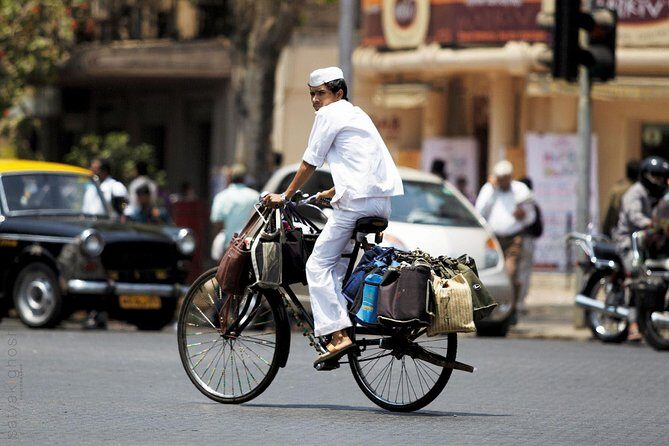
Mumbai can feel like a blur: one street is old-world architecture, the next is intense street life, and the neighborhoods all have their own rhythm. This tour tries to solve that problem by giving you both “faces” of the city in one organized loop—so you finish the day with a mental map, not just a camera roll.
You’ll get a guided tour of Dharavi focused on how people live and work, followed by major landmarks tied to British-era Mumbai. That split matters. It’s the difference between treating Dharavi like a detour and understanding it as part of the city’s real economy and community structure.
This tour is a strong fit if you:
- Have limited time and want the big sights plus Dharavi in one go
- Prefer a private guide over self-guided wandering
- Want context for what you’re seeing, not just a checklist
- Are comfortable walking through a neighborhood with active daily life
It may be a weaker fit if you:
- Want long, slow museum time (this is more “high-impact sightseeing”)
- Expect Dharavi to be tidy or staged
- Dislike the possibility of being talked to or noticed in a residential area
You can also read our reviews of more private tours in Mumbai



The Dharavi Slum walk: recycling yard, pottery lanes, and daily life
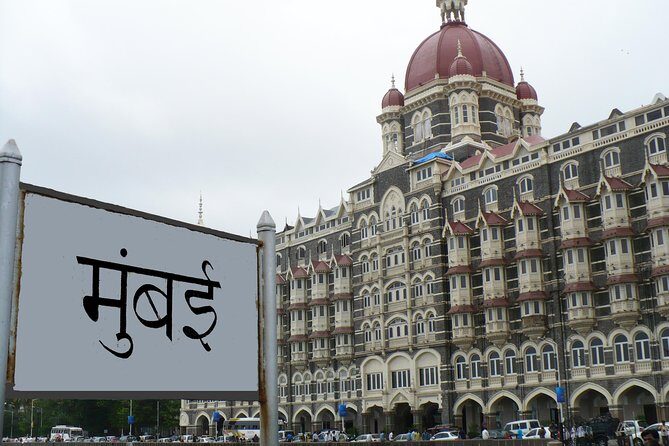
Dharavi is often described in dramatic terms. The more useful way to approach it is as a working community—where manufacturing, trade, and reuse are woven into everyday routines.
Your visit starts with a walk through the narrow lanes and by-lanes. You’ll get close to what’s actually happening on the ground: small sweet and bread shops, then dimmer manufacturing units where goods are made at small scale. The tour is set up to help you connect those spaces to daily life, not just to look around.
One of the most praised parts of the day is the explanation quality on Dharavi. Guides such as Manoj and Anthony have been singled out for being friendly, knowledgeable, and good at leaving questions answered. If you want this portion to feel human and understandable, pay attention to how your guide frames it—this tour is designed to do that.
Then comes a key shift: from lanes to work yards. You’ll visit the plastic and metal recycling yard, where workers sort materials for reuse. This isn’t a “watch from a distance” stop. It’s about seeing the mechanics of how waste becomes input again, and how a local ecosystem of labor supports the area.
After that, the route moves to Kumbharwada, known for pottery. You’ll hear the nickname city of lamps connected to handmade, kiln-fired pots used for festivals. This is the moment where the tour stops being only about hardship narratives and becomes about craft, production, and pride in making.
What you should watch for during Dharavi
- Respectful curiosity: Ask questions when your guide encourages it, and keep photos thoughtful.
- Comfort and pacing: It’s walking in close quarters, so wear shoes you can handle.
- Expect emotions: A few visitors described a flood of mixed feelings after the two-hour walk. That’s normal. Let the guide’s context guide you.
Chhatrapati Shivaji Terminus: UNESCO station energy without the stress
After Dharavi, the tour switches gears to a landmark you can anchor your understanding of the city around. You’ll stop at Chhatrapati Shivaji Terminus, a UNESCO-listed railway station.
It’s one of those places where “architecture and daily life” overlap. The station is busy, and it shows up in films—so even if you’ve seen it before in pictures, your brain still has to adjust to the scale and movement of people.
This stop is short—about 25 minutes—which is smart. You get the impact without wasting the day trying to do everything at once. Since the rest of the tour includes multiple quick landmark stops, a longer station visit would slow the overall plan too much.
Rajabai Clock Tower and the Mumbai University vibe
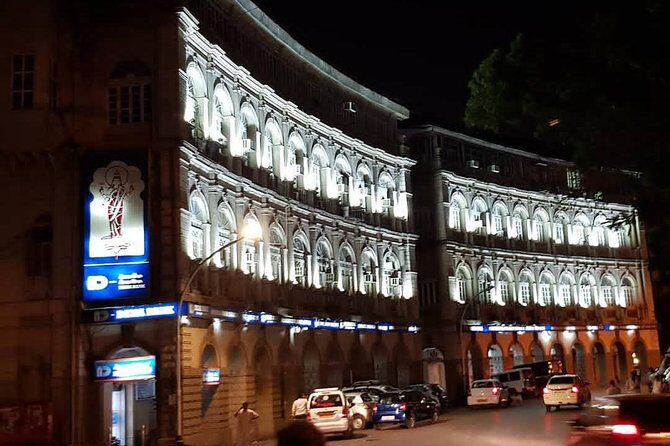
Next up is Rajabai Clock Tower, part of the University of Mumbai area. The clock tower is a classic piece of gothic-style architecture, and it’s an easy win if you enjoy seeing how British-era design shaped the city.
This stop lasts about 20 minutes. You’ll likely get a few photo angles and enough time to absorb the building style without turning it into a lecture marathon. It’s the kind of stop that helps you “read” Mumbai as a city of layers: education institutions, colonial design language, and modern street energy working side by side.




Gateway of India and the Taj Mahal Palace area: monuments you can feel
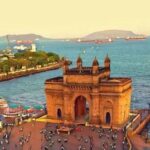
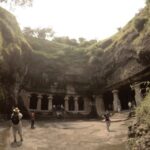
Then the tour lands at the Gateway of India, Mumbai’s best-known monument. It was built to welcome King George V and Queen Mary in 1911, and the location makes it a natural meeting point between land and sea.
Your time here is about 15 minutes, so again, it’s designed for impact in limited time. The goal is to see the monument, understand its meaning, and move on without dragging the day.
From there you’ll also see The Taj Mahal Palace. The landmark has a story tied to Jamshedji Tata and opened in 1903. Even with only a short stop, this is one of those places that visually explains why colonial grandeur in Mumbai is not just theory.
If you care about waterfront views
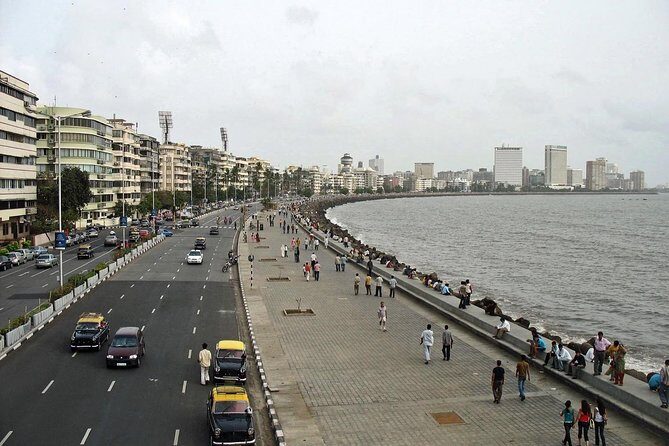
This whole stretch sets you up to understand Marine Drive, too. Even if you don’t stop at every single point on the boulevard, you’ll get the idea: long views, iconic buildings, and a sense of Mumbai moving along the coast.
Dhobi Ghat: Asia’s open-air laundry and a look at work under the sky
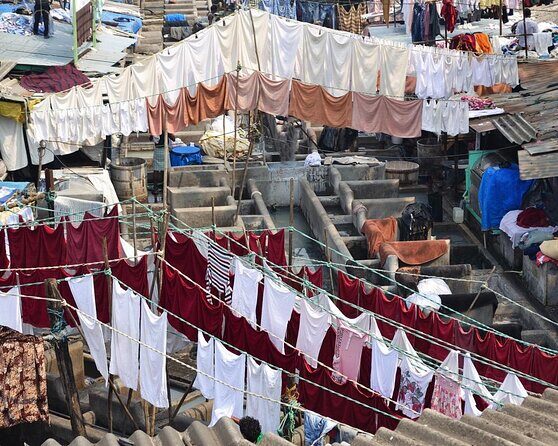
One of the more memorable cultural stops is Dhobi Ghat, described as Asia’s biggest open-air laundry. Here, dhobis work outdoors every day to clean linens from hotels and hospitals.
The stop is about 20 minutes, which is just enough time to understand what you’re seeing: people working in a public space with routines that are plainly visible. This is a great contrast to the Dharavi stops. Both places are about labor and organization, just in very different physical forms.
If you’re the type who likes to watch how cities function, this is often a highlight. It also helps your day feel less like “statues and sightseeing” and more like “Mumbai as a living place.”
Mani Bhavan Gandhi Museum: where the story gets political
After the waterfront and laundry stops, the tour moves into a more reflective mode with Mani Bhavan Gandhi Museum. This place served as a focal point of Gandhi’s political activities in Mumbai between 1917 and 1934.
You get about 20 minutes here, and it’s one of the stops where the guide’s voice matters most. Short museum time can still work well if your guide points out the key context and helps you understand why the location mattered.
This stop is also marked as admission included in the tour details, so it’s one less thing to worry about during the day.
Jain Temple stop: architecture details and quiet pauses

The itinerary includes a stop at a Jain Temple in Mumbai, known for intricate stone carvings and a dome painted with the zodiac.
Time is short—about 10 minutes—so think of it as a respectful architectural glance. A short stop can still be valuable if you’re paying attention to the craftsmanship your guide points out. It also provides a break from street-level hustle.
Kamala Nehru Park and Hanging Gardens: skyline and engineered views
To end with a view-forward finish, you’ll visit Kamala Nehru Park (about 15 minutes). The stop is tied to skyline views and a feature commonly associated with the park: the old woman’s shoe.
Then comes Hanging Gardens, built on top of water tanks near the Tower of Silence (a Parsi burial place). Time is around 10 minutes, and the point is less about a long sit-down and more about getting the perspective.
These parks and gardens help you close the day with a mental reset. You’ve spent hours seeing dense neighborhood life and major monuments; a viewpoint brings it all back into one coherent picture.
Marine Drive, Flora Fountain, Kala Ghoda, and David Sassoon Library: the culture corridor
Between the headline monuments, your route also includes the classic Marine Drive corridor and nearby heritage and creative areas. The tour is set to pass or stop around:
- Marine Drive, also called the Queens Necklace
- Flora Fountain at Hutatma Chowk
- Kala Ghoda, described as an area with designer cafes, indie galleries, and art stalls
- The David Sassoon Library, a heritage structure
You may not have long timed stops at every single one of these, but the value is that the day doesn’t feel like a straight line of landmarks. It includes the city’s “in-between” zones—where you can spot a different Mumbai mood.
If you want to buy a small snack later or hunt for a nearby coffee after the tour, Kala Ghoda is often the kind of area that makes that easy.
Timing, transport, and the 5-person private setup
The tour runs about 6 hours and uses a private air-conditioned car with hotel, cruise port, or train station pickup and drop-off.
That matters for two reasons:
- Dharavi + colonial landmarks need time between stops. Private transport reduces the “wasted commute” problem.
- You avoid being stuck waiting for others. A max group of five keeps things flexible.
Traffic is a real part of Mumbai days. Some guides have had to handle busy roads caused by events like nearby fire engines, and rainy conditions have also forced guide and logistics changes. The good news: the tour structure is built to adapt and still hit the highlights.
Price and value: $184.62 per vehicle (up to 5)
At $184.62 per group up to five, you’re not paying per person like many city tours. For planning, that’s roughly $37 per person if you fill the vehicle, with the cost spreading out as your party size grows.
So the value isn’t just the landmarks. It’s the private guide time, the air-conditioned car, and the fact that your day includes both Dharavi and the city center’s top colonial-era icons. That combination is what you’d otherwise have to piece together yourself with separate transport and separate guides.
Where the price makes extra sense:
- You’re traveling with family or friends (so you can use the full vehicle capacity)
- You want an English-speaking guide who can explain what you’re seeing in Dharavi
- You’d rather spend money on context than on rushing and guessing
What the best guides seem to do well (from praised examples)
The quality of the day often comes down to the person holding the thread. In the feedback, several guides were mentioned by name—Mukesh, Aarti, Jaya, Manoj, and Raj—and they’re praised for being informative about Dharavi and for handling real-world conditions with patience.
A couple of recurring themes that you should aim to feel during your day:
- Explanations that connect places to daily life, especially in Dharavi
- Confidence in moving through traffic safely
- Willingness to adjust when the route gets disrupted
That’s the difference between a tour that’s just “driving and stopping” and one that gives you understanding you can carry into the rest of your Mumbai time.
Should you book this Dharavi-and-colonial Mumbai private tour?
Yes, if you want a structured day that covers both Dharavi and Mumbai’s most recognizable colonial and modern landmarks, without losing time figuring things out.
Book it if:
- You have only about half a day and want the major sights
- You care about understanding how different parts of Mumbai function
- You prefer private pacing and a guide who can answer questions
- Your group can fill up to five people to make the per-person cost work well
Be cautious if:
- You’re uneasy about visiting a living neighborhood
- You want long stops, not quick landmark hits
- You dislike the possibility of feeling noticed or spoken to in residential areas
FAQ
How long is the Mumbai private sightseeing tour?
It runs for about 6 hours.
Is pickup included, and where does it pick you up?
Yes. Pickup and drop-off are included from your Mumbai hotel, the cruise port, or the railway station.
How many people are in a group?
It’s priced per vehicle, with a maximum of 5 passengers per booking. Only your group participates.
What’s included in the price?
Included are hotel pickup and drop-off, an English-speaking guide, transported by a private air-conditioned car, and admission fees (with Mani Bhavan Gandhi Museum listed as admission included).
Is food or drinks included?
No. Food or drinks are not included.
Do I get a ticket on my phone?
Yes. The tour includes a mobile ticket.
Can I cancel for a full refund?
Yes. You can cancel up to 24 hours in advance for a full refund.