REVIEW · MUMBAI
Mumbai: Slum Tour Dharavi Small Group with a Local Guide
Book on GetYourGuide →Operated by Inside Mumbai Tours · Bookable on GetYourGuide
Dharavi looks different with the right guide. This small-group Dharavi tour uses a resident perspective to show how people live, work, and raise families in one of Mumbai’s most famous neighborhoods. I especially like the way the guide connects everyday routines to local industries, and how the walk includes the Slumdog Millionaire filming place without turning it into a spectacle. One thing to consider: this is a real working area, so expect close, lived-in spaces and a serious tone about how life actually works.
Meeting up is straightforward at Third Wave Coffee in Mahim, and you’ll quickly settle into the route once your guide spots you and matches names to faces. Guides here use excellent English and humor to keep the experience clear and humane, not intimidating. A possible drawback for some people: you’ll hear about tough realities alongside hope, so if you’re only after entertainment, this may feel heavier than you expect.
In This Review
- 5 Key Things I’d Plan Around in This Dharavi Tour
- A Dharavi Walk That Works as Education, Not Shock Tourism
- Third Wave Coffee in Mahim: The Start Point That Keeps It Easy
- Your First Real Lesson: Homes, Families, and Everyday Spaces
- Following the Work: Plastic Recycling, Leather, Garments, and Metal
- The Slumdog Millionaire Filming Spot in Context
- The Guide Makes or Breaks It: English, Humor, and a Reassuring Tone
- Small Group Size: Better Questions, Better Flow
- Price and Value: About $4.85 for a Local Education Walk
- Who This Tour Suits Best (And Who Might Reconsider)
- What to Bring for Comfort and Respect
- Should You Book This Dharavi Small-Group Tour?
- FAQ
- Where is the meeting point for the Dharavi small-group tour?
- What does the tour cost?
- What is included in the tour?
- What language is the tour guide?
- Is this tour scary or unsafe?
- Does the tour visit the Slumdog Millionaire filming location?
5 Key Things I’d Plan Around in This Dharavi Tour
- A resident guide who can explain what you’re seeing in plain language
- Workshops in action: plastic recycling, leather work, garment/textile production, and more
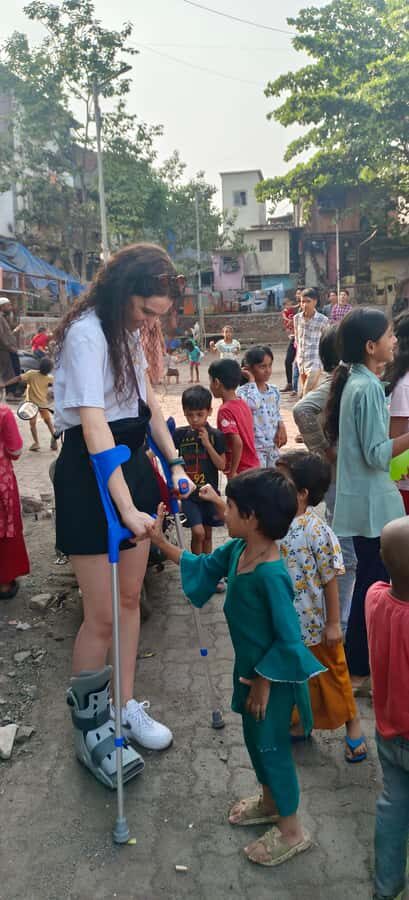
- Where families live and children play, so you understand the neighborhood as a community, not a photo spot
- The Slumdog Millionaire filming location inside Dharavi, framed as part of local life
- A stereotype-busting approach, with reassurance that this isn’t a scary or criminal experience when guided properly
A Dharavi Walk That Works as Education, Not Shock Tourism
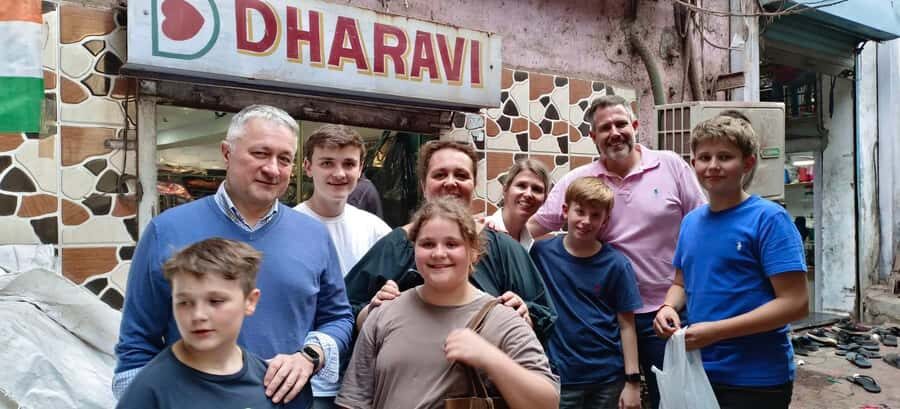
This tour is built like an education route through Dharavi’s daily life. The big idea is simple: you don’t just look at buildings from the outside—you see where people live, where they work, and where they relax. That matters because Dharavi gets reduced to movie clips and headlines. On this experience, you’re meant to leave with a clearer mental picture of how the place functions.
The resident guide approach is the difference. Local guides can explain what might otherwise seem random: why certain activities happen where they do, how households fit together, and what kinds of work keep families moving day to day. One guide named Barthi came through in the way people described the tour—kind, sweet, and capable of making it feel both meaningful and enjoyable. Another strong theme from guide impressions: the tone stays calm. People highlighted that there is nothing scary or criminal when you visit as part of a guided walk with the right local explanation.
You can also read our reviews of more guided tours in Mumbai


Third Wave Coffee in Mahim: The Start Point That Keeps It Easy
You meet at Third Wave Coffee, Mahim, directly opposite Mahim Railway Junction West. If you’re looking for an easy start, this is it: you can stand outside or sit inside, and the guide will find you and introduce themselves. That sounds small, but good meeting points reduce stress—especially when you’re arriving in Mumbai for the first time.
Because the tour ends back at the same meeting spot, you also avoid the classic problem of ending miles away from your next transport plan. You’ll likely appreciate that if you plan dinner or an evening stroll afterward.
What I recommend you do: arrive a bit early, especially if you’re managing jet lag or figuring out local transit. With tours like this, being on time helps the group keep a natural walking pace.
Your First Real Lesson: Homes, Families, and Everyday Spaces
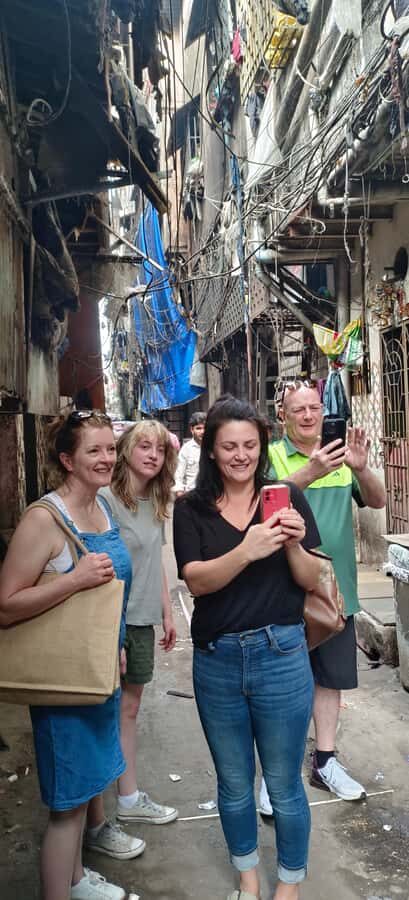
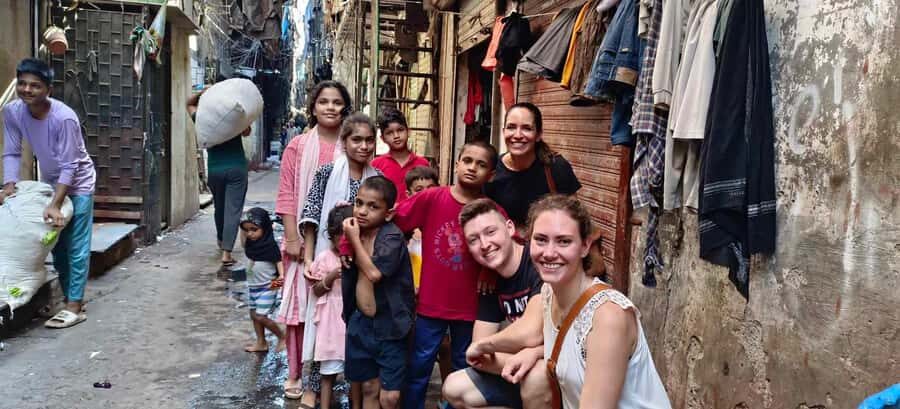
As you go into Dharavi’s lanes, you’ll notice that the tour isn’t only about work. The tour’s framing is that you’re seeing living space and community rhythm together. Expect stops that help you understand:
- where people stay
- where families live
- where children play and spend time
- where people relax
This is where the experience often changes minds. Many first-time visitors arrive with an image of Dharavi that is all about labels. The value here is that the guide re-labels what you see. Instead of thinking only in terms of hardship, you start noticing practical details: how people organize space, how routines repeat, and how community life continues even in tight conditions.
Also, the small-group format matters. A group that’s not huge can move at a human pace, which helps you ask questions and actually hear the explanations rather than just keep up.
Following the Work: Plastic Recycling, Leather, Garments, and Metal
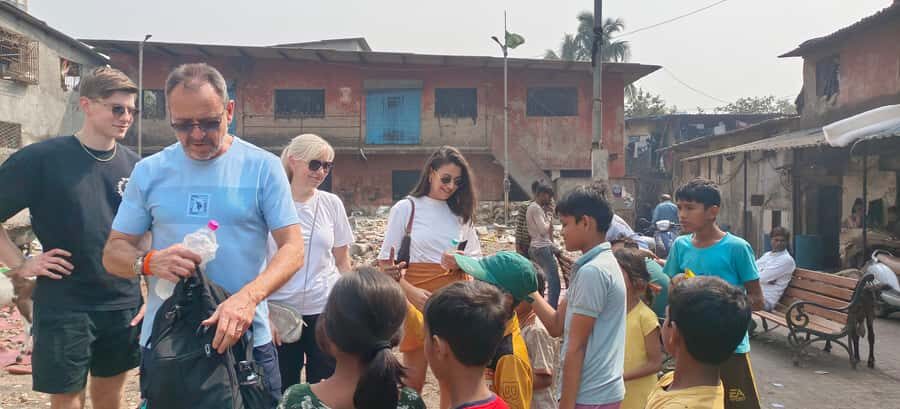
The tour’s core stops focus on industry. The reason this is so important is that Dharavi isn’t only a residential area—it’s also a working economy. When you see the processes connected to recycling and manufacturing, you start to understand how the neighborhood supports livelihoods.
Here’s what you should expect to encounter during the walk:
- Plastic recycling
- Leather industry
- Garment/textile work
- Metal-related work
- and more, depending on what the guide chooses to emphasize
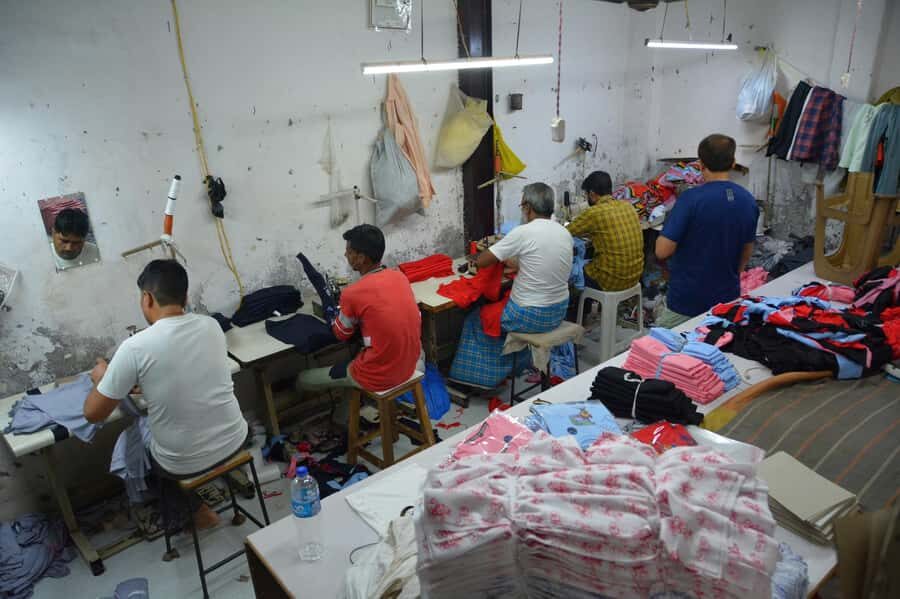
The tour approach is educational, so you’re not just being shown “factories” from the sidewalk. You’re meant to understand what people do for a living and why those trades exist there. In particular, the inclusion of multiple industries helps you avoid a one-issue view. Instead of thinking Dharavi is only one type of activity, you see it as a set of connected jobs that keep supplies moving and goods transformed.
One practical note: because you’re walking through real work areas, the pace is more about safety and clarity than scenic strolling. Wear comfortable shoes and expect to keep your camera use mindful. If you’re unsure about photographing people or active workspaces, follow your guide’s lead.
The Slumdog Millionaire Filming Spot in Context
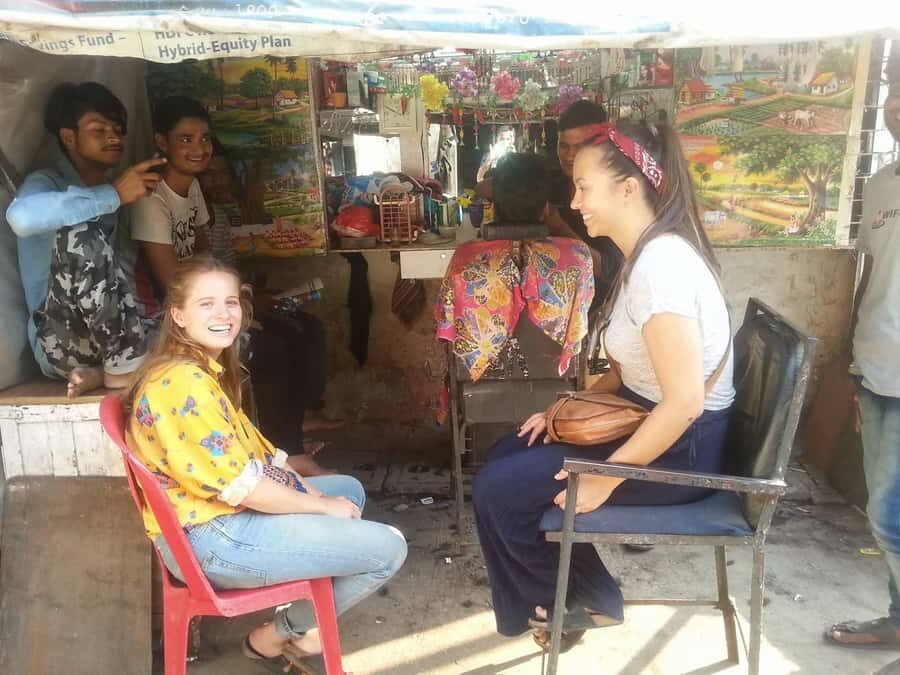
Yes, the tour includes the place where Slumdog Millionaire was filmed inside Dharavi. But the helpful part is the context. Instead of treating the location as a museum stop, you’re seeing how the filming connects to the neighborhood you’ve been walking through.
This is a good way to handle a tricky expectation. Movie-linked locations can turn into theme-park checking boxes. Here, the intention is to keep it grounded: you learn why the setting mattered on screen and then return to real-life explanations of daily routines and industry.
If you’re a film fan, you’ll probably enjoy recognizing the connection. If you’re not, you still get value because the filming stop helps anchor the story of Dharavi in something globally recognizable—then your guide brings you back to what the neighborhood is today.



The Guide Makes or Breaks It: English, Humor, and a Reassuring Tone
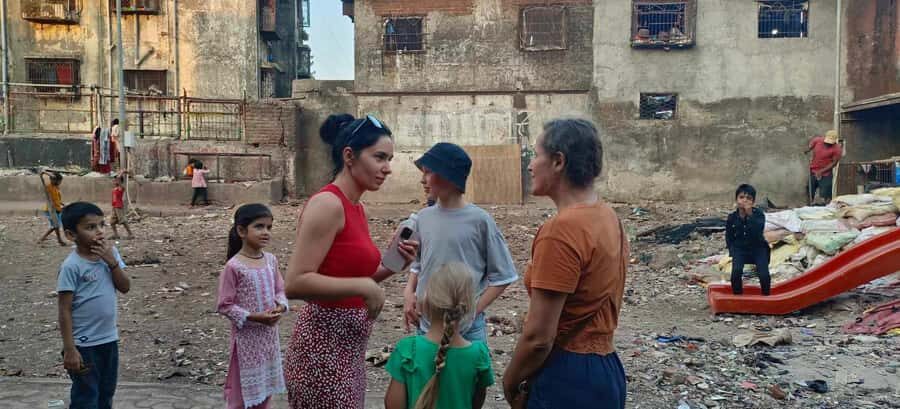
A repeated highlight is the guide’s communication style. People specifically praised excellent English and a good sense of humor. That combination is powerful in a tour like this. Dharavi can sound intimidating before you go; humor and clear explanations can keep the experience honest without turning it into fear-based tourism.
You can also expect the guide to take time to answer questions. A resident guide doesn’t just recite facts—they interpret what you’re seeing as part of local life. That’s why the experience often feels “deep and strong” rather than surface-level.
One guide name that stood out: Barthi. Multiple accounts describe her as kind and sweet, and the tour as something visitors genuinely enjoyed while still absorbing the serious message.
Small Group Size: Better Questions, Better Flow
This is described as a small group tour. Even without a stated number, that usually means two things for you: you’ll have a better chance to hear the guide clearly, and you won’t feel constantly pushed along. In a dense place like Dharavi, crowd pressure can flatten the experience. A smaller group helps you keep focus on the details the guide is explaining.
It also affects comfort. You’ll likely spend more time at the meaningful stops—homes, work zones, and the filming location—rather than spending most of the walk just negotiating space with other people.
Price and Value: About $4.85 for a Local Education Walk
At $4.85 per person, this stands out as a low-cost way to see Dharavi with a guide rather than trying to wander independently. Here’s the value math that matters:
- You’re paying for a local resident to interpret what you’re seeing.
- You’re getting entrance fees handled.
- You get water, which is practical in Mumbai’s heat.
- You’re not trying to piece together industries and locations on your own.
Is it pricey? No. Is it still “worth it”? In most cases, yes—because the guide’s explanations are the main product. In tours like this, the cost often reflects organization and access more than luxury.
The one thing I’d keep in mind: because the price is low, you’ll want to treat it as a serious educational walk, not a casual sightseeing loop. Bring curiosity, ask questions, and move respectfully.
Who This Tour Suits Best (And Who Might Reconsider)
This tour fits best if you want a stereotype-breaking look at Dharavi. It’s ideal for people who:
- enjoy practical, real-world travel
- like guided context over random wandering
- want to understand local industries such as recycling, leather, and garment work
- have seen Slumdog Millionaire and want the setting in real life
You might reconsider if you:
- dislike tours with serious themes
- want only scenic views and light storytelling
- prefer fully structured, low-touch experiences with no interaction with real daily life
And here’s the good reassurance: people who were anxious about safety were directly reassured that there’s nothing scary or criminal when you’re with a local guide.
What to Bring for Comfort and Respect
The data doesn’t list gear requirements, but comfort is smart here. You’re walking through a working neighborhood, so think simple:
- comfortable closed-toe shoes
- a light layer (Mumbai weather can shift)
- water awareness (you should have water included)
- a respectful mindset around photography and close spaces
If you’re someone who gets overwhelmed in dense areas, slow down your pace and focus on what the guide points out. The route is designed to be understood, not rushed.
Should You Book This Dharavi Small-Group Tour?
I’d book it if you want Dharavi explained by someone who actually lives with the place. This tour is built around three strong ingredients: a resident guide, a multi-industry look at how people earn a living, and a grounded visit to the Slumdog Millionaire filming location. At around $4.85 with water and entrance fees covered, it’s also unusually good value for a guided education experience.
I’d skip it only if you’re chasing a fun, worry-free “sightseeing” vibe. This is real life. It’s meant to teach, challenge assumptions, and show both the hard work and the human side of the neighborhood.
If your goal is understanding, not just photos, then this is an easy yes.
FAQ
Where is the meeting point for the Dharavi small-group tour?
The tour meets at Third Wave Coffee in Mahim, opposite Mahim Railway Junction West. The guide will find you at the meeting point.
What does the tour cost?
The price is $4.85 per person.
What is included in the tour?
It includes a local tour guide from Dharavi, all entrance fees, and water.
What language is the tour guide?
The tour is offered in English.
Is this tour scary or unsafe?
The tour guidance is meant to be reassuring. One highlight from visitor feedback was that there is nothing scary or criminal there when you go as part of the guided experience.
Does the tour visit the Slumdog Millionaire filming location?
Yes. The tour includes a visit to the place where Slumdog Millionaire was filmed inside Dharavi.