REVIEW · MUMBAI
Mumbai: Guided Elephanta Island and Caves Tour
Book on GetYourGuide →Operated by Mumbai Dream Tours · Bookable on GetYourGuide
Elephanta is a quick ferry ride into ancient rock. What makes the day tour click is the combo of Elephanta Caves and a live English-speaking guide, so you’re not just walking through stone. I also like that it includes the round-trip ferry and cave entry, which keeps the whole plan simple.
The main thing to consider is physical comfort: you’ll climb stairs to reach the cave complex, and the experience is not suitable for pregnant women or people over 70.
In This Review
- Key highlights you should know
- Ferry from Gateway of India: why the ride matters
- Arriving on Elephanta: stairs, sun, and clothing rules
- Hindu caves and the three-headed Shiva bust
- Buddhist caves: reading symbolism in the same rock
- How the Portuguese-era damage changes what you notice
- Seven major caves plus a toy train between stops
- The English-speaking guide experience (and why it changes everything)
- Price and value: $28 that includes ferry and entry
- Who should book this tour, and who might skip it
- Should you book the Guided Elephanta Island and Caves Tour?
- FAQ
- Where is the meeting point for the tour?
- What does the ticket price include?
- How long is the ferry ride from Mumbai to Elephanta Island?
- Do I need to bring an ID?
- What should I wear or bring for the caves?
- Is food included?
- Is the tour refundable if plans change?
Key highlights you should know
- Gateway of India start with a return ferry ride over the Arabian Sea
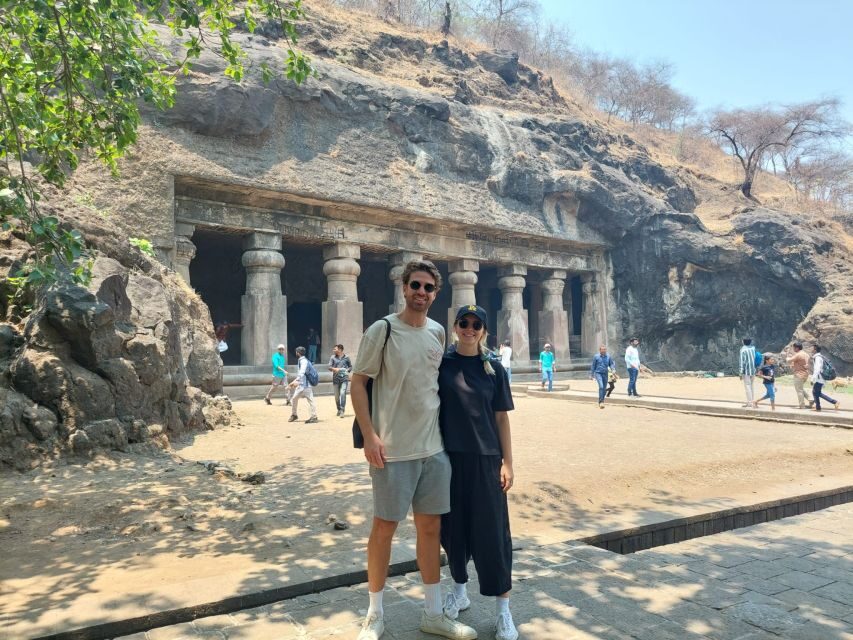
- UNESCO World Heritage Elephanta Caves with Hindu and Buddhist cave groups
- Seven major caves covered, including the Large Hindu Cave and Shiva Cave
- The three-headed Shiva bust is the star you’ll hear about early
- Toy train ride used to move you around the caves area
- Maneer-type guides who can explain the carvings and spiritual themes clearly in English
Ferry from Gateway of India: why the ride matters
You start at the Gateway of India, meeting at Shop no 2 near the public toilet. That matters because Elephanta tours run on a set rhythm, and you’ll want to be in place before the ferry departs.
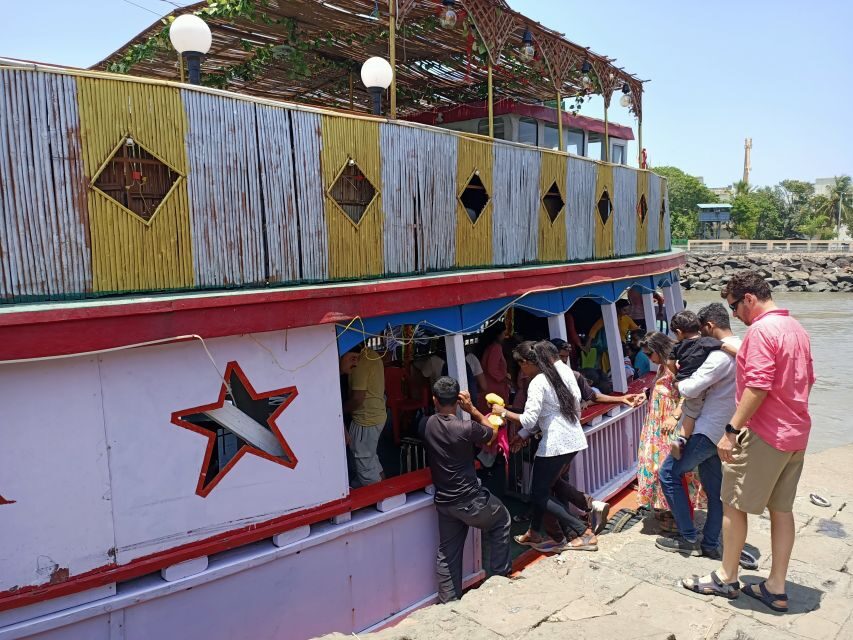
The ferry ride takes about an hour each way. On a clear day, you’ll get big-sky sea views and a long look back at Mumbai. One detail I think you’ll appreciate is seeing the scale of New Mumbai to the south/east, with tall skyscrapers stretching for miles and the long 22 km blue bridge appearing along the way.
This “in-between” time isn’t wasted. It gives you a sense of geography before you hit the caves—why the island was chosen, how the sea separates it from Mumbai, and how the city looks from offshore.
You can also read our reviews of more guided tours in Mumbai


Arriving on Elephanta: stairs, sun, and clothing rules
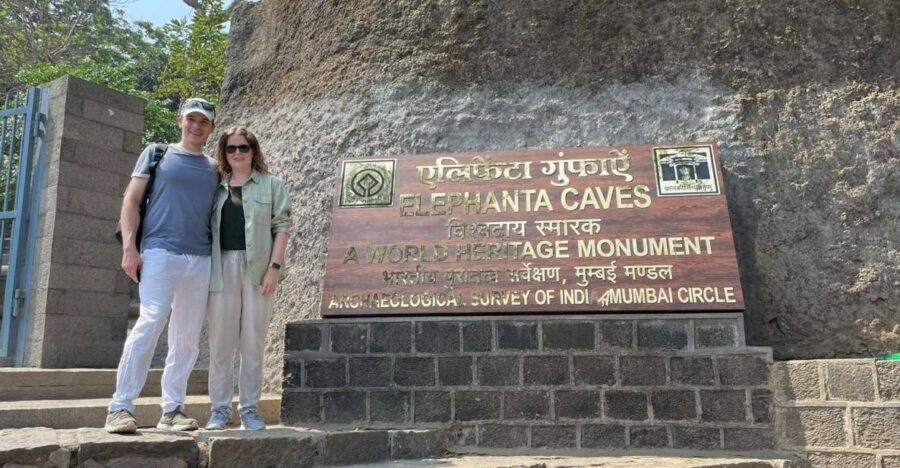
Once you reach Elephanta Island, you’ll walk up a series of stairs to get to the cave complex. That’s the one repeated reality check of the day: this is not a flat stroll, even though the caves themselves feel like a calm escape from the city.
For what to wear, think practical and hot-weather friendly. Bring comfortable clothes, comfortable shoes, sunglasses, a sun hat, and sunscreen. Even if the cave areas feel cooler, the approach can be sunny and exposed.
There are also clear rules about what not to bring on you. Short skirts aren’t allowed, and alcohol and drugs are not allowed. You’ll also want to have an ID card with you—an ID copy is accepted too.
If stairs are a problem, or if you’re in one of the groups marked as not suitable (pregnant women, or people over 70), this tour may not be the best fit.
Hindu caves and the three-headed Shiva bust
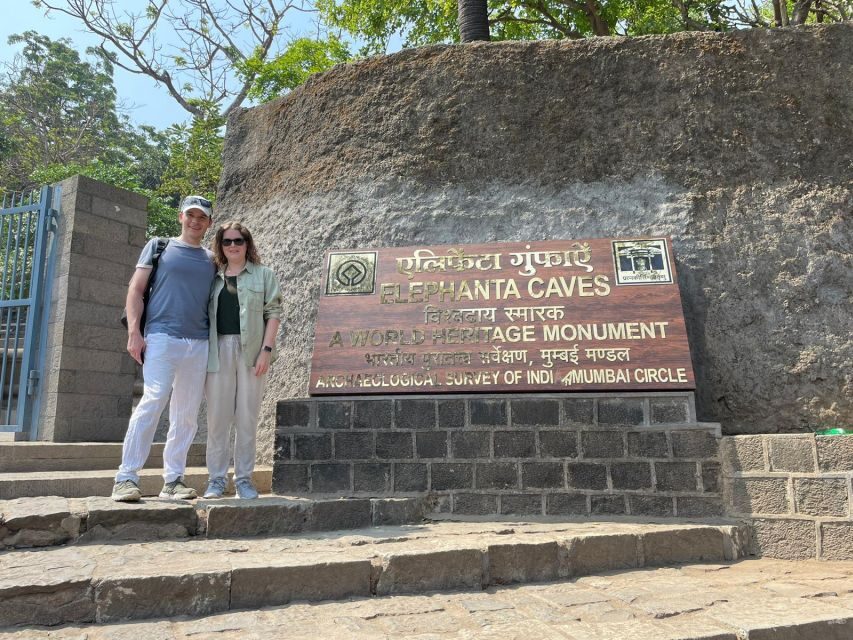
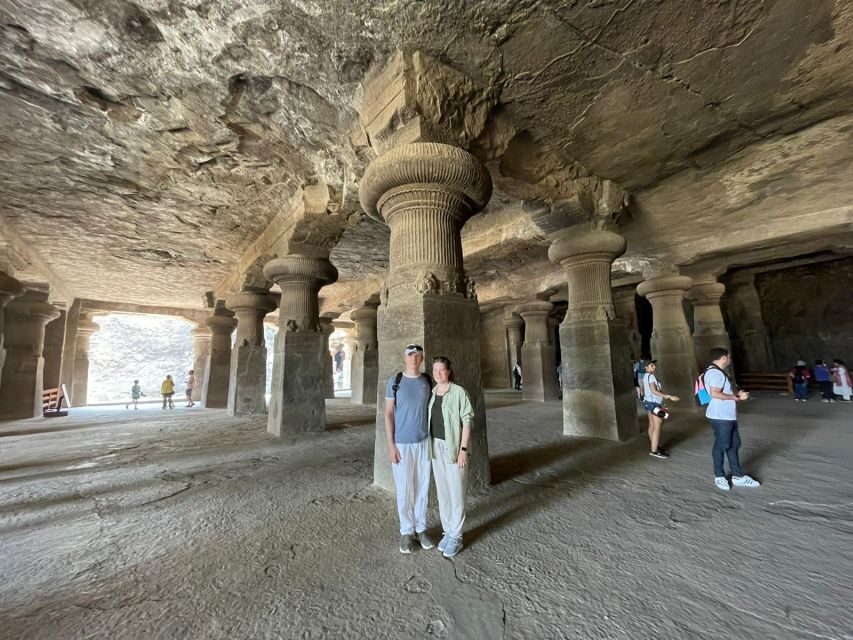
Elephanta is famous for its rock-cut sculptures and temple spaces, dated to roughly the 5th to 8th centuries AD. The tour splits into the two big cave areas: Hindu caves and Buddhist caves. You’ll typically begin with the Hindu side, where the carvings are especially well known.
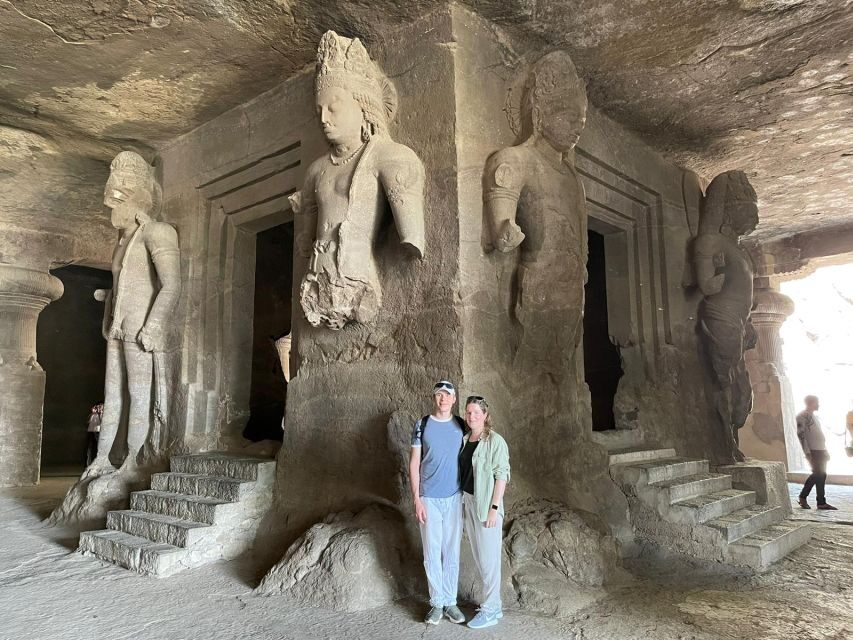
Inside the Hindu caves, you’ll see shrines and sculptures tied to Hindu deities like Shiva, Vishnu, and Brahma. The standout moment is the three-headed bust of Shiva, which you’ll want to slow down for. It’s the kind of detail that feels like it’s meant to be viewed from the right angle, so don’t rush past it while the group moves.
As you walk between spaces, watch for the way mythological stories show up in stone: gods and goddesses, scenes with animals like elephants and lions, and repeated icon details. Without a guide, you might see art; with one, you start to understand why specific images were placed where they are and what they were trying to communicate.
Buddhist caves: reading symbolism in the same rock
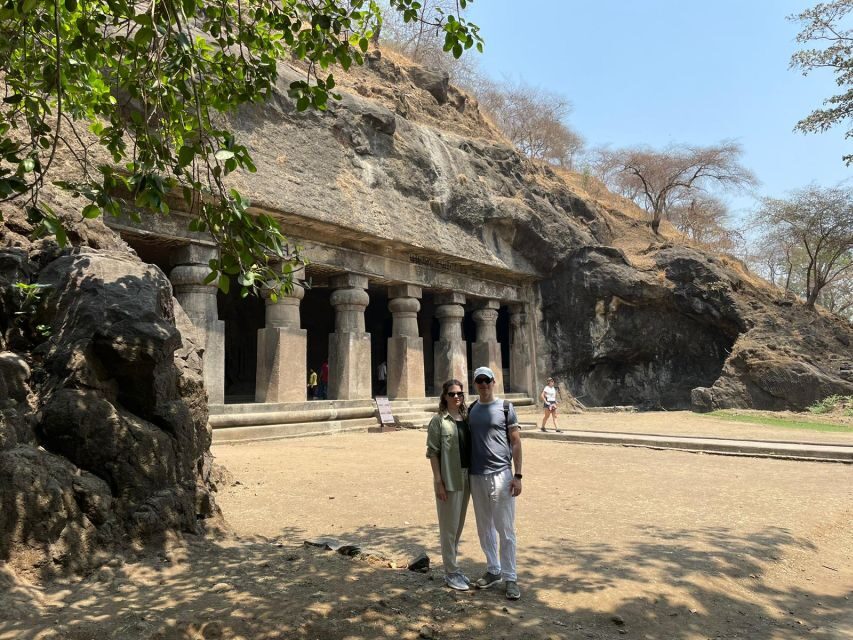
The Buddhist cave area is the second major section you’ll explore. You’re still in the same island complex, still looking at ancient rock-cut design—but the themes shift.
What I like about having both cave groups in one tour is the contrast. You can compare how spiritual ideas show up through different icon styles and how the space is structured to support worship or contemplation.
Your guide is key here. The tour is designed to explain the history behind the depictions—what you’re seeing, how it relates to the time period, and what the images are meant to say.
How the Portuguese-era damage changes what you notice
Elephanta isn’t a perfectly preserved museum. Some carvings survived Portuguese desecration, and that fact changes how you look at the walls.
Instead of expecting everything to be intact, you’ll start noticing wear, missing pieces, and the sections that remain strongly carved. It makes the site feel more real—less like a staged set, more like a cultural monument that endured through conflict, neglect, and time.
This is where a good on-site explanation pays off. When your guide connects damaged areas to the broader story of what happened to the island, the caves become easier to interpret.




Seven major caves plus a toy train between stops
The tour plan covers 7 major caves. You’ll see carvings, paintings, and inscriptions tied to Shiva, Buddha, and Hindu mythology. Knowing you’ll get more than just the headline sites matters, because Elephanta isn’t one single room.
The major 3 caves you’ll focus on are the Large Hindu Cave, the Buddhist Cave, and the Shiva Cave. Each has its own feel—different carvings, different shrine layouts, and different ways the mythology shows up in stone.
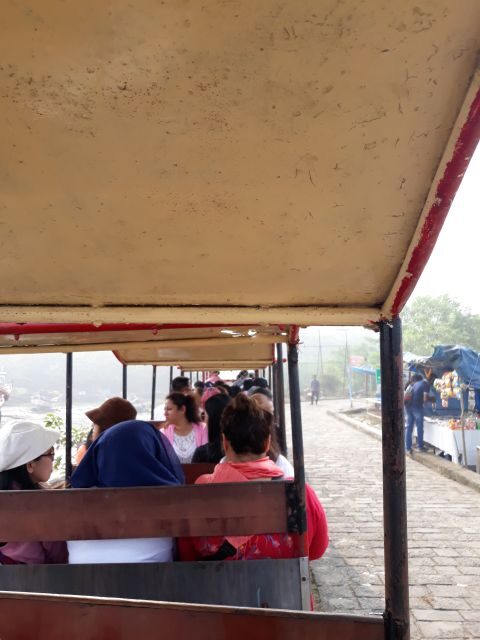
One practical bonus: you get a toy train ride that takes you around the caves. If you’re trying to manage heat, stairs, and walking distances, this helps you spend more time looking carefully and less time moving.
It also helps on busy days. One practical reality is that the schedule can feel hectic when the meeting area gets crowded. If your guide isn’t available right away, you should expect they’ll swap in another English-speaking guide quickly and keep the group moving.
The English-speaking guide experience (and why it changes everything)
This tour includes a live English-speaking guide, and the difference is obvious the moment you start looking closely. The guide explains the history of the depictions and the spiritual themes behind the carvings, so you’re not trying to guess what the images mean.
In one case, the local guide Maneer stood out for being both enthusiastic and clear about the Hindu caves and the carvings. That kind of guide doesn’t just point; they help you connect the art to the ideas that created it.
You might also find the experience leads to longer conversations. English skills are part of the appeal here, because you can ask follow-ups and get more than a checklist explanation. That’s a big reason why this tour is worth booking instead of trying to DIY the caves from scratch.
Price and value: $28 that includes ferry and entry
At $28 per person, the value comes from what’s already folded in. You get a return ferry ticket from Mumbai to Elephanta Island, entry to the Elephanta Caves, and the live English-speaking guide.
What you do not get is food and drinks. That means you should plan for your own snacks and hydration, especially since the day includes sun exposure while you’re on land and waiting around for ferry timing.
When you compare the total bundle, this price makes sense for people who want convenience. You’re paying for three hard-to-coordinate pieces—transport over water, the cave entry, and interpretation once you arrive.
It’s also a good option if you’re short on time. This tour works like a half-day activity, which makes it easier to fit into a Mumbai itinerary without losing a whole day.
Who should book this tour, and who might skip it

You’ll enjoy this most if you want a guided UNESCO site and you care about understanding what you’re seeing. The caves are impressive even at a glance, but they become much more satisfying when someone helps you interpret the images.
It’s also a solid choice if you’re traveling in a group style and prefer an organized flow. The ferry schedule, the meeting point at Gateway of India, the stairs up to the caves, and the toy train support all add up to a smoother experience than piecing it together alone.
You might skip it if:
- stairs are difficult for you
- you’re traveling with someone who should avoid this due to the tour’s stated limits (pregnant women, or people over 70)
- you’re hoping for a food-inclusive outing (it’s not included)
Should you book the Guided Elephanta Island and Caves Tour?
If you want the best mix of logistics and meaning, I’d book it. The combination of round-trip ferry, cave entry, and a live English-speaking guide is exactly what you need for a UNESCO site that can otherwise feel like random stone walls.
Choose this tour if you like guided interpretation, want to see both Hindu and Buddhist caves, and don’t mind stairs as part of the deal. If you’re sensitive to heat or mobility limits, think carefully before committing.
For many first-time visitors, this is one of the most efficient ways to get out of Mumbai and into something ancient, specific, and genuinely worth your attention.
FAQ
Where is the meeting point for the tour?
The tour starts at the Gateway of India, Shop no 2 near the public toilet.
What does the ticket price include?
The tour includes a live English speaking guide, return ferry tickets from Mumbai to Elephanta Island, and entry ticket to the Elephanta Caves.
How long is the ferry ride from Mumbai to Elephanta Island?
The ferry ride takes about an hour each way.
Do I need to bring an ID?
Yes. You should bring an ID card, and a copy is accepted.
What should I wear or bring for the caves?
Wear comfortable clothes and comfortable shoes, and bring sunglasses, a sun hat, and sunscreen.
Is food included?
No. Food and drinks are not included.
Is the tour refundable if plans change?
Cancellation is allowed up to 24 hours in advance for a full refund.