REVIEW · MUMBAI
Mumbai: Dharavi Slum and Dhobi Ghat Tour with Train Ride
Book on GetYourGuide →Operated by Tours By Walk · Bookable on GetYourGuide
Mumbai teaches you fast. This tour strings together Dhobi Ghat and Dharavi with a real Mumbai local train ride, so you don’t just read about the city—you get the rhythm right in front of you. I love the way your guide shares street-level stories that explain what people do to survive and build a business. I also like the chance to see the laundry from the viewing deck, then get closer to how the work actually runs.
The second thing I love is the human angle: guides like Bhaarti and Abhishek (and others such as Hardik and Alkama) bring firsthand perspective from living in or near the area they’re showing you. You’ll feel the difference a local makes when your questions turn from tourist curiosity into real conversation, including about everyday life and community spirit. With a small group limited to 10, it stays manageable and you can ask follow-ups without getting lost in a crowd.
One drawback to plan for: this is not a polished postcard stop. You’ll be walking through tight lanes and seeing hard-working daily life in Dharavi, so if you’re easily overwhelmed by poverty, this may feel emotionally intense.
In This Review
- Key points worth knowing before you go
- A fast way to see two Mumbai worlds: Dhobi Ghat to Dharavi
- Third Wave Coffee start: get your bearings early
- Dharavi on foot: stories of resilience and local industry
- The Mumbai local train ride: feeling the city move
- Dhobi Ghat: Asia’s open-air laundry and how to “see” it right
- Where the tour ends: Dhobi Ghat viewing deck
- Price and value: what $26 buys you (and why it’s fair)
- What to wear: simple rules that help you enjoy the tour
- Who this tour suits best (and who should think twice)
- Booking advice: how to get the best version of this experience
- Should you book this tour?
- FAQ
- How long is the tour?
- Where does the tour start?
- What sites do you visit?
- Is the tour guide English-speaking?
- What’s the group size?
- Are train tickets included?
- Is bottled water provided?
- Is free cancellation available?
- Are skirts allowed?
Key points worth knowing before you go
- Open-air laundry views at Dhobi Ghat, plus time to see how the process works on the ground
- Local guides connected to Dharavi who can answer real questions and point out what matters
- Mumbai local train ride, complete with the open-door feeling people talk about
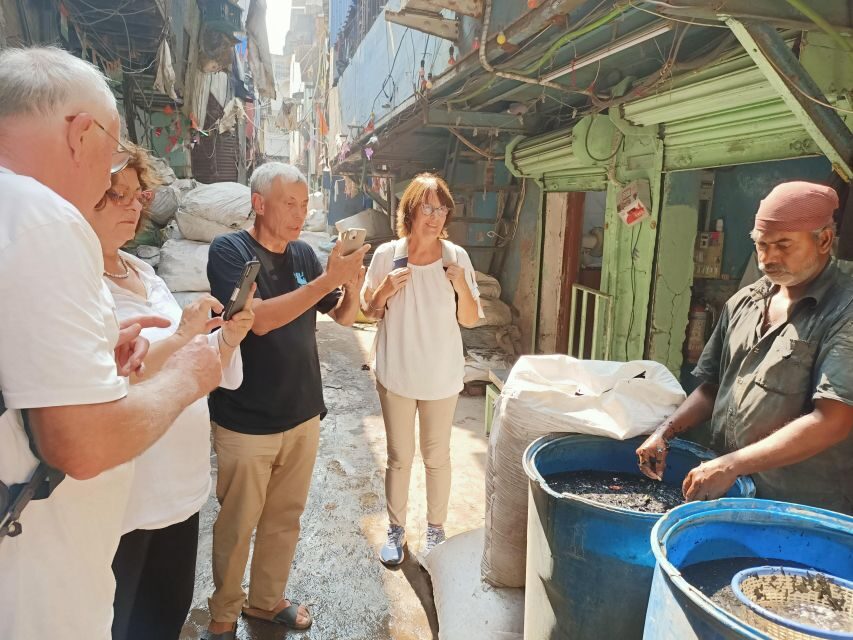
- Dharavi on foot, where you’ll see homes and small businesses in the same maze of alleys
- Small-group pace (up to 10 people), helpful in narrow streets and busy areas
- Practical inclusions like train tickets and bottled mineral water
A fast way to see two Mumbai worlds: Dhobi Ghat to Dharavi
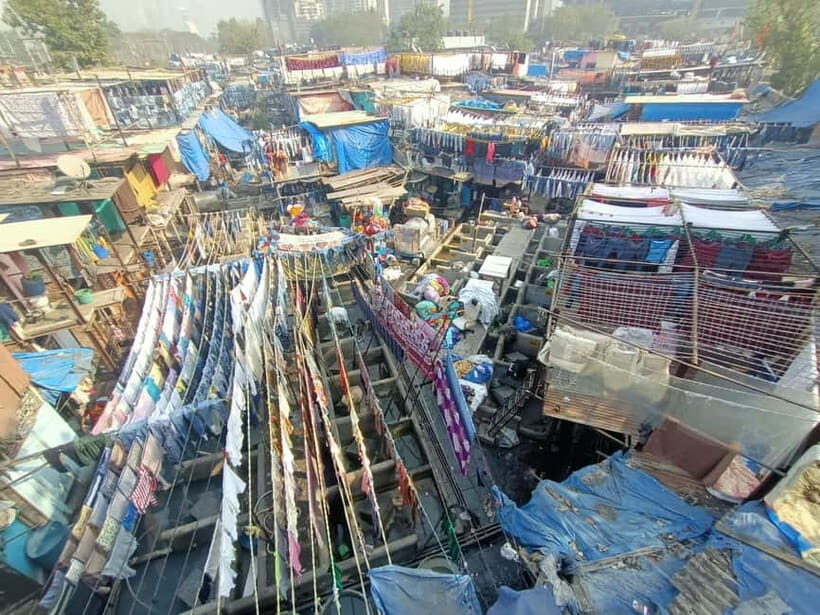
This is one of those tours that changes how you see a city in just a few hours. Instead of treating Mumbai as a checklist, you’re moving between two places with totally different visible realities—open-air laundry work in Dhobi Ghat, then the street-level life of Dharavi—while also riding the Mumbai local train that powers the daily commute.
The structure also matters for your experience. Dhobi Ghat shows work you can watch closely, right in public view. Dharavi shifts you into a tighter, more personal world where stories about resilience, entrepreneurship, and community run alongside what you can physically see.
You can also read our reviews of more tours and experiences in Mumbai.


Third Wave Coffee start: get your bearings early
Your tour starts at Third Wave Coffee. I like this kind of start point because it’s a clear, public place—easy to find compared with vague meeting corners. If you want this to feel smooth, arrive a few minutes early so your group can meet up without rushing.
You’ll be traveling with an English-speaking guide, and the tour is set up for a small group (limited to 10). That matters here because both areas you visit involve walking through narrow spaces, so having fewer people around you makes it easier for the guide to manage movement and for you to hear explanations without shouting.
Dharavi on foot: stories of resilience and local industry
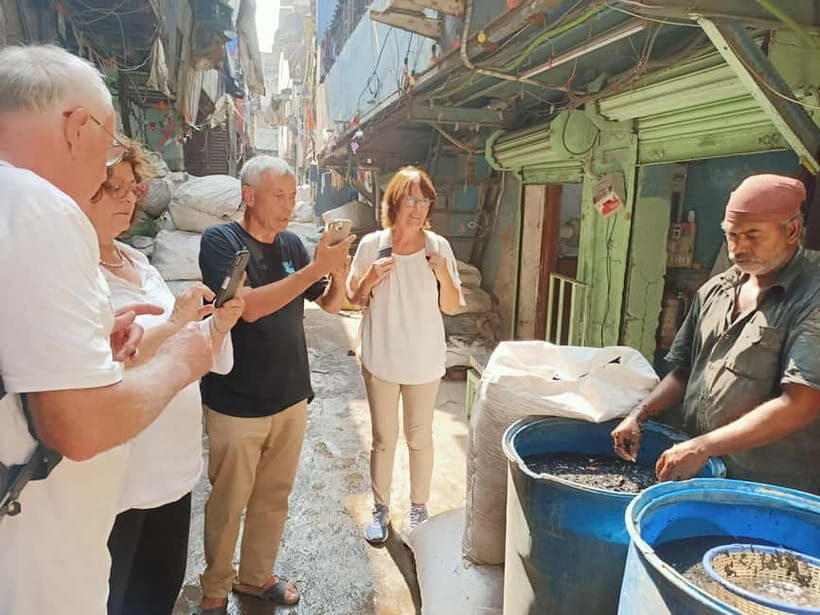
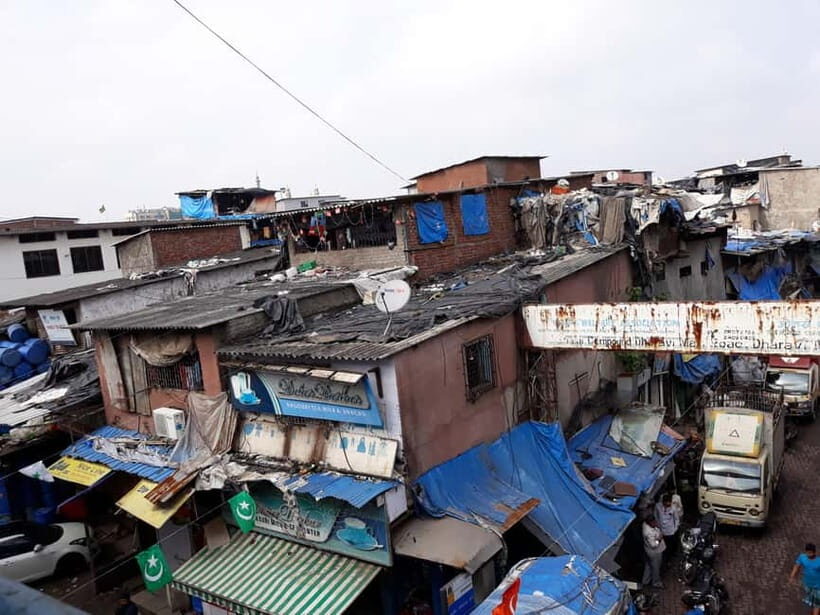
Dharavi is experienced best on foot. This tour walks you through the area’s lanes and gives you a guided look at how people live and work side by side. The key value isn’t just the scale of the place—it’s what the guide connects to it: resilience, entrepreneurship, and community spirit.
What really stands out is the guide angle. In the past, guides such as Bhaarti have been praised for knowing the layout of the labyrinth of alleys and for having real relationships with people in the area. Others like Abhishek are described as living in the slums themselves, which helps your questions get answered with practical, lived detail rather than generic explanations.
A quick consideration: if you’re expecting a “sightseeing theme park” style visit, you might find the emotional tone heavier than you planned. You’ll be seeing homes and daily work, and your guide will likely guide your attention to what people need to manage every day—not just what looks interesting in photos.
The Mumbai local train ride: feeling the city move
Between Dharavi and Dhobi Ghat, you ride the Mumbai local train. This is the part that tends to surprise people in a good way, because it’s not a staged transport moment. You’re in the same system commuters use, and the energy is immediate.
One detail that comes up in guide descriptions is the open-door feeling—people note wind blowing through open doorways as the train moves. That little sensory touch is more than a fun moment; it helps you understand why locals see the train as a core part of how the city functions. When you’re in motion, you also get a sense of how much Mumbai runs on fast, frequent connections.
Practical tip: keep your phone secured and your hands free for balance and crowd movement. Train cars can be tight, and this is one of those times where you’ll thank yourself for using a crossbody bag you can manage with one hand.
Dhobi Ghat: Asia’s open-air laundry and how to “see” it right
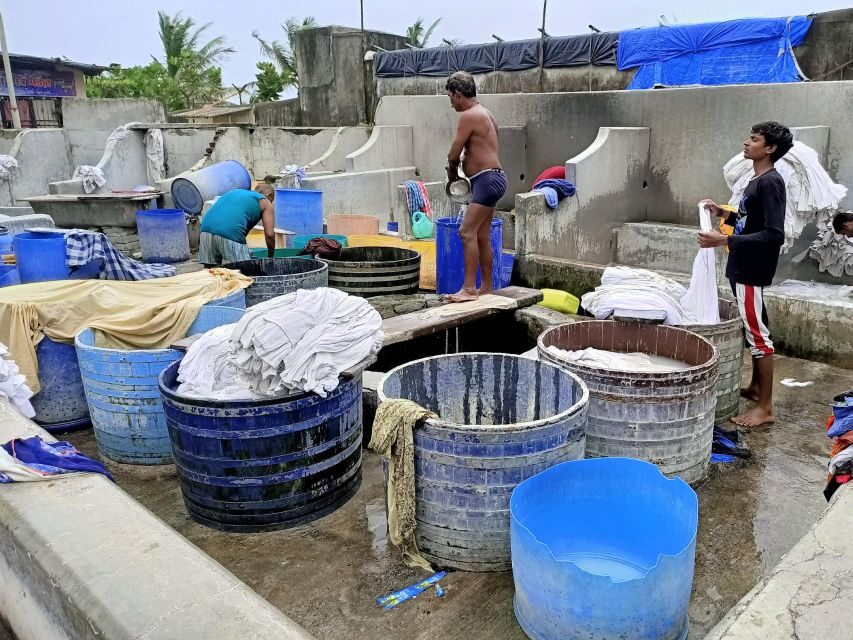
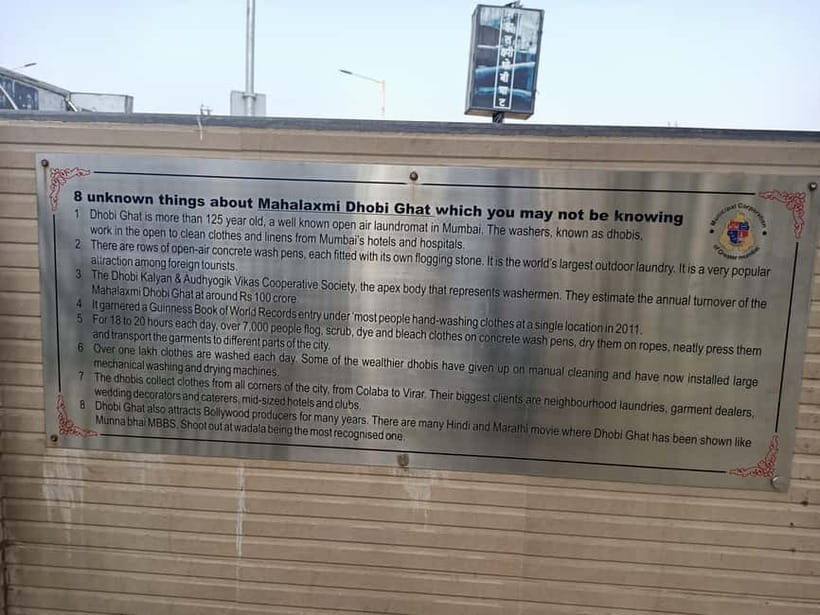
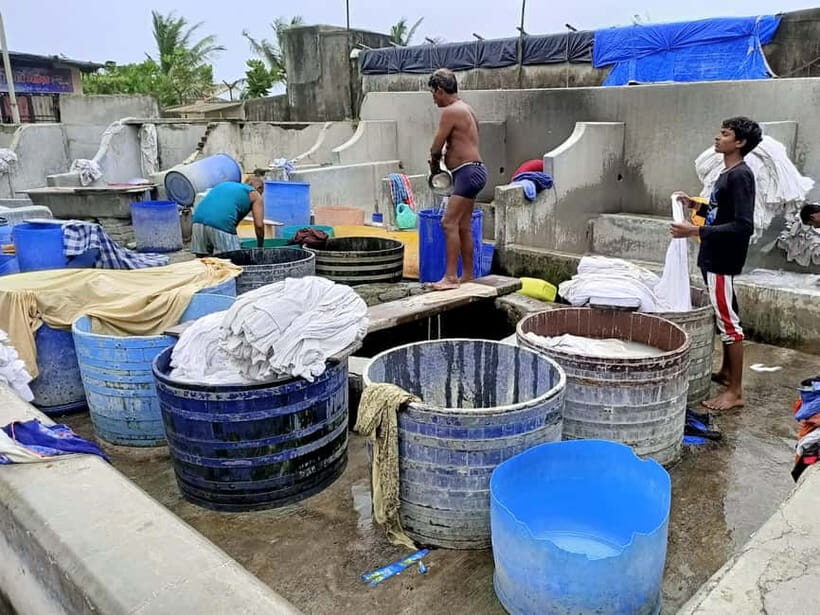
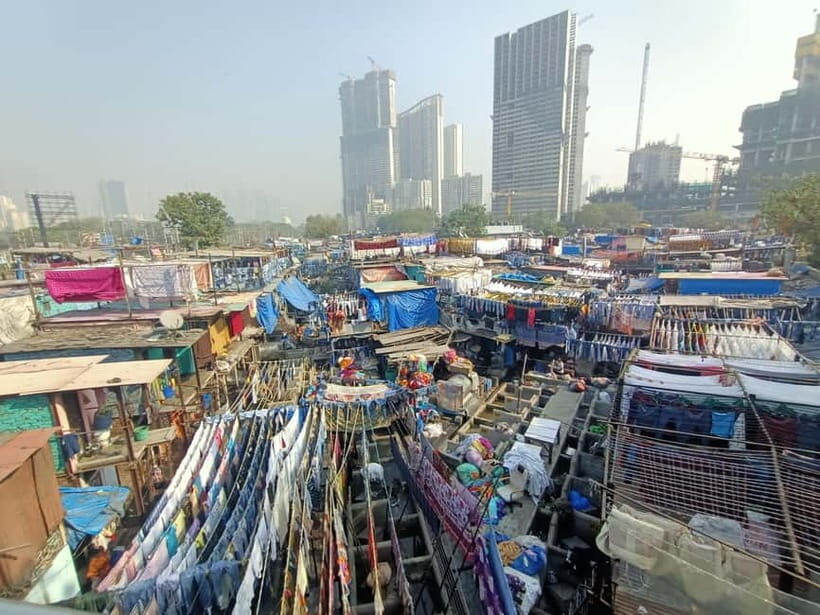
Then comes Dhobi Ghat, described as Asia’s largest open-air laundry. If you only look from a distance, you’ll miss the point. The tour encourages you to see it from different angles: from the viewing deck for context and photo-friendly views, and from ground level to understand how the washing work is organized.
A lot of the wow factor is the scale of activity. This isn’t a single operation—it’s a working community where garment-cleaning work happens in public view. The guide helps connect what you’re seeing to the people behind it, and that human context makes the scene feel more meaningful than just a dramatic photo spot.
Your viewing-deck time is a highlight. The deck view is mentioned as a perfect photo opportunity with added history and explanation layered in. And you may also get the chance to step inside the laundry area, not only stand back and look. That closer access is what turns the experience into something you remember.


Where the tour ends: Dhobi Ghat viewing deck

The tour finishes at the Dhobi Ghat viewing deck. I like having the end point be a clear, named location like this. It makes it easier for you to plan what comes next—whether you’re grabbing a meal nearby or heading back toward your hotel.
If you’re the type who likes to keep your schedule light after intense tours, this works. You don’t end in the middle of a maze with no exit strategy; you end at a viewpoint where you can take your time absorbing what you’ve just learned.
Price and value: what $26 buys you (and why it’s fair)
At $26 per person for about 3 hours, the value comes from the combination, not any single stop. You’re paying for three “hard to do well alone” pieces:
- a guide who can explain what you’re seeing in both Dharavi and Dhobi Ghat
- train tickets included
- a small group (up to 10), which helps your experience stay conversational instead of chaotic
This tour also includes bottled mineral water. It’s a small thing, but in heat and walking-heavy areas, it prevents your day from turning into a dehydration math problem.
And there’s one more value driver: you’re not just transferring between sights. The tour’s flow links the laundry work, the neighborhood stories, and the commute ride. That connection is what makes the day feel like one coherent experience rather than separate checkboxes.
What to wear: simple rules that help you enjoy the tour
There’s a clear clothing rule: short skirts and skirts are not allowed. If you’re traveling light, plan for pants or long, comfortable bottoms.
Because you’ll be walking, choose shoes that work on uneven surfaces and can handle crowds. Also keep your pace realistic. Some parts will be tight and busy around people working and moving—your job is to stay aware and let the guide move the group smoothly.
Who this tour suits best (and who should think twice)
This is a strong choice if you want:
- real local perspective and guide-led storytelling
- a Mumbai experience that includes daily life, not only monuments
- a small-group setting with room for questions
It’s also a good fit if you like trains and want to understand how commuting feels from the inside. For many people, the local train ride becomes the memory anchor because it’s a living part of the city.
If you’re sensitive to seeing poverty or crowded living conditions, you should think carefully. This tour focuses on neighborhoods and work. It won’t soften that reality into something comfortable.
Booking advice: how to get the best version of this experience
A few practical moves can make the biggest difference:
- Pick this tour when you’re not rushing. You want enough mental space to process what you’ll see and hear.
- Wear clothing that follows the skirt rule and shoes you can trust.
- Come ready with questions. Good tours like this turn questions into clarity, especially with guides who live the topic.
If you like flexibility, this experience offers reserve now and pay later, and you can cancel up to 24 hours in advance for a full refund. That’s useful when Mumbai plans change, and you’d rather not commit your whole budget to one activity too early.
Should you book this tour?
Yes, if you want a short window into how Mumbai works at street level. The tour’s best part is the way it connects labor at Dhobi Ghat, neighborhood life in Dharavi, and daily commuting on the Mumbai local train—all with a guide who can explain the human side, not just the geography.
Skip it or choose it carefully if you need a gentler experience. This one can hit emotional chords, and it asks you to look closely at real, working daily life rather than staying safely on the edges.
If you’re the kind of traveler who prefers meaning over perfection, this is a very strong pick.
FAQ
How long is the tour?
The duration is listed as 3 hours.
Where does the tour start?
The meeting point is Third Wave Coffee.
What sites do you visit?
You’ll visit Dharavi and Dhobi Ghat. You’ll also take a Mumbai local train during the tour.
Is the tour guide English-speaking?
Yes. The tour includes an English speaking tour guide.
What’s the group size?
It’s a small group limited to 10 participants.
Are train tickets included?
Yes. Train tickets are included.
Is bottled water provided?
Yes. Bottled mineral water is included.
Is free cancellation available?
Yes. You can cancel up to 24 hours in advance for a full refund.
Are skirts allowed?
No. Short skirts and skirts are not allowed.