REVIEW · NEW DELHI
Indian Cooking Class in an Authentic Local Home – Learn 6 Dishes
Book on Viator →Operated by Explore Real India · Bookable on Viator
Cooking smells are a shortcut to local life.
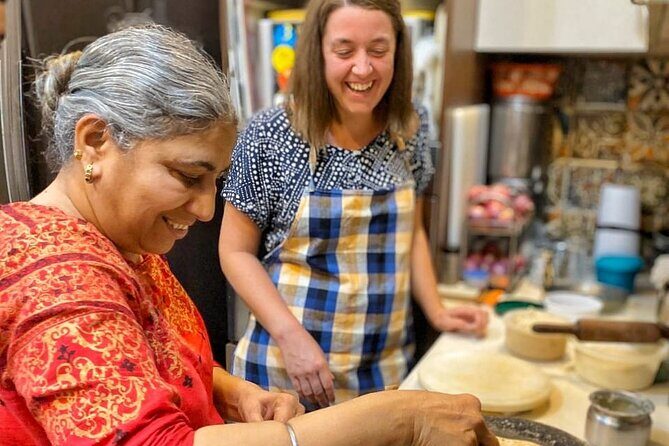
An Indian cooking class in a real home in New Delhi feels way more personal than a studio lesson, especially once JD and his dad start working at their family pace. I like the hands-on teaching style, where you cook, not just watch, and you learn the “why” behind spices and methods passed down through generations. One thing to consider: because it’s in a residential area, you’ll want to arrive a few minutes early so you can find the meeting point fast without stress.
You’re stepping into an air-conditioned home kitchen for a 2.5-hour session in a small group (marketed as intimate max 8, with the activity capped at 10). The goal is simple and satisfying: make a full North-leaning meal—one main dish, one rice dish, three types of bread, and a dessert—then sit together to eat and chat like part of the family for a while.
In This Review
- Key takeaways before you go
- Entering The Greater Kailash Home: Meeting Point and First Impressions
- Inside The Kitchen: Air-Conditioned Comfort and Real-Home Flow
- What You’ll Cook: Six Dishes That Turn Into a Full Meal
- Spice Smarts: The Ingredient-to-Flavour Lesson
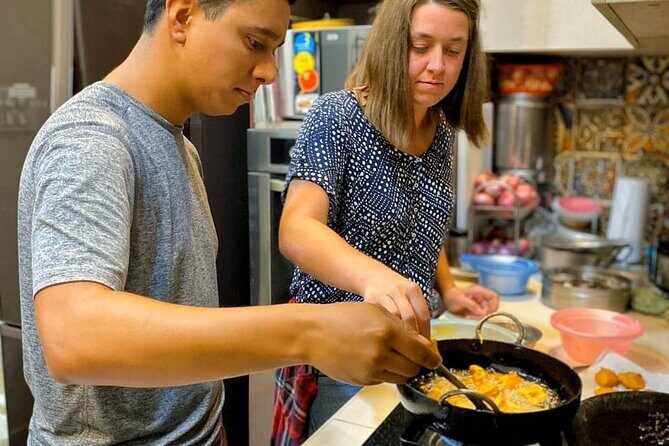
- How the Class Runs: Hands-On Cooking, Not Passive Watching
- Group Size and Conversation: Learning with New Friends
- Food, Drink, and the Real Value of $50.22
- Getting The Most Out of It: Tips Before You Book
- Who Should Book This Delhi Cooking Class?
- Should You Book It?
- FAQ
- How long is the Indian cooking class?
- How many people are in the group?
- What is the price per person?
- Where is the meeting point in New Delhi?
- What dishes will I cook?
- Is the menu vegetarian?
- What’s included in the price?
- Is the home kitchen air-conditioned, and are restrooms available?
- Do I get a ticket on my phone?
- What is the cancellation policy?
Key takeaways before you go
- A family kitchen, not a cooking school room: you’ll learn in a lived-in home setup.
- Grandmother-style spice lessons: methods come with reasons, not just steps.
- Cook a complete meal: main, rice, three breads, dessert all in one session.
- Small-group energy: max 8 (up to 10) means more hands-on time per person.
- Food is included, fully: lunch and dinner, plus tea/coffee and bottled water.
- Comfort matters: the space is air-conditioned, with restroom facilities available.
Entering The Greater Kailash Home: Meeting Point and First Impressions
This class starts at a specific home in Greater Kailash—R-142 Gk-1, Bindra’s House, Greater Kailash-1, Block R (part-1), New Delhi. If you’re the type who likes to plan ahead, that exact address is a gift. The tour also notes you’ll be near public transportation, which helps if you’re not using a taxi door-to-door.
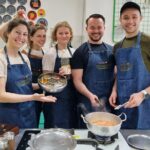
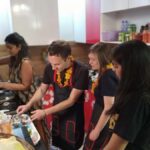
Once you arrive, the mood is calm and welcoming. The standout theme in the feedback is that hosts greet you like you’re visiting family, not dropping into a paid workshop. That matters because Indian cooking can be tactile—dough, tempering spices, sautéing aromatics—and you’ll learn faster when you’re relaxed enough to jump in.
A quick practical note: since it’s a private home, you should expect a “get settled, then cook” rhythm rather than a high-volume, classroom shuffle. I’d treat it like dinner with a teacher, not like a show.
You can also read our reviews of more cooking classes in New Delhi
Inside The Kitchen: Air-Conditioned Comfort and Real-Home Flow
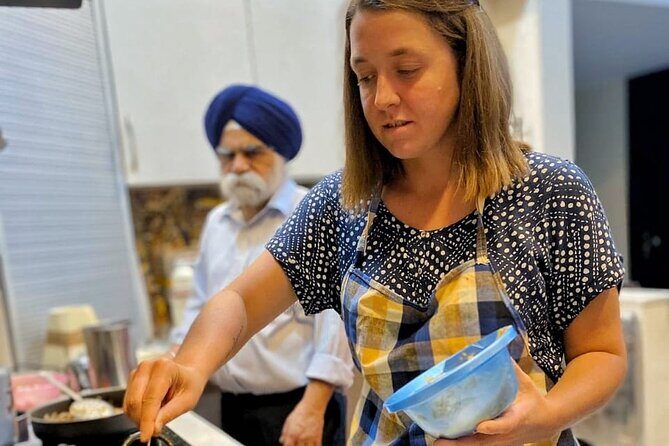
The kitchen setup is one of the biggest “why this is worth it” factors. You’re told the space is fully air-conditioned, and there are restroom facilities—so you’re not fighting heat or awkward logistics mid-session.
In a commercial kitchen, you often feel rushed or separated from the people doing the cooking. Here, the focus is on an authentic family workflow: prep happens as a coordinated team, and you get hands-on tasks that match what’s going on in the pan or on the stove right then. The class is built around learning techniques passed down through the family line—starting at the ingredient and spice level, then moving into timing and method.
That home setting also changes how you remember the lesson. It’s easier to connect steps to outcomes when you’re watching food being handled in a real, everyday way—especially with breads and rice, where small shifts can change texture fast.
What You’ll Cook: Six Dishes That Turn Into a Full Meal
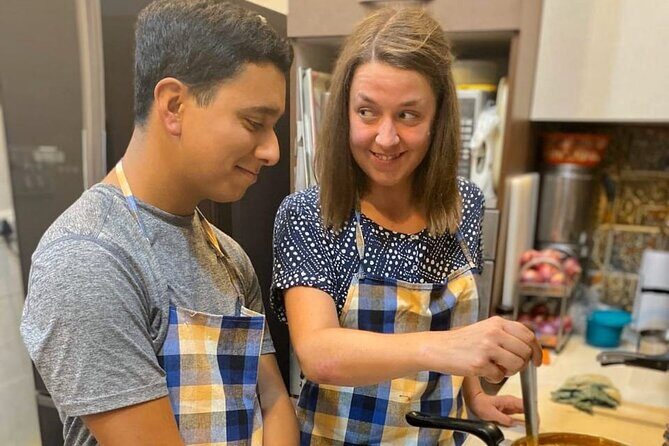
The structure is clear, and it’s one of the best values here. You’ll prepare six core dishes that add up to a complete meal:
- One main dish (curry-style, with spice focus)
- One rice dish
- Three types of bread
- One dessert
That bread section is where many people level up. It’s not just rolling and hoping. The instruction centers on technique and method—how dough behaves, how heat changes results, and how spices and ingredients affect the final taste. One review specifically highlighted learning how a base for rice and breads can become variants. That’s practical knowledge you can use later at home instead of memorizing a single recipe.
On the dessert side, you’re not left with a sad finale. The class is designed to end with a shared sit-down meal where everyone tastes what you made. Some participants describe ending up with the sense of more than six dishes by the time everything is served, but the official structure you should plan for is main + rice + three breads + dessert.
Diet matters too. The experience includes both vegetarian and non-veg options, so you’re not forced into one category if you’re traveling with different preferences.
Spice Smarts: The Ingredient-to-Flavour Lesson
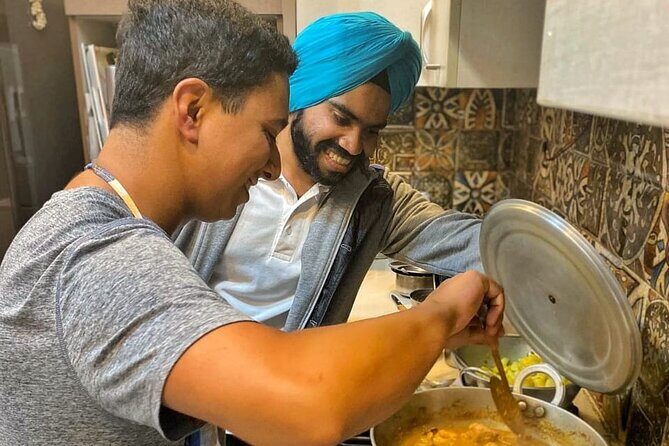
If you’ve ever tried to cook Indian food at home, you know the problem is rarely the recipe title. The real challenge is spices—when to add them, how to balance them, and what they do to aroma and flavour.
This class is explicitly built around spices and how they shape flavour and aroma. The teaching approach starts with ingredient and spice, then moves into techniques that explain what you’re doing and why it works. That’s a big deal, because you’ll be able to repeat the method with similar ingredients later.
You also get the story behind what you’re making. The class description says there’s a backstory and cultural significance to the dishes, not just culinary mechanics. And that fits the family-home format: food here isn’t treated like an isolated skill. It’s treated like part of daily life and tradition.
One more thing I appreciate: you’re encouraged to learn “secrets and tips” in the grandmother tradition. The point isn’t mysticism. The point is that small adjustments—timing, heat control, and spice handling—make the difference between okay and excellent.
How the Class Runs: Hands-On Cooking, Not Passive Watching
The flow is straightforward and practical:
- You arrive, meet your hosts, and get oriented.
- You cook as the lesson happens—main dish, rice, breads, and dessert—using techniques explained as you go.
- At the end, you sit down together as a close-knit group to enjoy what you made, with lively discussion and cultural insights.
This hands-on structure is repeatedly praised: people highlight that the class feels genuinely interactive and that hosts are patient while explaining processes. The theme you want to look for when booking a cooking class is clarity plus time. Here, small-group size helps you avoid the “stand and watch while one person cooks” problem.
Also, one review noted that chopping veggies wasn’t a big time drain, which suggests the lesson keeps the action focused on key techniques rather than turning the session into a prep marathon. That helps if you’re traveling and don’t want to spend your best cooking time doing laborious tasks.
A few more New Delhi tours and experiences worth a look




Group Size and Conversation: Learning with New Friends
This is designed as an intimate experience. The overview calls it max 8, while the additional info says the activity can have a maximum of 10 travelers. Either way, it’s small.
In a group this size, you can actually ask questions and get feedback instead of waiting your turn. You also get that social payoff that makes these classes memorable: you’re cooking alongside other people, then sharing the meal together. Multiple reviews mention making new friends, and that “family table” feeling is a major part of the appeal.
If you’re traveling solo, that matters. Several comments point out comfort and ease in the home environment, including a sense of safety. Even if you’re not solo, the relaxed social pace is a win: you’re not just collecting dishes. You’re collecting stories.
Bottom line: this isn’t a silent food lab. Expect conversation, questions, and a chance to learn how Indian food fits into daily life beyond restaurant plates.
Food, Drink, and the Real Value of $50.22
At $50.22 per person, this is one of those deals that works because it includes much more than instruction.
The experience includes:
- Lunch
- Dinner
- Coffee and/or tea
- Bottled water
That changes the math. You’re not paying just for recipes. You’re getting a full meal experience plus the skill-building that can save you money when you cook at home later.
And since it’s in a private home, the teaching time feels focused. Reviews consistently rate it 5/5 and describe it as a special evening of learning and tasting. When a cooking class includes dinner too, it usually signals that they want you to enjoy what you made, not just complete tasks and leave.
One caution on expectations: you should be ready to eat what you helped cook, not choose from a menu. The included meal is part of the experience design.
Getting The Most Out of It: Tips Before You Book
Here’s how to set yourself up for a great session, based on what the experience is built to deliver:
- Plan for a residential home setting. Give yourself buffer time to find the meeting point.
- Go with an open mind about spice technique. Even if you don’t make every spice choice at home the same way, the “how to handle spices” lesson is transferable.
- If you’re traveling with dietary needs, the class mentions vegetarian and non-veg options and also notes dietary requirements are accounted for. Still, you’ll do best to clarify your needs at booking.
- Wear something you can move in. You’ll do hands-on work with bread and cooking steps, and comfort helps.
The best part is that you’ll leave with more than a paper recipe. You’ll likely remember methods—how to start, how to time, and what to watch for—because the teaching is tied to the cooking happening in front of you.
Who Should Book This Delhi Cooking Class?
I’d especially recommend this if you:
- Want an authentic food experience that feels local, not commercial.
- Learn best when you’re actively cooking.
- Prefer small groups where you can talk to the hosts and get explanation, not just instructions.
- Are traveling with friends, or you’re a solo traveler who wants an easy way to connect with people.
If you’re looking for a fast, high-energy, all-you-do-is-eat evening, this might feel more like a thoughtful family cooking session. It’s also about culture and technique, not just entertainment.
And if you want a class focused only on one specialty (like only curry or only bread), you’ll still get a full meal here. That’s the tradeoff: broad, practical, and designed for home cooking success.
Should You Book It?
Yes, if you want to learn Indian cooking in a family home with a small group, and you care about technique—especially spices, breads, and the step-by-step logic behind flavour. The value is strong because the price includes lunch, dinner, and drinks, plus the teaching is hands-on and paced for real learning.
Book it if you enjoy that “I made this with my own hands” satisfaction, and if you’re okay with the experience being rooted in a residential neighborhood. You’ll come away with a full meal’s worth of practice—and, just as important, a clearer sense of how to cook Indian food back home.
If that sounds like your kind of travel day, this is a great pick for New Delhi.
FAQ
How long is the Indian cooking class?
It lasts about 2 hours 30 minutes.
How many people are in the group?
The experience is described as an intimate group with a maximum of 8, and the activity info lists a maximum of 10 travelers.
What is the price per person?
The price is $50.22 per person.
Where is the meeting point in New Delhi?
The meeting point is R-142 Gk-1, Bindra’s House, R-142 Greater Kailash-1, Block R (part-1), Greater Kailash, New Delhi, Delhi 110048, India.
What dishes will I cook?
You’ll prepare a complete meal including one main dish, one rice dish, three types of bread, and a dessert.
Is the menu vegetarian?
The experience includes vegetarian and non-veg options, depending on what you choose.
What’s included in the price?
Lunch, coffee and/or tea, bottled water, and dinner are included.
Is the home kitchen air-conditioned, and are restrooms available?
Yes. The space is fully air-conditioned, and restroom facilities are available.
Do I get a ticket on my phone?
Yes, the experience offers a mobile ticket.
What is the cancellation policy?
You can cancel for a full refund up to 24 hours in advance. If you cancel less than 24 hours before the start time, the amount paid is not refunded. The experience can also be rescheduled or refunded in cases like poor weather or if the minimum number of travelers isn’t met.