REVIEW · AHMEDABAD
Multi-Day Tour to Dholavira and Rann of Kutch
Book on Viator →Operated by Deja-vu tours treks and travel · Bookable on Viator
White salt and ancient ruins.
This 3-day Kutch trip strings together Dholavira’s UNESCO Harappan site and the surreal White Desert sunrise and sunsets. I love that it mixes big “wow” sights with practical, human-scale stops like museums, viewpoint walks, and a proper desert night with campfire. One thing to plan around: it’s a long, early-to-late schedule (plus that 380 km push to Dholavira), so you’ll want decent stamina and comfy shoes.
The best part for me is the rhythm: you get archaeological time, then you swap into open-sky salt-marsh time. Expect an air-conditioned vehicle, a small group (max 15), and meals built in (2 breakfasts, 2 lunches, 2 dinners), plus a local guide throughout the key stops. There’s also pickup offered, and you’ll receive a mobile ticket.
One more practical note: the experience depends on good weather. If conditions are rough, the whole plan may shift, so don’t schedule something tight right after your tour.
In This Review
- Quick hits before you go
- How this 3-day Kutch run really starts in Ahmedabad
- Dholavira: UNESCO Harappan ruins, museum time, and fossil wood
- Chhipar Point and the Road to Heaven: easy walking, strong views
- Dholavira’s wider Khadir bet feel: more than the main site
- Kalo Dungar and the White Desert: panoramic views and real salt-flat magic
- Desert night plans: campfire, music, and garba under open sky
- Bhuj culture stops: Kachchh craft park and Vijay Vilas Palace
- Mandvi beach finale: pure blue water and a slower last hour
- What’s included (and what it means for value)
- Accommodation reality: homestay/cottage sharing and what to expect
- Timing, pace, and the one drawback to weigh
- Who this tour suits best in real life
- Should you book this Kutch tour?
- FAQ
- How long is the Multi-Day Tour to Dholavira and Rann of Kutch?
- What is the starting meeting time in Ahmedabad?
- What is the price for the tour?
- Is pickup offered?
- What meals are included?
- Are the Rann permits included?
- What entry tickets are not included?
- What is the group size limit?
- Is the tour dependent on weather?
Quick hits before you go
- Dholavira UNESCO site + museum: big Harappan archaeology, not just a drive-by photo stop
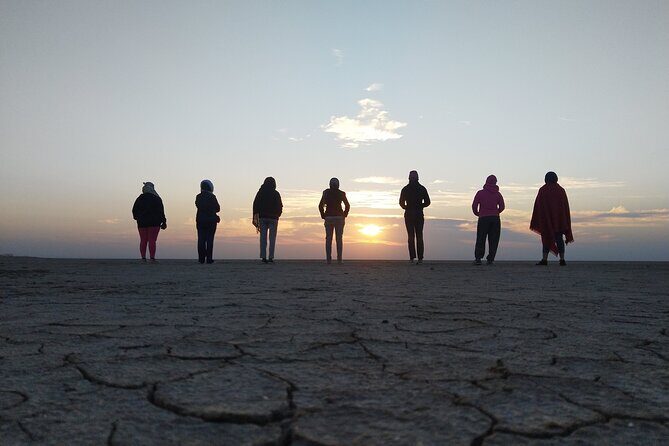
- White Desert sunrise and sunset: the salt flats go from pale to dramatic depending on light
- Kalo Dungar panorama: the bird’s-eye view from Black Hill (462 m) is a real payoff
- Desert night energy: night visit in the desert, plus a campfire, music, and garba
- Kutch culture close-up: Bhujodi craft park and Vijay Vilas Palace area before Mandvi beach
How this 3-day Kutch run really starts in Ahmedabad
You meet in Ahmedabad late at night, with a 10:00 pm start time. That matters because you’re not just sightseeing when you wake up; you’re already moving toward the Kutch experience. If you’re the type who likes to ease into travel with a relaxed breakfast, this won’t be that. But if you like catching the day’s best light out in the field, it’s a smart setup.
The transport is covered with an air-conditioned vehicle, which is a big deal for a route that’s heavy on driving days. You’ll also be traveling in a group of up to 15, which keeps things organized without feeling like cattle herded through stops.
You can also read our reviews of more tours and experiences in Ahmedabad.
Dholavira: UNESCO Harappan ruins, museum time, and fossil wood
Dholavira is the anchor of the whole trip. It sits around 380 km from Ahmedabad in the Khadir bet area surrounded by the Great Rann of Kutch. When you arrive, you’re not just looking at ruins—you’re stepping into a living timeline of the Indus Valley Civilization.
Here’s what makes Dholavira worth your time:
- You get the Dholavira Harappan site plus the archaeological museum included in the schedule.
- The site is described as the second largest Harappan site in India and the fifth largest in the sub-continent, spanning roughly 2900 BC to 1500 BC.
- You also stop at Wood Fossil Park, where you’ll see wood fossils dated around 17 million years old.
I like this combination because it breaks the monotony of “ancient ruins” into different flavors. The Harappan archaeology gives structure and meaning. The fossil wood gives scale and surprise. If you’re someone who likes to understand how places connect over time, Dholavira does that.
Practical tip: plan for sun and wind. Even when you’re not far from water or sand, the air can feel dry, and you’ll be outside for viewpoints and short walks.
Chhipar Point and the Road to Heaven: easy walking, strong views
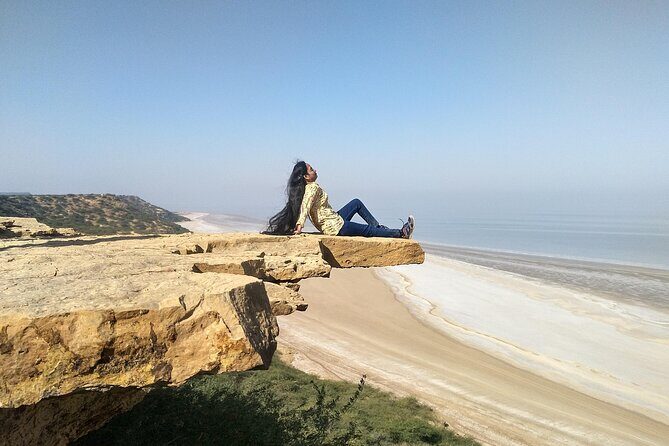
After the main archaeological focus, the tour shifts into viewpoint mode. You’ll do a short hike around Chhipar Point, described as a cliff point that extends toward the desert, giving you a wide view from the top. It’s short, but it’s the kind of walk where footing matters—think steady shoes and no hero jumps for photos.
You’ll also visit the Dholavira Road stop, the connection route between Dholavira and Khadir bet. This is noted as a great place for sunrise and sunset views. You’re basically watching the desert change color while the salt-sky light does its thing.
If you’re going to spend money on anything during this trip, I’d rather you spend it on better time management than extra activities. These two viewpoint stops are already built for best-light moments.
Dholavira’s wider Khadir bet feel: more than the main site
The plan also includes time for unexplored places in and around Khadir bet. That’s important because Dholavira can otherwise feel like a checklist: ticket, walk, quick photos, and done.
With those extra areas, you get a better sense of how remote and open the surroundings are. The Rann of Kutch isn’t just a single photo location. Depending on season, it changes dramatically—winter and summer are described as White Desert territory, while monsoon brings the Lake of Rann of Kutch.
I won’t pretend you control the weather, but you can control your mindset. Treat these stops as part of the journey, not only the destination.
Kalo Dungar and the White Desert: panoramic views and real salt-flat magic
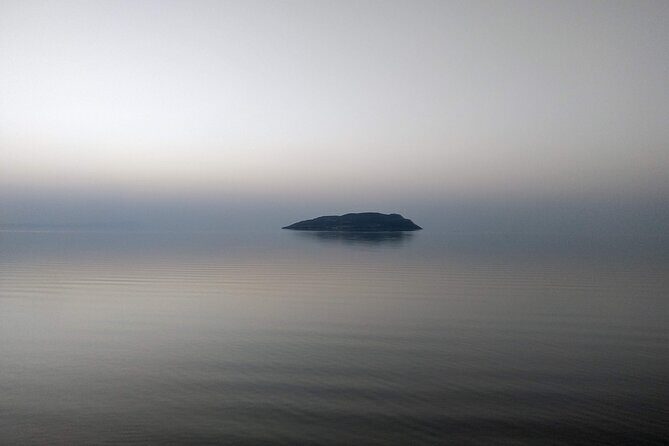
Day two is where the trip becomes pure scenery. You start with Kalo Dungar (Black Hill), the highest point of the Kutch region at 462 meters. The payoff here is the panoramic view over the Great Rann of Kutch. If you’ve ever wanted a moment where you stop thinking and just look, this is that moment.
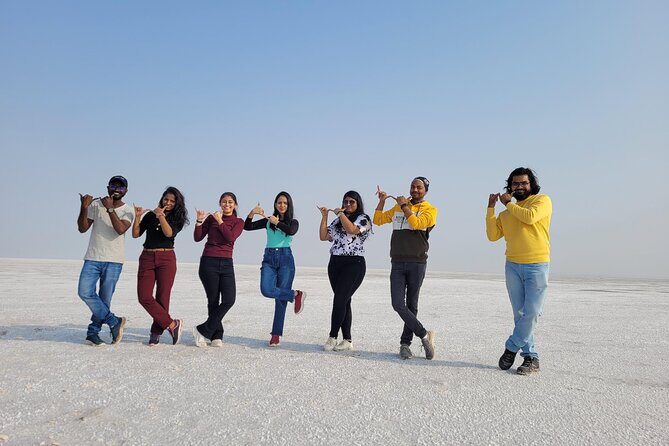
Then you move into the White Desert experience. The schedule specifically ties it to the Rann Utsav season (organized by Gujarat Tourism, typically November to February). The focus is on festivities and culture around the salt marsh near Dhordo, with people and energy that make the White Desert feel more human than just scenic.
What I like about this pairing is that it protects you from “one-note sightseeing.” Kalo Dungar gives height and scale. The White Desert gives texture and color under changing light.
Small reality check: salt marsh areas can be cold at times (especially around winter). Even if you feel warm earlier in the day, the wind can cut.

Desert night plans: campfire, music, and garba under open sky
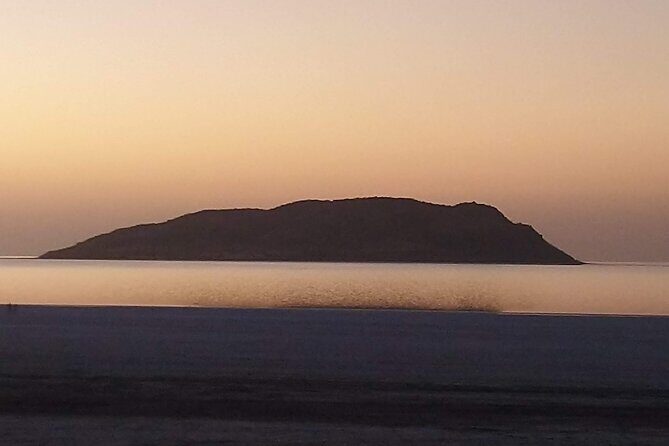
The tour includes a night visit in the desert, plus a campfire and music and garba experience. This is one of the most memorable parts of Kutch tours, because it turns a big empty place into a shared celebration.
This is also where the small-group vibe matters. When you’re on a salt flat, there’s not much to do besides watch the sky, listen, and stay present. A campfire setup helps you shift from sightseeing mode into bonding mode.
I’d recommend you dress in layers for the night. You’ll be outside, and your “day clothes” might not work when the temperature drops.
Bhuj culture stops: Kachchh craft park and Vijay Vilas Palace
Before the trip wraps on the coast, you transition into Bhuj-area culture and calmer pacing. You visit the Hiralakshmi Memorial Craft Park in Bhujodi village. The idea here is simple: local artisans get space to display their work and sell directly to visitors.
Then there’s Vijay Vilas Palace, built in 1929 by Rao Vijayrajji, about 8 km from Mandvi. It’s noted as well maintained and used in Bollywood filming. Architecture is described as red sandstone in the Rajput style. The palace isn’t free in the plan, though: the entry ticket is 50 INR and isn’t included.
For me, this is a good mix because the first half of the trip is mostly outdoors. Craft and palace stops help you breathe, reset your legs, and still keep the cultural thread.
Mandvi beach finale: pure blue water and a slower last hour
The tour ends at Mandvi beach. It’s described as having water that’s a pure blue and crystal clear. You’ll have about an hour here, which is not enough time to make it a full beach day, but it’s enough time to land the trip properly.
This finish works because the trip’s first two days are extreme scale—ruins, salt flats, viewpoints, and night desert. Mandvi gives you something easier: horizon, sea air, and a softer pace.
If you’re sensitive to wind, keep a light layer handy even if it’s warm earlier.
What’s included (and what it means for value)
The tour price is $903.25 per group (up to 4) for about 3 days. That’s not cheap on paper, but it becomes easier to swallow when you look at what’s bundled.
Included highlights:
- Air-conditioned vehicle
- All fees and taxes
- Accommodation: homestay/resort in 2/3 sharing bhunga/cottage
- Rann permit
- Local guide
- Meals: 2 breakfasts, 2 lunches, 2 dinners
- Ticketed inclusions across the Dholavira and desert stops
Not included (important if you budget tightly):
- Vijay Vilas Palace entry (50 INR)
- Vande Mataram Memorial entry (200 INR)
The practical value here is that you’re not paying separately for the Rann permit and most of the site admissions. Also, meals and on-the-ground guiding are included, which saves you both time and decision-making energy.
And there’s one more value piece that shows up in the way the tour is run: a tour setup that tries to keep things coordinated. People have specifically praised point-of-contact help and smooth planning—this matters when you’re traveling in remote areas where you don’t want to be solving problems yourself.
Accommodation reality: homestay/cottage sharing and what to expect
You stay in homestay or a resort, with 2/3 sharing in bhunga/cottages. The schedule doesn’t give more detail than that, so I can’t promise how modern every room will feel. But sharing usually keeps costs down on tours like this, and it fits the idea of a community-based experience.
What you can do: pack for dust and sun. Even if your accommodation is clean, the environment is dry and sandy. Bring a small bag for toiletries and basics you’ll want immediately after long outdoor stretches.
Timing, pace, and the one drawback to weigh
The main drawback isn’t one “bad” stop. It’s the overall pace and travel. Dholavira is 380 km from Ahmedabad, and the plan includes multiple viewpoint moments plus a desert night. That adds up.
So this is a great tour if you can handle:
- early starts and late meeting time (10:00 pm in Ahmedabad),
- outdoor time in wind and sun,
- short walks like Chhipar Point.
This may not be the best fit if you want a super relaxed vacation with long recovery breaks in between major drives.
Also, remember the experience requires good weather. In poor conditions, the plan may change and you’ll likely be asked to adjust expectations.
Who this tour suits best in real life
This tour fits best if you:
- want a mix of UNESCO archaeology and desert experiences in one package,
- enjoy early-light and late-night moments,
- like culture stops like Bhujodi craft park and Mandvi beach rather than only monuments,
- don’t want to manage permits and admissions on your own.
If you’re traveling with a group of up to 4, the pricing is especially attractive because it’s per group, not per person by default. And with a maximum of 15 travelers, the setup typically feels manageable.
If you’re someone who hates driving days, you might still enjoy it, but you’ll need to mentally commit to the idea that part of the trip is simply getting from one dramatic setting to the next.
Should you book this Kutch tour?
I’d book this tour if your wish list includes Dholavira’s Harappan site, sunrise/sunset in the White Desert, and a real desert night with campfire and garba—then you want Bhuj culture and a Mandvi beach finish without juggling tickets and logistics.
Skip it (or at least look closer at alternatives) if you want lots of downtime, dislike long drives, or can’t handle weather-dependent outdoor experiences.
One smart move before you go: confirm who your local guide or point of contact is. In past experiences, names like Chintan and team leaders such as Krishna Lakhwani have come up as helpful and cooperative. You won’t control who you get, but asking the company who’s with your group is a quick way to make the trip feel smoother from the start.
FAQ
How long is the Multi-Day Tour to Dholavira and Rann of Kutch?
It runs for 3 days (approx.).
What is the starting meeting time in Ahmedabad?
The meeting start time is 10:00 pm.
What is the price for the tour?
The price is $903.25 per group, and the group size can be up to 4.
Is pickup offered?
Yes, pickup is offered.
What meals are included?
You get 2 breakfasts, 2 lunches, and 2 dinners.
Are the Rann permits included?
Yes, the Rann permit is included.
What entry tickets are not included?
The Vijay Vilas Palace entry ticket (50 INR) and the Vande Mataram Memorial entry ticket (200 INR) are not included.
What is the group size limit?
The tour has a maximum of 15 travelers.
Is the tour dependent on weather?
Yes, the experience requires good weather, and if it’s canceled due to poor weather, you’ll be offered a different date or a full refund.