REVIEW · AHMEDABAD
Heritage & Cultural Walk of Ahmedabad (2 Hours Tour)
Book on GetYourGuide →Operated by Yo Tours · Bookable on GetYourGuide
Ahmedabad rewards slow walking. This 2-hour Heritage & Cultural Walk of Ahmedabad is built for getting your bearings fast: UNESCO-city context, Gandhi’s lived-in story, and old lanes that show how daily life actually moves. It’s led by Yo Tours with English and Hindi storytellers who keep the pace lively without turning it into a lecture.
I especially like the mix of history plus gossip-level storytelling—fun facts, side characters from past and present, and those slightly spicy tales about defunct royals. I also love that you’re taken into hidden lanes and forgotten corners, not just the postcard stops, plus you get local tips aimed at saving money.
One real consideration: timing and show-up reliability. A couple of reviews describe the guide not arriving and wait times of 45 minutes, so you’ll want to double-check the meeting plan and keep your phone ready on the day.
In This Review
- Key things I’d plan around before you go
- Why a 2-hour walking tour is the right length for Ahmedabad
- Your guide: English + Hindi storytelling that keeps it moving
- UNESCO World Heritage City: what you actually gain on foot
- The Gandhi residence stop: why it’s more than a photo stop
- Manek Chowk market time: shopping energy without the chaos spiral
- Hidden lanes and forgotten corners: where the city feels real
- Pace, openings, and what can go wrong (so you can avoid it)
- Price and value: what $28 buys you (and what it doesn’t)
- What to bring: the simple gear that makes the walk pleasant
- Who this Heritage & Cultural Walk is best for
- Should you book this Ahmedabad walking tour?
- FAQ
- How long is the Heritage & Cultural Walk of Ahmedabad?
- How much does the tour cost?
- Where is this tour offered?
- What’s included in the tour price?
- Are hotel pickup and drop-off included?
- Is a water bottle provided?
- What should I bring?
- What languages are the guides?
- Can I reserve and pay later?
- What is the cancellation policy?
Key things I’d plan around before you go
- UNESCO context for Ahmedabad: you get citywide background on foot, not just site-to-site photos.
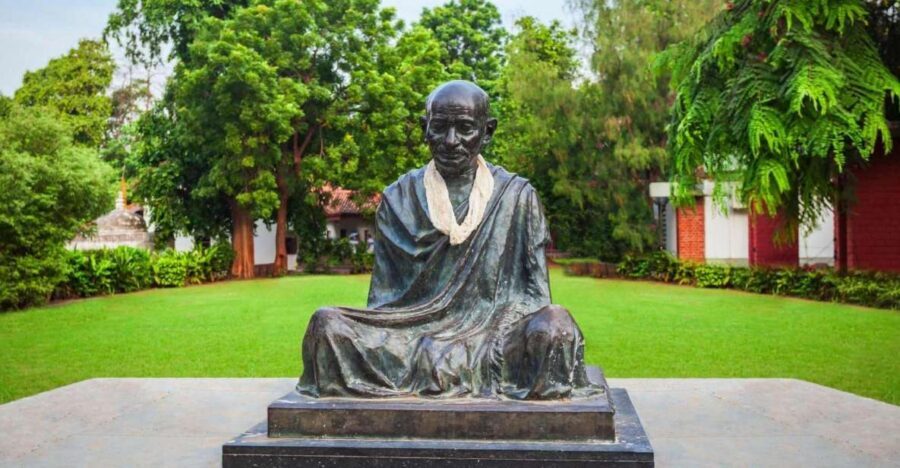
- Gandhi’s residence stop: a major moment in the walk that grounds the whole city story.
- Manek Chowk market experience: a hands-on look at market life in central old town.
- Hidden lanes access: you’ll trade main streets for narrow passages where the city feels lived-in.
- Bilingual guides (English/Hindi): helps you follow the stories and ask questions.
- A couple of timing red flags: one or two reviews mention missed opening times and one mentions no guide arrival.
Why a 2-hour walking tour is the right length for Ahmedabad
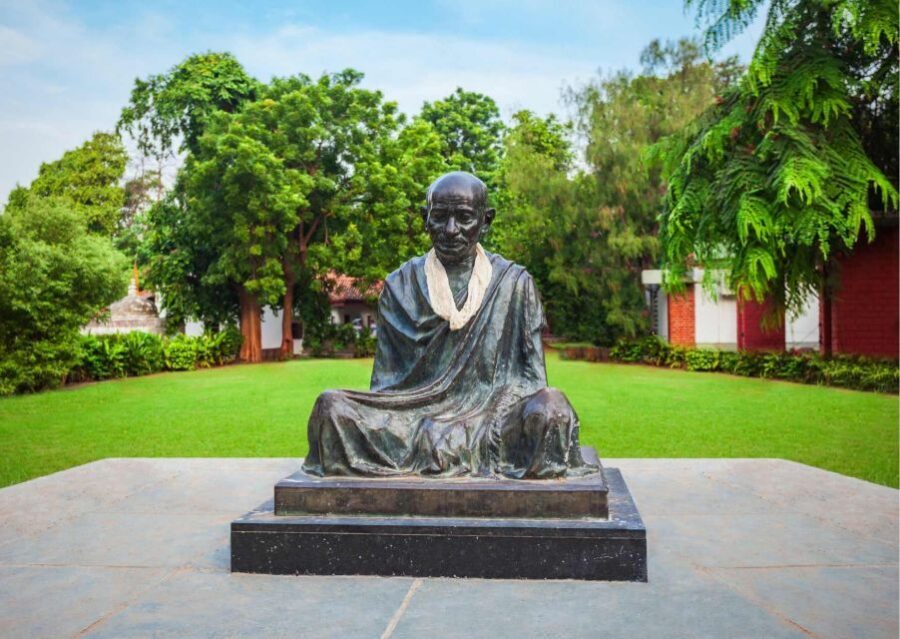
Ahmedabad can feel big and spread out, but the old core has a different rhythm. A 2-hour walk is long enough to orient you to the city’s layout and themes, without draining you before you see anything else that day. You also get the benefit of “thinking on your feet”: the guide’s stories connect architecture, religion, and market life while you’re still standing in front of the clues.
This is the kind of tour that works best when you want a first impression you can build on later. You leave with names to remember, streets to recognize, and a clearer sense of what you should prioritize next—whether that’s markets, heritage buildings, or places tied to Gandhi’s legacy.
You can also read our reviews of more walking tours in Ahmedabad

Your guide: English + Hindi storytelling that keeps it moving
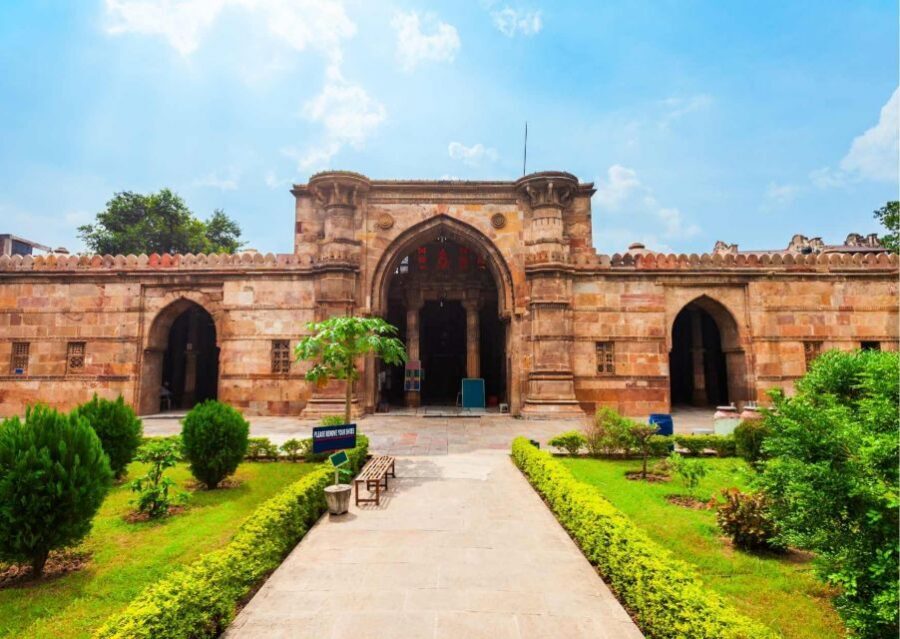
The tour’s core strength is the guide-as-storyteller approach. You’ll have a guide who can speak English and Hindi, which matters because you’re not just listening to facts—you’re following a thread. The guide uses a mix of historical explanation and entertaining anecdotes, including mildly scurrilous talk about past and present celebrities and defunct royals.
That style is more than entertainment. It helps you remember the big picture. When you hear how people in different eras viewed power, faith, and public life, you start noticing similar patterns in the street layout and building character. Add in fun facts plus must-do recommendations, and the tour becomes a quick education tool you can use immediately.
A practical note: one review mentioned the guide being very new and missing crucial opening times for a few spots. That doesn’t mean the tour is broken, but it does mean you should show up ready to move at the scheduled pace and not expect everything to be guaranteed to be open on arrival.
UNESCO World Heritage City: what you actually gain on foot
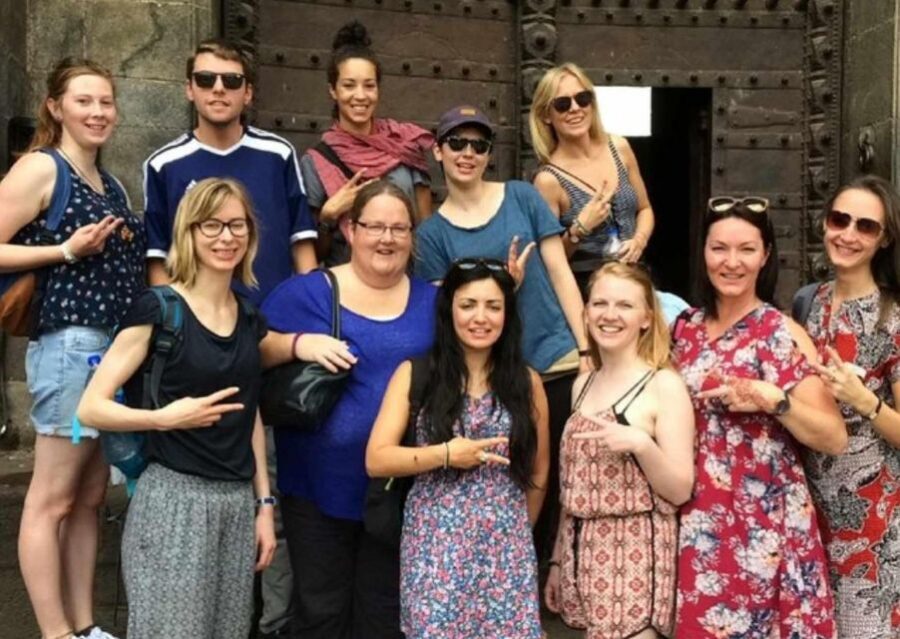
The walk explicitly targets Ahmedabad as a UNESCO World Heritage City, but you shouldn’t expect a dry certification tour. On a walking route, UNESCO status becomes useful when it explains why the old town looks the way it does—how heritage doesn’t sit behind fences, but lives alongside daily habits.
Here’s the advantage of learning this while walking. You’re in the street-level environment where the heritage buildings, trade routes, and community spaces overlap. So when the guide places the city’s story in context, you can connect it to what you see: old neighborhoods shaped by commerce, religious diversity reflected in local places of worship, and architecture that carries identity.
If you only read about the city later, the story can feel abstract. On this tour, the guide’s explanation is attached to real corners, real textures, and real crowd patterns. That’s when the UNESCO label stops being just a fact and starts being a map for how to look at Ahmedabad.
The Gandhi residence stop: why it’s more than a photo stop
A standout highlight is a visit to the serene abode where Mahatma Gandhi lived and propagated his ideologies. This is the kind of stop that changes how you interpret the whole trip. In Ahmedabad, Gandhi-related themes aren’t just “history”; they act like a lens for public life and moral storytelling.
What you’ll likely feel (and what I’d use this stop for) is a shift from sightseeing to meaning. A guided visit gives you phrasing and context—why this place mattered, how Gandhi’s ideas connected to community behavior, and how that legacy became part of the city’s self-image. Even if you know Gandhi broadly already, a local guide can help you understand how Ahmedabad’s version of that story shows up in everyday culture.
Drawback to keep in mind: opening times and the ability to see everything fully can depend on the day and the exact route timing. One review noted that crucial opening times were missed for a few spots. So if this Gandhi stop is the “must” for you, plan your day so you’re not rushing immediately afterward.
Manek Chowk market time: shopping energy without the chaos spiral
The tour calls out Manek Chowk as a market highlight, and that’s smart. Manek Chowk is the kind of place where your senses get dragged into the action: noise, movement, storefront glow, and people doing normal business like it’s the center of the world. A guide matters here, because you’re not just walking through crowds—you’re learning what to notice.
I like that the tour doesn’t frame markets as a museum experience. Instead, it treats them as living systems. You’ll come away with a clearer sense of what people buy, why this market area has staying power, and how old-town commerce supports the city’s culture.
Also: one positive review specifically said the tour gave a good impression of history in just 2 hours, including architecture, religions, and markets. Manek Chowk is likely part of that “markets + context” mix, and it’s exactly the kind of location where you can start building your own shopping strategy afterward.
You can also read our reviews of more historical tours in Ahmedabad


Hidden lanes and forgotten corners: where the city feels real
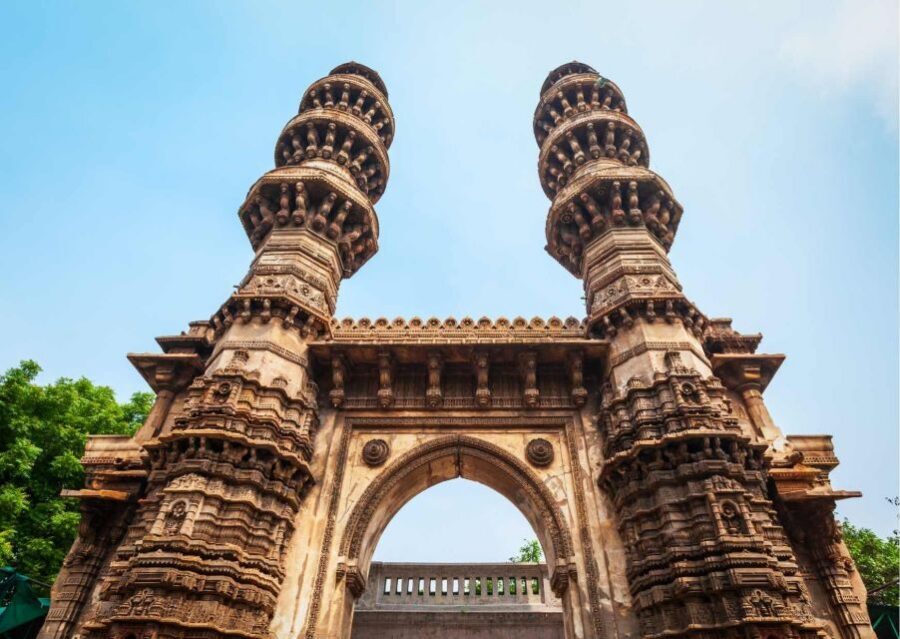
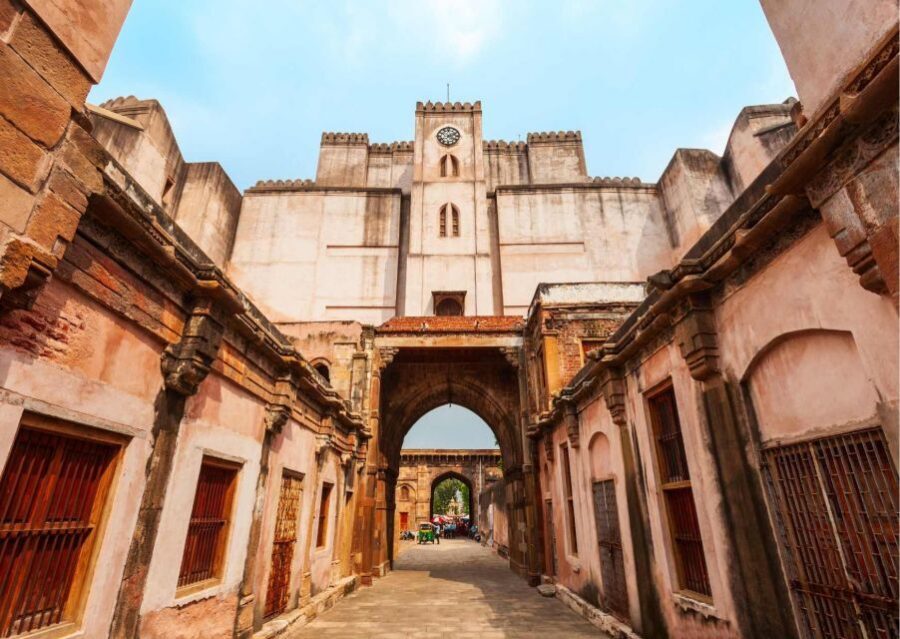
The tour includes access to hidden lanes and places, plus coverage of hidden spots and forgotten nooks of the old city. This is the part that usually makes a walking tour worth the effort. If you stick to main streets, you see Ahmedabad like a driver. In the lanes, you see it like a neighbor.
The guide’s job here is key. You won’t just “walk down narrow streets.” You’ll hear stories about what you’re passing: small details that explain why some areas feel more communal, others more commercial, and others more religious. It also helps with navigation. After a good lane experience, you start recognizing the city’s geography without needing a map every five minutes.
One more benefit: the tour is designed as an induction. That means you’re not only collecting sights. You’re learning how to move around the old town and what types of streets and places are worth revisiting later.
Pace, openings, and what can go wrong (so you can avoid it)
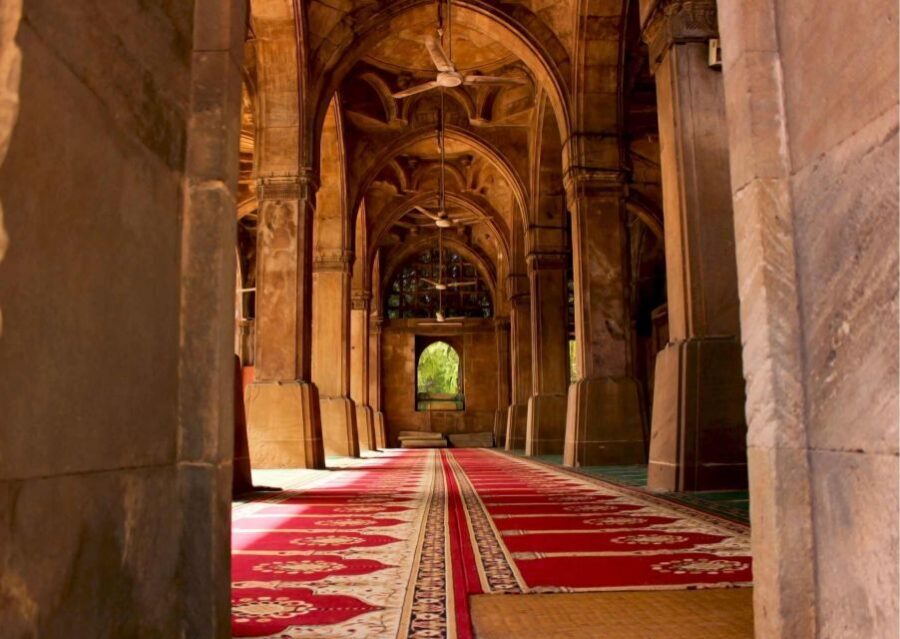
The pace gets called out positively in one review: a reasonable tempo that kept the walk engaging. That’s important in old towns, where you’re constantly stopping, scanning, and negotiating narrow passages with other pedestrians.
Still, there are two issues you should plan around:
1) Opening times may affect what you see. If a stop depends on hours, a late start (or a quick pace that doesn’t fit the schedule) can mean you miss some interiors. One review mentions missing crucial opening times for a few spots due to the guide being new.
2) Show-up reliability is a concern. Two reviews mention the guide never showing up, including one where the traveler waited 45 minutes and was still waiting for a refund. That’s serious enough that you should take precautions.
My practical advice: on the day, confirm your meeting point and keep enough buffer time that a delayed start doesn’t ruin your whole schedule. If you’re traveling with tight plans, don’t book this as the only activity of the day.
Price and value: what $28 buys you (and what it doesn’t)
At $28 per person for a 2-hour guided walk, you’re paying for more than walking with someone. Included benefits are:
- a storyteller/guide who speaks English and Hindi
- local tips and recommendations to save money
- access to hidden lanes and places
- conversations and interesting stories
That makes the price feel reasonable if you care about context and guidance, not just motion. The guide’s role is to connect the sights into a usable mental map. And because you’re getting local tips, the tour can pay for itself quickly if you follow their recommendations for where to eat, shop, or spend your time.
What’s not included also matters:
- no hotel pickup/drop-off
- no water bottle
So factor those costs into your day. Bring your own water and plan how you’ll get to the start point.
What to bring: the simple gear that makes the walk pleasant
The tour’s “do this” list is short, and that’s good. You should bring:
- comfortable shoes
Old-town walking can be uneven and slow by nature. Comfortable shoes aren’t optional if you want to enjoy the lanes without ending up with sore feet before the market portion.
I’d also recommend you pack a small personal water supply since the tour doesn’t provide a bottle. Beyond that, keep your day simple: one bag you can manage comfortably in crowded streets.
Who this Heritage & Cultural Walk is best for
This tour is a good fit if you want:
- a first impression of Ahmedabad that goes beyond obvious sights
- a guided explanation of how heritage, faith, and markets connect
- a route that includes lanes and corners you’re unlikely to stumble into on your own
- bilingual guidance so you can follow stories smoothly in English or Hindi
It’s also a decent choice if you like tours with personality. The mild celebrity-and-royal talk style is clearly part of the product, and some people will find that entertaining rather than distracting.
If you’re the kind of traveler who needs highly predictable reliability with zero uncertainty, the show-up issues mentioned in reviews are a reason to think twice or plan extra buffer time.
Should you book this Ahmedabad walking tour?
I’d book it if you want a short, story-driven orientation to Ahmedabad’s old town, especially if the Gandhi residence stop and Manek Chowk matter to you. The value is in the guide’s storytelling, the hidden lane access, and the practical local tips you can use right away.
I wouldn’t book it as a single-point-of-failure activity. Because a couple of reviews mention the guide not arriving and another mentions missed opening times, build in time and confirm the start details. If your schedule is flexible and you’re comfortable with a lively street-walk experience, this can be a smart, memorable way to understand Ahmedabad fast.
FAQ
How long is the Heritage & Cultural Walk of Ahmedabad?
It’s a 2-hour walking tour.
How much does the tour cost?
The price is $28 per person.
Where is this tour offered?
It’s in Gujarat, India, focused on Ahmedabad’s old town.
What’s included in the tour price?
A storyteller/guide who can speak English and Hindi, local tips and recommendations, access to hidden lanes and places, and guided conversations and stories.
Are hotel pickup and drop-off included?
No. Hotel pickup and drop-off are not included.
Is a water bottle provided?
No. Water Bottle is not included.
What should I bring?
Comfortable shoes.
What languages are the guides?
The tour guides can speak English and Hindi.
Can I reserve and pay later?
Yes. You can reserve and pay later, with the option to book your spot and pay nothing today.
What is the cancellation policy?
You can cancel up to 24 hours in advance for a full refund.