REVIEW · VARANASI
Marigold Boat trip to feel Kashi
Book on GetYourGuide →Operated by marigold boat tour · Bookable on GetYourGuide
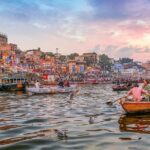
Getting up early in Varanasi feels like a small adventure. This Marigold Boat Trip to Feel Kashi turns the Ganges into a living classroom, where you watch sunrise and glide past famous ghats, ceremonies, and riverside palaces with clear English guidance.
Two things I especially liked: first, seeing the main ghats from the water, including both everyday ritual areas and the cremation ghats; second, the way the guide ties what you see to Varanasi’s culture and spirituality. The one thing to consider is timing and conditions: this is an early-morning trip, and fog can make the scene quieter and a little harder to see—but it also changes the mood.
In This Review
- Key things you’ll notice on this Feel Kashi boat trip
- Why this sunrise boat beats the big tourist-boat experience
- Getting on the water: sunrise mood, fog, and a steady guide
- Seeing all the main ghats: a river map you’ll remember
- Dashashwmedh Ghat: why it’s the first stop for most people
- Munshi Ghat and Darbhanga Ghat: everyday sacred, not just big ceremonies
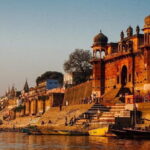
- Riverside palaces: the beauty is real, and it’s not just decoration
- Cremation ghats from the boat: Manikarnika and Harishchandra with respect
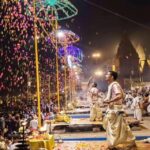
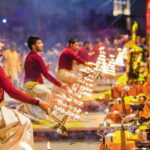
- Rituals and ceremony on the river: what you can actually watch
- How the English live guide changes the whole experience
- Price and value: why $19 can make sense here
- Timing and comfort for a 2-hour morning cruise
- Who should book the Feel Kashi boat trip
- Should you book Marigold’s Feel Kashi boat trip
- FAQ
- Where does the Marigold boat trip take place?
- How long is the boat trip?
- What does the tour include?
- Will I see sunrise?
- Which ghats will we pass during the trip?
- Is there a guide, and is English available?
- How much does it cost?
- Does this trip run in bad weather or fog?
- What is the cancellation policy?
Key things you’ll notice on this Feel Kashi boat trip
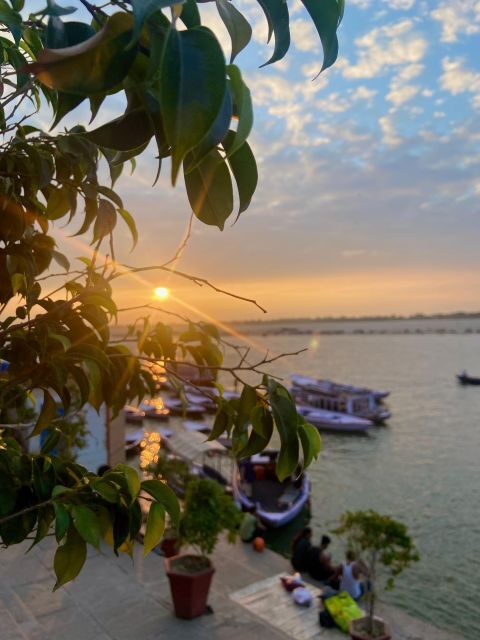
- Sunrise on the Ganges with a calm start to the day
- All the major ghats you expect to see, including Dashashwmedh and Munshi
- Cremation ghats such as Manikarnika and Harishchandra, handled with respect
- Rituals and ceremonies you can actually watch from the river
- Riverside palaces that look different when you float past them
- English live guide who explains history, culture, and meaning, not just names
Why this sunrise boat beats the big tourist-boat experience
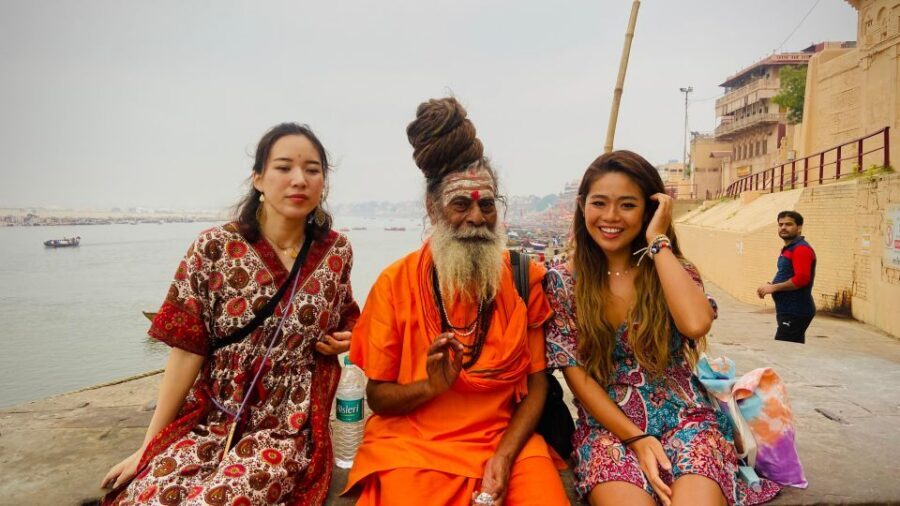
Varanasi is famous for intensity. From the water at sunrise, it feels less like a show and more like a daily rhythm. In a shorter 2-hour window, you get a lot of the Ganges story without spending your morning stuck in land-walking crowds.
What makes this tour work is the pacing and perspective. You’re not just passing sights; you’re learning what those sights mean. That’s why the early start pays off: when the river is quieter, the ceremonies feel less like spectacle and more like practice.
You’ll also notice the “feel” of the boat experience. People often look for the big, loud tourist setup; this trip tends to feel more personal, and you can end up in a smaller group depending on the day.
You can also read our reviews of more boat tours in Varanasi

Getting on the water: sunrise mood, fog, and a steady guide
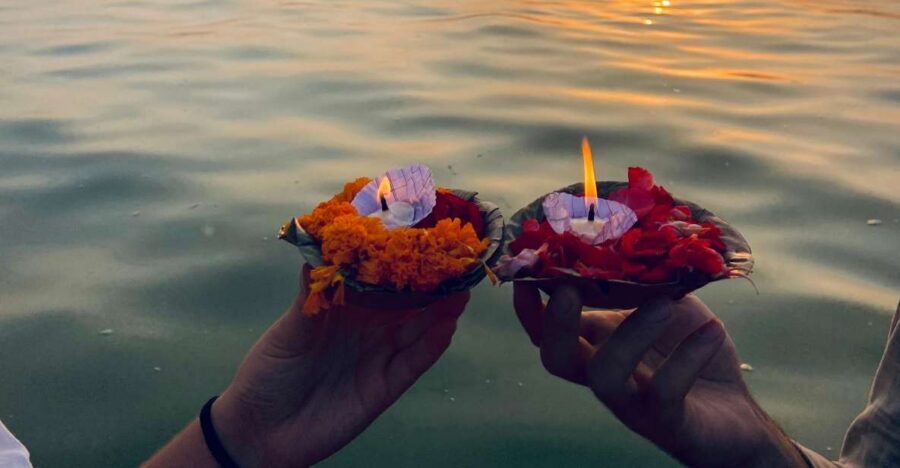
This trip is designed around sunrise. That means you’ll be out when the light is still soft and the city is waking up in layers—sound first, then movement, then the full reveal of the ghats.
On some mornings, fog can roll in. When it does, the Ganges becomes more atmospheric and less cluttered. I’d treat fog as a feature, not a failure. The guide’s job is to keep you oriented and connected to what’s happening even when the background fades.
The live English guidance matters here. You get names, yes, but you also get context—spiritual purpose, cultural background, and what Varanasi is facing today. That combination makes the scenery click, even if you’re seeing it for the first time.
Seeing all the main ghats: a river map you’ll remember
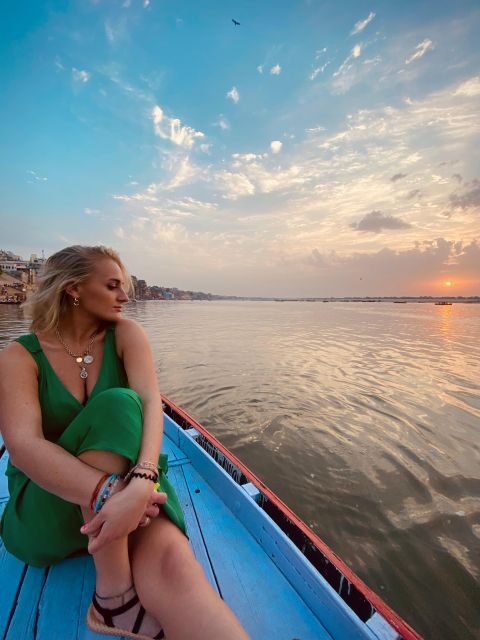
A lot of Varanasi tours promise ghats. This one builds a proper viewing route from the river so you can recognize the city as a system. You’ll glide past multiple sections of the riverfront, including both famous ceremonial zones and the areas people associate with cremation.
Here’s how that helps you: ghats can feel like isolated photos when you’re walking. From the water, they read as a connected shoreline. You start to understand why different spots matter to different parts of life—worship, daily routine, and rites tied to death and release.
Dashashwmedh Ghat: why it’s the first stop for most people
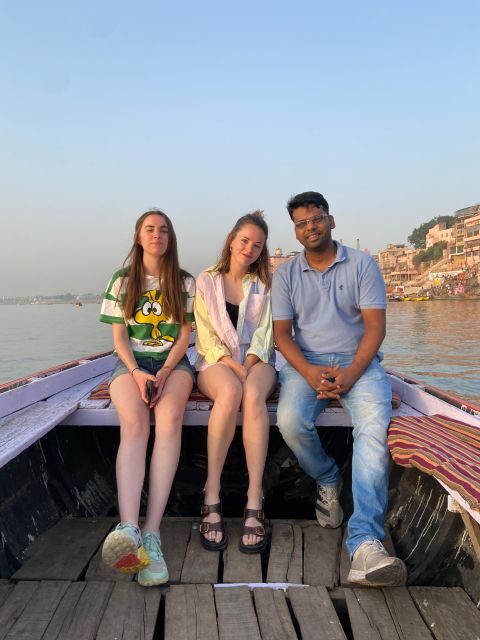
Dashashwmedh is the name you hear first when people talk about Varanasi. Seeing it from the river gives you a better sense of scale than looking at it from street level.
What you’ll likely notice is the intensity of activity around major ceremonial space. The guide explains the history and the cultural meaning tied to the rituals there. Even when you don’t fully catch every spoken detail, the rhythm tells you what the space is for.
If you’re trying to understand Varanasi beyond postcard religion, Dashashwmedh is a key anchor point. It sets the tone for the rest of the cruise.
Munshi Ghat and Darbhanga Ghat: everyday sacred, not just big ceremonies
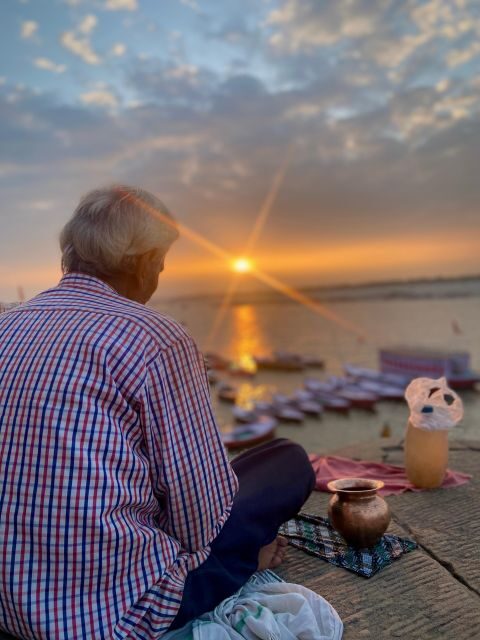
After the headline ghats, the tour moves through sections like Munshi Ghat and Darbhanga Ghat—places that help balance the experience. Big ceremonies are one side of Varanasi; constant life along the water is the other.
From the boat, you’re in a great position to see how the riverfront functions. You can watch how the shoreline becomes a working religious space, where people come and go with purpose.
These stops are also where your guide’s explanations do real work. When you understand why a place exists on the river’s edge, the walking tour later (or your own future exploring) becomes far easier. You start to recognize what you’re looking at before someone hands you a map.

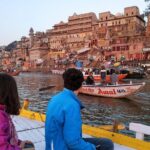

Riverside palaces: the beauty is real, and it’s not just decoration
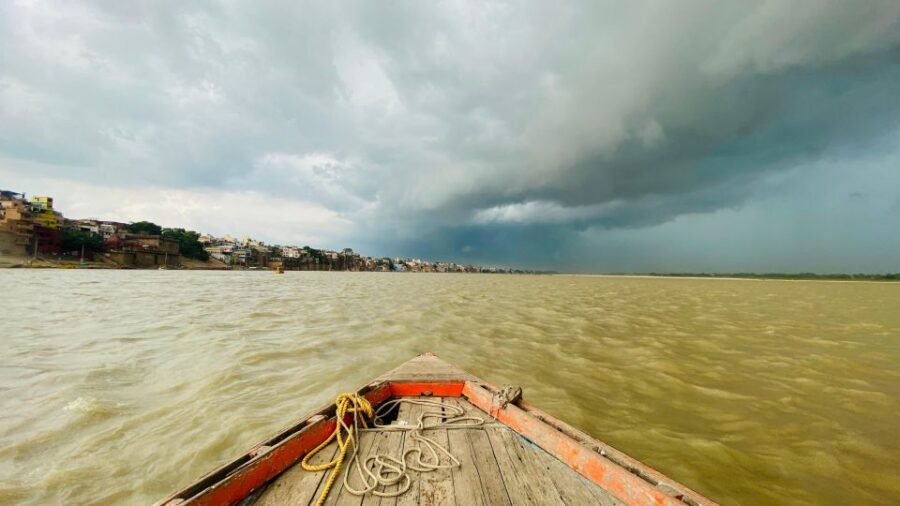
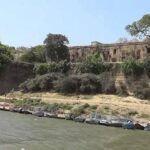
The highlights include beautiful palaces along the river side. Even if you don’t know every building’s origin, you’ll feel the shift in atmosphere when you pass the grander riverbank architecture.
Seeing palaces from the Ganges adds a layer most visitors miss. On land, they can look like isolated monuments. From the water, they look like part of the city’s relationship with the river—line, height, and river access all combine into a visual story.
If you like architecture but don’t want a full museum day, this is an efficient way to get that visual payoff during a ritual-focused morning.
Cremation ghats from the boat: Manikarnika and Harishchandra with respect
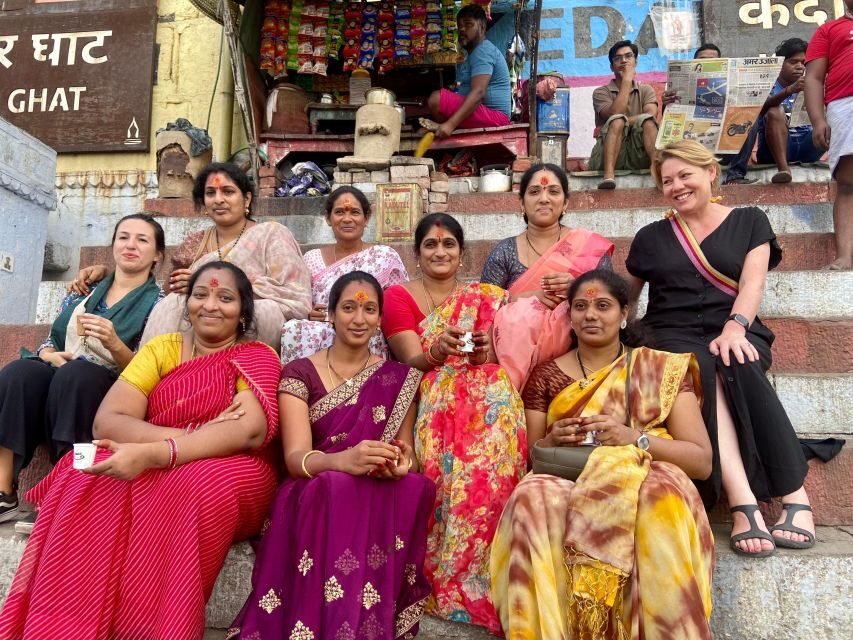
This is the emotional heart of the route. The tour includes cremation ghats such as Manikarnika and Harishchandra Ghat. These names carry weight, and the best part of this tour is that you’re not just seeing a dramatic scene—you’re getting cultural context while you’re looking.
A boat trip doesn’t make the subject easy, but it can make it clearer. You have distance and a stable viewing position. The guide’s role is important here: you learn the spiritual and cultural meaning tied to these rites, and that changes how you process what you see.
One practical consideration: this part of Varanasi is intense. You’ll want to be mentally prepared for a place connected to death rituals. If you’re sensitive to that topic, come anyway with the expectation that the guide will keep things respectful and explanatory rather than sensational.
Rituals and ceremony on the river: what you can actually watch
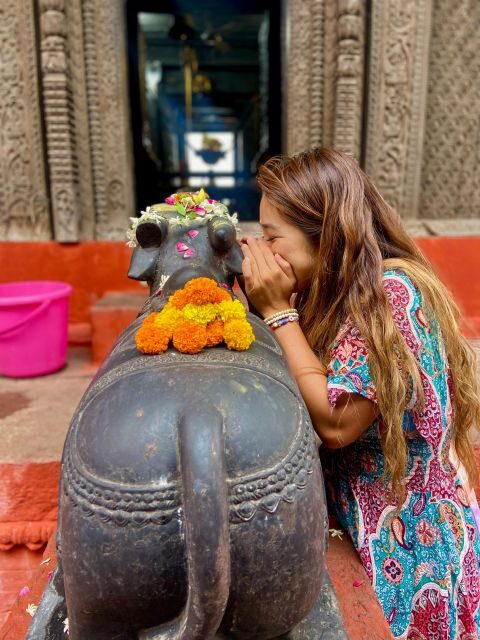
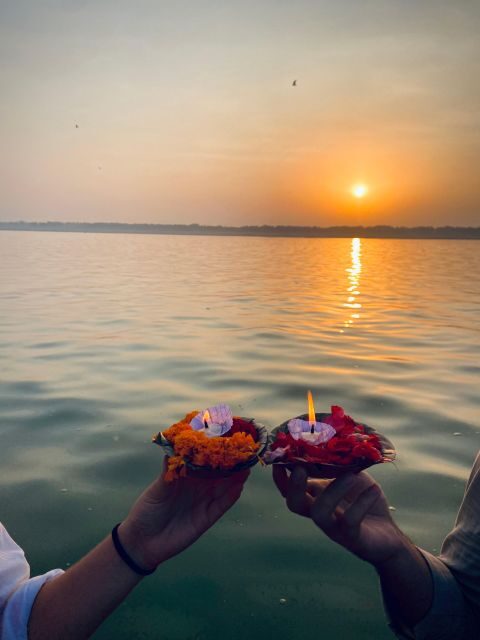
A sunrise boat is ideal for catching rituals without rushing between locations. As you pass the main ghats, you can observe how ceremonies unfold along the waterline.
The “what” you see is movement—people gathering, offerings, and the steady flow of daily religious life. The “why” is what makes the difference, and the guide provides that explanation in English.
From my perspective, the value here is not memorizing a list of names. It’s understanding the logic of place and practice: why the Ganges matters, why specific ghats play specific roles, and how the city’s spiritual identity shows up in ordinary routines.
How the English live guide changes the whole experience
Most sightseeing is visual. This experience is visual plus meaning. The tour runs with a live guide in English, which matters a lot when you’re trying to follow spirituality, history, and culture in real time.
What I like about the approach is that you’re not left with vague commentary. The guide explains history and culture around what you’re seeing, and you also hear about present challenges affecting Varanasi. That gives the morning a grounded feeling—spiritual, yes, but not ignorant of reality.
Also, the English quality gets praised. In practice, that means you can ask questions and still keep up with the flow, instead of just nodding along.
Price and value: why $19 can make sense here
At around $19 per person for a 2-hour guided sunrise boat ride, this price sits in the “good value” range because you’re paying for two things that are hard to assemble yourself: a structured river route and a guide who explains what you’re seeing.
If you try to DIY this, you’d still need transportation to the river area, you’d still want a good vantage point for the sunrise, and you’d still spend time figuring out what the ghats mean. Here, that work is handled for you.
Does it cover everything? No. It’s only two hours. But for the money, it gives you a high-information introduction to Varanasi’s religious geography.
Timing and comfort for a 2-hour morning cruise
The tour is short by design: 2 hours. That’s enough time to see the major ghats and get sunrise viewing, but not long enough to feel like a full-day plan.
Because it’s built around early light, you’ll want to dress for the morning and the fact that you’re on open air water. Bring layers, even if you’re visiting in warmer months—your comfort matters when you’re watching ceremonies and waiting for the sky to change.
If you’re the type who hates rushing, this works well because the guide’s explanations help you slow down mentally. You’re not just moving from photo spot to photo spot.
Who should book the Feel Kashi boat trip
This is a strong match if you want:
- A structured way to see Dashashwmedh, Munshi, Darbhanga and more without getting lost
- Sunrise views on the Ganges
- A guided explanation in English that connects rituals to culture
- A respectful look at cremation ghats like Manikarnika and Harishchandra
It’s less ideal if your priority is temple interiors, long land walks, or spending hours at one location. This is a river-focused experience, designed for seeing the shoreline story quickly but thoughtfully.
Should you book Marigold’s Feel Kashi boat trip
I think you should book it if you want a real sense of Varanasi’s spiritual geography in a short morning. The value is strong for the route coverage, and the guide-led context makes the sights feel meaningful rather than random.
If you’re nervous about cremation ghats, go in prepared. The tour includes them, and that’s central to the Varanasi experience it’s trying to help you understand. For many people, that preparation is exactly what makes the morning worth it.
FAQ
Where does the Marigold boat trip take place?
It takes place in Uttar Pradesh, India, on the Ganges in Varanasi.
How long is the boat trip?
The duration is 2 hours.
What does the tour include?
You get a boat trip to see sunrise and multiple ghats and palace views along the river, with full explanation by a live English tour guide.
Will I see sunrise?
Yes, the trip is set up to show a beautiful sunrise.
Which ghats will we pass during the trip?
You’ll see major ghats such as Dashashwmedh Ghat and Munshi Ghat, Darbhanga Ghat, and other ghats along the river. It also includes cremation ghats like Manikarnika and Harishchandra Ghat.
Is there a guide, and is English available?
Yes. The tour has a live tour guide and the language is English.
How much does it cost?
The price is $19 per person.
Does this trip run in bad weather or fog?
The trip is designed for early-morning viewing, and a guide has handled foggy conditions so the group could still go on the Ganges.
What is the cancellation policy?
You can cancel up to 24 hours in advance for a full refund.