Aarti lights up Varanasi at 3 pm, and this tour is built for smooth access. I love that you get Sugam Darshan support at Kashi Vishwanath (when tickets are available), and you’ll watch the river ceremony from a private balcony chair that keeps the chaos away from your camera arm.
That said, the big consideration is crowd pressure at Kashi Vishwanath. If Sugam access isn’t available on the day (often during high-crowd times), you can end up stuck in long lines and shoulder-to-shoulder waiting.
In This Review
- Quick highlights you can plan around
- Kashi Vishwanath Temple and Ganga Aarti: Why the 3-Hour Timing Works
- Getting In: Sugam Darshan at Shri Kashi Vishwanath Temple
- Manikarnika Ghat Stop: Watching the Burning Ghat With Respect
- Dasaswamedh Ghat: Legends, Scale, and Why This Ghat Is the Main Stage
- Dashashwamedh Ghat and the Ganga Aarti: How You’ll Watch the Ritual
- Price and Logistics: Is $49 Good Value Here?
- Practical Tips: How to Make This Evening Go Smooth
- Should You Book This Kashi Vishwanath and Ganga Aarti Tour?
Quick highlights you can plan around
- Sugam Darshan (subject to availability) for easier temple access on the day
- Private balcony seating designed for a clear Ganga Aarti view
- Licensed Ministry of Tourism guide who keeps the experience accurate and respectful
- A main ghat evening route with Dasaswamedh and Dashashwamedh areas timed for the ritual
- Tight 3-hour format that fits an early evening schedule without wasting time
Kashi Vishwanath Temple and Ganga Aarti: Why the 3-Hour Timing Works
This is a focused, evening-length plan in Varanasi, starting at 3:00 pm and running about 3 hours. The timing matters because you’re not just walking around hoping to catch the right moment—you’re scheduled to reach the temple first, then move toward the river for the evening ritual.
The tour also keeps the group small (up to 8 people) and private for your party. That’s a big deal here, where one wrong turn can turn into a long wait. With pickup and drop-off available by private vehicle (if needed), you also lose less time to navigating traffic and lanes.
You can also read our reviews of more tours and experiences in Varanasi.
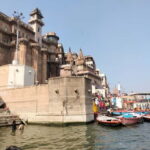


Getting In: Sugam Darshan at Shri Kashi Vishwanath Temple
Kashi Vishwanath is one of the most revered Shiva temples in India, and it’s famous for its spiritual pull and dense crowds. On this tour, the key value is that you’re aiming for Sugam Darshan at the temple, with an admission ticket included.
What that means for you on the ground: instead of treating the temple like a maze to solve, your guide helps you manage access and timing while you’re there. You’ll spend about an hour at the temple, with time to take in the temple atmosphere—its carvings, the sense of devotion all around you, and the architecture that pilgrims come to see.
One important caution: Sugam Darshan is not guaranteed every day. During festival periods or especially busy days, ticket availability can run out, and you may have to deal with longer lines and less reserved access. If you’re visiting at a peak time, treat the Sugam ticket as a bonus that could be unavailable rather than a sure thing.
Manikarnika Ghat Stop: Watching the Burning Ghat With Respect
Between the temple and the main ghat area, you’ll stop at Manikarnika Ghat, identified as the main burning ghat in Varanasi. This is a place tied to deep religious meaning: it’s considered the most auspicious spot for a Hindu cremation.
You’ll also learn the social context of how bodies are handled there. The information provided notes that outcast communities known as doms manage cremations, and that the process moves through old-town alleyways to the Ganges on bamboo stretchers, wrapped in cloth.
How to handle this stop as a visitor: keep your expectations grounded. This isn’t a “photo spot” stop. Go in quiet, respectful, and ready for the emotional weight of what you might see. If you’re sensitive to difficult scenes, this is the part of the tour where you should consider skipping photos and keeping your focus on the spiritual meaning your guide explains.
Dasaswamedh Ghat: Legends, Scale, and Why This Ghat Is the Main Stage
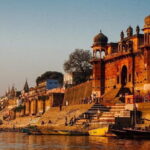
After Manikarnika Ghat, the itinerary shifts you to Dasaswamedh Ghat, described as the main ghat and one of the most spectacular along the Ganga. You’ll have about an hour here.
Two Hindu legends connect to this place. One story says Lord Brahma created the ghat to welcome Lord Shiva. Another legend ties the site to a Dasa-ashwamedha-yajna where ten horses are sacrificed. Your guide’s job here is to make those stories feel practical—so you understand why this ghat is treated like a central stage for evening worship.
What you’ll notice at Dasaswamedh: it’s built for crowds. That can be uncomfortable if you hate noise or pushing. The trade-off is that it’s also where the whole city’s devotion concentrates, so you’re seeing the river worship at its fullest scale rather than a smaller side ghat.
Dashashwamedh Ghat and the Ganga Aarti: How You’ll Watch the Ritual
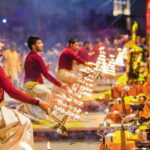
Evening in Varanasi is when the Ganga comes alive for worship. The tour centers the Aarti at Dashashwamedh Ghat, where Hindu worship includes offering light to deities. Aarti isn’t just the flame—it’s also the songs in praise of the deity while the lamps are offered.
You’ll learn that the Ganges is worshiped as a goddess, and the ritual includes a precise choreography. Several priests work through steps together while you hear bells, drums, cymbals, and Sanskrit mantras. Flower petals are also part of the offering at the river.
Where the viewing works for you: the tour includes a private chair in a private balcony with the best view of the Aarti. That’s not just comfort—it’s value. You’re protected from the worst of the standing crowd surge, and you’ll have a better chance of seeing the full sequence rather than just the head-and-shoulder top line.
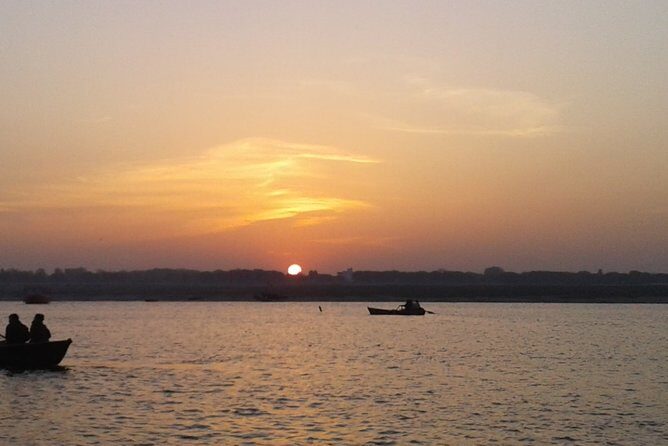
Boat viewing is also mentioned as an option: watching from the waterside in a boat. Since the plan includes reserved balcony seating, think of the boat as something your guide can help coordinate based on the evening flow and what’s practical on the day.



Price and Logistics: Is $49 Good Value Here?
At $49 per person for about 3 hours, this isn’t a budget “wandering around” deal. You’re paying for specific things that cost money in Varanasi: a professional private guide licensed by the Ministry of Tourism, admission support for the temple, and the reserved viewing setup for the Aarti.
The private balcony chair is a standout value piece. In crowded places, paying for a clear viewpoint is often the difference between enjoying the ritual and spending the evening frustrated. Add pickup and drop-off by private vehicle if you need it, and the tour feels designed to reduce wasted time in traffic and lanes.
A small-group cap (minimum 2, maximum 8) helps keep the experience personal. You also get mobile tickets and group discounts, which can reduce hassle and cost when you’re traveling in a small circle rather than solo.
One more practical note: this type of experience is often booked ahead. The average booking window listed is 49 days in advance, which is a hint that the reserved viewing and temple access support can be competitive. If your dates are fixed, don’t treat this as a last-minute plan.
Practical Tips: How to Make This Evening Go Smooth
Here’s how I’d set you up for a calmer, more meaningful evening.
- Plan for crowd intensity at Kashi Vishwanath. Even with Sugam support, it’s a major temple. Bring patience and expect lines to be part of the experience, especially during festival periods.
- Respect the cremation ghat stop. Manikarnika is tied to cremations and religious meaning. Keep your tone quiet, avoid blocking views, and remember this is not a casual sightseeing moment.
- Budget for ritual extras. Food, drink, and personal expenses on rituals are not included. If you want to participate with offerings, set aside cash for that part of the evening.
- Bring something simple for the evening. Weather can shift in river cities. Pack light layers so you’re not stuck fidgeting with your jacket while trying to watch the ceremony.
- If Sugam isn’t available, know what to expect. On high-crowd days, access support can be unavailable. In that case, lines may get long, and you may hear options framed around donations rather than reserved access. Your best move is to keep flexibility in mind when your visit date lands near a festival.
Should You Book This Kashi Vishwanath and Ganga Aarti Tour?
I’d book it if you want a guided, time-managed evening with real religious context, and you care about seeing the Aarti clearly. The combination of a licensed guide, temple admission support, and reserved balcony seating is what turns this from a “squeeze through and hope” plan into something you can enjoy.
Skip or rethink if you’re extremely crowd-sensitive or you’re not comfortable with the cremation ghat stop at Manikarnika. Also, if you’re traveling during a major festival window, go in knowing Sugam Darshan availability can change day to day—and your experience may feel more line-heavy.
If your priority is the Aarti view and a guided route that keeps things organized, this tour is a solid value for Varanasi.