REVIEW · BAGDOGRA
Explore North East India – Darjeeling Sikkim Road Trip
Book on Viator →Operated by I Am Himalaya · Bookable on Viator
Himalayan roads, monastery mornings, and tea country. This private Darjeeling-to-Sikkim road trip strings together far-flung viewpoints, Buddhist sites, and one classic ride on the Darjeeling Toy Train (steam engine). I like that it’s structured enough to keep the long drives from feeling chaotic, yet flexible enough to adjust the guide/driver setup if that’s what you want.
What I really like is the built-in support: pickup from Bagdogra (or nearby entry points), an English-speaking guide, and pre-arranged Inner Line permits so you’re not stuck filling forms mid-journey. Another plus is the pacing—two full days in Darjeeling sights, then the move to Gangtok for the Sikkim spiritual and city highlights.
One drawback to plan around: the schedule leans early and long. You’ll be up for Tiger Hill sunrise (car pickup around 3:30am), and you’ll also face multiple hours of driving on hilly roads. Also, lunch is not included, so budget time and money for it.
Key highlights worth clocking before you go
- Steam Darjeeling Toy Train plus time at Ghoom station and its railway museum area
- Tukvar Tea Estate tour with a tea garden and tea factory visit
- Tiger Hill sunrise setup, then a fast jump into Ghoom Monastery (Yiga Choeling)
- Gangtok days with major Sikkim stops: Rumtek Monastery, Tibetology, and Do Drul Chorten
- Permit help for Sikkim (Inner Line permit) and reminders for your exit stamp
- Service names you may hear for coordination include Rohan and Arpana, and drivers like Lapka Tamang in Gangtok
In This Review
- Bagdogra Pickup To Darjeeling: the easiest start
- Darjeeling Toy Train and Ghoom: a classic rail ride with context
- Tukvar Tea Estate: where Darjeeling’s flavor actually starts
- Tiger Hill sunrise and Ghoom Monastery: the early-morning payoff
- Himalayan Zoo, Mountaineering Institute, and optional Tenzing Rock
- The long drive to Gangtok: permits handled, but plan your patience
- Rumtek, Tibetology, and Do Drul Chorten: the Gangtok religious core
- MG Marg to take your bearings, then an easy ending at Bagdogra
- Price and logistics: what you’re really buying for $554.67
- Who this road trip fits best (and who should rethink it)
- Should you book this Darjeeling to Sikkim road trip?
- FAQ
- Where does the trip start and end?
- How long is the tour?
- Is lunch included?
- Is the Darjeeling Toy Train steam engine included?
- Are Sikkim permits handled for foreign nationals?
- Is the booking refundable if plans change?
Bagdogra Pickup To Darjeeling: the easiest start
This trip begins at Bagdogra International Airport Road in Bagdogra, with pickup also possible from Bhadrapur or Phuntsholing. The drive into Darjeeling takes about 3 hours from Bagdogra, roughly 5 hours from Bhadrapur, and about 6 hours from Phuntsholing—so choose your arrival route with that time in mind.
Once you reach Darjeeling in the evening, you’ll get a guided orientation-like touch: a local market stop and the famous Mall Road area to feel the town’s night atmosphere. It’s a smart warm-up day because Darjeeling is hilly and busy; you’ll want that first evening to get your legs and bearings.
For many people, the biggest value here is reducing uncertainty. You’re not stitching together taxis, permits, and hotel logistics on day one. You’re just dropped into the itinerary and let the route flow.
Darjeeling Toy Train and Ghoom: a classic rail ride with context
Day two anchors with the Darjeeling Himalayan Railway Ghoom Museum area—starting at the train station with your guide. The key experience is the Toy Train ride, where there are different operational options depending on timing and reservations. Your package includes Toy Train tickets for the steam engine, and the tour also notes the steam option is the one you ride unless reservations are done at the last minute.
The ride runs for about 2–3 hours total, climbing up roughly 5 miles to Ghoom, one of the higher railway stations in India. Then you disembark and get a window to explore—this is where the experience becomes more than just a photo stop. You’ll also see the railway museum component in the same zone (noting the admission is described as free for you as part of the tour flow).
What I like about this part is that it gives you a bit of “how it works” and “why it matters” rather than only delivering a scenic ride. If you care about trains, colonial-era rail style, or just want something that feels different from another bus-and-temple day, this is the anchor moment.
Possible drawback: the timing and waiting can feel slow if you’re used to fast, timed museum visits. Toy Train logistics are what they are—good news is you’ll have a guide to keep the rhythm sensible.
You can also read our reviews of more tours and experiences in Bagdogra.
Tukvar Tea Estate: where Darjeeling’s flavor actually starts
After the train, lunch happens and then you head to Tukvar 4th Division, a major tea estate stop. The Tukvar area focuses on tea bushes described as clonal and Chinese varieties, and you’ll get a tour experience that includes the tea garden and the tea factory.
This isn’t just a walk through green rows. The tour format is set up to explain tea growing, plucking, and processing. That matters if you’ve ever wondered what separates “ordinary tea” from the Darjeeling profile—because the answer is usually in the processing steps and the way leaves are handled.
I also like that you get this contrast within the Darjeeling mix: rail heritage in the morning, then a working agriculture viewpoint afterward. It’s a change of pace that prevents the day from turning into only viewpoints and religious stops.
Watch-outs: it’s an estate and factory-style environment, so wear comfortable shoes. Also, tea estates can mean you’ll be outdoors when the weather shifts—layers are your friend.
Tiger Hill sunrise and Ghoom Monastery: the early-morning payoff
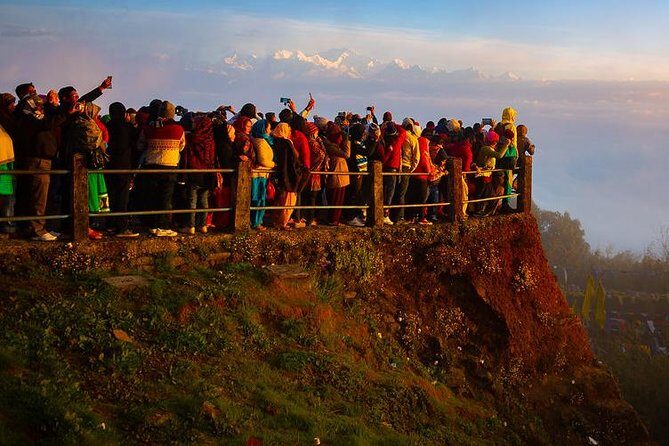
Day three begins with one of the most famous moves in the region: Tiger Hill sunrise. You’ll assemble around 3:15am, with car pickup around 3:30am, then drive roughly 30–40 minutes to the sunrise point.
This early start can feel intense if you’re not a morning person. But the value is clear: sunrise here is a point of view that changes fast, so the schedule is built to put you there when it matters. If you hate crowds, just remember you’re going at a time when everyone else also wants the same sky. You’re trading convenience for a real moment.
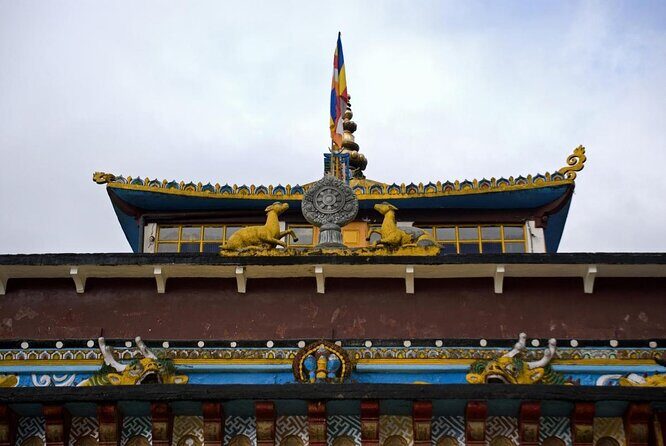
After sunrise, you visit Ghoom Monastery, also known as Yiga Choeling. This Gelukpa (Yellow Hat sect) monastery is noted for a large 15-feet-high statue of the Maitreya Buddha. You’ll have around a 30-minute stop after which you return to the hotel for breakfast.
I like that this day uses a “big view, then spiritual landmark” rhythm. You’re not driving all day to only stare. You’re seeing and then grounding it with religious art and a distinct monastic atmosphere.
Himalayan Zoo, Mountaineering Institute, and optional Tenzing Rock
Still on day three, after breakfast you’ll head to the Padmaja Naidu Himalayan Zoological Park area. This stop often appeals to people who want something active that still fits the altitude mood. The itinerary also combines the Himalayan mountaineering institute and a Tibetan Refugee self-help centre in the same general day flow.
The route includes the Tenzing Rock option for anyone who wants a small adventure. It’s described as not too big, with adventure planned for different tourist types. The reality of this kind of activity is simple: wear shoes with grip and go at your comfort level.
You’ll finish the combined area by about 2pm, then head back to the hotel for lunch. Afterward, your guide can help you browse handicrafts or souvenirs—useful if you want to buy while things are still fresh in your mind.
A practical consideration: the zoo/institute combination is more “one area, several points” than a long guided museum sequence. It’s a good fit if you like variety, and less ideal if you’re seeking long stays at one place.
The long drive to Gangtok: permits handled, but plan your patience
Day four is the transition day: you’ll transfer from Darjeeling to Gangtok, the Sikkim capital. The driving time is described as about 5 hours, with a lunch stop and entry formalities in the middle.
This is the day where permits matter. The tour notes that all foreign nationals need an Inner Line permit to visit Sikkim, and your guide arranges issuance for your whole group. You’ll want your passport and visa copy ready, as the itinerary explicitly asks you to keep the documents handy.
You should also mentally prepare for the fact that the drive is through mountain roads and takes longer than the distance suggests. Once you arrive by evening, the rest of the night is intentionally free for leisure.
That free evening is valuable. It gives you time to acclimate, eat a proper Sikkim meal on your own, and avoid the fatigue trap where you keep saying yes because the day “isn’t over yet.”
Rumtek, Tibetology, and Do Drul Chorten: the Gangtok religious core
Day five is the main Sikkim sightseeing day, built around a set of major Buddhist and Tibetan-culture stops. You start around 10:00am and your first highlight is Rumtek Monastery. It’s described as the largest in Sikkim and a home for monks of the Karma Kagyu lineage.
There’s also a practical experience option: guests can do meditation for about 30–40 minutes. Then you spend roughly 2 hours total before heading back toward Gangtok town for lunch.
Next comes Namgyal Institute of Tibetology, paired after lunch with a cottage industry and handicraft centre. That pairing matters because you’re not only learning; you’re also able to see how craft and culture connect to daily life in the region.
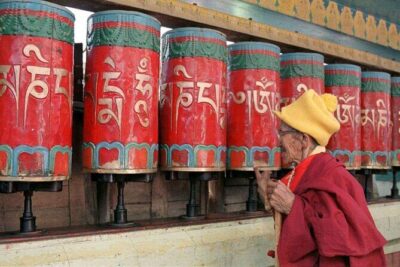
Then you visit Do Drul Chorten Stupa, built in 1945 by Trulshik Rinpoche of the Nyingma order. The itinerary mentions what’s housed inside and the surrounding prayer wheels—described as 108 Mani Lhakor—so you’re not just looking at a structure. You’re getting a sense of the symbolism.
The day ends back in Gangtok with MG Marg, and the tour notes it wraps around 4pm, with your guide available to take you around local markets. This final city-stroll slot is a good way to reset after temples and monasteries.
MG Marg to take your bearings, then an easy ending at Bagdogra
Day six is mostly about leaving. You assemble at the hotel reception when your guide gives you the timing, then travel to Bagdogra Airport. The transfer is described as about 5 hours from Gangtok to Bagdogra.
A key detail is passport stamping: the tour reminds you to make an exit stamp on your passport before leaving Sikkim. The guide takes care of it and says it usually doesn’t take long. Still, don’t treat this as automatic. Build a few extra minutes into your departure mindset so you’re not rushing.
The practical win of an ending like this is you avoid “last-day sightseeing fatigue.” You get back out cleanly and can head to your next destination with less stress.
Price and logistics: what you’re really buying for $554.67
At about $554.67 per person for a ~6-day private guided road trip, the big value isn’t one single attraction. It’s the bundle of friction reducers: pickup, a chauffeured A/C vehicle, an English-speaking guide, hotel accommodation (at listed three-star or similar properties), and entrance charges.
You also get the Toy Train ticket set for the steam engine option and the core meals included: breakfast (5) and dinner (5). Lunch is not included throughout the tour, which is pretty common, but it does affect your daily budgeting. If you like eating out every day, plan to spend a fair bit. If you’re fine with simpler lunches, it won’t sting as much.
One other value note: the itinerary includes permits and arrangements, including Inner Line permit handling for foreign nationals. That’s the kind of task that costs time and nerves if you do it yourself mid-trip.
Balanced reality check: the trip’s quality depends partly on hotel standards. In feedback you might see, one hotel in Darjeeling was described as disappointing while other stays were called decent. That doesn’t mean your stay will be bad, but it’s worth keeping an eye on what “similar” means in your confirmation and what room category is promised.
There’s also a service flexibility option stated in the tour highlights: the itinerary can be modified to include only a driver and no guide. If you’re confident with language and want to cut guide time, that could be a good money-saver.
Finally, the package is non-refundable and can’t be changed for any reason. So only book if your dates are firm and you’ve got the passport/permit timeline under control.
Who this road trip fits best (and who should rethink it)
This itinerary fits best if you want a private structure, care about classic sights, and don’t want to manage permits, transfers, and tickets yourself. It’s also a decent match for couples and small groups because it’s built around smooth day-to-day movement and scheduled time at key stops.
It’s less ideal if you hate early mornings. The sunrise schedule is not optional if you want Tiger Hill at its best. It’s also less ideal if you want lots of free, unplanned time in each town—most of the day is guided and planned, with evenings used for leisure.
If you want a road trip that mixes viewpoints, tea culture, and monasteries without feeling like a frantic checklist, this one makes sense. If you want long hikes, slow wandering, or strict accessibility accommodations, you might find you’ll spend more time planning around the fixed stops.
Should you book this Darjeeling to Sikkim road trip?
Yes, if you’re looking for a well-paced route that handles the hard parts—transport, permits, and tickets—while still giving you standout experiences like Toy Train, Tiger Hill sunrise, and Rumtek Monastery. The private A/C vehicle and the English-speaking guidance are the kind of comfort you’ll appreciate most on long drive days.
Think twice if your travel style is spontaneous and slow, or if the 3:30am pickup for Tiger Hill will wreck your trip. Also, because lunch isn’t included and one hotel stop has received negative comments in past experiences, you should be ready to budget lunches and verify hotel expectations in writing.
If your priority is a dependable, organized Himalayas sampler—Darjeeling viewpoints, tea estate learning, then a Sikkim monastery-focused day—this road trip is a strong choice.
FAQ
Where does the trip start and end?
The trip starts at Bagdogra International Airport Road in Bagdogra, and it ends back at the same meeting point at Bagdogra Airport Road.
How long is the tour?
The duration is listed as about 6 days.
Is lunch included?
No. Breakfast and dinner are included, but lunch is not included throughout the tour.
Is the Darjeeling Toy Train steam engine included?
Yes, Toy Train tickets for the steam engine option are included. The plan notes steam engine riding unless reservations were booked at the last moment.
Are Sikkim permits handled for foreign nationals?
Yes. The tour states that foreign nationals need an Inner Line permit for Sikkim, and the guide takes care of getting the issuance. You should keep copies of your visa and passport handy.
Is the booking refundable if plans change?
No. This experience is non-refundable and cannot be changed for any reason.