REVIEW · JAIPUR
Jaipur: 2-Hour Cultural Walking Tour
Book on GetYourGuide →Operated by Yo Tours · Bookable on GetYourGuide
A short walk can teach you a lot about Jaipur. This 2-hour cultural walk takes you past the usual photo stops and into old lanes where religion, craft, and royal-era life still shape the streets, led by Yo Tours guides who share local stories in English and Hindi. I especially liked the way the route mixes big landmarks like Hawa Mahal with smaller working details like a traditional sword shop and a very old working camera.
If you like getting context while you walk, you’ll enjoy this format. It’s designed for practical sightseeing: you see historic buildings, temple architecture, and UNESCO-era sights without being stuck in one museum room, and you get insider tips to keep exploring after the tour ends. The only drawback to plan around is that it’s a walking tour with some sights viewed from outside, plus meeting spot and exact timing can vary depending on the guide’s coordination.
In This Review
- Jaipur’s Pink City in 2 Hours: A Practical Cultural Walk
- Key Highlights That Actually Make a Difference
- Starting at Wind View Cafe: Getting Oriented Fast
- Hawa Mahal From the Street: Palace of Winds With a Story
- Markets, Temples, and the Lanes Behind the Icons
- A Traditional Sword Shop and a 150-Year-Old Working Camera
- Sawai Man Singh Town Hall: Not Just Another Building
- Jantar Mantar: Understanding UNESCO Without the Pressure
- Shiva Temple and Krishna Temple: Religion Held By Family Tradition
- Lunch Plans and Timing: You’ll Want to Keep Exploring After
- Price and Value: Is $14 Worth It?
- Who This Jaipur Walk Fits Best
- Should You Book This Jaipur Cultural Walking Tour?
- FAQ
- Where is the tour meeting point?
- How long is the Jaipur 2-hour cultural walking tour?
- What languages are available for the guide?
- Is the tour price all-inclusive for monuments and entrance fees?
- What should I bring for a comfortable walking experience?
- Is the tour refundable if plans change?
Jaipur’s Pink City in 2 Hours: A Practical Cultural Walk
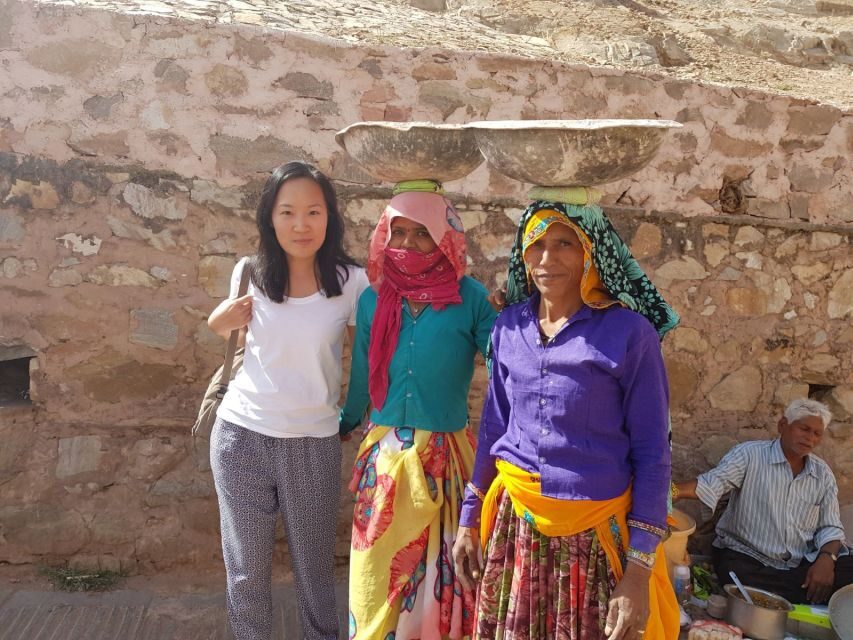
Jaipur can feel overwhelming if you only chase highlights from a taxi window. This tour works because it’s short, focused, and guided—so you’re not just looking at stone and gates, you’re learning why they matter as you pass them. You’ll start near Hawa Mahal, then move through older parts of the city where the layout of lanes and the presence of temples explain a lot about daily life.
Here’s the big reason I think this tour is good value: you’re paying for a guide and the “why” behind what you’re seeing. At this price point, that’s usually the difference between collecting photos and understanding what you’ve actually walked past.
One consideration: because the tour is walking-based, you should expect moderate strolling in old-city conditions. Also, one traveler described a mismatch between the expected meeting spot and schedule, so it’s smart to confirm the exact pickup spot on the day and not assume every guide will follow the same interpretation of meeting instructions.
Key Highlights That Actually Make a Difference
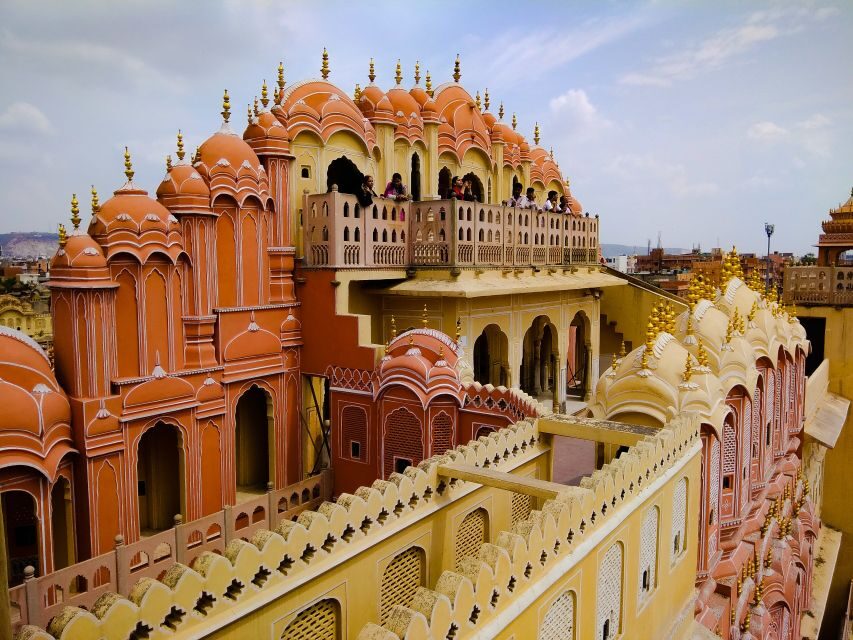
- Hawa Mahal area start at Wind View Cafe gives you an easy visual entry into the Pink City
- Working craft stops, including a traditional sword shop and a 150-year-old working camera
- UNESCO Jantar Mantar time on route, with the chance to understand it in human terms
- Temples cared for by an eighth-generation priest family, adding continuity to the religious story
- Old lanes tied to royal-era priests, so the streets feel purposeful, not random
- Local guide tips during the walk, so you leave with a smarter game plan
You can also read our reviews of more walking tours in Jaipur



Starting at Wind View Cafe: Getting Oriented Fast

Your tour meeting point is Wind View Cafe in front of Hawa Mahal, so you begin with a landmark that most people associate with Jaipur. That matters because it helps you “lock in” your sense of direction early. Even if you’ve seen photos of Hawa Mahal, standing near it and starting the walk sets the tone: you’re about to move away from the big-view crowds and into narrower lanes.
Wind View Cafe is also a good practical choice for the start of a short tour. It’s near enough to the main attraction that you can find it without stress, and it gives you a simple reference point. One thing to keep in mind: the review details included instances where a guide coordinated the meeting slightly differently. So if you’re picky about starting exactly in front of Hawa Mahal’s best views, message ahead and confirm where to meet your guide right before you leave.
Bring comfortable shoes and water. Even though this is “only” two hours, old Jaipur can roast your legs and patience—especially if you’re stopping to look closely at details along the way.
Hawa Mahal From the Street: Palace of Winds With a Story
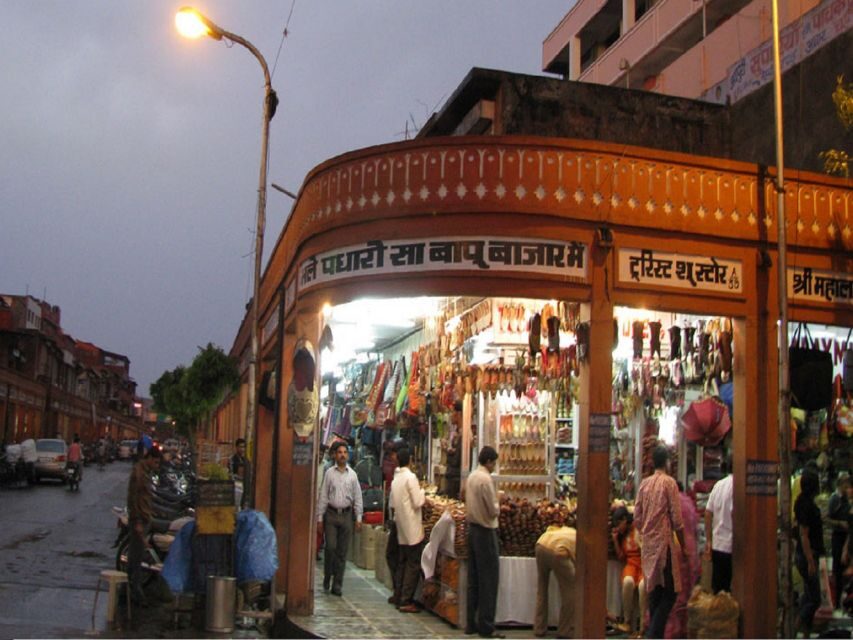
You’ll connect Hawa Mahal to the city not just as an iconic facade, but as architecture. Part of the experience here is learning what makes it significant and how it fits into the urban setting. Since the tour is walking-based and entrance fees aren’t included, you should think of Hawa Mahal as a viewed-from-outside stop—more about seeing and understanding than going inside.
What makes this portion work is that your guide ties the building to real street life. Instead of treating the palace as a standalone picture, you’ll connect it to the broader pattern of royal-era planning and the way Jaipur’s design choices reflect climate and culture.
If your goal is to walk away saying, I finally get what I’m looking at, this is a good use of your time. And because Hawa Mahal is the anchor of the start, it helps you orient before the lane-walking begins.
Markets, Temples, and the Lanes Behind the Icons
This tour’s “secret sauce” is the movement: you’re not only seeing famous monuments, you’re walking historic lanes that feel like they have a memory. The route includes paths once used by royal priests and passes centuries-old buildings where they once lived. That detail is more than a trivia nugget—it changes the way you experience the neighborhood.
When you walk those lanes with a guide who explains the role of priests, temple life, and royal routines, the streets start to make sense. You’ll notice how close houses and places of worship sit to the routes people needed for daily work and ceremony.
This is also where the guide’s personality matters. In one experience, Gajendra was described as very friendly, with strong English and lots of knowledge about Jaipur culture and history. Another booking noted enthusiasm even when the execution didn’t match expectations. Either way, the tour’s model depends on conversation—so you’ll get more out of it if you’re comfortable asking small questions as you go.
A Traditional Sword Shop and a 150-Year-Old Working Camera
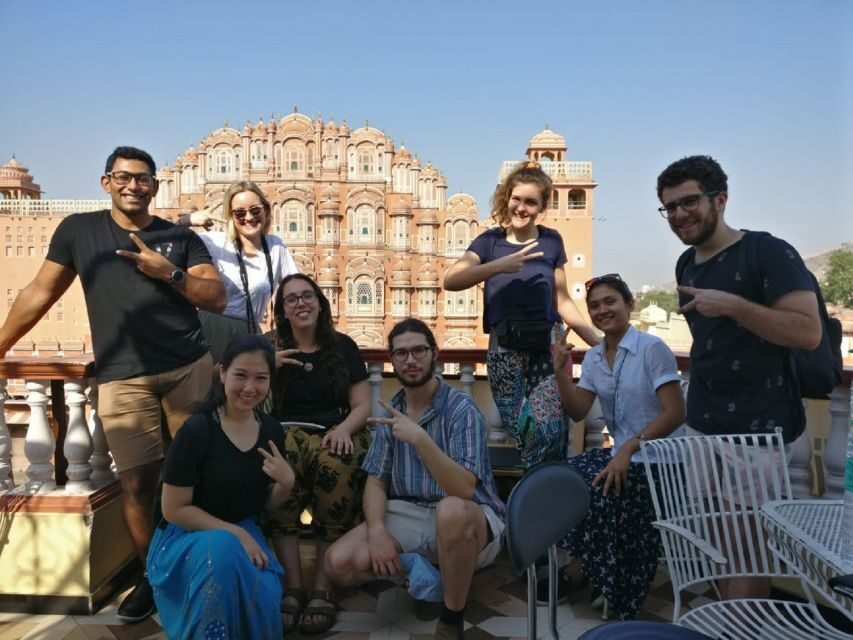
One of my favorite parts of a cultural walk is when you get proof that history isn’t just preserved behind glass. This tour includes two stops that lean hard into living heritage: a traditional sword shop and a 150-year-old working camera.
These kinds of crafts teach you more than big monuments do, because they show what people were making and using long after the city’s main palaces were built. A working camera that’s still functional is the kind of stop that makes you look twice at the idea of modern life. It also gives you a break from the more formal sights, which keeps the tour from feeling like a list of monuments.
In another detail from the reviews, the guide stopped for masala tea mid-tour to help everyone recover energy. Even if you’re not a tea person, expect a human pacing here—something that prevents the walk from turning into a sprint between sights.
A few more Jaipur tours and experiences worth a look


Sawai Man Singh Town Hall: Not Just Another Building
You’ll also admire the ornate Sawai Man Singh Town Hall along the route. The key here is that you get to recognize it as part of Jaipur’s heritage fabric, not an isolated “pretty building.” As you walk, your guide connects how these civic spaces reflect the city’s evolution from royal power to structured public life.
Even if you only see it from the street, it adds texture. When a guide points out decorative choices, placement, and the building’s role, these stops become memorable. Otherwise, they blur into background architecture.
Jantar Mantar: Understanding UNESCO Without the Pressure

Jantar Mantar is a UNESCO World Heritage Site, and the tour includes it as a major landmark. Because entrance fees are not included, you should plan for an outside viewing component or possibly additional cost if you want full access depending on how your guide handles the visit.
Even without going “deep” into a museum-style explanation, the value is that you’ll learn how to look at the instruments and what they were for. A guided explanation can make the difference between seeing large geometric structures and understanding why they were built that way.
If you’ve ever felt lost at technical sites, this is one reason walking tours can be better than standalone visits: your brain is warmed up by story and context. You don’t have to figure everything out from signs alone.
Shiva Temple and Krishna Temple: Religion Held By Family Tradition
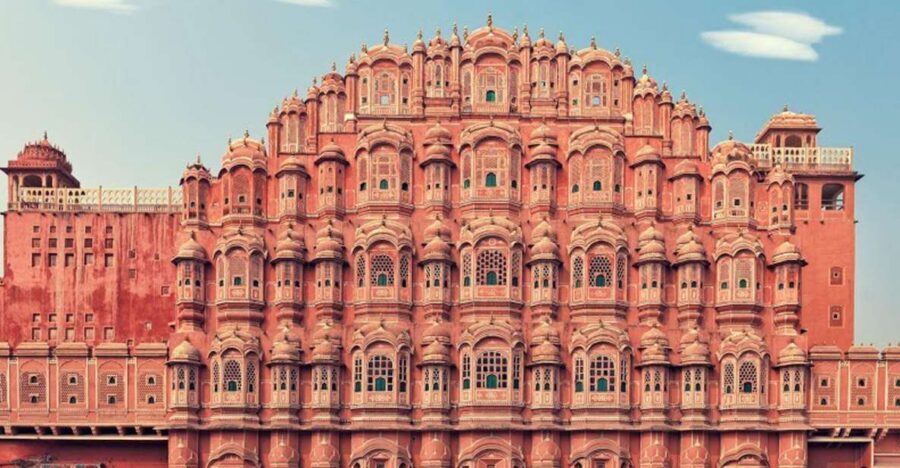
One of the most meaningful segments is the visit to a historic Shiva Temple and a Krishna Temple, maintained by the eighth generation of a family of priests. That’s the kind of detail that makes you slow down, even if you’re just passing through.
Why? Because it turns a temple visit from a one-time cultural photo stop into an example of continuity. You’re not only learning about Hindu worship in general—you’re hearing about a family line of caretakers. That helps you understand why temple upkeep, ritual, and community roles continue across generations.
Keep your expectations aligned with a walking tour. You may not have a long sit-down experience like you would at a dedicated temple tour, but you should still come away with a clearer sense of how worship functions as an everyday practice, not just a historical artifact.
Lunch Plans and Timing: You’ll Want to Keep Exploring After
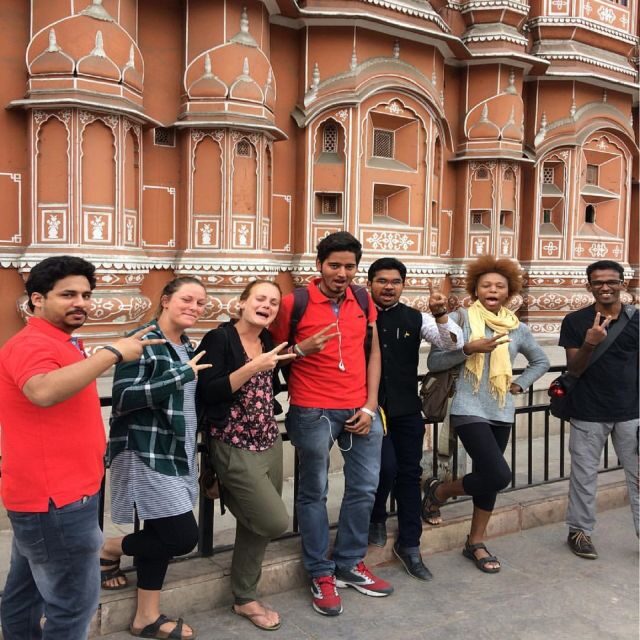
This is a short tour—two hours—so you should think of it as your “first layer” of Jaipur. You’ll end with a finish at Golcha Cinema. That ending point is useful because it places you near places where you can keep your evening flexible.
The guide also provides local tips and recommendations to explore further. This is where your real ROI comes from: you can use the route knowledge (what neighborhoods to try, what to look for, and how to navigate the old city mindset) to plan your remaining hours without wasting time.
From the reviews, it sounds like some guides adjust the pace to keep people comfortable. In at least one positive account, the guide waited for a traveler who arrived a bit late and kept things friendly. In a less favorable account, the tour allegedly ran shorter and the meeting coordination created frustration. That’s why I recommend showing up promptly, carrying water, and building a little slack into your day.
Price and Value: Is $14 Worth It?
At around $14 per person for a guided two-hour walk, you’re not paying for luxury—you’re paying for interpretation and access to the right street-level route.
Here’s what makes it feel fair:
- You get a guide in English and Hindi who tells stories as you move.
- You visit multiple notable stops, including Hawa Mahal’s area, a craft shop, Jantar Mantar, and historic temples.
- You get local tips you can use immediately after the tour, which can save you from random wandering.
Where value can dip:
- Entrance fees aren’t included, so if you want full access to monuments, you may pay extra on top of the tour price.
- If timing or meeting spot isn’t coordinated smoothly, the tour can feel less rewarding—especially since it’s short.
Overall, if you’re the type who likes walking and learning in context, the price is reasonable. If you mainly want an “I saw the famous things” checkbox, you might find the short duration a bit limiting.
Who This Jaipur Walk Fits Best
This tour is ideal for:
- First-time visitors who want a map of Jaipur’s old-town logic, not just landmarks.
- People who enjoy conversation and prefer stories over signage.
- Travelers who want to pair major sights with practical, street-level cultural context.
It’s less ideal if:
- You don’t like moderate walking in warm conditions.
- You need long stops inside monuments or museums.
- You expect every attraction to be entered with no extra fees.
Should You Book This Jaipur Cultural Walking Tour?
I’d book it if your goal is to understand Jaipur while you’re already moving through it. The strongest reason is the mix of scale: iconic architecture near Hawa Mahal, technical wonder at Jantar Mantar, and then the more human side of living heritage—craftwork, working tools, and temples cared for by a family line.
Just do two things to make it smooth: wear comfortable shoes and confirm the meeting point details the day of the walk. Then show up with curiosity. If you do, you’ll leave with a stronger sense of what Jaipur is doing behind the scenes—one lane at a time.
FAQ
Where is the tour meeting point?
Meet your guide at Wind View Cafe in front of Hawa Mahal.
How long is the Jaipur 2-hour cultural walking tour?
The tour lasts about 2 hours.
What languages are available for the guide?
The live guide is available in English and Hindi.
Is the tour price all-inclusive for monuments and entrance fees?
No. Entrance fees to monuments are not included.
What should I bring for a comfortable walking experience?
Bring comfortable shoes, sunglasses, a sun hat, and water.
Is the tour refundable if plans change?
Yes. You can cancel up to 24 hours in advance for a full refund.