REVIEW · KOCHI
Deep South of India – Kerala and Tamil Nadul
Book on Viator →Operated by Incredible Real India Tours · Bookable on Viator
Coconut palms, temple towers, and a proper taste of daily life. This 17-day route strings together Kerala backwaters, Tamil Nadu temple towns, and a final landing in Mumbai’s nonstop energy.
What I like most is how the pace mixes big-ticket sights with hands-on moments: a boat on Vembanad Lake for backwater life, plus wildlife time around Periyar. I also appreciate that several major stops (churches, UNESCO monuments, and key temple complexes) have entrances marked included, so you’re not constantly budgeting on the fly.
One thing to consider: it’s a lot of ground in a single trip. You’ll be riding between cities for hours at a time, so if you prefer slow travel and lots of free afternoons, this plan may feel like it moves fast.
In This Review
- Key highlights (the parts worth planning your whole trip around)
- Starting in Kochi: Fort Kochi is where the trip feels like India
- Historic churches: Saint Francis and Santa Cruz Basilica
- Finish the day with the fish-market atmosphere
- Alappuzha and Vembanad Lake: the backwaters part that feels human
- What to expect from the boat ride
- Periyar (Periyar Lake and spice country): wildlife time plus the aromas of the spice trail
- Boat on Periyar Lake
- Spice plantations and Green Land Spice Garden
- Buying spices without overpaying
- Munnar: tea estates, Eravikulam National Park, and that cool highland air
- Eravikulam National Park and the Nilgiri Thar
- Mattupetty Dam, Indo Swiss Dairy, and Kundala Lake
- Madurai: Meenakshi Amman and the flower-market walk
- Meenakshi Amman Temple
- Walking tour: Mattuthavani flower market
- Raja Palaniswamy’s fragrance-making facility
- Thirumalai Nayakar Palace
- Thanjavur and UNESCO Chola power: libraries, temples, and a different scale
- Brihadeshra (Brihadisvara Temple) and the Saraswati Mahal Library
- Swamimalai Temple and Airavatesvara Temple
- Pondicherry and Auroville: French-leaning streets plus a quieter kind of spiritual focus
- White Town: French-era streets and evening promenade vibes
- Navagraha Temple: nine planets worship
- Auroville: City of Dawn and international harmony
- Mahabalipuram: Pallava architecture and UNESCO Shore Temple views
- Second Pagodas, Five Rathas, and Arjuna’s penance
- Shore Temple and Pancha Rathas
- Mumbai: Elephanta caves, Gateway of India, Dhobi Ghat, and real street life
- Elephanta Caves (UNESCO)
- Gateway of India
- Dharavi
- Dhobi Ghat and Colaba Market
- Price and value: what $1,920 buys you in real terms
- The real tradeoff
- Should you book this Deep South route?
- FAQ
- Where does the tour start?
- Is pickup included?
- What kind of tickets do I receive?
- Is this a private tour?
- Are admission tickets included for the sights?
- What’s the cancellation policy?
Key highlights (the parts worth planning your whole trip around)
- Fort Kochi by foot: colonial lanes, fishing nets, and two standout historic churches
- Backwaters with real rhythm: boat time on Vembanad Lake, watching fishing and chores up close
- Periyar nature + spice stops: lake boating plus spice plantations and market shopping
- Munnar tea country: Eravikulam National Park and classic viewpoints around tea estates
- Temple architecture that actually changes your mood: Meenakshi Amman and Chola-era sites
- UNESCO classics capped with Mumbai street scenes: Mahabalipuram monuments, then Elephanta and Dhobi Ghat
Starting in Kochi: Fort Kochi is where the trip feels like India
Your tour starts in Kochi, with pickup from Kochi Airport. If you land early, you may have some wiggle room to explore on your own before the group program takes over. The general style here is practical: you get guided visits where it matters most, then you’re free to wander when the area is best enjoyed slowly.
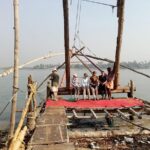
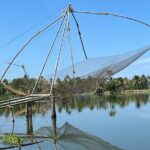
Fort Kochi is the smart first stop because it gives you a blend of eras in a compact area. You’ll see the waterfront mood, plus the famous bamboo fishing nets at Fort Kochi Beach. Even if you’ve seen pictures, being there changes things—because the nets, the sea, and the daily dock activity are all tied together.
You can also read our reviews of more tours and experiences in Kochi.

Historic churches: Saint Francis and Santa Cruz Basilica
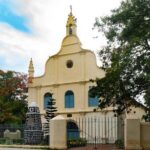
Two church stops do heavy lifting for the “colonial crossroads” story in Kerala. Church of Saint Francis goes back to 1503 and is described as one of the oldest European churches in India, built as a quiet witness to the European colonial struggle in the subcontinent.
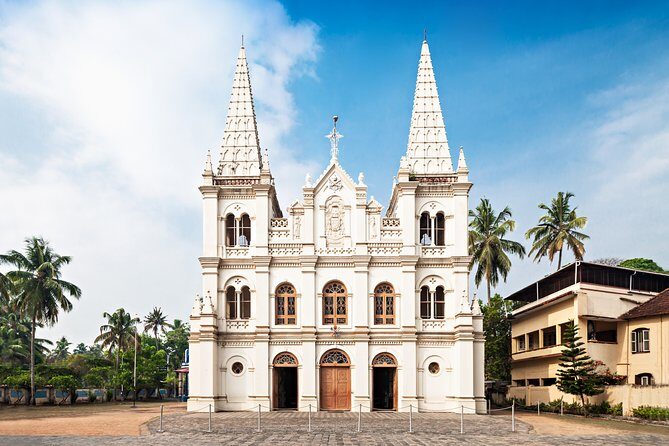
Then there’s the Santa Cruz Cathedral Basilica, one of nine Basilicas in Kerala. It’s also listed as a major heritage church you’ll find tourists visiting year-round. If you like places that explain how religions and empires overlapped on the coast, these two are worth your full attention.
Finish the day with the fish-market atmosphere
Later, you’ll stroll near Kochi’s beaches where fish nets and the fish market create a real working-city feel. This is one of those moments that doesn’t need a ticket. You just walk, look, and let the pace reset.
Practical tip: wear comfortable shoes for Fort Kochi’s lanes. Even when most things are close, the day adds up.
Alappuzha and Vembanad Lake: the backwaters part that feels human
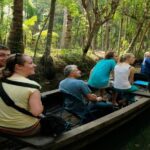
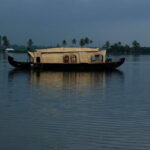
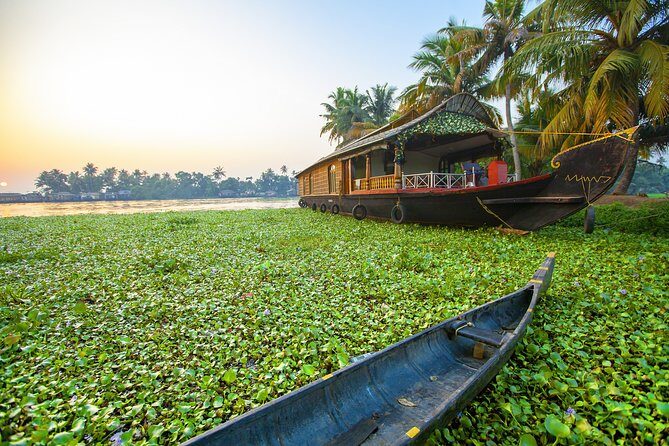
Kerala backwaters can sound like a postcard. Here, the boat ride on Vembanad Lake is the key experience because it’s described as showing daily life: fishermen, kids swimming, and women doing routine chores along narrow stretches of land.
This isn’t about “staying on a boat and taking pictures.” The real value is what you notice from the water—how communities live with the water. The itinerary also hints at time to experience places along the way, not just pass by the shoreline.
What to expect from the boat ride
Plan for a slow-moving, observation-heavy experience. You’ll see life that’s not staged for tourists. That’s part of the magic, but it also means you should be ready for sun, breeze, and whatever the day brings.
Practical tip: pack light layers and something for sun protection. Even on calm water, Kerala sun can be intense.



Periyar (Periyar Lake and spice country): wildlife time plus the aromas of the spice trail
Periyar is where the trip shifts gears from coastal backwaters to forests and wildlife. You’ll spend time on the Lake Periyar by boat, watching wildlife in sanctuaries. This stop pairs nature with a second theme Kerala does well: spices.
Boat on Periyar Lake
The plan includes boating time to observe wildlife. Periyar is often chosen for the chance of seeing animals without trekking all day. You’re likely to spend more time scanning the water and tree lines than “chasing” a view.
Consideration: wildlife spotting is never guaranteed. The win is the ecosystem experience and the chance to see the sanctuary vibe up close.
Spice plantations and Green Land Spice Garden
You’ll also visit fragrant spice plantations for cardamom, cinnamon, pepper, and coffee, then shop in local markets for natural seasonings to take home. Day 5 adds Green Land Spice Garden, which is highlighted for its smells and colors.
This is one of the best moments to slow down and pay attention. When spices are grown nearby, you’ll understand why certain flavors matter in South Indian cooking.
Buying spices without overpaying
The itinerary includes shopping time, which is great. For value, focus on:
- single spices you’ll actually use at home
- blends you can identify by ingredients (so you know what you’re paying for)
Munnar: tea estates, Eravikulam National Park, and that cool highland air
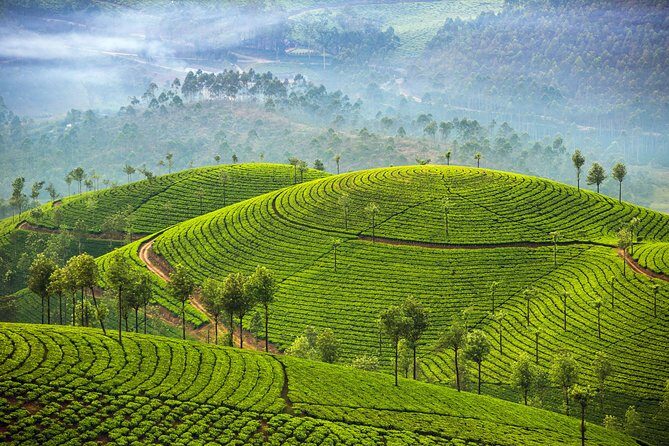
Munnar is the tea-country reset. The route frames it as one of the highest tea-growing lands in the world, then builds the days around major viewpoints and nature.
Eravikulam National Park and the Nilgiri Thar
In Munnar, you’ll visit Eravikulam National Park, listed here as home of the endangered Nilgiri Thar (also known as ibex). Even if you don’t catch the animal itself, the park setting matters: you’re in the highland zone where tea and conservation overlap.
Consideration: national park time depends on conditions. If weather changes, your experience may be more about scenery and less about wildlife sightings.
Mattupetty Dam, Indo Swiss Dairy, and Kundala Lake
Munnar isn’t only about fields. You’ll also experience Mattupetty Dam, an Indo Swiss Dairy farm, and Kundala Lake. This mix adds variety so your days don’t blur into the same “tea view, tea view, tea view” loop.
Day 7 keeps it slower around the tea estates and natural beauty of the area. That’s a good pairing after the park-focused morning.
Practical tip: mornings can feel cooler in the hills. Bring something light you can layer.
Madurai: Meenakshi Amman and the flower-market walk
Madurai is temple country, but not in a bland way. This is the day where architecture and street life blend into something you feel in your chest.
Meenakshi Amman Temple
The Meenakshi Amman Temple is presented as the famous stop and the center of pilgrimage interest. It’s dedicated to goddess Meenakshi, consort of Lord Shiva, and it’s described as a major Hindu worship site attracting both Indian and international visitors.
This is the kind of place where you’ll stop walking, look upward, and then realize you’ve been staring for a while.
Walking tour: Mattuthavani flower market
The itinerary adds a walking tour through the flower market in the Mattuthavani district. This works because it gives you color at street level, not just stone level. The contrast helps: temple scale above, flower-seller life below.
Raja Palaniswamy’s fragrance-making facility
You’ll also experience how raw fragrance is made at Raja Palaniswamy’s facility. This is a clever add-on because it’s sensory and local—more than just watching a ritual. It also ties into the idea that in this region, religion, daily life, and commerce overlap.
Thirumalai Nayakar Palace
On another day in Madurai, you’ll visit Thirumalai Nayakar Mahal, built in 1636 AD by King Tirumala Nayaka. It’s noted as a fusion of Dravidian and Rajput styles. Palace stops can sometimes feel like “photo ops,” but this one is described with enough architectural identity to make it more meaningful.
Thanjavur and UNESCO Chola power: libraries, temples, and a different scale
From Madurai’s energy, the route shifts into an older, monumental vibe around Thanjavur and the Kumbakonam area.
Brihadeshra (Brihadisvara Temple) and the Saraswati Mahal Library
In Thanjavur, you’ll visit Brihadeshra, built by the Chola King during the 11th century. The Chola temples are massive and precise, and they don’t feel like random tourist landmarks. They feel designed for long attention.
You’ll also see the Saraswati Mahal library, described as holding rare books and manuscripts on paper and palm leaves. Even if you don’t read the texts, seeing the medium matters. It’s a reminder that scholarship and religion grew in the same world.
Swamimalai Temple and Airavatesvara Temple
Swami Malai Temple is dedicated to god Murugan and fits the theme of Murugan worship in the region. Then comes Airavatesvara Temple, highlighted as a UNESCO World Heritage Site and dedicated to Shiva. It’s also said to reverentially display Vaishnavism and Shaktism traditions.
What I like here is the balance. You get a cluster of temple identities, not just one “main stop,” which makes the whole area feel coherent.
Practical tip: these temple days can involve lots of standing and walking. Build in a moment to sit and hydrate if you feel yourself speeding up.
Pondicherry and Auroville: French-leaning streets plus a quieter kind of spiritual focus
After the temple intensity, Pondicherry offers breathing room and a different cultural flavor. The plan includes:
- Navagraha Temple
- time in White Town
- visits tied to Auroville
White Town: French-era streets and evening promenade vibes
White Town is described as French colonial-era villas along leafy streets. You’ll also find a mix of cafes and restaurants, plus small crafts shops on cobbled lanes. The beachfront promenade is called out as a popular evening stroll.
This matters for your trip because it’s a place where you can recharge without feeling like you’re missing a “must-see.”
Navagraha Temple: nine planets worship
The Navagraha Temple is tied to worship of nine planets and their influence. If you like symbolic systems—how belief gets mapped onto daily life—this stop adds context to what you’ve seen elsewhere in Tamil Nadu.
Auroville: City of Dawn and international harmony
Auroville is described as a universal city in the making based on Sri Aurobindo and The Mother’s vision of human unity. The itinerary frames it as a place where people from different nationalities, beliefs, and traditions live together in harmony.
Even if you don’t follow Auroville’s philosophy deeply, it’s still a meaningful contrast to the more temple-and-festival intensity earlier.
Mahabalipuram: Pallava architecture and UNESCO Shore Temple views
Mahabalipuram is one of the strongest “architecture as storytelling” stops on the whole route. It’s focused on Pallava-era monuments along the Coromandel Coast and is tied directly to UNESCO sites.
Second Pagodas, Five Rathas, and Arjuna’s penance
You’ll visit the Five Rathas and the bas-relief known as Arjuna’s penance. It’s described as a huge rock carving, plus other sites like Mahisasura Madapam and the Shore Temple area.
If you enjoy stonework, this is where the trip stops feeling like a checklist and starts feeling like a sequence of “how did they build this?” moments.
Shore Temple and Pancha Rathas
The next day, you’ll see Shore Temple, classified as a UNESCO World Heritage Site since 1984 and described as one of the oldest structural stone temples of South India. You’ll also visit Pancha Rathas, described as an example of monolithic rock-cut architecture.
Practical tip: go slowly here. These monuments reward walking at a human pace, letting the textures and angles hit you.
Mumbai: Elephanta caves, Gateway of India, Dhobi Ghat, and real street life
Mumbai is a hard contrast at the end of the trip. It’s also where the route intentionally shows you more than landmarks: it includes a UNESCO cave site and local urban routines.
Elephanta Caves (UNESCO)
Elephanta Caves are a UNESCO World Heritage Site dedicated predominantly to Shiva. You’ll take this in as a separate stop from the mainland experience.
Gateway of India
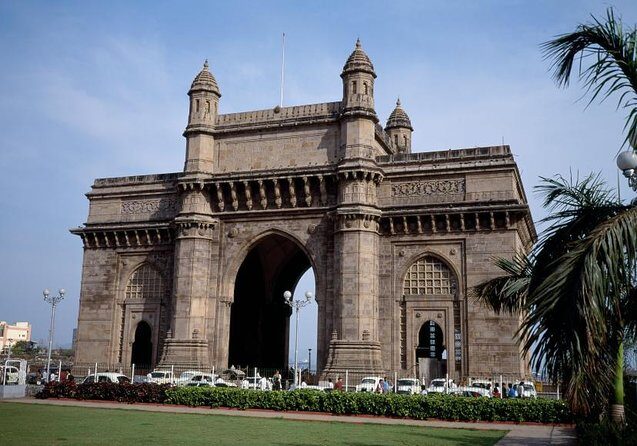
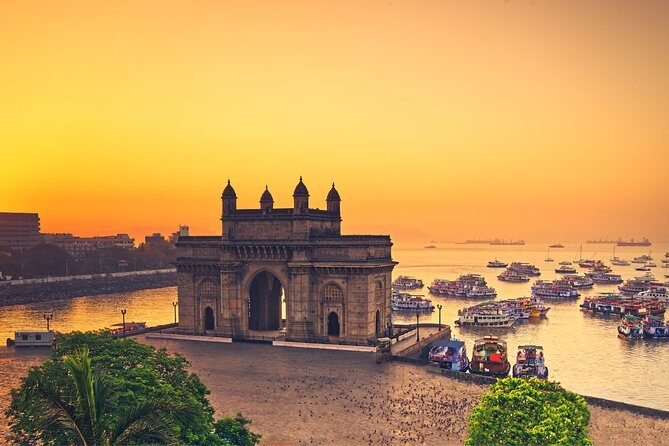
The Gateway of India is an early 20th-century arch monument built to commemorate the 1911 landing of King-Emperor George V and Queen-Empress Mary at Apollo Bunder.
Dharavi
The route includes Dharavi, described as Mumbai’s largest slum and known internationally from Slumdog Millionaire. This isn’t presented as a “safari” stop; it’s a real-world urban area in the program.
Dhobi Ghat and Colaba Market
Dhobi Ghat is included as Mumbai’s open-air laundromat where dhobis work in the open to clean clothes and linens from hotels and hospitals. Then Colaba Market is on the list as an everyday shopping experience along the Colaba Causeway.
I like this ending because it gives you a “how the city runs” feeling before you leave.
Price and value: what $1,920 buys you in real terms
At $1,920 per person for about 17 days, you’re paying for more than transport. You’re paying for a guided structure that connects very different regions without you having to stitch everything together yourself.
Here’s where the value shows up:
- Private tour format: only your group participates, not a public scramble.
- Pickup is included from Kochi Airport, which matters when you land tired.
- Mobile ticket is offered.
- Many attractions are marked admission ticket included, especially at major churches, key palace/temple stops, and UNESCO monuments.
- Reviews highlight that the service feels reliable and that hotel choices tend to be practical. One trip story credits guide Moise Moysan and her driver/friend Ari, noting they were friendly and kind, and another comment praises safe, secure trip planning.
The real tradeoff
You’re not booking a “pick your own adventure.” You’re booking a route with structure. That’s great if you want clarity. If you want lots of free time to wander without a schedule, this might feel like it leaves less room for spontaneous detours.
Should you book this Deep South route?
I’d recommend this tour if you want a first-rate taste of Kerala and Tamil Nadu’s core themes—temples, spice culture, tea country, backwaters—then a grounded, modern ending in Mumbai. It also suits you if you like having important entrances handled and a guide-led route that gets you to the right places on the right days.
I’d think twice if your ideal trip is slow, or if long driving days stress you out. This is a “see a lot” plan, not a “rest and ramble” plan.
If you match the vibe—culture-forward, okay with packed days, and excited by how religion and daily life blend on both coasts—this route is a solid buy.
FAQ
Where does the tour start?
The start point is Kochi Airport in Kochi (Cochin), India. Pickup is offered from the airport with a signed board under your name based on your flight details.
Is pickup included?
Yes. The tour offers pickup from Kochi Airport. The plan also notes that early arrivals may allow some extra exploration depending on timing and preferences.
What kind of tickets do I receive?
The experience includes mobile ticket delivery.
Is this a private tour?
Yes. It’s a private tour/activity, and only your group participates.
Are admission tickets included for the sights?
Many sights are marked as admission ticket included in the schedule, while others are listed as admission ticket free. Examples with included admissions include Church of Saint Francis, Santa Cruz Cathedral Basilica, Green Land Spice Garden, several major temple stops, and UNESCO sites like Shore Temple and Elephanta Caves.
What’s the cancellation policy?
The experience is non-refundable and cannot be changed for any reason. If it’s canceled because a minimum traveler number isn’t met, you’ll be offered a different date/experience or a full refund.