A week like this turns Rajasthan into one smooth story. You get Udaipur palaces and gardens, big fort days, and the chance to plan your Ranthambore safaris with a private car and English-speaking driver. I especially like the hands-on pace: you’re dropped at the right sights without wrestling transport, and the driver support feels personal (including kind, on-time service I saw firsthand with Parkash Prajapat and Bittu). One thing to consider: several major attractions and all park safari charges are not included, so you’ll want to budget entrance fees and the jeep/canter.
This route also makes sense because each stop has a different flavor. Udaipur is refined, Chittorgarh is monumental, Bundi is scenic and quieter, Ranthambore is animal-focused, and Jaipur is all about design and history—so the week doesn’t feel repetitive. Still, it’s a lot of moving: it’s best if you’re okay with early starts on safari days and a long-ish road day toward Jaipur.
In This Review
- Key Things I’d Mark on Your Must-Do List
- Why This Route Feels Smart: Udaipur, Forts, Tigers, Then Jaipur
- Price and Logistics: What You Pay vs. What You’ll Still Owe
- The Driver Makes the Difference (And You Can Feel It)
- Day 1 Udaipur: Arrive, Unwind, Then Hit the Market
- Day 2 Udaipur Highlights: Jagdish Temple and City Palace + Garden Time
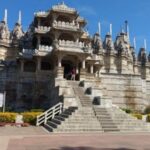
- Jagdish Temple
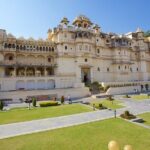
- City Palace of Udaipur
- Saheliyon ki Bari and Monsoon Palace
- Car Museum and Bagore Ki Haveli
- Day 3 Chittorgarh: The Fort Day You’ll Remember for Scale
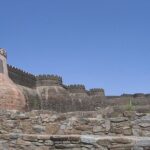
- Chittorgarh Fort
- Chittorgarh Town Market
- Day 4 Bundi: Star Fort Views and Stepwell Time
- Taragarh Fort
- Raniji-ki-Baori
- Garh Palace
- Day 5-6 Ranthambore: Tiger Odds, Morning Light, and Safari Reality
- The reality check (helpful, not scary)
- Safari charges you’ll pay separately
- After the safari
- Day 6-7 Jaipur: Museums, Marble, and the Icons Everyone Draws First
- Albert Hall Museum
- Birla Mandir Temple
- Hawa Mahal
- Jantar Mantar
- City Palace of Jaipur
- Royal Gaitor Tumbas
- Jal Mahal
- Day 8: Simple Goodbye With a Transfer
- Who This Private Tour Fits Best
- The One Drawback to Plan For
- Should You Book This 8-Day Rajasthan Circuit?
- FAQ
- How many people are in a group?
- What’s included in the tour price?
- What isn’t included?
- Are pickup and transfers provided?
- Do they provide tickets electronically?
- What are the Ranthambore safari charges?
- What are the monument entrance fees for Jaipur and some other cities?
- How long is the tour?
- Is free cancellation available?
- When do I need to cancel for a full refund?
Key Things I’d Mark on Your Must-Do List
- Private AC car with an English-speaking driver for smoother timing between far-apart sights
- Udaipur City Palace + Jagdish Temple as strong first-day anchors with free admissions listed
- Chittorgarh Fort as a true scale-changer (big complex, lots to walk)
- Ranthambore Tiger Reserve game drives planned across two sessions for better odds and better light
- Jaipur’s core trio—Hawa Mahal, Jantar Mantar, and City Palace—plus a few smart add-ons
Why This Route Feels Smart: Udaipur, Forts, Tigers, Then Jaipur
If you’re trying to “see Rajasthan” without turning your days into a transport puzzle, this circuit is a good shape. You’re moving from lakeside Udaipur to the fort drama of Chittorgarh, then to the stepwell-and-palace charm of Bundi, and finally to the wildlife focus of Ranthambore before landing in Jaipur. Each part has its own mood, and you’re not stuck doing the same kind of sight in every city.
I like that the tour doesn’t treat everything as checkboxes. It pairs major landmarks with quieter stops that add texture—gardens in Udaipur, the stepwell in Bundi, and museum time in Jaipur. That mix matters when you’re traveling for 7 nights and doing a lot in 8 days.
You can also read our reviews of more private tours in Udaipur



Price and Logistics: What You Pay vs. What You’ll Still Owe
The total price is $856.76 per group (up to 3), for an 8-day private tour with a driver and private car. That structure can be good value if you’re traveling with one or two people, because you’re effectively splitting the cost of transport and driver support.
Here’s the part you should budget for up front, since the tour lists several add-ons:
- Jaipur monuments entrance fee: $25
- National Park safari charges (Ranthambore): Jeep Safari $40 or Canter Safari $30
- Udaipur monument entrances: $30
- Chittorgarh Fort entrance: $10
- Bundi monuments entrance: $15
There are also specific stops marked as not included across the week (like Monsoon Palace/Sajjangarh, Vintage Car Museum, Bagore Ki Haveli, and several Bundi forts/baolis). The exact amount you’ll pay depends on what you choose to enter at those points, but the clear takeaway is this: plan for extra cash beyond the base tour fee.
Transport-wise, the deal is straightforward. You get a Private AC car, fuel/tolls/parking covered, and hotel/airport pickup and drop off. You also get a mobile ticket, which is practical in India when lines and paperwork can eat time.
The Driver Makes the Difference (And You Can Feel It)
A private driver isn’t just about comfort—it’s about timing, crowd navigation, and trust. In the reviews tied to this operator, Parkash Prajapat is praised for being polite, on-time, and driving a clean, neat cab in Udaipur. Another name that keeps popping up is Bittu, described as patient and helpful, including helping people manage a shopping-and-sightseeing list and even assisting with ticket access for a cultural program.
That “real helper” role matters most on days with multiple stops. For example, Udaipur stacks several sights in one day, and Jaipur does the same in a tighter urban setting. Having a driver who can explain what you’re seeing (not just drive you there) saves time and helps you spend more energy on the places that matter to you.
Day 1 Udaipur: Arrive, Unwind, Then Hit the Market
Day 1 starts with a straightforward rhythm: arrival pickup, transfer to your hotel, check-in, then an evening plan in Udaipur. The tour includes an in-city market outing, and it also mentions a boat cruise as part of that first-day feel.
This is a good way to handle arrival day. You’re not jumping straight into a long temple walk before your body adjusts. Instead, you get a light cultural evening and a chance to see how local life moves around the city.
Practical tip: bring a light layer for evening air and keep some small bills handy for snacks and market stops.
Day 2 Udaipur Highlights: Jagdish Temple and City Palace + Garden Time
Day 2 is where Udaipur starts to feel like the main event. You’re scheduled for Jagdish Temple, then City Palace of Udaipur, and a sequence of optional-pay sights afterward (like Saheliyon ki Bari and Sajjangarh Monsoon Palace).


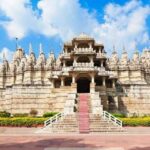


Jagdish Temple
This is listed as free, and it’s a strong first temple stop because it’s a clear, direct example of Hindu devotion in a city packed with architecture. You’ll likely notice the temple’s location and strong visual presence right away.
City Palace of Udaipur
Also marked as free in the plan, the City Palace Museum is described as having an impressive collection of items—silver pieces, palanquins, paintings, sculptures, and antiques. Even if you’re not a museum person, this is the kind of stop that helps you understand the city’s royal identity.
Saheliyon ki Bari and Monsoon Palace
Saheliyon ki Bari is a garden built in the 18th century for women of the palace, and the Monsoon Palace is a 19th-century viewpoint destination with skyline views. Both are marked not included on entry, but they’re exactly the kind of contrast that makes Udaipur special: calm garden time followed by a higher view point.
Car Museum and Bagore Ki Haveli
Two extra stops show the tour isn’t locked into just palaces and temples. The Vintage Collection of Classic Cars Museum (around 20 cars listed) adds a fun break. Bagore Ki Haveli shifts you into domestic architectural history, and the highlights include displays of objects used by former residents. It’s also a place where you slow down and see how the past lived, not just how it ruled.
Day 3 Chittorgarh: The Fort Day You’ll Remember for Scale
After breakfast, you drive from Udaipur to Chittorgarh (about 2 hours) and check in. Then the plan centers on Chittorgarh’s big star: the Chittorgarh Fort.
Chittorgarh Fort
The fort complex is described as covering 700 acres and containing 22 water bodies, palaces, towers, and temples. That’s not a “quick walk” site. Plan on wearing comfortable shoes and expect some climbing. Even when you’re not reading every sign, the sheer scale makes it easy to grasp why this place has legend-level status.
The fort is listed as not included for entry fees, so count that into your budget.
Chittorgarh Town Market
You also have time for a market visit in Chittorgarh, with stops like Sadar Bazaar and Gandhi Chowk mentioned. This is where you can balance the heavy fort day with a more everyday feel—snacks, local shopping, and a sense of how people actually live around the monuments.
Day 4 Bundi: Star Fort Views and Stepwell Time
Bundi is a nice break from the biggest, most famous Rajasthan circuits. You drive from Chittorgarh to Bundi after breakfast, check in, and then do a Bundi city tour. The day is built around forts and baolis (stepwells).
Taragarh Fort
Taragarh Fort (also called the Star Fort) is listed as not included for admission. It’s described as a huge 16th-century structure with reservoirs carved out of solid rock. The design details matter here: this isn’t just a wall around a hill—it’s engineering plus defense.
Raniji-ki-Baori
Raniji-ki-Baori is a famous stepwell in Bundi, constructed in 1699. Stepwells can look like decoration from afar, but up close they often feel practical and clever: water management mixed with architecture.
Garh Palace
Garh Palace is another not-included entry stop, and it’s described as a royal Rajput castle with smaller palace elements from the 17th century and vibrant wall murals. This is where you get more of the human side of royal life—art, rooms, and a sense of taste.
Practical note: stepwells and forts can get slippery or uneven. Take your time on stairs.
Day 5-6 Ranthambore: Tiger Odds, Morning Light, and Safari Reality
Now we hit the day type people travel for: Ranthambore Tiger Reserve. The plan includes multiple game drives—one afternoon session after you arrive, then an early morning safari and a second part of the park experience.
The reality check (helpful, not scary)
Safari success isn’t guaranteed. But doing at least two drives improves your chances and gives you different lighting and animal behavior patterns. Early mornings tend to feel more active, while afternoon drives can surprise you too.
Safari charges you’ll pay separately
The tour lists park safari charges as not included:
- Jeep Safari: $40
- Canter Safari: $30
So you’re paying for the ride and the entry rules of the reserve. Choosing jeep vs canter can affect the feel of the safari (more personal vs. more shared), but the price difference is clear in the provided info.
After the safari
The day after your early safari includes time to return to the hotel for breakfast, then a drive toward Jaipur (about 4 hours). This matters: don’t treat it like a full sightseeing day. It’s a travel-and-reset window, and it helps you arrive in Jaipur ready to enjoy instead of just surviving.
Day 6-7 Jaipur: Museums, Marble, and the Icons Everyone Draws First
Once you arrive in Jaipur, you get a mix of classic landmarks plus a couple of stops that make the city feel more layered.
Albert Hall Museum
Day 6 includes Albert Hall Museum (described as founded in 1887 by Maharaja Sawai Ram Singh II and named after Prince Albert Edward of Wales, who visited Jaipur in 1876). It’s marked not included for entrance in the plan, but museum time is useful here because it gives context for the city’s art and design traditions.
Birla Mandir Temple
Also listed not included, Birla Mandir is described as built by the Birla family in 1988, in white marble with elaborate carvings, dedicated to Lord Vishnu and Goddess Laxmi. If you want a quieter religious stop with strong visual style, this fits.
Hawa Mahal
Day 7 begins with Hawa Mahal, the five-story honeycomb-like facade known for its many windows and jharokhas and the breezes. It’s a quick stop (listed around 45 minutes), but it’s one of those “first view” landmarks that helps you understand Jaipur’s design logic.
Jantar Mantar
Next is Jantar Mantar, an early 18th-century astronomical observation site with around 20 large fixed instruments. If you like history that feels practical, this is a good one. It’s science in stone.
City Palace of Jaipur
You also get time at City Palace, commissioned by Maharaja Sawai Jai Singh II. It’s described as a blend of Mughal and Rajput styles. This is a bigger, more time-consuming stop (listed around 2 hours), and it’s worth slowing down here instead of rushing photos.
Royal Gaitor Tumbas
Then comes Royal Gaitor Tumbas (listed around 30 minutes). It’s described as the final resting place for Maharajas and located near Nahagarh Fort (15 km from Jaipur). It’s not the loudest attraction on the list, but it adds another angle on royal history.
Jal Mahal
Finally, Jal Mahal is included as a free stop in the plan. It’s described as a palace-like structure in the middle of Man Sagar Lake. Even when you’re not going inside, the setting is the point.
Day 8: Simple Goodbye With a Transfer
Day 8 is a clean wrap-up: check out and head to the airport/railway/bus stand. The plan says the team handles the transfer so you can catch your departure.
This is exactly how you want the last day to work. After a week with lots of sights, you don’t want extra stress or surprise logistics.
Who This Private Tour Fits Best
This tour is a strong fit if you:
- Want a private setup for up to three people with your own AC car
- Prefer driver help for timing and guidance rather than independent driving
- Like a mix: palaces, forts, stepwells, and at least a couple of wildlife drives
- Are okay paying separate entrance fees and safari charges to access certain sites
It’s also a good match if you care about the human side of travel. The driver-focused feedback tied to this operator highlights punctual service, a clean car, and problem-solving (help with tickets and guiding people through the city rhythm).
The One Drawback to Plan For
The main drawback is the cost spread. The headline price is clear, but you still need to account for entrance fees and Ranthambore safari charges. If you show up thinking everything is included, you’ll feel surprised by the extra payments.
The second minor consideration is physical pace. Forts and stepwells mean stairs and uneven walking. You’ll enjoy the sights more if you’re ready for that.
Should You Book This 8-Day Rajasthan Circuit?
I’d book it if you want a logical Rajasthan loop with less friction and a driver who can make your day run cleanly. The combination of Udaipur culture, Chittorgarh scale, Bundi’s distinct style, Ranthambore’s tiger-focused safaris, and Jaipur’s big-name monuments is strong. It’s also easier to manage as a private trip than trying to string together multiple regions on your own.
Don’t book it if you’re trying to keep costs super tight or you dislike paying separate entry fees. Also skip it if you want zero early mornings—Ranthambore’s early timing is part of the plan.
If you like your travel with real guidance and clear structure, this one does the job.
FAQ
How many people are in a group?
It’s a private tour/activity where only your group participates, and the price is listed per group for up to 3 people.
What’s included in the tour price?
Included items are a Private AC Car with an English speaking driver, hotel/airport pickup and drop off, fuel and tolls and parking and other taxes, plus driver allowances and accommodation.
What isn’t included?
Hotel accommodation and meals aren’t included. Entrance fees and safari charges are also listed as not included, including Jaipur monuments entrance fee, Ranthambore safari charges, and specific monument entrances in Udaipur, Chittorgarh, and Bundi.
Are pickup and transfers provided?
Yes. The tour includes hotel/airport pickup and drop off.
Do they provide tickets electronically?
Yes. Mobile tickets are included.
What are the Ranthambore safari charges?
Ranthambore safari charges are listed as Jeep Safari $40 and Canter Safari $30.
What are the monument entrance fees for Jaipur and some other cities?
Jaipur monuments entrance fee is listed as $25. Udaipur all monument entrance fee is listed as $30, Chittorgarh Fort entrance is $10, and Bundi monuments entrance is $15.
How long is the tour?
The duration is listed as 8 days (approximately) with 7 nights and 8 days.
Is free cancellation available?
Yes, free cancellation is available.
When do I need to cancel for a full refund?
You can cancel up to 24 hours in advance of the experience’s start time for a full refund. If you cancel less than 24 hours before, the amount paid is not refunded.