REVIEW · MUMBAI
Dharavi Slum Tour
Book on Viator →Operated by Mumbai Dream Tours · Bookable on Viator
Dharavi can’t be summarized in a postcard. This respectful Dharavi slum tour in Mumbai takes you through neighborhoods where people work, recycle, and run small businesses—plus you’ll stop at local homes and try pottery.
I especially love the English-speaking guide who lives in the area, because the stories feel practical, not staged. I also like the hands-on time learning from residents at real homes and businesses, not just passing by streets.
The main consideration is comfort: you’ll be walking in tight areas, and it can get hot—so modest clothing and closed-toed shoes matter, and you’ll want to stay hydrated.
In This Review
- Key Highlights You’ll Actually Feel During This Tour
- Dharavi in Two Hours: What This Tour Gets Right
- Your Guide Isn’t a Script: Learning From Residents in Real Spaces
- Pottery Workshop Time: Hands-On Instead of Photo Stops
- Inside a Family Home for Vegetarian Food
- Walking Through Dharavi: Timing, Heat, and Group Size
- Getting There: Start at Third Wave Coffee, End Near Easy Rides
- Price and Value: Why About $13.42 Can Make Sense
- Safety and Sensitivity: How to Do This Visit the Right Way
- Should You Book This Dharavi Slum Tour?
- FAQ
- How long is the Dharavi Slum Tour in Mumbai?
- Is the guide English-speaking?
- Does this tour include a mobile ticket?
- What’s included in the tour price?
- Where does the tour start and end?
- What should I wear?
- How many people are in the group?
Key Highlights You’ll Actually Feel During This Tour
- Resident English-speaking guides who know Dharavi from the inside
- Local access to homes and small businesses, with a focus on daily work
- Pottery workshop time, so you do something with your hands, not just watch
- Vegetarian meal in a family setting, which turns the visit into a conversation
- Small groups (max 20) that keep the pacing human
- Flexible start times and mobile ticket for easier planning
Dharavi in Two Hours: What This Tour Gets Right
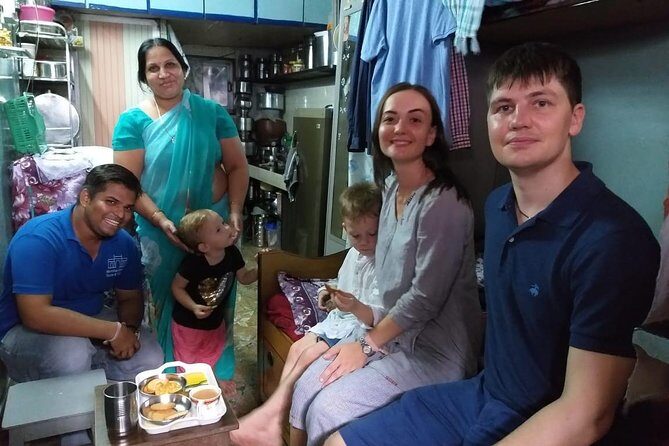
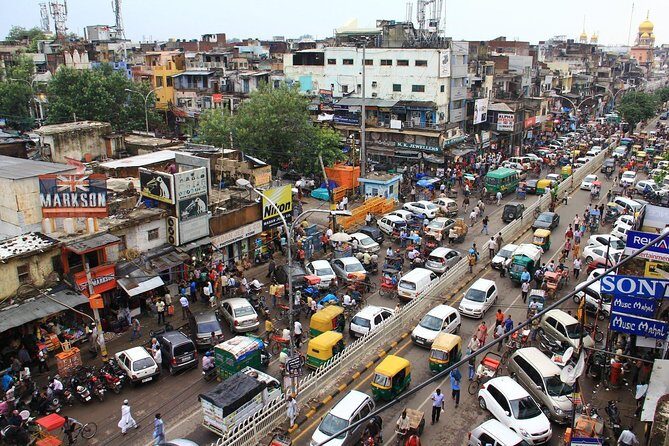
Dharavi is one of those places people talk about from far away, using stereotypes. This tour changes the frame. Instead of treating Dharavi like a single story of poverty, you see it as a working community—one where recycling, making, trading, and entrepreneurship happen every day.
The experience feels grounded because the guide is someone who lives in Dharavi. That matters. You’re not relying on generic explanations. You’re getting answers that come from everyday routes, everyday routines, and everyday challenges. And yes, you do get the chance to try pottery, which helps you slow down and pay attention to what you’re seeing.
The biggest reason I think this tour works is that it’s not built around spectacle. It’s built around understanding. You spend time learning from residents at local homes and businesses, which makes the neighborhood feel like a place where life continues at full speed.
You can also read our reviews of more tours and experiences in Mumbai.



Your Guide Isn’t a Script: Learning From Residents in Real Spaces
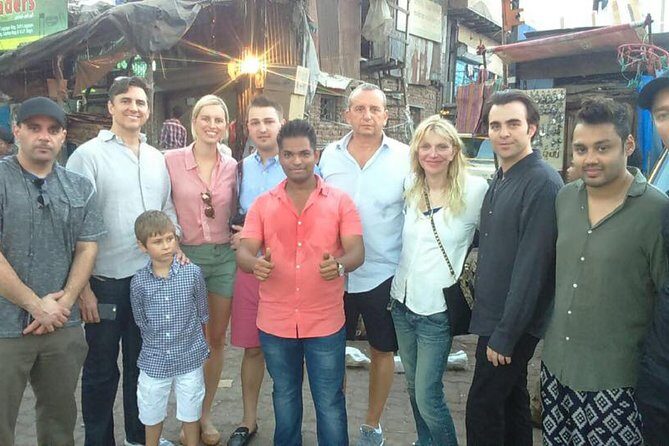
One of the most praised parts of this tour is the guide—people repeatedly mention feeling safe, not rushed, and genuinely informed. Names like Smith, Alkama, Rakesh, Hardik, and Dinesh show up in the guide stories. What those names have in common is simple: they’re described as resident guides who can explain both the commercial areas and the residential areas with clarity.
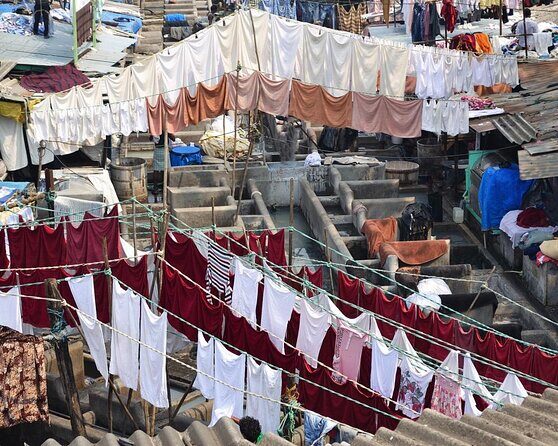
In practice, that means you’ll hear things in context. You’re walking through areas shaped by work—small production, repair, recycling, and street-level commerce. Then, you step into homes and businesses long enough to understand what daily life looks like, not just what it looks like from the road.
Two details I’d highlight because they change your experience:
- The guide lives there, so the conversation doesn’t feel like sightseeing patter.
- You’re learning, not just observing, since you spend time with residents in their spaces.
This is also where respect comes in. You’re visiting homes and workshops, so you should keep your tone calm, ask questions politely, and accept that some topics may be personal. If you go in expecting to be entertained, you’ll miss the point. If you go in ready to learn, you’ll get a lot more.
Pottery Workshop Time: Hands-On Instead of Photo Stops
Most city tours give you a few minutes at a viewpoint and move on. This one slows you down with a pottery workshop. You’ll get to try it—at least long enough to feel the difference between watching craft work and doing it yourself.
Even with limited time, pottery is a smart choice for this tour. It forces you to notice:
- the process, not just the product
- how much skill comes from repetition
- how tools and materials connect to local making
If you’re the type who likes experiences with a tangible outcome, you’ll probably appreciate this stop. And if you’re worried about feeling like a visitor passing through someone else’s workplace, hands-on activity can help shift the dynamic. You’re working alongside the environment, not hovering over it.
Inside a Family Home for Vegetarian Food
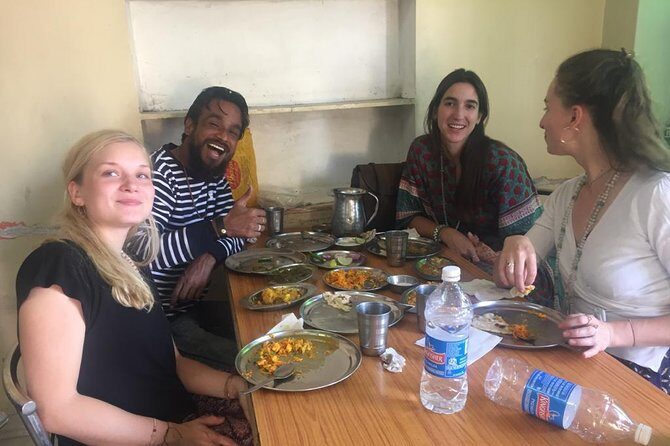
Another part of the experience that earns consistent praise is the meal. You’ll dine on vegetarian fare in a family home. That changes the tour from a walk to something closer to a cultural exchange—because food invites conversation.
A few practical thoughts:
- Go in hungry. The meal is part of how the tour builds understanding.
- Keep expectations modest. A family meal on a community tour is not a restaurant experience.
- Be ready for basic hospitality. In similar feedback patterns, people mention being invited to tea—small gestures that make the visit feel personal rather than transactional.
I like this element because it nudges you beyond the visual. It reminds you that daily life includes cooking, hosting, and sharing, not only work. And it’s one more way the tour reinforces the idea that Dharavi is a place with systems and routines, not just an image.
Walking Through Dharavi: Timing, Heat, and Group Size
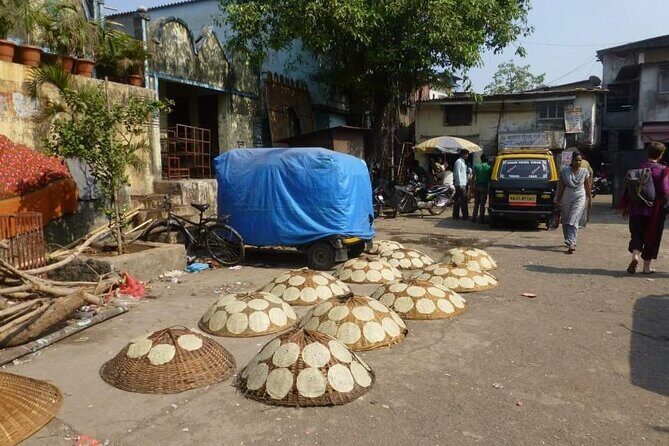
This is a 2-hour tour (approx.). That’s short enough to fit into a busy Mumbai plan, but long enough to feel like you actually covered ground and met people, not just glanced around.
The tour runs in small groups—with a maximum of 20 travelers—so the pacing tends to stay manageable. You’re also given bottled water, which is a nice touch, especially because one of the practical notes you’ll want to follow is the heat factor. People specifically mention that it can get hot and suggest bringing something like a cap and staying hydrated. Do that. Mumbai sun doesn’t care about your itinerary.
What to wear is spelled out clearly, and I strongly agree with it:
- Modest clothing (for women: no sleeveless shirts, short shorts, or low tops)
- Closed-toed shoes
You’ll be on your feet and walking through everyday spaces. Flip-flops are just a bad idea here.
Also, you should think about when you’re going. The tour offers variety in start times, so choose what matches your energy and the day’s heat. If you’re sensitive to sun or standing, aim earlier.





Getting There: Start at Third Wave Coffee, End Near Easy Rides
The meeting point is very specific, which helps a lot when you’re trying to find it without stress. The tour starts at Third Wave Coffee, Tip Road, Unit no. 58, Ground, Ram Mahal, Senapati Bapat Marg, Marinagar Colony, Station, Mahim, Mumbai, Maharashtra 400016.
You’ll end at Sai Multispeciality Hospital & Research Centre, 90 Feet Rd, behind Sion Hospital, Muslim Nagar, Kumbhar Wada, Dharavi, Mumbai, Maharashtra 400017.
Two practical benefits here:
- You’ll be near public transportation, which helps if you’re hopping between sights.
- It’s noted that you can get Uber cabs easily at the end, which makes leaving simpler than trying to coordinate last-mile transport.
If you’re planning the day, build in a little buffer time around the start so you don’t feel rushed at check-in.
Price and Value: Why About $13.42 Can Make Sense
At $13.42 per person, this tour is priced in a way that surprises people used to Mumbai tours that cost much more for a basic walk. The value isn’t only that it’s inexpensive. It’s what you’re paying for:
- an English-speaking guide who lives in Dharavi
- time spent with residents at homes and businesses
- a pottery workshop
- bottled water
- vegetarian dining in a family setting
In other words, you’re not paying just for movement through streets—you’re paying for access, explanation, and guided time. And because the group is capped at 20, the guide time is more likely to feel focused rather than lost in a crowd.
That doesn’t mean it’s a magical deal where everything is perfect. But at this price point, it’s hard to argue you’re overpaying, especially if you’re looking for a real community visit rather than a generic checklist.
Safety and Sensitivity: How to Do This Visit the Right Way
Feeling safe is repeatedly mentioned in the positive feedback. That aligns with the tour design: you’re walking with a resident guide who knows the area, and the group stays together.
Still, you should show up with the right mindset. A slum tour can go wrong when visitors treat residents like a photo opportunity. This experience is positioned around learning from residents, including time inside local homes and businesses, so respect isn’t optional—it’s the foundation.
Here’s how to set yourself up for a smoother, kinder visit:
- Keep your questions respectful and specific. Asking about work, daily routines, and crafts usually lands well.
- Follow the guide’s lead on where to stand and how to behave in private spaces.
- Dress modestly and wear closed-toe shoes, not only for comfort but also for courtesy.
- Expect that it’s a real neighborhood. Some parts may feel intense. That’s part of why the experience can change your thinking.
If you go in with curiosity and care, this tour has a good chance of being more meaningful than it sounds on paper.
Should You Book This Dharavi Slum Tour?
I’d recommend booking if you want a Mumbai experience that’s not just about buildings and views. You should book if you like:
- resident-led tours that explain real day-to-day life
- time spent with people in homes and businesses
- a hands-on stop like a pottery workshop
- a shared meal that turns the visit into conversation
I’d skip it if you’re uncomfortable with walking in warmer weather, modest dress requirements, and the emotional weight that can come with seeing how people live and work in a dense community. Also, if your idea of travel is mostly big-ticket landmarks and minimal interaction with everyday places, this may feel too close to reality.
If you do book, bring a cap, drink the water they provide, and give the guide your full attention. The tour works best when you treat it like a learning experience, not a spectacle.
FAQ
How long is the Dharavi Slum Tour in Mumbai?
The tour lasts about 2 hours.
Is the guide English-speaking?
Yes. The tour includes an English-speaking guide who lives in the slum area.
Does this tour include a mobile ticket?
Yes. The tour uses a mobile ticket.
What’s included in the tour price?
It includes an English-speaking guide who lives in the slum and bottled water. You’ll also have time learning with residents and you’ll try pottery and eat vegetarian food in a family home as part of the experience.
Where does the tour start and end?
It starts at Third Wave Coffee on Tip Road in Mahim (400016). It ends at Sai Multispeciality Hospital & Research Centre on 90 Feet Rd in Dharavi (400017).
What should I wear?
Wear modest clothing (no sleeveless shirts, short shorts, or low tops for women) and closed-toed shoes.
How many people are in the group?
The tour has a maximum of 20 travelers.