REVIEW · NEW DELHI
Delhi: Half or Full-Day Private Tour with Tuktuk Ride
Book on GetYourGuide →Operated by India Arrival Tours · Bookable on GetYourGuide
Delhi is two cities wearing one skin. This private tour is built for that contrast, with a local guide and a tuk tuk ride that drops you right into Old Delhi’s street-level energy. I particularly like the Old vs New Delhi mix, and I also like how the schedule can bend to your interests instead of dragging you through checkboxes. One possible drawback: you’ll spend a lot of time riding and walking in busy areas, so comfortable clothes and long pants matter.
The best part is the way your guide ties places to stories you actually remember. You’ll hit major sites like Raj Ghat and Humayun’s Tomb, then swing into calmer modern landmarks like Lotus Temple and Lodhi Garden. You also get practical payoffs like help with photos and a lunch stop at a multi-cuisine microbrewery. Still, monument and camera fees are usually extra unless you select that option, and the day can feel rushed if you pick a full-day itinerary without breaks.
In This Review
- Key highlights worth your time
- Old Delhi by tuk tuk: Chandni Chowk and the spice trail
- Raj Ghat and Humayun’s Tomb: Mughal graveyard energy and photo gold
- Unity in diversity on your route: Sikh temple and religion stories at Lotus Temple
- Lodhi Garden: a smart walk to cool down and connect the dots
- The lunch break at a microbrewery: what to expect and how to budget
- Price and logistics that actually matter (and who this fits best)
- Should you book this Delhi half or full-day private tour?
- FAQ
- Is this tour half-day or full-day?
- What’s included in the tour price?
- Are monument entrance fees included?
- Are meals included?
- Does the tour include hotel pickup and airport pickup?
- What vehicle will you use?
- What languages are available for the guide?
- What should I wear or bring?
- Is this tour suitable for wheelchair users?
- Can I cancel?
Key highlights worth your time
- Private local guide, not a radio tour: clear explanations and smart pacing
- Old Delhi by tuk tuk: a quick way to feel the neighborhood, not just pass it
- Asia’s largest spice market stop: you’ll see and smell why Khari Baoli is famous
- Humayun’s Tomb (UNESCO): Mughal-era storytelling plus strong photo angles
- Sikh temple + community kitchen (langar-style): a real look at how faith shows up in everyday care
- Lotus Temple and Lodhi Garden: modern calm after the traffic and crowds
Old Delhi by tuk tuk: Chandni Chowk and the spice trail
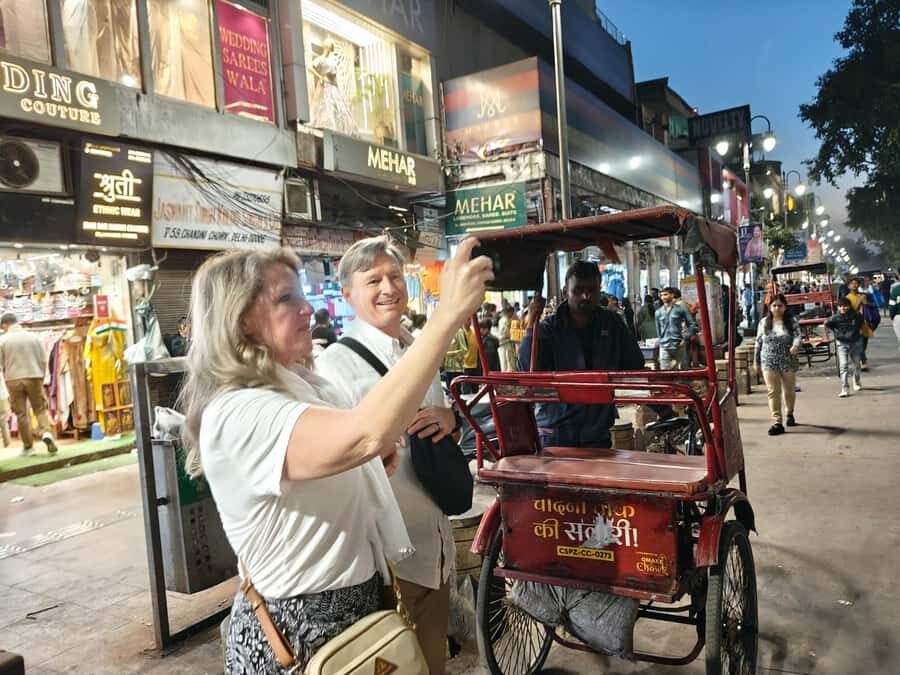
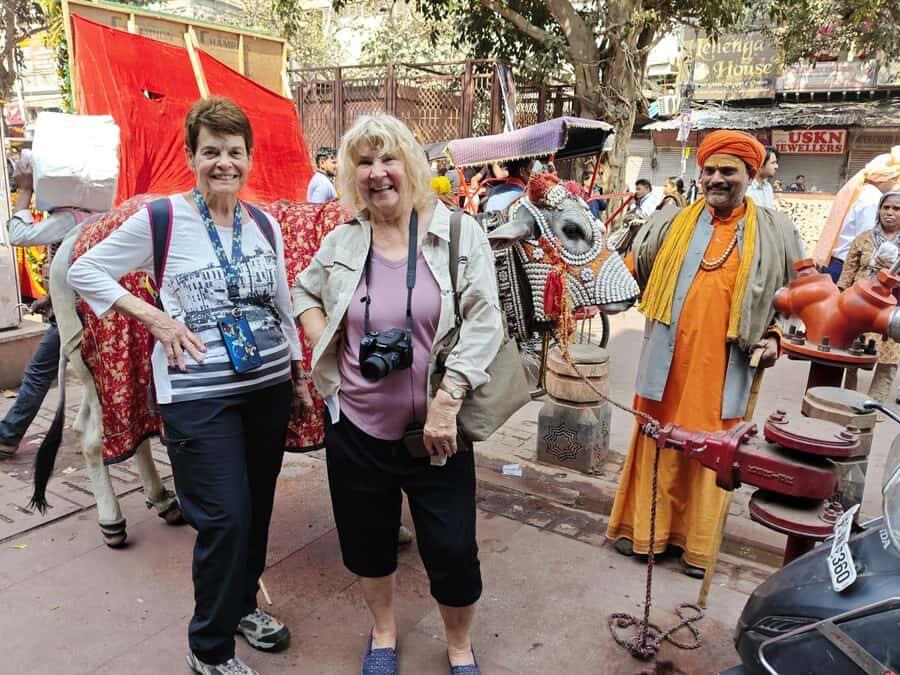
Old Delhi can feel like sensory overload at first. That’s exactly why the tuk tuk ride works here. It’s not just transportation; it’s a way to slow down visually while still moving through lanes that cars can’t handle easily. Once you’re in the flow of the neighborhood, you’ll start to understand how Delhi became a city of markets—constant activity, dense foot traffic, and daily rhythms that locals seem to carry like muscle memory.
One of the main anchors is Chandni Chowk, sometimes called Moonlight Square. Your guide will set the scene first, then share the story behind the name as you walk. Expect an active market atmosphere, shopfront-to-shopfront, with people moving in every direction. This is also where you’ll pick up context for why Old Delhi stays a street-food paradise. The tour is designed to help you understand what you’re seeing, not just point and snack.
Then comes the big sensory hit: Asia’s largest spice market. If you’ve only seen spices in supermarkets, this is your reality check. You’ll watch how spices are displayed, handled, and sold, and you’ll learn why these markets matter culturally, not only culinarily. Your guide also weaves in the kind of stories you’d never catch by yourself—how the market became a hub and how different communities shaped what you find here.
You may also have time for the famous savory street snack called chat. Even if you don’t go full enthusiast, the stop is still useful because it helps you read the city. You’ll see how people order, how flavors get talked about, and how the market conversation moves as fast as the crowd.
Practical tip: wear shoes you don’t mind getting dusty and keep water handy. Old Delhi is not the place for delicate footwear.
You can also read our reviews of more private tours in New Delhi



Raj Ghat and Humayun’s Tomb: Mughal graveyard energy and photo gold
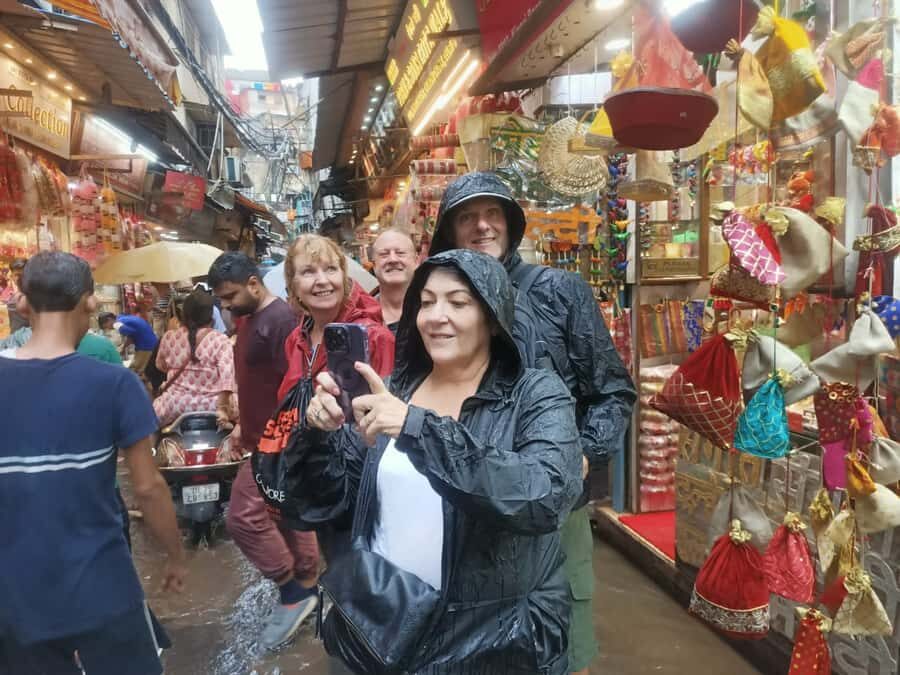
After the market intensity, the tour pivots into heavier themes. This is where Delhi changes tone, and it’s a good reminder that the city isn’t only noise and color. Raj Ghat is a stop that carries a quiet weight. The memorial atmosphere can be a contrast shock after crowded bazaars, which is exactly why it works on a guided day: you get the meaning without needing to sort it out alone.
Then the tour heads toward one of the most memorable landmarks for pictures and context: Humayun’s Tomb. It’s a UNESCO world heritage site, and the guide’s storytelling is part of the value. You’ll hear the idea of Humayun’s Tomb as part of the Mughal royal legacy—often described as a place that reflects the beginnings and endings of great imperial chapters in India. Whether you’re a history person or not, the structure itself makes the story click: symmetry, garden layouts, and stone work that looks designed to hold time in place.
What I like about this stop is the photo payoff. Even if your camera is just your phone, you’ll get guidance for angles—especially because guided days usually help you time viewpoints better than an unplanned visit. You’ll also get a sense of why visitors return here again and again: the setting feels composed, like the city lets you stand still for a minute.
One consideration: if you’re doing a half-day option, this area can be the one place where you’d benefit from a little extra time. The tomb and its surroundings reward slow looking.
Practical tip: bring something light to cover your shoulders if you plan to linger near sacred spaces, and always follow local guidance on where you can walk and photograph.
Unity in diversity on your route: Sikh temple and religion stories at Lotus Temple
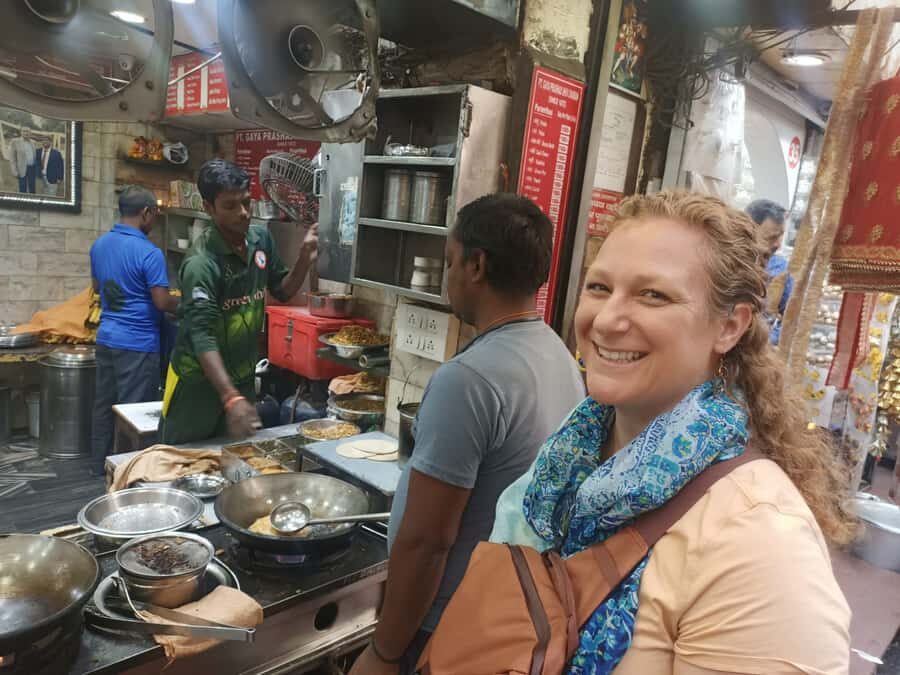
Delhi is often described as a city of many faiths living in the same neighborhoods. This tour leans into that idea in a way that feels practical, not just slogan-level. One of the most human stops is a Sikh temple, where you can see how the community kitchen works. The tour is framed around how langar-style care runs on principles of service and equality, and watching that in action helps you understand the city beyond monuments.
This is also where the guide’s ability to explain matters. You’re not just being shown buildings—you’re being helped to connect the dots between religion, daily routines, and how people treat strangers. It’s the kind of stop that makes the rest of the day feel more meaningful, because it shows how belief turns into behavior.
Later you’ll visit Lotus Temple, and the guide turns the lens toward the big picture: the chronology of the world’s religions. You won’t have to be a scholar to get something from this. The point is to understand how different faith timelines connect and how visitors and locals interpret the idea of shared space. Even if you don’t agree with every framework, it’s an effective way to make the city’s spiritual landscape feel understandable.
Practical tip: Lotus Temple and similar sites can be calm, so it’s tempting to rush. Try not to. Take a few minutes to just watch how people move through the space. That alone helps you reset after Old Delhi.
Lodhi Garden: a smart walk to cool down and connect the dots
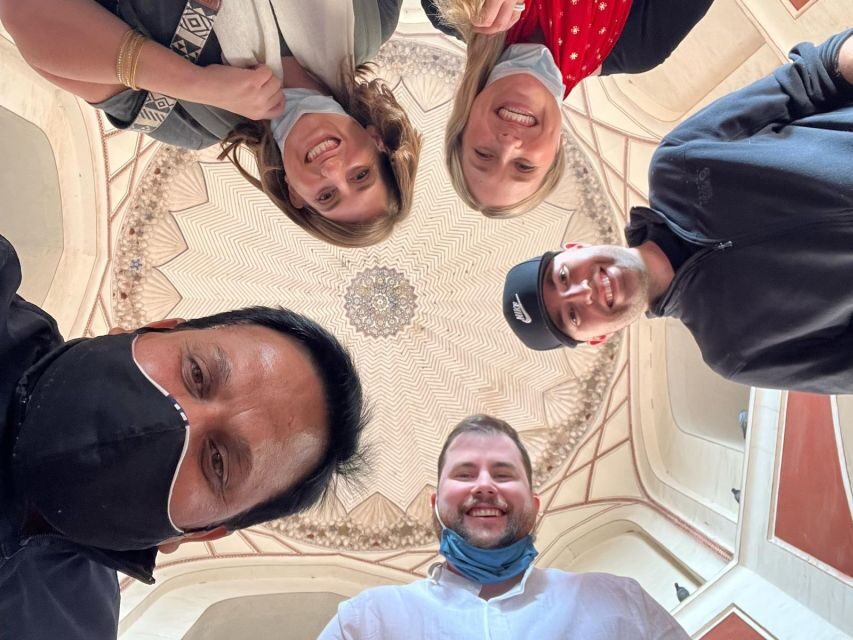
After religious and historical landmarks, the tour finishes with Lodhi Garden, where you can step away from the main road chaos. This garden stop is a nice rhythm change. You get open space, softer pacing, and a chance to let everything you learned about Delhi settle into place.
The value here isn’t just the scenery. It’s the logistics of comfort. By the time you reach Lodhi Garden, you’ve already done markets, tombs, and memorials. Walking slowly in a garden is how you prevent the day from turning into a blur of driving and sight-seeing.
This final stretch also gives you a natural buffer for photos. If you’re someone who loves getting a clean shot without the crowd pressure, gardens can be much kinder than busy streets. And if you’re traveling with someone who doesn’t want every stop, Lodhi Garden can still feel worthwhile because it works as a lighter moment in the schedule.
Practical tip: if it’s hot, gardens are where you can slow down without feeling like you’re wasting time.
The lunch break at a microbrewery: what to expect and how to budget

A tour like this needs fuel, and the plan includes a lunch break at a microbrewery-style multi-cuisine restaurant. That’s a clever pairing: you get a real sit-down meal after hours in motion, and you’re not stuck with only one type of food.
Here’s the budgeting reality. The tour highlights the lunch stop, but meals are not included. So you’ll want to plan for what you’ll actually eat and drink. The good part is you’re not paying extra to get to the restaurant—your tour handles the time and placement, while you handle your personal order.
If you’re picky, multi-cuisine helps. If you’re brave, this is where you can try something you didn’t want to gamble on in a street-food stall. Either way, it’s one of those moments that makes the rest of the tour feel easier to enjoy.
Practical tip: if you’re interested in local flavors, ask your guide what’s easiest to try. A good guide will help you avoid the common mistake of over-ordering spicy food when you’re already tired.
A few more New Delhi tours and experiences worth a look






Price and logistics that actually matter (and who this fits best)

At $23 per person, this is the kind of tour that can feel like a bargain in a city where transport and guiding can add up fast. The value comes from what’s bundled: a private air-conditioned vehicle, hotel pickup and drop-off (and airport pickup/drop-off if needed), and a live local tour guide. Plus, you get the tuk tuk ride in Old Delhi, which would be hard to replicate without local help.
The group-size setup is also thoughtful. Expect an air-conditioned sedan for 1–2 people, an MUV for 3–5, and an air-conditioned mini-van for larger groups. That matters because Delhi traffic can chew up patience, and a comfortable vehicle helps you stay focused on the sights instead of suffering.
The tour is also designed to be flexible. Based on guide behavior you can reasonably expect, the route can shift to match your interest level—whether you want more photo stops, more market time, or more focus on major monuments. Guides like Rahis Khan and Neeraj Singh are specifically noted for punctuality, adjusting stops, and giving strong explanations. You may even find language support such as German, Spanish, French, or English, depending on what’s available.
What’s not included is just as important for value: monument entrance and camera fees are not included unless you choose the option. That can affect the final spend, especially if you plan to photograph extensively or you’re trying to avoid any surprises.
This tour is usually a great match for:
- First-time visitors who want Old and New Delhi in one day
- People who prefer a private guide and direct answers
- Anyone who likes markets but wants context so it doesn’t turn into confusion
- Couples and small groups who want comfort without giving up authenticity
One more note: it’s not suitable for wheelchair users, and pets aren’t allowed. If mobility is a concern, plan for walking time in busy areas and consider a shorter option if available.
Should you book this Delhi half or full-day private tour?
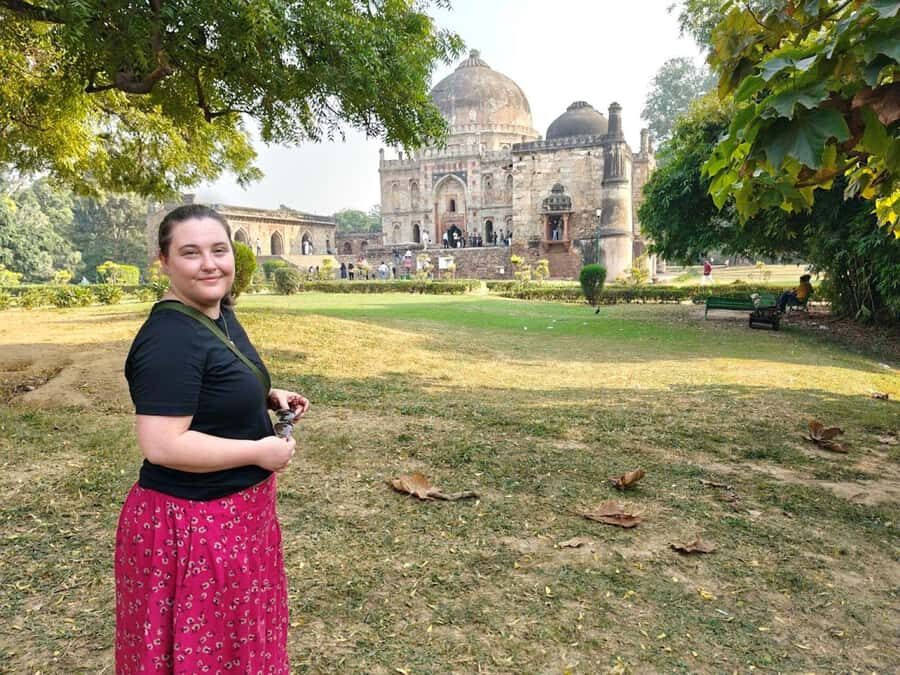
I think you should book if you want a guided day that balances major sights with local street reality, and you care about explanation as much as sightseeing. The combination of Old Delhi markets + tuk tuk ride, history stops like Raj Ghat and Humayun’s Tomb, and the calmer finish at Lotus Temple and Lodhi Garden is a strong formula, especially if you like learning as you go.
Skip it or reconsider if you hate walking in crowds, you want zero extra costs for entrances and photos, or you’re traveling with someone who needs fully accessible routes. Also, if you’re extremely time-pressed, a half-day can be smarter so the day doesn’t feel like you’re chasing the clock.
If you’re the type who loves good photos and wants the guide to help with timing and angles, this is a solid bet. And with guides known for being punctual and flexible, you’re likely to feel like the day was built around you—not just around a fixed script.
FAQ

Is this tour half-day or full-day?
It’s offered as either a half-day or full-day private tour, depending on what you choose at booking.
What’s included in the tour price?
The tour includes sightseeing in a private air-conditioned vehicle, a tuk tuk ride in Old Delhi, a live local tour guide, and hotel pickup and drop-off. Airport pickup and drop-off are also included.
Are monument entrance fees included?
No. Monument entrance and camera fees are not included unless you select an option that adds them.
Are meals included?
Meals are not included. The tour includes a lunch break stop at a multi-cuisine restaurant, but you’ll pay for your food.
Does the tour include hotel pickup and airport pickup?
Yes. The tour includes hotel pickup and drop-off and also airport pickup and drop-off.
What vehicle will you use?
The vehicle depends on your group size: 1–2 people get an air-conditioned sedan (such as Toyota Etios or similar), 3–5 get an air-conditioned MUV (such as Toyota Innova or similar), and 6–15 get an air-conditioned mini-van (such as Tempo Traveler or similar).
What languages are available for the guide?
The languages listed are English, German, Spanish, and French.
What should I wear or bring?
Wear comfortable clothes and plan on bringing long pants.
Is this tour suitable for wheelchair users?
No, it’s not suitable for wheelchair users.
Can I cancel?
You can cancel up to 24 hours in advance for a full refund.