REVIEW · NEW DELHI
Private 5-Day Golden Triangle Tour from New Delhi
Book on Viator →Operated by S.A.M Tours & Travels · Bookable on Viator
Delhi to Jaipur in five days can actually feel smooth. This private Golden Triangle tour earns its popularity with full-day, guided sightseeing (including breakfast and hotel pickup/drop-off), plus city-to-city logistics handled for you. I especially like the way the plan mixes big-ticket icons with street-level moments like a rickshaw ride through Old Delhi. The possible drawback: monument entrances and most food/drinks are not included, so you’ll want a little extra cash for tickets, snacks, and tips.
One more thing I care about on this kind of trip: the human factor. The guides and drivers behind this experience show up in the details, with names like Dr. Shyam, Anil, Pawan, and Kalsana, and drivers such as Ashok, Teekam, Raj Kumar, and Pradeep mentioned for being reliable and careful. You’re still doing a lot of days and sights in a row, so it helps if you’re okay with early starts—especially the day with Taj Mahal sunrise.
In This Review
- Key things to know before you go
- The Golden Triangle payoff: why this route keeps working
- Price and logistics: what $395 buys you (and what you still pay for)
- Day 1 in Delhi: Jama Masjid, Chandni Chowk rickshaw, Red Fort, and Qutub Minar
- Day 2 to Agra: Agra Fort at golden hour and a special Taj return
- Day 3: sunrise Taj Mahal plus the city-of-ghost stop on the way to Jaipur
- Day 4 in Jaipur: Amber Fort, City Palace, the observatory, and Hawa Mahal
- Day 5 back to Delhi: wrap-up without extra stress
- Who this tour is best for (and who should reconsider)
- Should you book this private Golden Triangle?
- FAQ
- What cities are included in the 5-day Golden Triangle tour?
- What is included in the tour price?
- Are monument entrance fees included?
- Where do we meet, and what time does the tour start?
- Is this tour private?
- Is the tour wheelchair accessible?
- Will I get a guide in my language?
- What is the cancellation policy for a full refund?
Key things to know before you go
- Private, not shared: only your group participates, which makes pacing and photo stops easier.
- Breakfast and hotel pickup included: you start the day ready, not scrambling for transport.
- Old Delhi on Day 1: Jama Masjid plus a rickshaw ride and Chandni Chowk brings the city to life fast.
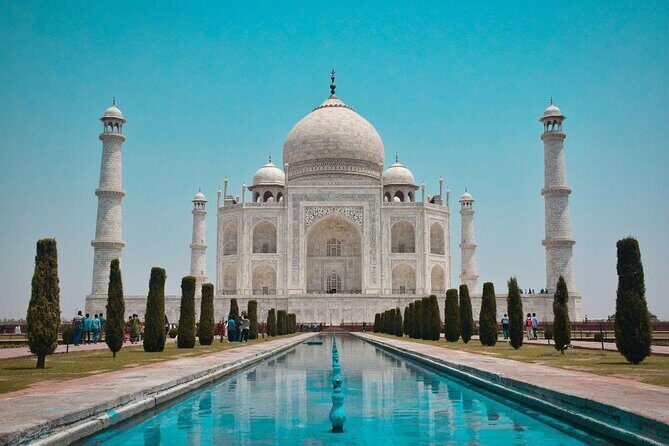
- Sunrise Taj Mahal: you’ll be up early for the light change that people travel for.
- Built-in day structure: guided blocks in each city reduce decision fatigue (and missed sights).
- Accessibility is supported: the tour is wheelchair accessible, but it’s smart to confirm specifics if you have tight mobility needs.
The Golden Triangle payoff: why this route keeps working
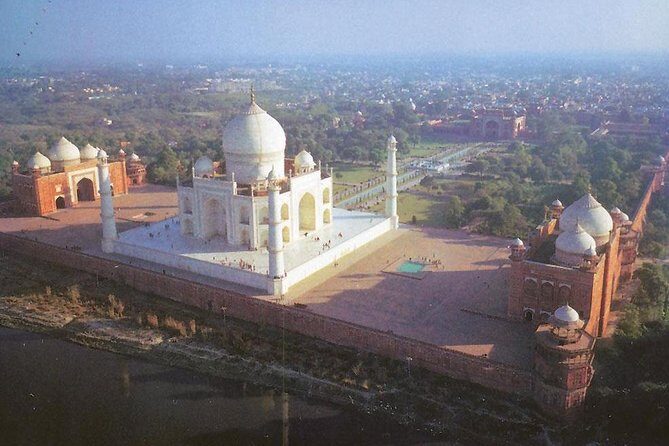
If you’ve only got a few days, Delhi–Agra–Jaipur is the highest concentration of India highlights. You get layers: Delhi’s Mughal-era power and British-era landmarks, Agra’s Mughal masterworks, and Jaipur’s Rajput palaces and courtly architecture.
What makes this particular version feel like good value isn’t just that it hits famous stops. It also keeps the experience guided end-to-end, with hotel pickup/drop-off and a professional guide for your sightseeing blocks. That matters on day one in particular, because getting your bearings through Old Delhi is the difference between a fun day and a frustrating one.
You can also read our reviews of more private tours in New Delhi


Price and logistics: what $395 buys you (and what you still pay for)
At $395 per person for roughly five days, the big-ticket items are largely handled: 4-night accommodation, a professional guide, meals as per the itinerary, and hotel pickup and drop-off. The highlights also note that all taxes, fuel surcharges, and service fees are included, which is the kind of pricing clarity that keeps the trip stress-free.
What’s not included is the common extra budget category for India tours: monument entrances, food and drinks, and gratuities. So while the sticker price looks straightforward, you should still plan for ticket fees on sites like the forts and palaces, plus lunch and bottled water. If you prefer a heavier lunch plan (or travel with kids), you’ll feel this more.
Also note the meeting point: IGI Airport Terminal-3 in Delhi, with a start time of 8:00 am. That’s early enough that I’d treat the night before as a buffer night—especially if your flight lands later in the day.
Day 1 in Delhi: Jama Masjid, Chandni Chowk rickshaw, Red Fort, and Qutub Minar
Day 1 is an efficient mix of monumental and street-level Delhi. After breakfast, you begin at Jama Masjid, India’s biggest mosque. This is one of those places where a guide earns their keep, because you’ll notice architectural details and historical references faster when someone points them out clearly.
Next comes the Old City rhythm: a rickshaw ride through the area, followed by the busy market lanes around Chandni Chowk. I like this sequence because it gets you from “wow, big mosque” to “oh, this is how people actually live around the monuments.”
From there, you’ll visit the Red Fort, built by Emperor Shahjahan and protected as a UNESCO monument. Then the route continues to Raj Ghat, a memorial for Mahatma Gandhi, which adds a reflective break after the visual intensity of Old Delhi.
After lunch, you’ll drive toward India Gate, built during the British era. It’s a different architectural mood than the Mughal sites, and it helps you understand how Delhi layers eras in the same city.
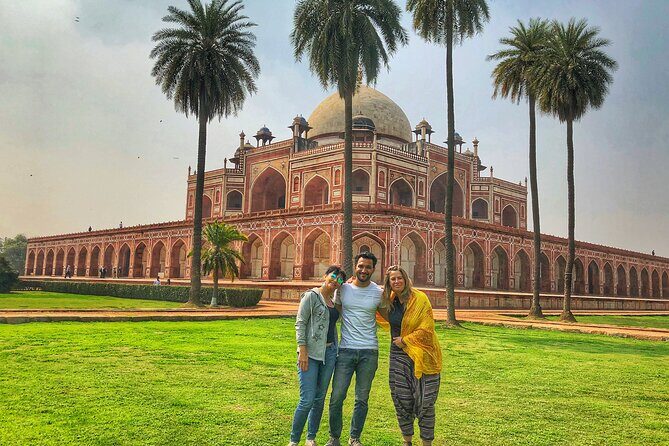
The afternoon and evening include Humayun’s Tomb and Qutub Minar. Humayun’s Tomb is described here as an inspiration for the world-famous Taj Mahal, and Qutub Minar is the world’s tallest tower, constructed by Qutubuddin Aibak and Iltatmish. If you’re the type who likes seeing cause-and-effect in architecture, these two stops work well back-to-back.
Practical tip: Delhi day one can run warm and crowded depending on the season. Comfortable shoes matter for Old Delhi lanes, and sunglasses help for the open monument courtyards.
Day 2 to Agra: Agra Fort at golden hour and a special Taj return
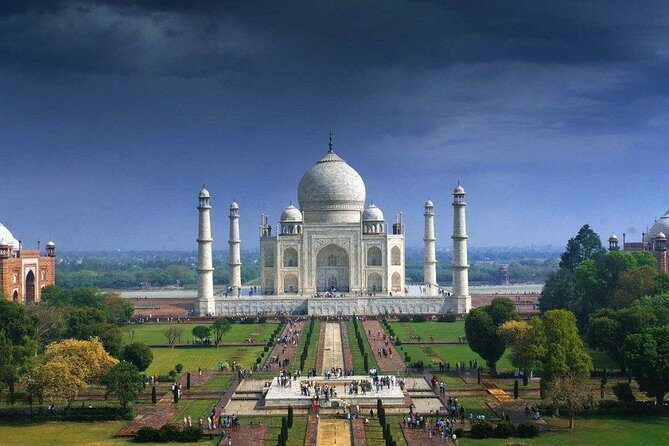
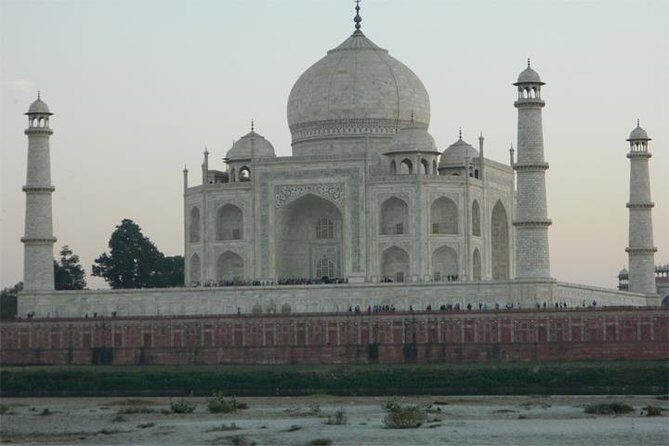
Day 2 starts with the drive to Agra. After lunch, you tackle Agra Fort, raised by Emperor Akbar. Even if you’ve seen forts before, this one feels different because it’s strongly tied to Mughal power and the courtly world around it.
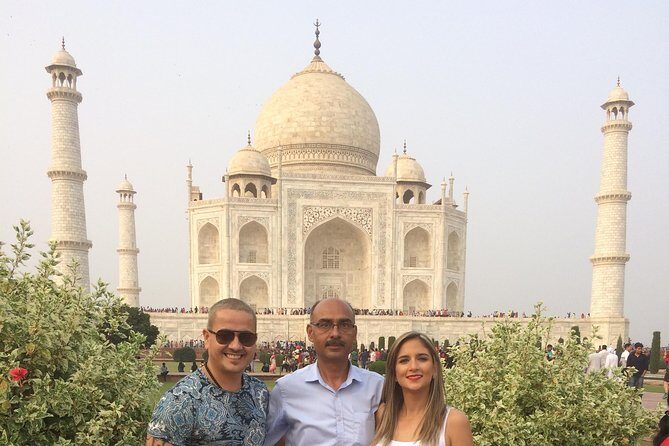
The big moment is the Taj Mahal. The way it’s framed here is not just as pretty marble—this stop is about love, plus architecture, geometry, and symmetry. You’ll also hear plenty of explanation from your guide, which is important because Taj Mahal “what you’re looking at” gets much better when someone connects the design choices to the story.
Then comes a memorable detail: your return from the Taj Mahal is described as a horse-driven carriage called Tonga. That’s a small add-on, but it’s the kind of local experience that makes a cookie-cutter tour feel more personal.
A consideration: since monument entrances aren’t included, the Taj stop may add a separate ticket cost depending on what’s required. I’d budget for that so you’re not doing math while standing in line.
Day 3: sunrise Taj Mahal plus the city-of-ghost stop on the way to Jaipur
Day 3 begins early, with sunrise at the Taj Mahal. This is the light-changing moment people chase, and this tour specifically schedules it that way. Even if you’ve seen photos before, sunrise tends to reduce the glare and makes the experience feel calmer.
After the early Taj visit, you set off toward Jaipur en route, stopping at the fabled city of ghost. The tour description ties it to Mughal emperor Akbar and to a sufi saint, Shaikh Saleem Chishti. That connection is a strong example of how Mughal-era sites often blend politics, spirituality, and urban planning.
On the way to Jaipur, there’s another standout: Abaneri, with its stepped well designed to handle water needs in a desert state. I like this kind of stop because it shifts the trip from purely ceremonial monuments to practical engineering. You get another angle on how Rajasthan’s dry climate shaped what people built.
Then the day softens in the evening with an Aarti at the Birla Temple. This adds a live cultural moment rather than only sightseeing from a distance.
A quick pacing note: sunrise tours can be tough if you’re traveling with jet lag or if you dislike early wake-ups. If you do like early mornings, this is one of the best days to lean into.
A few more New Delhi tours and experiences worth a look




Day 4 in Jaipur: Amber Fort, City Palace, the observatory, and Hawa Mahal
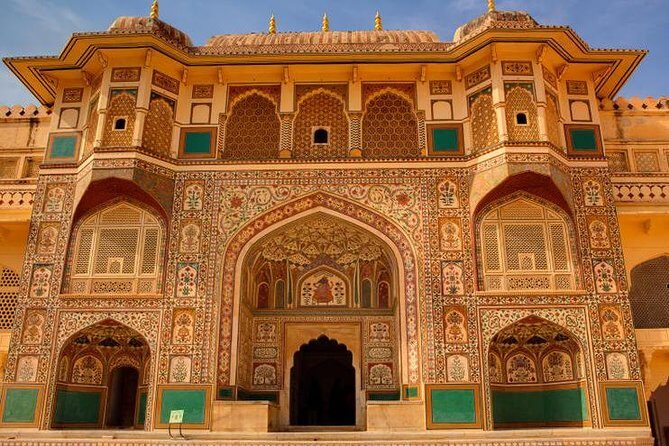
Jaipur day is built around the royal architecture loop. You start with Amber Fort, which is one of the most iconic forts in the region. Even before you understand every detail, you’ll feel the scale and design logic as you approach and move through.
Next is a fuller day of city sights: City Palace, an observatory, and Hawa Mahal. City Palace keeps the focus on royal power and residence culture. The observatory offers a different kind of curiosity—more science and measurement than just aesthetics. And Hawa Mahal, known for its facade design, is the perfect visual contrast after the heavier fort experience.
What I like here is that the day covers both “big postcard” Jaipur and the more functional side of royal planning. If you’re the type who enjoys seeing how different buildings served different purposes, this structure helps you connect the dots faster.
Practical tip: Jaipur can be bright. If you want great photos, plan for midday shadows and try to use the guide’s timing so you’re not always shooting into harsh sun.
Day 5 back to Delhi: wrap-up without extra stress
Day 5 is departure back to Delhi for your flight. Since the tour ends back at the meeting point, IGI Airport Terminal-3, you avoid the common last-day problem of needing to coordinate transportation on your own.
This is also where you’ll feel whether the pacing worked for you. If you like steady sightseeing with minimal planning, the final day feels straightforward. If you prefer slow travel, you may wish you had one extra day in Jaipur—because that city is often the one people want more time in.
Who this tour is best for (and who should reconsider)
This Golden Triangle tour is a good fit if you want a well-run, private structure that handles the driving and guiding across three cities. You’ll likely enjoy it if you appreciate iconic monuments but also like small texture moments, like the Old Delhi rickshaw ride and the sunrise Taj scheduling.
It’s also a solid option for families and mixed groups because private format helps everyone move together, and the tour description says most travelers can participate. The fact that it’s wheelchair accessible is a real plus, though your best move is to check any specific mobility details before you lock it in.
Who might reconsider: if you don’t want early starts, the Taj sunrise day could feel demanding. And if you prefer fully included pricing with entrances and meals covered, this one may require a bit more budgeting on-site.
Should you book this private Golden Triangle?
If you want high value for a five-day whirlwind—plus breakfast, guided sightseeing, and pickup/drop-off—this is the kind of tour that makes sense. The strongest advantages are the way the itinerary mixes monumental sites (Jama Masjid, Red Fort, Humayun’s Tomb, Qutub Minar, Agra Fort, Taj Mahal, Amber Fort) with moments that feel more local (rickshaw ride, Tonga return, Abaneri’s stepped well, Birla Temple Aarti).
My main caution is simple: monument entrances and food/drinks are not included, so plan for those extras. If you do that, you’ll spend less time thinking and more time actually seeing.
If your group wants a private setup with professionally run logistics and you’re comfortable with a packed schedule, I’d say booking is a smart move.
FAQ
What cities are included in the 5-day Golden Triangle tour?
The tour covers Delhi, Agra, and Jaipur.
What is included in the tour price?
It includes 4-night accommodation, a professional guide, meals as per the itinerary (including breakfast 4 times), hotel pickup and drop-off, and it notes that all taxes, fuel surcharges, and service fees are included.
Are monument entrance fees included?
No. Monument entrances are not included.
Where do we meet, and what time does the tour start?
The meeting point is IGI Airport Terminal-3, Delhi 110037, India, with a start time of 8:00 am.
Is this tour private?
Yes. It’s private, and only your group will participate.
Is the tour wheelchair accessible?
Yes, the tour is described as wheelchair accessible.
Will I get a guide in my language?
The tour may be operated by a multi-lingual guide, depending on availability.
What is the cancellation policy for a full refund?
You can cancel up to 6 days in advance for a full refund (and the cutoff is based on the experience’s local time).