REVIEW · JAIPUR
Culture and Heritage Walk | Pink City Jaipur
Book on Viator →Operated by Nomadic Tours India · Bookable on Viator
Jaipur turns real when you move one lane at a time. This culture and heritage walk strings together bazaars, religious architecture, and everyday traditions in a simple 3-hour stroll, with lots of chances to pause for photos and taste what the old city is famous for. It’s led by a guide, and past groups have been guided by names like Deepak, Harshit, Ayush, and Aayush—people who clearly love showing off Jaipur.
I especially like the focus on working markets and the small things you’d miss if you just wandered. You get the kind of context that makes the city feel less like a photo backdrop and more like a living place. I also like that the route is built around snacks and sweets from legendary old shops, so your walk has rhythm, not just sightseeing.
One drawback to plan for: it’s a walking tour through busy lanes and bazaars. If you want monuments inside, or you don’t handle crowds and close-up street life well, you may find the experience a bit more intense than you expected.
In This Review
- Key highlights you’ll feel right away
- A 3-hour way to read Jaipur’s Pink City
- Starting at Golcha Cinema and why location matters
- Hawa Mahal from the outside: the photo stop with context
- Bapu Bazar: shopping lanes with Jaipur-specific stories
- Tripolia Bazar: antiques, metal tools, and temple-life links
- Johri Bazaar: jewelry commerce and why it’s older than you think
- Food and sweet breaks: tasting Jaipur’s daily rhythm
- What the small group size changes
- How to get the best value from this $20 walk
- Who should book this walk (and who might skip it)
- Should you book Culture and Heritage Walk | Pink City Jaipur?
- FAQ
- How long is the Culture and Heritage Walk | Pink City Jaipur?
- How much does it cost?
- Where do I meet for the tour?
- Will we go inside Hawa Mahal?
- What markets are included in the route?
- Is the tour focused on food and sweets?
- How large is the group?
- What happens if the weather is bad?
- Is there free cancellation?
Key highlights you’ll feel right away
- A tight 3-hour loop that prioritizes local markets over long detours
- Hawa Mahal only from outside, with a quick history + photo time to get it right
- Bapu Bazar, Tripolia Bazar, and Johri Bazaar—each with a clear specialty and purpose
- Snacks, sweets, and a street-food pace built into the walk, not tacked on
- Small group size (max 10), which keeps the guide’s attention on you
- Easy meeting point at Golcha Cinema near New Gate in Pink City
A 3-hour way to read Jaipur’s Pink City
This is the kind of tour that helps you stop treating Jaipur as a checklist. In about three hours, you get a street-level picture of how Jaipur works—markets that still matter, crafts that have history, and architecture that shapes daily life.
The smart move here is pacing. Instead of racing from major monument to major monument, you’re moving like a local: step-by-step through lanes, pausing where the city itself invites you to look closer. You’re also not stuck “waiting” for explanations; the stories are tied to what you’re seeing right there.
You’ll also get a good sense of the city’s identity as a set of neighborhoods with different jobs. Jaipur isn’t just one vibe—it’s crafts here, temple-linked metalwork there, jewelry commerce somewhere else. This walk gives you that map in a way that’s actually usable.
You can also read our reviews of more walking tours in Jaipur

Starting at Golcha Cinema and why location matters
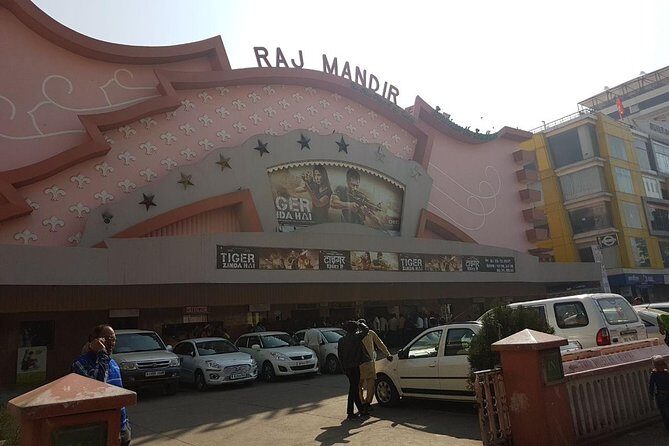
You meet at Golcha Cinema near Chaura Rasta Rd, New Gate, in the Pink City. That matters because it places you where the old-city lanes tighten up and the bazaar energy starts immediately.
You’ll end back at the meeting point, which is practical. When you’re walking and sampling, it’s reassuring to know you won’t be stranded miles away when the tour ends.
Also, the meeting point is listed as near public transportation, which makes it easier to fit into your day if you’re juggling other visits. Even if you’re not using transit, that’s a sign the location is well-connected.
Hawa Mahal from the outside: the photo stop with context
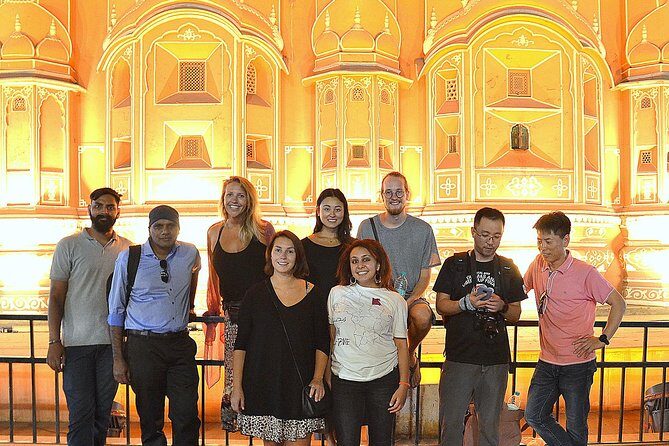
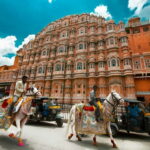
You’ll see Hawa Mahal (Palace of Wind) from outside. There’s no inside wandering here—just a short history moment and time to take pictures.
That might sound simple, but it’s a good match for this kind of walk. Hawa Mahal is iconic, and outside viewing keeps the pace flowing. Plus, the guide’s job is to point out what to notice: the idea of how the building relates to its surroundings and why this monument became such a symbol for Jaipur’s style of architecture.
If you’re the type who hates long waits at the big-ticket stop, this approach is a relief. You get what you came for, without turning the whole afternoon into one stop.
Bapu Bazar: shopping lanes with Jaipur-specific stories
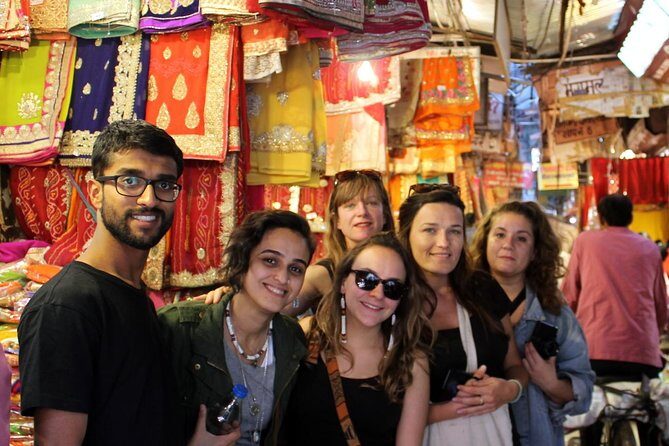
Next comes Bapu Bazar, a classic old-city market stop. The key value isn’t just the shopping; it’s the guide’s direction toward what’s truly Jaipur-linked.
You’ll be shown products/art that are famous from Jaipur or connected to crafts coming from villages nearby. That distinction is worth paying attention to because it helps you separate tourist souvenirs from items that reflect local skills and supply chains.
In a market like this, it’s easy to drift. With a guide, you’re not just scanning stalls—you’re learning what each area tends to specialize in and why certain products show up here consistently.
Practical tip: go in with an open mind for textures and materials. Jaipur crafts often feel more interesting in hand than in photos, especially when you’re comparing what looks similar but is made differently.
Tripolia Bazar: antiques, metal tools, and temple-life links
Tripolia Bazar is one of the most interesting stops on the route because it’s tied to how people work and worship.
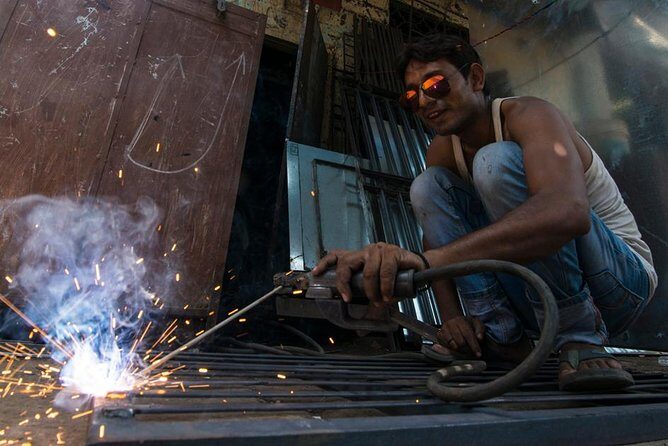
You’ll browse a market known for antiques, utensils, locks, and metal products used to worship gods. That’s a very specific angle, and it’s exactly why this stop stands out. You’re not only seeing commerce—you’re seeing objects that connect daily routines to religious life.
Also, it helps you understand why older markets in Jaipur feel more meaningful than modern shopping streets. Many stalls aren’t random; they’re shaped by long-term demand tied to ceremonies, homes, and local traditions.
If you like observing old tools, metalwork, and craft-style hardware, you’ll enjoy this portion the most. Even if you don’t buy anything, the guide’s explanations help you look at ordinary objects with new attention.
You can also read our reviews of more city tours in Jaipur





Johri Bazaar: jewelry commerce and why it’s older than you think
Then you’ll reach Johri Bazaar, where jewelry is presented as one of the city’s oldest economic drivers. The walk frames this market as starting around 150 years ago, which gives the stop weight.
This is a great place to understand Jaipur as more than architecture. Jaipur’s crafts economy is a big part of what made the city “famous” long before social media. In Johri Bazaar, that shows up through the focus on jewelry as the point of gravity.
You’ll see how the market connects to Jaipur’s identity, and you’ll get the kind of guide-led cues that help you browse with purpose. Even if jewelry isn’t your shopping priority, the explanations make the area more than a visual scene.
Food and sweet breaks: tasting Jaipur’s daily rhythm
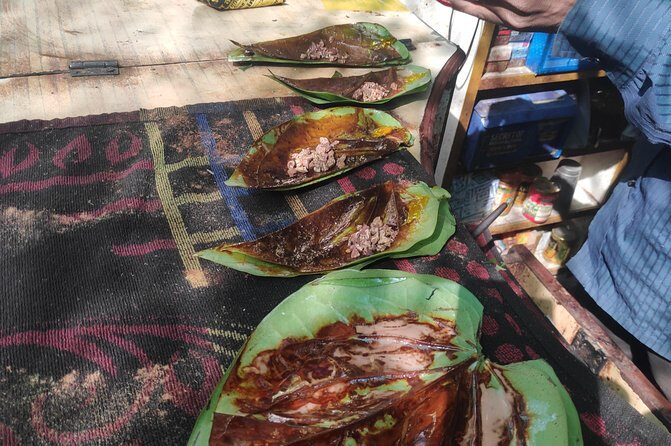
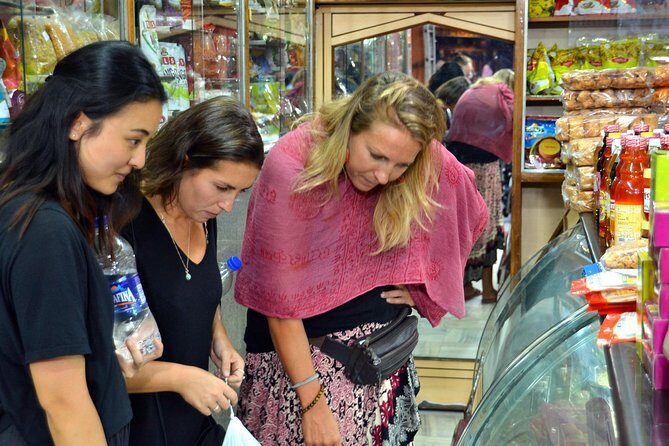
This walk is built around snacks and sweets, plus stories of legendary shops and classic market items. The whole idea is that Jaipur is easiest to understand when you slow down and taste.
In the route, you’ll have moments to eat—think along the lines of tea and bites, set into the timing of bazaars so you don’t feel rushed. That matters because in old cities, you can easily burn energy from walking and heat. A snack break keeps the experience comfortable and actually lets you enjoy what you’re seeing.
One thing to remember: you may be sampling several small things rather than one big meal. That’s a good strategy for discovering variety. Just plan to come with an appetite and be ready to try items you might not pick if you were eating alone.
If you have dietary restrictions, I’d treat this as a conversation with your guide. The tour is structured around traditional foods from older markets, so it’s worth clarifying what’s okay for you before you commit to a tasting.
What the small group size changes
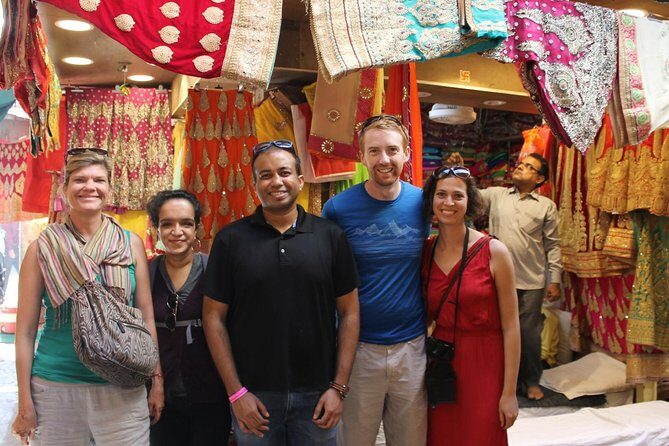
With a maximum of 10 travelers, you’re less likely to get the “herded group” experience that ruins good conversations. In tight old lanes, space matters. A small group helps you stay together without feeling boxed in.
It also makes the guide’s storytelling more personal. You can ask quick questions, and the guide can steer you toward the parts of the market that fit what you’re curious about—craft details, architecture clues, or food styles.
How to get the best value from this $20 walk
At $20 per person for about 3 hours, the value is strongest if you want orientation. This is not just a shopping tour. It’s a guided way to learn how Jaipur’s old-city markets connect to architecture and everyday tradition.
Here’s the practical way to judge if it fits your budget:
- If you plan to visit Hawa Mahal anyway, this gives you a guided warm-up that helps you understand the monument and the city around it.
- If you’re the kind of traveler who likes authentic street-life details, the snack-and-sweet pacing is a bonus rather than a gimmick.
- If you want shortcuts to hidden-feeling spots that are hard to stumble across alone, a guided walk usually beats wandering for hours without a plan.
It’s also a fair price because the tour includes guided time across several markets with clear themes. You’re not paying for one big stop—you’re paying for a connected storyline.
Who should book this walk (and who might skip it)
I’d recommend this if you:
- Like markets and crafts more than museum halls
- Want a first-day orientation to Pink City lanes
- Enjoy food stops that feel part of the local rhythm
- Appreciate architecture explained through what you see on the street
I might suggest skipping if you:
- Want to spend most of your time inside major monuments
- Dislike crowded bazaars and close street life
- Prefer a car-based sightseeing loop with fewer stops
Should you book Culture and Heritage Walk | Pink City Jaipur?
Yes—if you want Jaipur to feel like a place, not a set of photos. This tour works as a grounding experience. It gives you a map of what each bazaar is known for, how Jaipur’s crafts economies show up on the street, and how religious architecture and daily life overlap.
My main “yes” checklist:
- You’re okay walking for a few hours
- You’re interested in markets, crafts, and heritage details
- You’re excited to taste snacks and sweets along the way
- You like learning from guides who are passionate about Jaipur’s everyday culture
If that sounds like you, this is one of the simplest ways to make your Jaipur days start with clarity.
FAQ
How long is the Culture and Heritage Walk | Pink City Jaipur?
The walk lasts about 3 hours.
How much does it cost?
It’s priced at $20.00 per person.
Where do I meet for the tour?
You meet at Golcha Cinema on Chaura Rasta Rd, New Gate, Bapu Bazar, Pink City, Jaipur, Rajasthan 302003.
Will we go inside Hawa Mahal?
No. You only see Hawa Mahal from the outside for a short history and photo time.
What markets are included in the route?
The walk includes Bapu Bazar, Tripolia Bazar, and Johri Bazaar, along with the outside viewing stop for Hawa Mahal.
Is the tour focused on food and sweets?
Yes. The experience is mostly about the markets and includes snacks and sweets from well-known old-city shops, along with tea/bite-style breaks during the walk.
How large is the group?
The tour has a maximum of 10 travelers.
What happens if the weather is bad?
The experience requires good weather. If it’s canceled due to poor weather, you’ll be offered a different date or a full refund.
Is there free cancellation?
Yes. You can cancel up to 24 hours in advance for a full refund.