REVIEW · RISHIKESH
Chandrashila and Tungnath Himalayan Trekking and Camping
Book on Viator →Operated by Yeti Outdoors · Bookable on Viator
One trek, two big spiritual sites, and real high-altitude drama. The Chandrashila and Tungnath hike combines evergreen forest walking, a sparkling mountain lake, and a summit view that feels bigger than the time on your feet. It’s one of those Uttarakhand trips where a few short days can reset your whole week.
I especially like that the trek is set up to be camp-based and comfortable enough to stay focused on the trail. You get the tents and sleeping bags, plus all meals on trek, so you are not stuck managing gear while you are climbing.
The main thing to consider is that easy on paper still includes altitude and a steep section near the top. You’ll reach 3992m at the high point, and that final climb from Tungnath toward Chandrashila can feel tough, especially if weather turns windy or cold.
In This Review
- Key highlights worth knowing
- Why Chandrashila and Tungnath feel like a best-of Uttarakhand package
- Trail basics: easy trek rating, real altitude, and the steep reality near the top
- Getting from Rishikesh to the trail: starts at Yeti Outdoors, ends back where you began
- Day-by-day flow: forests, meadows, Deoriatal lake time, and summit timing
- Day 1: Start strong, get organized, and move toward the trekking zone
- Days 2–3: Evergreen forest to open views, with a lake break in the mix
- Days 4–5: Tungnath at 3680m, then the push to Chandrashila
- Day 6: Descent and a return to the meeting point
- Tungnath and Chandrashila: the summit isn’t just high, it’s spiritual and steep
- Camping under starry skies: what’s included, what to expect at night
- Price and value: what $155.76 buys you (and why it’s not just a cheap trek)
- Guides and leadership: why staffing affects your summit day
- Weather, health, and packing: keep your summit window and your comfort plan
- Who this trek suits best—and who should think twice
- Should you book this Chandrashila and Tungnath trek?
- FAQ
- What is the duration of the Chandrashila and Tungnath trek?
- What is the highest altitude reached on this trip?
- How hard is the trek?
- Is pickup included, and where do we meet?
- What is included in the price?
- What is not included?
- When will I get confirmation after booking?
Key highlights worth knowing
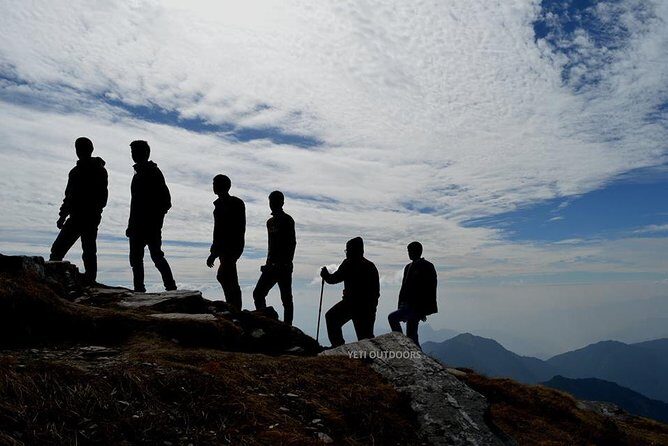
- Tungnath (3680m) + Chandrashila (3992m) in a short trek window, with big mountain views
- Deoriatal lake time for that calm, fairy-tale feel, with animals and birds around the water
- Easy-access setup from Rishikesh plus a private group format so the pace stays sane
- Camp under starry skies with tents, sleeping bags, and kitchen gear handled for you
- Guide-led navigation to a steep summit section, including the last stretch toward Chandrashila
Why Chandrashila and Tungnath feel like a best-of Uttarakhand package
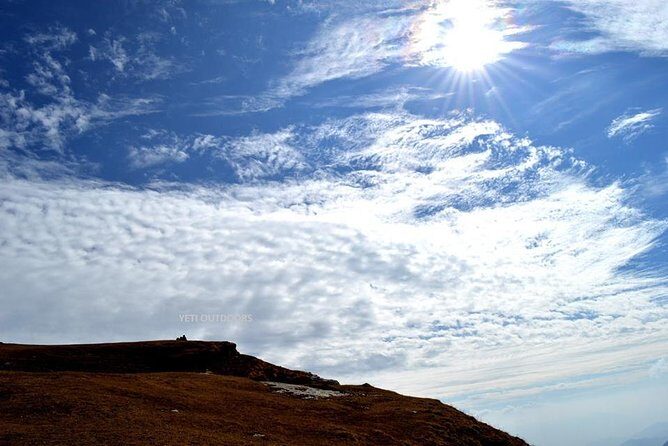
This is the kind of trek that hits several moods fast: quiet forest walking, open meadow vibes, lake scenery, then spiritual sites and the high summit pay-off. The route is built around two key stops on the way up—Tungnath and Chandrashila—and that creates a clean story arc for your days.
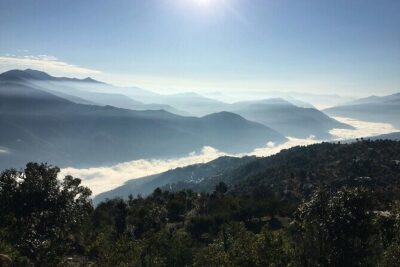
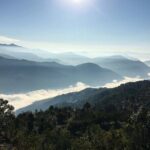
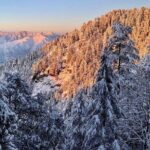
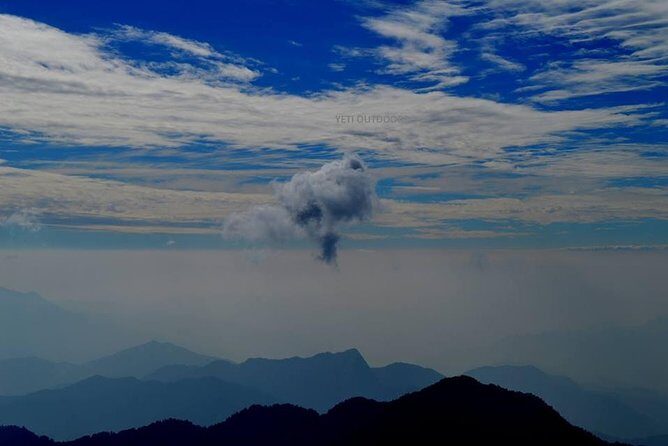
Tungnath sits at about 3680m and is known as the highest Shiva shrine on the globe. Chandrashila is higher, up to 3992m, and that is where the view becomes the point. You get that classic Himalayan feeling: clouds, ridges, and sharp peaks changing shape as the day moves.
One practical win is that this trek is designed as a guided group experience with camps. You are not trying to run logistics while also watching your footing. That matters when you’re dealing with cold mornings, uneven trail, and a steep last push.
And yes, Deoriatal is a big part of the magic. The lake scene is described as almost storybook: sparkling water, plus birds and animals stopping by to drink. Even if you only get a short window around the lake, it’s the kind of break that makes the climb feel worth it.
You can also read our reviews of more hiking tours in Rishikesh
Trail basics: easy trek rating, real altitude, and the steep reality near the top
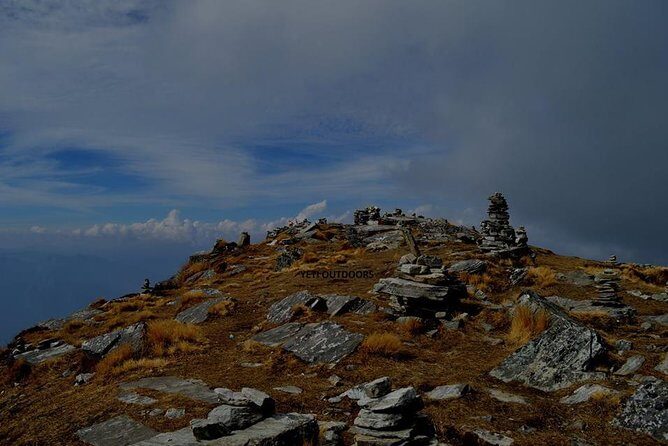
The tour is labeled Easy Trek and sits in the Uttarakhand trekking region. Best time is listed as all year around, and the max altitude is 3992m. That sounds straightforward, and the terrain is generally described as manageable, surrounded by lush green meadows and forest.
But altitude is altitude. Some trek guides and hikers will tell you the same thing: the climb can be easier until it suddenly isn’t. A steep final leg—about 2 km between Tungnath temple and Chandrashila peak—is specifically called out as highly steep. That means your fitness matters most right at the top, when you are also breathing a bit harder.
So how do you judge this trek for yourself? Think less about the overall “easy” label and more about your comfort with:
- sustained uphill walking
- early starts in cold air
- wind exposure around higher ridges
- a short, steep grind near the summit
If you’re the type who handles stair-climbing well and can keep a steady pace, you’ll likely do fine. If you get winded quickly or you’ve had altitude issues before, you should be cautious and consider adjusting expectations.
Getting from Rishikesh to the trail: starts at Yeti Outdoors, ends back where you began
You meet at Yeti Outdoors with a start time of 9:00 am. The trip also ends back at that same meeting point, so you are not guessing about transfers at the end of a long day. Pickup is offered, which usually helps if you’re not traveling with your own transport.
This is a private tour/activity, meaning only your group participates. In trekking terms, that can be a big deal for pace and coordination—less waiting, fewer mixed-speed surprises, and more time with your guide.
You also get a mobile ticket, and confirmation is sent within 48 hours of booking based on availability. The tour is run as a “good weather required” experience, too. If weather is poor, the operator offers a different date or a full refund, which is reassuring when you are booking from a distance.
Day-by-day flow: forests, meadows, Deoriatal lake time, and summit timing
The trek is listed as about 6 days, and the core trekking block is roughly four days. The other days are typically travel, settling in, and then winding down after the summit effort. Since a detailed day-by-day schedule isn’t spelled out here, I’ll describe the rhythm you should expect rather than inventing exact camp locations.
Day 1: Start strong, get organized, and move toward the trekking zone
You begin at 9:00 am at the meeting point. After that, you’ll spend the day getting into the trek area and getting your gear sorted. A well-run first day keeps the rest of the trip calmer—check your layer system, charge your phone if you need it, and make sure your water plan is ready for morning starts.


Days 2–3: Evergreen forest to open views, with a lake break in the mix
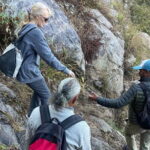
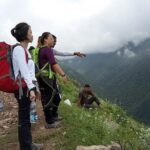
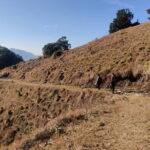
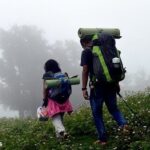
You’ll hike through evergreen pine, deodar, and rhododendron forests and then into lush green meadows with Himalayan panorama overhead. This is a big part of what makes the trek feel like more than just a summit quest. Forest walking can be cooler and easier on the glare, and it tends to feel more “Himalaya” than “trail.”
At some point in the middle of the trek, you’ll reach Deoriatal lake. The lake is described as sparkling and calm, and you might see animals and birds moving around the water. Even if it’s not a long stop, it gives you a break from the constant uphill grind and helps you regain your energy before higher terrain.
Days 4–5: Tungnath at 3680m, then the push to Chandrashila
This is where the trip earns its reputation. You’ll reach Tungnath peak at 3680m, and from there the route leads toward Chandrashila at 3992m. Plan for a long day of movement, especially around the steep final approach.
A practical summit tip from the experience is to start early so you can reach the top around late morning (around 11:00 is mentioned) for a fuller view. The higher you are, the more your visibility depends on weather shifts and cloud cover, so morning timing really matters.
Day 6: Descent and a return to the meeting point
After the high point, expect easier walking and a gradual drop in intensity. You’ll eventually end back at Yeti Outdoors, completing the round trip without you having to coordinate the final transfer.
Tungnath and Chandrashila: the summit isn’t just high, it’s spiritual and steep
The two peaks are linked by more than altitude. They connect a shrine experience with a real hiking challenge.
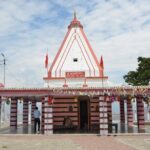
At Tungnath (3680m), the atmosphere is different from a typical viewpoint stop. This is a shrine area, and it tends to bring a sense of reverence and stillness, even while the wind does its own thing. If you like mountain sites with a purpose beyond photos, this section delivers.
Then you move toward Chandrashila, the high point at 3992m. The summit effort includes the steep final segment between Tungnath temple and Chandrashila peak, described as highly steep over the last 2 km. That’s the stretch where you’ll feel the altitude the most, too.
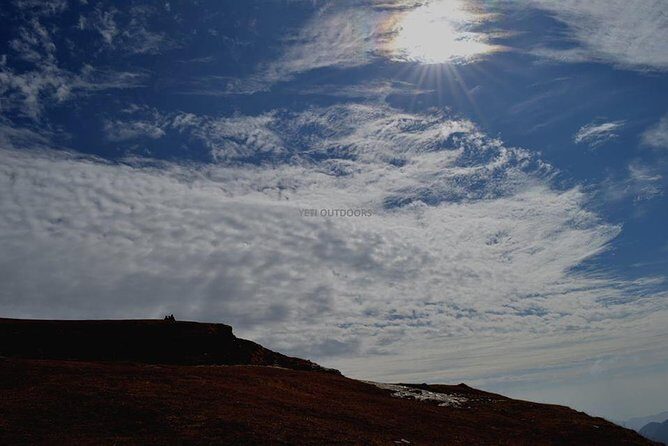
The payoff is a view that feels wide and dramatic, with that “360” style mountain panorama depending on conditions. The best results come from early starts, steady pacing, and keeping a little extra time buffer for weather.
One more thing: the route is also described as a balance between wilderness and tourist flow in Uttarakhand. Meaning you’ll see people at key spots, but you won’t be stuck in a crowded city vibe the whole time. It feels like a real trek rather than a theme-park hike.
Camping under starry skies: what’s included, what to expect at night
This trek is built around camping. You’ll camp under the starry skies, and the operator includes the camp infrastructure:
- tents
- sleeping bags
- kitchen/central equipment
- a whole team of guides, cooks, and helpers, plus porters/mules
Meals are included on trek. That’s a real quality-of-life upgrade on a high-altitude hike. Food and timing can affect your energy more than people expect, and having the cooking handled keeps you from burning daylight trying to find a stove or sort rations.
What’s not provided is what your personal needs might require. Insurance is not included, and personal expenses are on you. Also, any stay or food in places during transit is not included, so plan for that if your route includes extra nights or meals outside the trekking period.
Night conditions can be cold because you’re at altitude and out in open air. The trekking gear list provided doesn’t spell out clothing layers, so you should bring your own warmth setup. If you tend to feel cold easily, bring more thermal layers than you think you need.
Price and value: what $155.76 buys you (and why it’s not just a cheap trek)
The price is $155.76 per person and the trip includes a lot that most self-arranged treks make you pay for indirectly.
Here’s what’s included:
- All technical/kitchen/central equipment, including tents and sleeping bags
- All entry fees and permits
- All meals on trek
- Guides, cooks, helpers, porters/mules
- All fees and taxes
That set of inclusions matters because it protects you from the hidden costs that creep in when you try to do this independently. You’re not paying separately for permits, not buying or renting a full camp setup, and not organizing food and staffing while you focus on the climb.
What’s not included:
- insurance
- claims due to natural calamities like landslides/road blockage
- personal expenses
- stay and food in places during transit (Mussoorie is specifically mentioned)
- food during transit
- transportation, unless arranged on request for an additional charge
So the value equation is pretty clear: you’re paying for a staffed, camp-based trek with meals and gear. If you already had your own tent and sleeping bag and you were confident handling permits and catering, you might save money DIY. But for most people, the operator package is the smarter move because it keeps you safer and less stressed.
Guides and leadership: why staffing affects your summit day
A trek is never just your legs. It’s also your pace control, route choices, and how calmly the group handles timing.
In the experience of Yeti Outdoors, Rishabh is named as a trek leader on the Tungnath Chandrashila Chopta trek. That matters because this route includes a steep last segment and requires smart early-morning movement. A good leader helps you avoid racing early and burning out before the summit.
Another guide name that comes up is Manish Badoni as a program leader for a Chandrashilla trek with Yeti Outdoors. The theme across both names is practical leadership—knowing the path well and keeping things organized enough that you can focus on the hike and not on logistics chaos.
This is also where the “private group” format helps. If your group is together and moving as a unit, the leader can manage rest breaks and keep the climb consistent.
Weather, health, and packing: keep your summit window and your comfort plan
Weather is uncertain on these peaks. The experience description points out you may get scorching sun, winds, and showers. That’s not a reason to cancel; it’s a reason to prepare well.
Health-wise, altitude sickness is a real possibility, especially for people who are sensitive or not used to high elevations. One consideration raised is to think carefully about taking children, because low oxygen can be an issue and the steep section makes it harder to “just take it easy.”
A smart approach for most people:
- start early on summit day for the best view window
- use steady pace rather than speed
- eat and drink consistently, not only when you feel hungry or thirsty
- keep layers easy to add/remove because conditions can swing fast
Since insurance isn’t included, you should also consider taking travel/trekking coverage on your own if you’re concerned about health or trip disruption. The operator does say the trek is dependent on good weather and may be rescheduled, but you still want your personal plan in place.
Who this trek suits best—and who should think twice
This trek is described as perfectly doable with family and friends thanks to easy accessibility and terrain. That’s true in the sense that the overall trek isn’t described as technical rock climbing, and it’s set up for guided group comfort.
But the same trek is also described as potentially medium-difficult due to altitude and the steep final push. So I’d match it like this:
You’ll likely enjoy it if you:
- can handle steady uphill walking for long stretches
- want a short trek that still feels like a real Himalayan experience
- enjoy shrine visits as part of the hike, not just viewpoints
- like camping and don’t mind cold mornings
You might want to reconsider if you:
- have a history of altitude sickness
- expect a totally gentle hike with no steep segments
- are planning to bring young kids who may struggle with oxygen and pace
If you’re unsure, the best move is to be honest about your fitness and your altitude comfort level before you go.
Should you book this Chandrashila and Tungnath trek?
If your goal is a short Himalayan reset—a trek that mixes forest, meadow views, a magical lake moment, and then a summit experience at nearly 4000m—this tour makes a strong case. The inclusions are impressive for the price, especially tents, sleeping bags, meals, permits, and staffing.
I’d book it if you’re comfortable with early starts and a steep final grind near the top. I would also book it if you want a guided group experience that reduces decision fatigue and keeps you focused on the trail.
I would pause before booking if altitude is a concern for you or if you need a strictly low-effort hike. The “easy trek” label doesn’t remove the reality of height and that steep 2 km approach.
FAQ
What is the duration of the Chandrashila and Tungnath trek?
The trek is listed as about 6 days.
What is the highest altitude reached on this trip?
The maximum altitude reached is listed as 3992m / 13100 feet.
How hard is the trek?
It’s listed as an Easy Trek, but it includes a steep section near the top on the way to Chandrashila.
Is pickup included, and where do we meet?
Pickup is offered, and the meeting point is Yeti Outdoors. The start time is 9:00 am, and the activity ends back at the meeting point.
What is included in the price?
Included are tents and sleeping bags, technical and kitchen equipment, all meals on trek, guides, cooks, helpers, porters/mules, and all entry fees and permits, plus taxes.
What is not included?
Insurance and any claims due to natural calamity are not included, along with personal expenses. Stay and food during transit (including Mussoorie) are not included, and transportation can be arranged for an additional charge.
When will I get confirmation after booking?
You should receive confirmation within 48 hours of booking, subject to availability.