REVIEW · KOLKATA
Kolkata – A Sea of Faces and A Thousand Places (local guide)
Book on Viator →Operated by Get Local · Bookable on Viator
Kolkata feels like a movie. This 5 to 6 hour small-group route uses cinematic-style storytelling to give you bearings fast, then sends you through real neighborhoods and trading spaces, not just photo stops, with a film-inspired script guiding the day. I like that you’re shown both the polished and the working sides of the city, from colonial landmarks to everyday marketplaces.
What I really like is the small group size (max 7), which keeps the guide’s explanations human-sized instead of lecture-sized. The one thing to consider: snacks are not included and the vehicle is not listed as air-conditioned, so you’ll want to plan for comfort and bring money (the tour suggests Rs. 500 minimum for food and travel).
In This Review
- Why This Kolkata Tour Works Like a Scripted Walk
- Key Highlights You’ll Notice Right Away
- Price, Time, and What You Get for $39.16
- Menoka Cinema: Orientation in South Kolkata’s Modern Orbit
- BBD Bagh: Victorian Calcutta and the British-Era Frame
- Bara Bazar: The Wholesale Heartbeat You Can Smell
- White Town to Grey Town by Tuk-Tuk: Chinese Town, Synagogues, and Trade Tales
- College Street (Boi Para): Books, Revolution Lanes, and Freedom Echoes
- Shobhabazar: Black Town Neighborhoods and Kumortuli Pottery
- Ferry Under Howrah Bridge and the Yellow Cab Finish Near Victoria Memorial
- Transportation Comfort: Pickup Helps, But Plan for Heat
- Who Should Book This Tour (and Who Might Skip It)
- Should You Book Kolkata: A Sea of Faces and A Thousand Places?
- FAQ
- What time does the tour start?
- How long is the Kolkata tour?
- What is the group size?
- Is hotel pickup included?
- What’s included and what should I budget for?
- Is the vehicle air-conditioned?
- Does it run in bad weather?
Why This Kolkata Tour Works Like a Scripted Walk
This is not your typical checklist of sites. The day is staged like a story with scenes. You start with orientation, then you move like you’re getting dropped into different parts of Kolkata, each with its own mood, pace, and social rules.
Even the transport feels like part of the storytelling. You’ll use a mix of modes, including a ride on India’s oldest tram line, plus a ferry crossing and tuk-tuk segments that help you understand how movement shapes local life.
And yes, the guides matter here. People highlight guides like Paulami and Shrijit for connecting details to what you’re seeing, instead of treating buildings and streets like facts to memorize.
Key Highlights You’ll Notice Right Away
- Cinematic-style storytelling that turns scattered stops into a clear city narrative
- Hotel pickup included, saving you time and the hassle of meeting up
- Multiple transport modes, including ferry, tuk-tuk, yellow cab, and the old tram line
- Small group (max 7) for better pacing and more back-and-forth with your guide
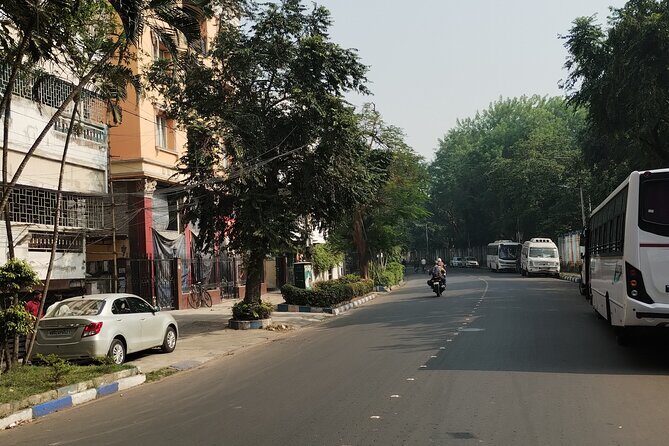
- Markets and neighborhood lanes alongside major landmarks, so you see daily life and history together
You can also read our reviews of more guided tours in Kolkata



Price, Time, and What You Get for $39.16
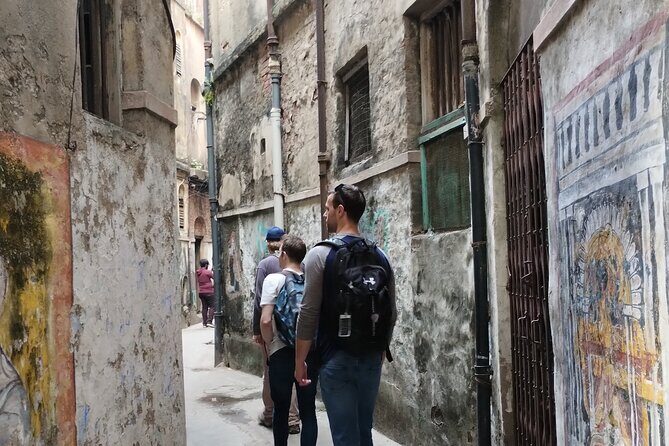
At $39.16 per person for about 5 to 6 hours, this tour is priced for real city access rather than long-distance travel. The big value isn’t just the sites. It’s the guided structure: someone else handles the timing, route order, and transitions so you spend your energy looking and learning instead of figuring out what to do next.
A couple of practical notes that affect value:
- Hotel pickup is included, which matters a lot in Kolkata where getting to the “right starting streets” can cost time.
- WiFi on board is included, which is handy if you need to look up a name, check map directions later, or message someone you’re running a bit behind.
- You’ll also want to accept that food isn’t included. The tour suggests carrying Rs. 500 minimum for snacks and travel needs during the day.
It’s also typically booked about 12 days in advance on average, so if you’re aiming for a specific date, don’t wait for the last minute.
Menoka Cinema: Orientation in South Kolkata’s Modern Orbit
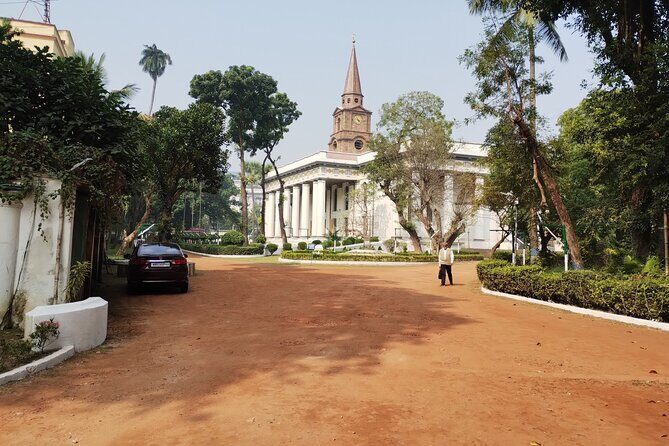
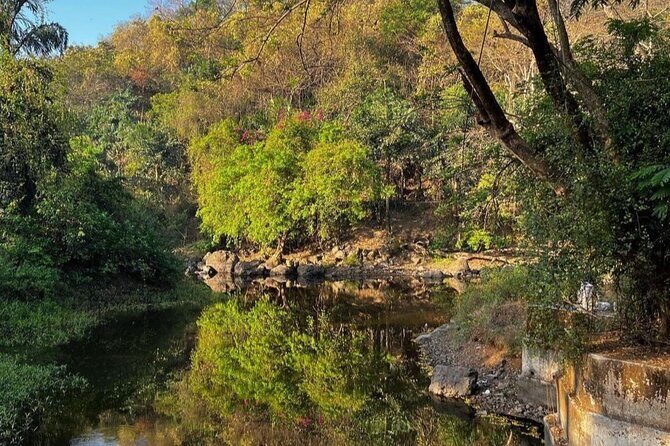
You kick off near a lake in a modern South Kolkata locality with Menoka Cinema as the first scene. The setup is meant to orient you before you plunge into the older layers of the city. This first stop is short, about 30 minutes, and admission is listed as free.
The payoff here is mental, not just visual. Kolkata is dense, and neighborhoods can feel like separate worlds. Starting with a guide framing what you’re about to see helps you notice patterns later: who trades where, how architecture reflects different eras, and why certain streets matter.
Practical tip: arrive ready to walk a bit and listen. This early segment is where the tour’s pace and tone is set.
BBD Bagh: Victorian Calcutta and the British-Era Frame
Next you head to BBD Bagh, the business district, where the tour focuses on what’s often called Victorian Calcutta. Expect about 1 hour here, with no admission ticket required.
This is a strong stop for first-time visitors because it gives you a time-and-place anchor. Colonial-era city planning shows up in the look and feel of the area, and the guide’s explanation helps you connect why certain landmarks sit where they do.
One consideration: if you prefer sites you can instantly “read” with minimal explanation, this stop can feel more talk-heavy. But if you like understanding context, BBD Bagh is where the city’s official-looking face starts making sense.
Bara Bazar: The Wholesale Heartbeat You Can Smell
From there, you shift to Bara Bazar, walking through what’s described as the largest wholesale market of India. This stop is brief, around 20 minutes, with admission free.
This is the trading-city section of the day. You’ll see how movement and buying work at street level, and you’ll understand why Kolkata’s economy has long been built on commerce. Even if you don’t plan to shop, it’s a real sense-memory stop: sights, sounds, and the steady rhythm of people doing business.
What to do: keep your camera use respectful. Markets move fast and crowding happens naturally. If you’re getting photos, step aside when needed so you don’t block foot traffic.





White Town to Grey Town by Tuk-Tuk: Chinese Town, Synagogues, and Trade Tales
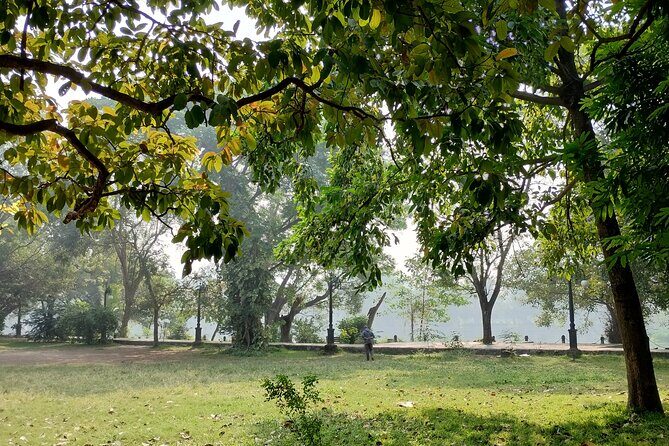
One of the most distinctive parts is the tuk-tuk segment that follows trade tail logic from White Town to Grey Town. This route passes by the oldest China Town and synagogues, with the guide connecting past stories to the present-day hustle.
This is where the tour’s “script” style really helps. Instead of treating those locations as separate dots on a map, you get a connected path about how different communities and economic roles shaped the city.
Time-wise, this segment is built into the day between Bara Bazar and the next stops, so you’ll want to stay attentive even if the vehicles and streets feel chaotic. Your guide is there to translate what you’re seeing into a bigger picture.
College Street (Boi Para): Books, Revolution Lanes, and Freedom Echoes
You then reach College Street (Boi Para), described as Kolkata’s intellectual hub. Plan on about 1 hour here, and admission is free.
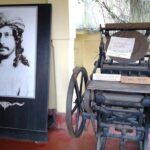
This is a different Kolkata flavor. You’re not in a market corridor now; you’re in a lane world where books and ideas sit side-by-side with the city’s history of protest and change. The tour mentions freedom movement sparks igniting in these lanes, plus a famous book market.
A heads-up: the book market is the kind of place where you can easily lose time. If you love reading and want time to browse, keep a little buffer in your attention so the guide can finish the storyline before you wander.
Shobhabazar: Black Town Neighborhoods and Kumortuli Pottery
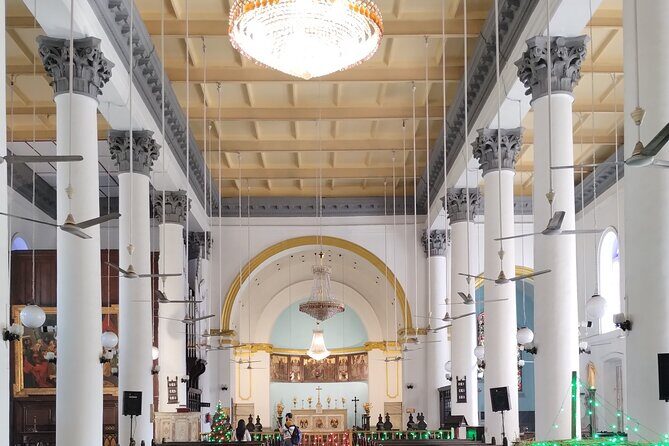
After College Street, the tour heads to Shobhabazar, often described as the Black Town. You’ll spend about 1 hour 30 minutes here, again with admission free.
This stop is about older neighborhoods and craft traditions, including Kumortuli, the pottery locality. The tour also points to Bengali aristocracy and buildings that seem to carry the weight of many eras.
Why this works: it balances the earlier “big story” stops with a more human scale. You’re seeing how craft districts support a city, not just how monuments represent it.
What to watch: this is the kind of area where you’ll want to move slowly in your mind, if not your feet. Let the guide’s explanations land first, then look. The pottery focus is one of those details that gives you a hook for understanding the neighborhood beyond photos.
Ferry Under Howrah Bridge and the Yellow Cab Finish Near Victoria Memorial
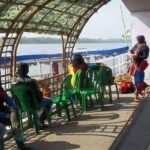
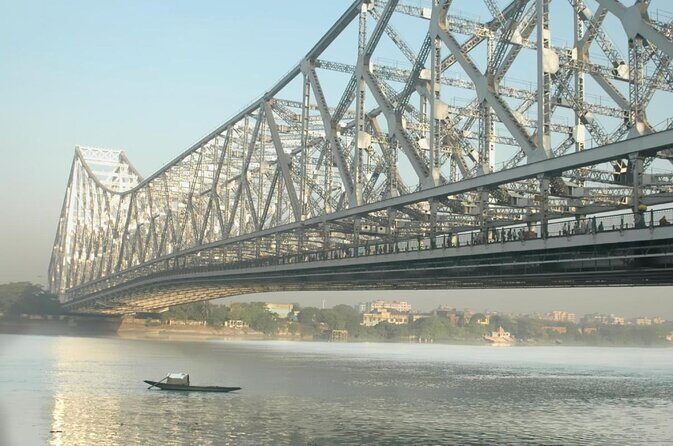
After Shobhabazar, you travel back to the present via a ferry. It passes under Howrah Bridge, which is a great “big landmark from the water” moment, and it also helps break up the day. Then you hop into the iconic yellow cab and head toward Nandan West Bengal Film Centre as the ending point.
From there, the cab ride goes through the White Town areas, including the Victoria Memorial zone. That final stretch gives you a satisfying contrast: you’ve been in markets and neighborhood lanes, and you end near one of Kolkata’s grandest visual statements.
Timing matters here: the tour is about 5 to 6 hours total, starting at 9:30 am. With ferry and multiple vehicle changes, the day moves with a steady rhythm rather than long downtime.
Transportation Comfort: Pickup Helps, But Plan for Heat
The tour includes hotel pickup, and you’ll have WiFi on board. That’s great for reducing stress.
But two comfort realities come from the info you have:
- Snacks are not included, and you’re advised to carry Rs. 500 minimum.
- The tour lists an air-conditioned vehicle as not included. If you run hot, you may feel that during transfers.
My practical advice: wear breathable clothing, bring water if your guide suggests you can, and keep small cash handy for any snack needs. The route is short enough that you don’t need a huge “day pack,” but you do need basics.
Also, it’s said the tour requires good weather. If the weather turns, you may be offered another date or a full refund.
Who Should Book This Tour (and Who Might Skip It)
This tour is a strong match if:
- you want context, not just sightseeing photos
- you like a structured route with a guide who explains why places matter
- you’re okay with walking and riding through multiple neighborhoods in one day
- you want a tour that mixes marketplaces, craft areas, and major landmarks
You might consider a different option if:
- you hate guided explanations and prefer to wander freely on your own
- you’re very sensitive to heat and don’t want to plan for non-air-conditioned travel
- you want a day that’s mostly ticketed monuments, not markets and lanes
The biggest strength is the story structure. If you like understanding a city’s layers, this one gives you that in a few hours.
Should You Book Kolkata: A Sea of Faces and A Thousand Places?
If you want a way to get oriented quickly and still see real Kolkata, I’d book it. The combination of small group size, hotel pickup, and a transport mix (tram, ferry, tuk-tuk, cab) makes it feel like you’re moving through the city’s logic, not just visiting points on a map.
The price also feels fair for what’s included: guided orientation, multiple neighborhood stops, and the guided transitions that can be hard to stitch together on your own. Just come prepared for food not being included and for travel comfort not being guaranteed by air-conditioning.
If you’re the type who enjoys learning street-level details, this tour is one of the best ways to make the city click.
FAQ
What time does the tour start?
The start time is 9:30 am.
How long is the Kolkata tour?
It runs about 5 to 6 hours.
What is the group size?
The tour has a maximum of 7 travelers.
Is hotel pickup included?
Yes, hotel pick-up is included.
What’s included and what should I budget for?
The tour includes WiFi on board. Snacks are not included, and you’re advised to carry Rs. 500 minimum for food and travel.
Is the vehicle air-conditioned?
The tour information says an air-conditioned vehicle is not included.
Does it run in bad weather?
It requires good weather. If it’s canceled due to poor weather, you’ll be offered a different date or a full refund.