REVIEW · BHUBANESWAR
Bhubaneshwar city tour in a private car with professional guide
Book on Viator →Operated by 5 Senses Walks · Bookable on Viator
Temple carvings and caves, all in one day. Bhubaneswar’s sacred spots can feel overwhelming on your own, but this private-car tour keeps the pace human and the stories clear, from Lingaraja Temple and its Harihara dedication to the Jain landscapes at Khandagiri and Udayagiri Caves.
What I like most is the sheer variety packed into an 8-hour route. You start with major temple architecture, then shift to Emperor Ashoka’s change-of-heart story at Dhauli, and finish with cave carvings that show Jain monastic life in stone.
One thing to consider: it is a full day of stops. If you want lots of free time or a slow, wander-at-your-own-speed vibe, you may find the schedule feels tight.
In This Review
- Key highlights at a glance
- Why Bhubaneswar works so well with a guide in the front seat
- Price and logistics: what you’re really paying for
- Stop 1: Lingaraja Temple and the Harihara idea
- Stop 2: Rajarani Temple and the sandstone name
- Stop 3: Mukteswara Temple and carvings from the Somavamsi period
- Stop 4: Dhauli and Ashoka’s battle turning point
- Stop 5: Dhauligiri Peace Pagoda (Shanti Stupa) and a 1972 message of peace
- Stop 6: Khandagiri Caves and Jain ascetic life in stone
- Stop 7: Udayagiri Caves and ornate 1st-century BCE carvings
- Lunch and the vegetarian angle you’ll be glad about
- The guides: where the tour really shines
- How to plan your body for a temple-heavy day
- Who this tour fits best
- Should you book the Bhubaneswar private car city tour?
- FAQ
- What time does the Bhubaneswar city tour start?
- How long is the tour?
- Is hotel pickup and drop-off included?
- What’s included in the price?
- Are admission tickets included?
- Is this a private tour?
Key highlights at a glance
- Private car comfort for an efficient route across Bhubaneswar’s top sites
- Pro guide storytelling that connects dynasties, deities, and stonework (I’d especially plan around guides like Surya or Sarad, when available)
- Temples plus caves plus peace sites in one logical loop: Lingaraja → Rajarani → Mukteswara → Dhauli → Shanti Stupa → Khandagiri/Udayagiri
- Admission coverage: Lingaraja, Rajarani, and Mukteswara are free; Dhauli/Shanti Stupa and the caves have included entry
- Hotel pickup/drop-off and lunch so you can focus on seeing instead of figuring out transport
- Mobile ticket and group discounts can make the day run smoother
Why Bhubaneswar works so well with a guide in the front seat
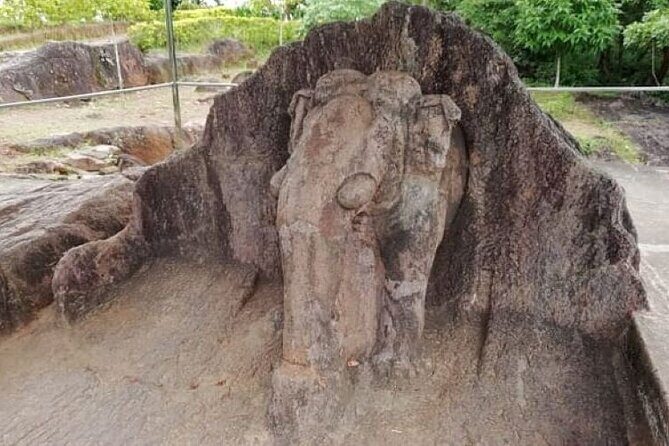
Bhubaneswar is famous for temples, but the magic is in the details: how a dynasty built, what a deity meant, and how design choices repeat across centuries. When you have a professional guide in the car and on-site, you get the “why” behind what you’re looking at, not just a list of names.
I like that the tour is designed around a full day, not a quick hit-and-run. You get time at each stop (usually around 20 to 30 minutes), which is long enough to notice the big sculptural themes without turning it into a rush.
And the private-car setup matters more than people think. Bhubaneswar sites are spread out enough that hopping between locations can steal your energy. Here, you’re not spending your trip stuck in unpredictable transit lines—you’re watching the city move by, and you arrive ready to look.
You can also read our reviews of more guided tours in Bhubaneswar

Price and logistics: what you’re really paying for
At $120 per person for roughly 8 hours, the headline cost can look “mid-range,” but the value comes from what’s included. You’re getting:
- a professional guide
- hotel pickup and drop-off
- lunch
- taxes, fees, and handling charges
- and entry coverage for most of the route
Drinks are not included, so plan on grabbing water or other beverages on your own.
If you’re comparing this to cheaper options, the key difference is time and attention. A guide who can point out the right carvings, explain the Kalinga style, and connect Ashoka’s story to the peace sites doesn’t just make the day easier—it makes your photos and memories better. For many people, that’s the real bargain.
The tour also runs from 8:30 am, which helps because you’ll hit the temples before the day gets too hot or too busy. You’ll also have built-in meal time via lunch, which is a big deal on long sightseeing days.
Stop 1: Lingaraja Temple and the Harihara idea
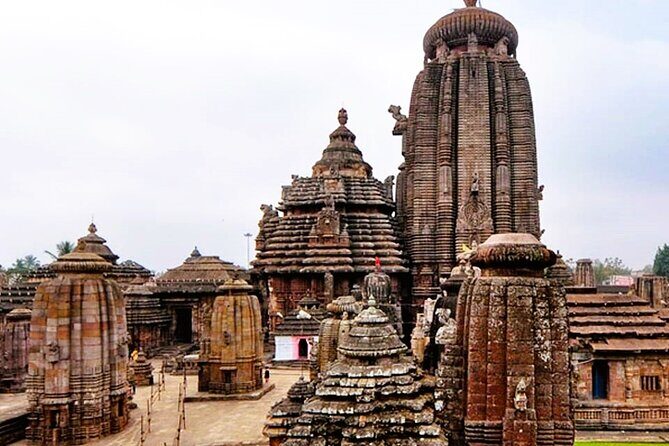
Lingaraja is the anchor of the day. This most famous Bhubaneswar temple is built in Kalinga style, with sandstone and laterite, and it’s dedicated to Harihara, a combined form of Vishnu and Shiva. That “two-in-one” dedication is exactly the kind of detail a good guide can translate into something you can actually feel while you’re standing there.
You’ll spend about 30 minutes, with admission listed as free. That’s a comfortable window: enough time to orient yourself, notice how the structure’s design reflects its period, and take in the spiritual atmosphere without staring at the same corner too long.
Practical tip: temples can be visually dense. If you find yourself trying to photograph everything, slow down for five minutes and watch how the space “frames” worship. Your photos improve when you stop grabbing angles and start looking for patterns.
Stop 2: Rajarani Temple and the sandstone name
Next is Rajarani Temple, from the 11th century and built from reddish and yellow sandstone. The material was called Rajarani in the local dialect, which is how the temple got its name. It’s a small detail, but it helps you see why the look of the stone matters here—it’s not just old rock, it’s the material identity of the building.
You’ll have around 30 minutes, and entry is free. This stop is shorter than you’d want if you’re a hardcore architecture fan, but it’s paced well for a day that also includes caves and the Dhauli area.
What you can watch for in that time:
- the way color tones affect how surfaces appear
- the overall temple feel compared to the Lingaraja style you saw first
- and any carved focus the guide points out, since Mukteswara is also known for carving later
Stop 3: Mukteswara Temple and carvings from the Somavamsi period
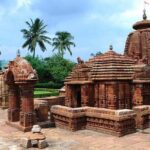
Then comes Mukteswara Temple, a 10th-century temple built by the Somavamsi dynasty and dedicated to Lord Shiva. The draw here is its “beautiful carvings and exquisite sculptural work.”
You’ll have about 20 minutes at Mukteswara, with admission marked as free. That short timing is one of the tour’s tradeoffs: it’s enough to appreciate craftsmanship in broad strokes, but you won’t have hours to study every panel.
Still, this is a great stop to treat like a mini scavenger hunt. When a guide points out where the key carvings tend to appear, you’ll start seeing the logic faster, instead of feeling lost in the details.
If you care about stonework, this stop is a high-value moment. It’s also a nice contrast after Rajarani’s material story—here the “show” is the sculpture itself.

Stop 4: Dhauli and Ashoka’s battle turning point
Now you shift gears from temple architecture to history with a heavy emotional weight. Dhauli is tied to an ancient battle fought in 260 BC, where Emperor Ashoka ultimately won, but changed after witnessing the bloodshed.
You’ll spend about 30 minutes, and entry is included. This stop is worth it because it gives the day a moral timeline. When you stand in a place linked to Ashoka’s turning point, the later peace sites feel less like decoration and more like a message.
This is also where a guide becomes extra useful. Without context, you might read Dhauli as just another scenic spot. With context, you understand why the following stop exists.
Stop 5: Dhauligiri Peace Pagoda (Shanti Stupa) and a 1972 message of peace
At Dhauli, the tour also includes the Shanti Stupa, often called the Peace Pagoda. The key fact: the current structure was built in 1972 through an Indo-Japanese collaboration. It was built by the Japan Buddha Sangh and the Kalinga Nippon Buddha Sangh.
You’ll have around 30 minutes, with entry included. This stop works well after the battlefield story because it shifts from “what happened” to “what people chose next.” Even if you don’t know every term around Buddhism and peace symbolism, you can still feel the design’s intention: quiet, stillness, and reflection.
Practical tip: if you’re the kind of person who likes to sit and absorb, plan a moment here where you don’t take photos. I know, hard in India. But the place is built for it.
Stop 6: Khandagiri Caves and Jain ascetic life in stone
After peace comes the caves. Khandagiri Caves were dwelling retreats or cells for ancient Jain ascetics. They were built in the 2nd century BC during the reign of King Kharavela of the Kalinga Kingdom.
You’ll have about 30 minutes, and admission is listed as included. For many people, this is where the tour becomes more than a temple loop. Caves feel different. You’re not looking up at grand structures; you’re seeing life patterns carved into rock.
You can also look for how the cave layout supports the idea of secluded retreat—an instinctive reaction even without background knowledge. A guide’s explanations help you connect those shapes to Jain monastic practice, but your eyes will get it quickly too.
Stop 7: Udayagiri Caves and ornate 1st-century BCE carvings
Finally, you’ll move to Udayagiri Caves, known for finely and ornate carvings built during the 1st century BCE. The caves are believed to have been carved as residential blocks for Jain monks during the reign of King Kharavela (the provided details cut off mid-sentence, but the core idea is clear).
You’ll have around 30 minutes, with entry included.
If Khandagiri is the more austere-feeling cave experience, Udayagiri tends to feel more decorative through its carving emphasis. In your time there, look at how carving complexity changes the atmosphere. It’s one of the best moments to appreciate that ancient devotion wasn’t only about temples—people also shaped their spiritual routines inside rock.
Lunch and the vegetarian angle you’ll be glad about
Lunch is included, but drinks are not. That means you can focus on the meal without worrying about where to find a solid option mid-route.
From the overall experience described, the vegetarian food is a point people remember. Even if you’re not a vegetarian yourself, this is a smart time to go with the local menu. A temple/cultural day often runs best when you eat light, stay comfortable, and keep hydration steady.
My practical advice: bring a small bottle of water or plan to purchase it. You’ll be walking and standing between stops, and you don’t want a lack of fluids to steal your attention from the sights.
The guides: where the tour really shines
This is a professional guide tour, and you can feel the difference when someone connects the dots. The names that came up in the experience notes include Surya and Sarad, both praised for being punctual and giving strong explanations.
This matters because Bhubaneswar is not “one-style” sightseeing. You’re looking at:
- Kalinga-style temple architecture
- a temple material story tied to the name Rajarani
- a Somavamsi-built Shiva temple known for sculpture
- Ashoka’s turning point in history
- a Peace Pagoda tied to 1972 Indo-Japanese collaboration
- Jain caves across centuries
That’s a lot of switching contexts. A guide helps you keep it in one mental frame, so the day feels like a coherent story instead of a checklist.
How to plan your body for a temple-heavy day
You’re looking at about 7 stops in one day, with time at each site. That’s not extreme, but it is active. Expect:
- standing to look at carvings and architectural details
- walking in temple areas
- and some time spent transitioning between locations
If you’re sensitive to heat, wear breathable clothing and schedule your breaks inside the “30-minute blocks.” The tour gives you time on-site—use it. Don’t rush just because you’re excited.
Also, you’ll see traditional dress and colorful clothing around temple areas. It’s part of the atmosphere. If you like photography, this is one of the days where street scenes and temple scenes merge naturally.
Who this tour fits best
I’d book this if you:
- love architecture and carvings and want the meaning behind them
- want history plus spirituality without doing a ton of independent research
- prefer the convenience of pickup/drop-off and a private car route
- enjoy a guide who can connect dynasties, deities, and stonework into one narrative
It’s also a good fit if you travel with family or friends who don’t want to argue about directions. When you’re in a private group, the day feels smoother, and you can adjust your pace slightly without derailing the entire schedule.
Should you book the Bhubaneswar private car city tour?
I think this is a solid choice if your goal is a high-quality overview with real guidance. The mix of temples, Dhauli’s historical message, and the Jain cave experience gives you variety that a standard temple-only outing often misses.
Book it if you want:
- a full day with structured time at each major site
- included lunch and most admissions handled
- a professional guide who can explain the Kalinga-era temples and the cave context clearly
Skip it if you want a slow, self-guided stroll or you hate being on a schedule. With a route like this, you’ll be happiest if you like seeing a lot while still having enough time to look.
If you’re planning your first trip to Bhubaneswar and you want the “best of” without the hassle, this tour is a practical way to do it.
FAQ
What time does the Bhubaneswar city tour start?
The start time is 8:30 am.
How long is the tour?
The tour runs for about 8 hours.
Is hotel pickup and drop-off included?
Yes. Hotel pickup and drop-off are included.
What’s included in the price?
The price includes all taxes, fees and handling charges, hotel pickup/drop-off, lunch, and a professional guide.
Are admission tickets included?
Yes. Admission is free for Lingaraja Temple, Rajarani Temple, and Mukteswara Temple. Admission is included for Dhauli (Peace Pagoda area) and for Khandagiri and Udayagiri Caves.
Is this a private tour?
Yes. It’s a private tour/activity, and only your group participates.