REVIEW · BHUBANESWAR
Puri Jagannath, Konark Sun temple, Pattachitra art in best of Odisha in 2 days
Book on Viator →Operated by 5 Senses Walks · Bookable on Viator
Two days in Odisha can feel like a week. This private route strings together temples, crafts, and lake wildlife with a real-world mix of big-ticket sights and human-scale art stops.
I like that you get a professional guide and admission tickets folded into the plan, which keeps you from wasting time figuring things out on the ground. I also like the included Chilika Lake boat ride, because that’s the one part of the trip that feels like a true break from temple-hopping. One thing to consider: the schedule is tight, lunch and dinner aren’t included, and Jagannath Temple access has limits for non-Hindus, so what you see may be different from what people expect.
In This Review
- Key Things You’ll Appreciate on This Odisha Route
- The Two-Day Shape: What Makes This Trip Work
- Getting There and Getting Your Timing Right
- Dhauli Shanti Stupa: Ashoka’s Turning Point
- Konark Sun Temple: The Chariot Temple You Can Actually Read
- Ramchandi Temple by the Bay: A Coast Stop With a Purpose
- Puri and Jagannath Temple: What You’ll See (and What You Won’t)
- Chilika Lake at Satapada: Boat Ride First, Wildlife If You’re Lucky
- Raghurajpur Artist Village: Pattachitra You Can Understand
- Khandagiri Caves and Rajarani Temple: Jain Rock Cells and Sandstone Details
- What You’re Paying For: Value in the $275 Private Package
- Who Should Book This Two-Day Odisha Plan
- Should You Book It?
- FAQ
- What time does the tour start?
- How much does the tour cost?
- What’s included in the price?
- Are lunch and dinner included?
- Can non-Hindus enter Jagannath Temple?
- Is this a private tour?
Key Things You’ll Appreciate on This Odisha Route
- A private car from start to finish means less hassle than stitching together rides between sites
- Dhauli and Ashoka’s turning point give context before you reach the louder, brighter temple scenes
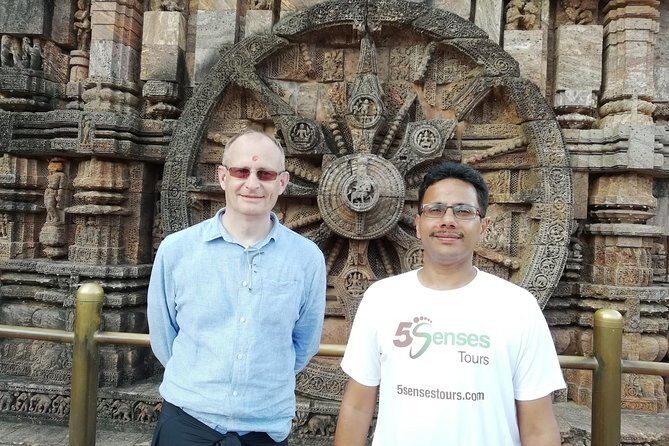
- Konark’s chariot temple is best with a guide who can translate symbols into something you can actually notice
- Chilika at Satapada by boat is where the trip shifts to nature, plus there’s a chance of spotting dolphins
- Raghurajpur’s Pattachitra village market is where you can see the art culture up close, not just buy a souvenir
- Khandagiri’s Jain caves and Rajarani Temple add variety beyond the main temple draw
The Two-Day Shape: What Makes This Trip Work
This is a short, focused Odisha circuit: temples on day one, then a mix of lake, crafts, and cave temples on day two. The value here is in the flow—your days are built around a sensible sequence, so you’re not bouncing back and forth across the state.
You’re also traveling with fewer decision points than you would on your own. Hotel pickup and drop-off are included, you move by private car, and you get a mobile ticket setup. That matters because Odisha temple visits can involve lots of walking, lines, and confusing entry rules. With a guide, you get your bearings fast and spend more time looking than figuring.
The “private” part is real too. Even if the trip is marketed with group discounts, your experience is still handled as a dedicated group rather than being absorbed into a huge crowd tour where you lose your guide whenever you stop to take a photo.
You can also read our reviews of more tours and experiences in Bhubaneswar.


Getting There and Getting Your Timing Right
Start time is 8:00 am, which is a good thing. Early departures help you beat the worst of heat and crowds, and it gives you time for multiple stops without feeling rushed in only the last hour.
Expect long driving windows between major sites. That’s not a flaw—Odisha sites are spread out—but it does affect your energy. If you’re sensitive to motion or prefer a slower pace, pack for comfort: water, sunscreen, and something light for late-afternoon sun. The trip also includes multiple admission tickets, so you won’t have to pause at every stop to buy entry.
Meals are the only predictable gap. Lunch and dinner are not included, and the itinerary has you moving through towns and temple areas where food quality can vary block by block. Plan on buying snacks and drinks yourself when you’re hungry rather than waiting for a meal that isn’t part of the package.
Dhauli Shanti Stupa: Ashoka’s Turning Point
Your first major stop is Dhauli (Shanti Stupa), tied to the ancient battlefield where Emperor Ashoka fought in 260 BC. Even if you’re not a deep history person, this place helps you understand why Odisha temples matter beyond architecture. It frames Buddhism and the idea of conversion from conflict to conscience.
What I like about this start is that it slows the trip down before things get loud visually. You’re not walking straight into a stone chariot; you begin at a peace monument on a site connected to change and regret. If you pay attention here, you’ll notice how later temple spaces often feel like they’re about devotion, ritual, and meaning—not just sightseeing.
Practical tip: wear comfortable shoes. You’ll want to take in viewpoints and walkways, and the ground can be uneven in heritage areas.
Konark Sun Temple: The Chariot Temple You Can Actually Read
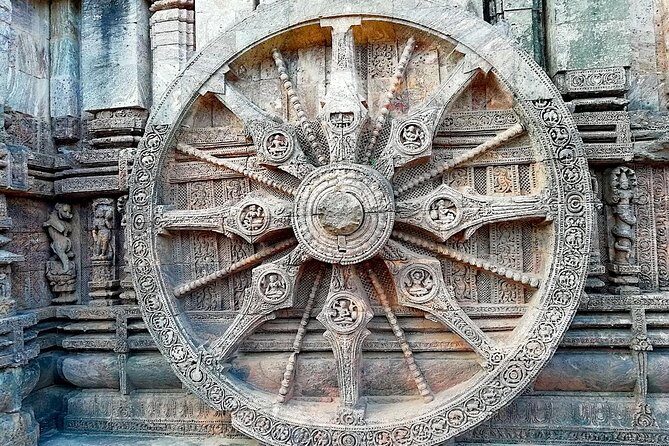
Next is Konark Sun Temple, the 13th-century masterpiece built by King Narasimhadeva. The big idea is that the temple is designed like a colossal chariot with seven horses. Without a guide, that can become just a cool shape. With one, you start seeing how the carvings function like visual storytelling.
This is where timing matters too. A temple that huge is best when you can step back, look up, and rotate your attention from details to the full form. Your guide’s job is to point out the patterns you might otherwise miss—those symbols and reliefs that turn the temple from impressive to understandable.
Drawback to keep in mind: you’re allocating only about an hour. That’s enough for the big forms and the best sightlines, but if you’re the type who loves studying stonework for a long time, you’ll feel the time pressure. For many people, though, it’s a fair trade because it preserves energy for Puri and the next day’s nature and craft stops.
Ramchandi Temple by the Bay: A Coast Stop With a Purpose
After Konark, you visit Ramchandi Temple near the Bay of Bengal. It’s surrounded by casuarina plantations, and it’s dedicated to Goddess Chandi, traditionally shown seated on a lotus.
I like this stop because it breaks the day’s pattern. You get out of the “main temple zone” and shift to a coastal setting. Even if you’re just snapping a few photos, the difference in air and scenery helps your brain reset.
Plan for shade and sun. Coastal temple areas can be bright, and casuarina groves help, but you’ll still want to manage heat. This isn’t the kind of place where you can fully rest; it’s more of a quick, meaningful pause on the way to Puri.
Puri and Jagannath Temple: What You’ll See (and What You Won’t)
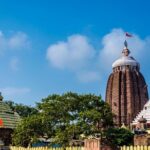
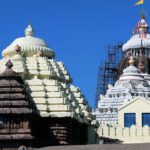
You reach Puri around 6:00 pm and head to Shree Jagannatha Temple. Here’s the key rule you should know upfront: non-Hindus are not allowed inside, so you’ll see the temple from outside.
That limitation changes the experience. You won’t get the same interior sanctum moment some people hope for. But outside viewing can still be powerful because the temple dominates the town’s atmosphere, and it’s closely tied to Odisha’s famous annual chariot festival.
One more reality check: Puri’s Jagannath area can get crowded, and crowd flow matters. If you’re sensitive to queues, noise, or constant movement, go in with patience. Also keep your common sense on high alert—heritage religious hubs can attract brokers and touts trying to pull you into side deals. Stay oriented, stick with your guide, and don’t let anyone rush you away from your planned route.
If your goal is context and meaning more than an interior visit, this portion of the trip can still feel like a strong payoff.
Chilika Lake at Satapada: Boat Ride First, Wildlife If You’re Lucky
Day two starts early at 6:30 am with the drive toward Chilika Lake and a boat ride at Satapada. This is the trip’s nature day, and it’s one of the best ways to reset after temple sites.
The big perk is the chance to spot Irrawady dolphins if you’re lucky. Even when you don’t see dolphins, the lake ride is often the highlight because the view changes constantly—water, sky, shoreline, and birds in a single stretch of time.
A practical note: you’ll want sun protection and something comfortable to sit in for the duration of the ride. Boat time can also feel cooler at first and hotter later, depending on wind and sun angle. Bring water, and don’t plan on a heavy meal right before boarding.
Raghurajpur Artist Village: Pattachitra You Can Understand
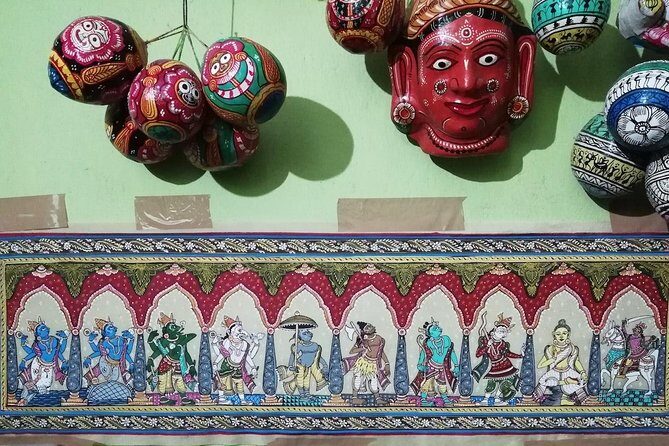
Next up is Raghurajpur, an artist village known for Pattachitra painting. The traditional style here goes back centuries (the long tradition is part of the appeal), and you’ll visit the village market where craft culture is actively on display.
I like this stop for two reasons. First, it’s not just a shop corridor—you’re walking into a place where art-making is part of daily life. Second, it helps you connect the dots between Odisha’s temple culture and its visual culture. Once you’ve seen the motifs and patterns people paint, temple carvings start making more sense.
If you’re buying art, do it with a calm pace. Ask questions, compare styles, and check what you’re actually getting rather than rushing because of sales pressure. A village market is exciting, but you still want to make decisions you’ll be happy with later.
Khandagiri Caves and Rajarani Temple: Jain Rock Cells and Sandstone Details
On day two you also visit Khandagiri Caves, Jain dwelling retreats or cells built in the second century BC during the reign of King Kharavela of the Kalinga Kingdom. At the top there’s an 18th-century Jain temple.
This stop feels different from the main religious sites because it’s about space used for ascetic life. It’s quieter in spirit, and the rock-cut forms have a practical, human scale. You’ll likely spend time reading the caves as you move—small spaces, old cut marks, and a sense of routine in carved stone.
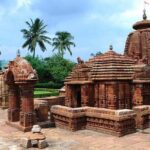
Then comes Rajarani Temple, an 11th-century temple built from reddish and yellow sandstone, locally called Rajarani. It’s a great final hit because the color and stone texture give you something visually different from dark temple interiors.
This pairing works well: caves for atmosphere and ascetic history, then a standalone temple for form and stone. Keep your camera ready, but also pause enough to look at proportions. These temples reward a slower gaze.
What You’re Paying For: Value in the $275 Private Package
At $275 per person for about two days, the value comes from what’s included, not just the price tag. Your package covers:
- Overnight accommodation with breakfast
- A professional guide
- Hotel pickup and drop-off
- Private car transport
- Chilika Lake boat ride
- Admission tickets for each listed stop
That’s a big deal because Odisha heritage days can get expensive once you add transport, guide time, and ticket costs separately. Also, having a private car and guide means you’re not negotiating entry lines, timing gaps, or interpretation.
What’s not included is lunch and dinner, plus beverages. That’s the only major “budget surprise” to plan for. If you know you’ll eat out twice each day anyway, this can still be fair. If you’re strict about costs and want packed meals, you’ll need to plan for it yourself.
My bottom-line take: if you want a guided shortcut through top Odisha sights without the stress of logistics, this price tends to feel sensible for a private two-day program.
Who Should Book This Two-Day Odisha Plan
This tour fits you well if:
- You want a guided introduction to Konark, Puri, Dhauli, Chilika, crafts, and Jain caves in a short time
- You like structure and don’t want to micromanage tickets and routes
- You value interpretation—temple architecture that becomes clearer with context
It might not be the best match if:
- You hate tight schedules and prefer unhurried museum-style time
- You need lots of included meals or want a fully catered day
- You strongly prefer interior access at Jagannath Temple, since non-Hindus are limited to outside viewing
Should You Book It?
I’d book it if you want an efficient, meaningful introduction to Odisha. The best reason is the blend: a guide-led temple circuit plus a real nature moment on Chilika Lake and a craft village stop at Raghurajpur. That combination gives your trip balance, not just a stack of stone monuments.
Before you go, set expectations. You’ll move a lot in two days, and Jagannath Temple access is limited for non-Hindus to outside viewing. If you’re comfortable with that and you’re ready to plan your own lunch and dinner, this private program is a solid way to see the highlights without wasting days on travel math.
FAQ
What time does the tour start?
The tour starts at 8:00 am.
How much does the tour cost?
The price is $275.00 per person.
What’s included in the price?
You get overnight accommodation with breakfast, a professional guide, hotel pickup and drop-off, private car transport, admission tickets, and a boat ride on Chilika Lake.
Are lunch and dinner included?
No. Lunch and dinner are not included, and beverages aren’t included either.
Can non-Hindus enter Jagannath Temple?
Non-Hindus are not allowed inside Jagannath Temple, so you’ll see the temple from outside.
Is this a private tour?
Yes. It’s a private tour/activity, so only your group participates.