REVIEW · BANGALORE
Best of Bangalore in a Tuk Tuk – Private Tour for 3 Hours
Book on GetYourGuide →Operated by Yours Truly India · Bookable on GetYourGuide
A tuk tuk makes Bangalore feel smaller. In just 3 hours, you’ll glide through traffic while a live English guide connects the dots between temples, markets, and government-era landmarks. Two things I like a lot: the Brahmin’s Coffee Bar food-and-coffee stop, and the KR Market flower chaos that smells like you stepped into a garden.
There is one trade-off to plan for: you’ll be doing temple visits and walking in a busy market area, and you must remove footwear at the religious stops.
In This Review
- Key highlights you should look for
- How the tuk tuk changes the way you see Bangalore
- Meeting point and practical logistics (so you don’t waste time)
- Food start: Brahmin’s Coffee Bar and what to order
- Temple stop #1: Bull Temple and the rhythm of worship
- Temple stop #2: Big Ganesha Temple and vehicle worship
- Old Bangalore and Kempegowda: why the route matters
- Gandhi Bazaar area sensory time and KR Market flower power
- Cubbon Park walk: British influence and modern city form
- What “local insight” actually means in practice
- Duration and pacing: is 3 hours enough?
- Value check: why $53 for 3 hours can make sense
- Who should book this tour (and who might not)
- Should you book Best of Bangalore in a Tuk Tuk?
- FAQ
- What is the duration of this tour?
- What does the tour price include?
- Where do we meet for the tour?
- Is hotel pickup or drop-off included?
- Do we need to pay entry tickets?
- What should we wear or bring for the temples?
- Is this tour suitable for wheelchair users or pregnant women?
- What happens if we visit on a Sunday?
- What is the cancellation and payment policy?
Key highlights you should look for
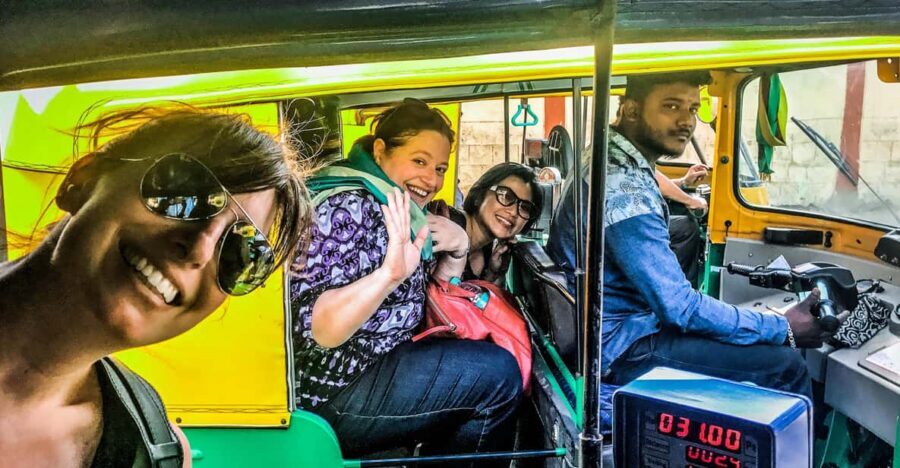
- Tuk tuk time savings: you cover more ground than you would on foot.
- Filter coffee and South Indian snacks at Brahmin’s Coffee Bar (including items like khara bath and kesari bath when available).
- Two temple moments: the 500-year-old Bull Temple and Big Ganesha Temple with vehicle-worship rituals.
- Old-city context tied to Kempegowda’s influence and the old Bangalore layout.
- KR Market and Gandhi Bazaar area energy: a strong sensory stop with sights and scents.
- Cubbon Park and landmark architecture: British influence plus major admin buildings like the High Court and Vidhana Soudha.
How the tuk tuk changes the way you see Bangalore
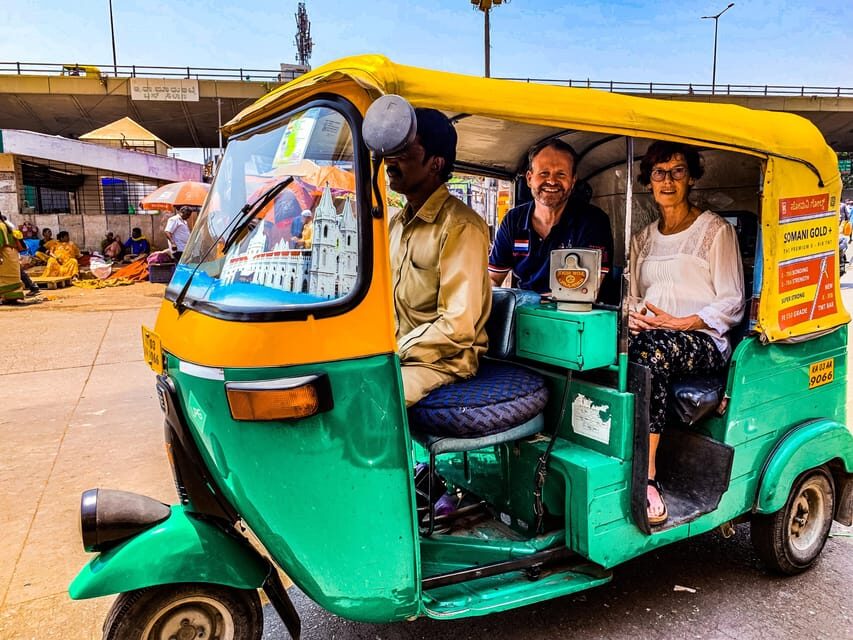
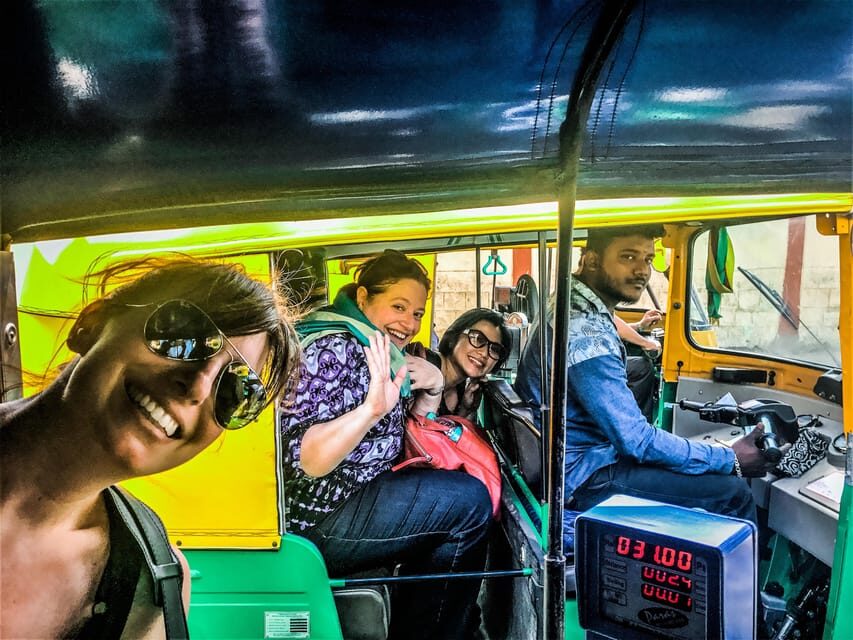
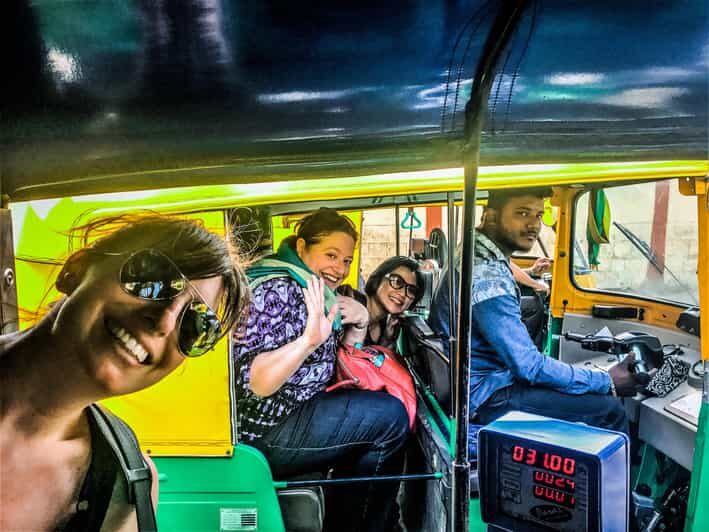
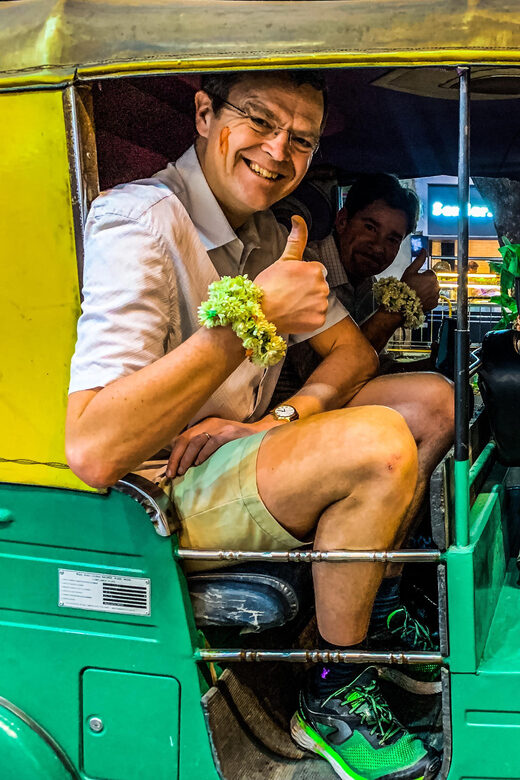
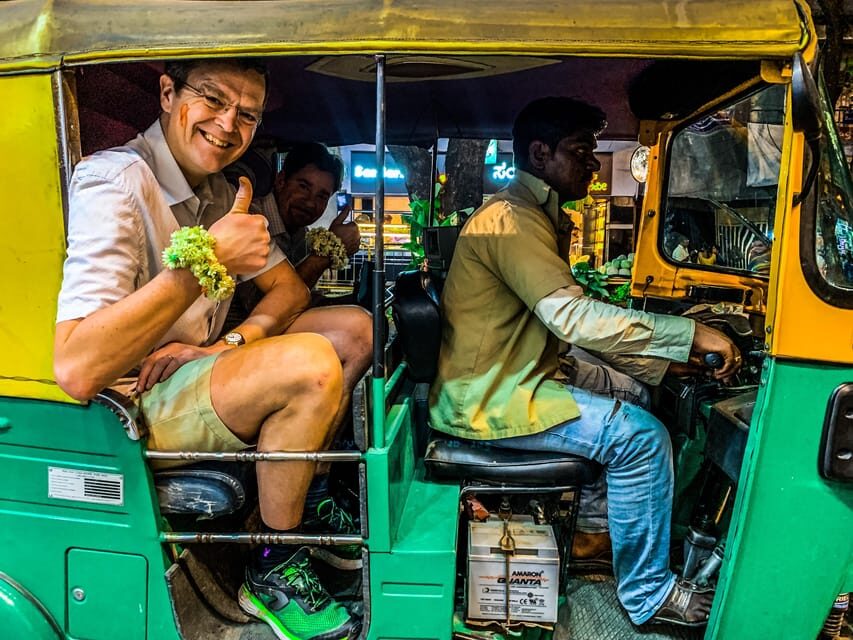
This tour is built around a simple idea: use a tuk tuk to move like a local and avoid losing hours to traffic and cross-town detours. In 3 hours, that matters. You get the benefits of a guided route without feeling like you’re stuck in a car the whole time.
You’ll also get a private group setup, so the pace is easier to manage. If your guide points out small details along the way, you won’t be trying to hear over a crowd. And because it’s a live English guide, you should expect more explanation than a quick stop-and-go photo tour.
One more practical note: the itinerary includes religious sites. Plan on respectful clothing, and keep in mind you will need to take your shoes off during the temple visit.
You can also read our reviews of more private tours in Bangalore
Meeting point and practical logistics (so you don’t waste time)
You’ll meet your tour lead outside a bookstore next to the MG Road metro station. Since there’s no hotel pickup, you’ll want to be there a little early and ready to go. This is the kind of tour where arriving on time helps everyone keep the schedule tight.
The tour also does not include entry tickets because the plan is structured around places you can visit without extra ticket costs. Still, temples and markets have their own pace and rules, so expect some natural delays as people move through spaces.
Finally, the tour is listed as not suitable for wheelchair users and pregnant women. That’s likely related to walking, temple steps, and navigating crowded areas. If you fall outside those categories, you should be fine as long as you’re comfortable with short walks and removing footwear.
Food start: Brahmin’s Coffee Bar and what to order
You begin with a food experience at Brahmin’s Coffee Bar, which is a favorite local stop. The idea here isn’t just breakfast-style tasting. It’s a quick way to understand what Bangalore’s café culture looks like beyond the usual tourist approach.
You’ll have snacks and coffee included, and the tour description calls out fresh hot filter coffee. In the best examples of this tour, people pair coffee with South Indian bites such as khara bath (savory) and Kesari bath (sweet). If those options are available on the day you go, they’re great because they balance flavors you can taste immediately, even if you don’t know much about South Indian cuisine.
One heads-up: Brahmin’s Coffee Bar is closed every Sunday. The tour provides an alternate option, so you won’t lose the food element, but it may not be the exact same café experience.
Temple stop #1: Bull Temple and the rhythm of worship
Next up is the Bull Temple, described as 500 years old. This stop is important because it shifts your perspective from modern Bangalore streets to a site with long continuity. You’re not just seeing architecture. You’re watching how rituals work in daily religious life.
Your guide will give you context about Hinduism before the visual part. That helps. Temples are easier to understand when someone explains what you’re looking at rather than relying on guesswork.
Since it’s a religious visit, go in with respectful clothing and plan for footwear rules. Taking shoes off at temples is a normal expectation, but it still helps to prepare socks and quick-drying footwear if you’re trying to be comfortable.
Temple stop #2: Big Ganesha Temple and vehicle worship
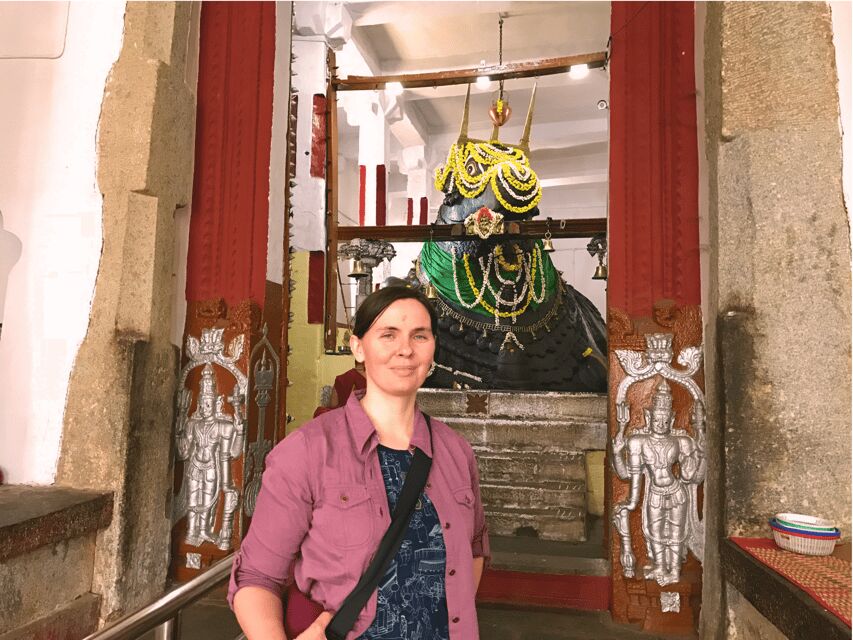
After the Bull Temple, the tour moves to Big Ganesha Temple, where you’ll see rituals related to vehicle worship. This is one of those details that makes the tour feel like Bangalore rather than a generic highlight reel.
Why it works: you get a specific cultural practice that you can’t easily recreate on your own. The rituals show how faith connects to daily life, including things like travel and work. If you’re curious about how religions blend into routine, this is a strong moment.
The time you spend here is also a good mental reset between market intensity and park strolling. Expect a more grounded, observational atmosphere.
A few more Bangalore tours and experiences worth a look
Old Bangalore and Kempegowda: why the route matters
From the temple sequence, the tour shifts to the older story of the city. You’ll learn about the history of Bangalore’s old city connected to Kempegowda, the figure credited with early city planning.
This part of the tour matters because it explains why Bangalore looks the way it does in layers. Markets, religious hubs, and old neighborhoods tend to follow older organizing ideas, even when the city keeps growing around them.
As your tuk tuk moves, your guide’s job is to connect the geography to the story. You’re not just stopping for photos; you’re being taught how to read the city while you’re in it.
Gandhi Bazaar area sensory time and KR Market flower power
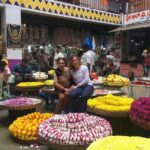
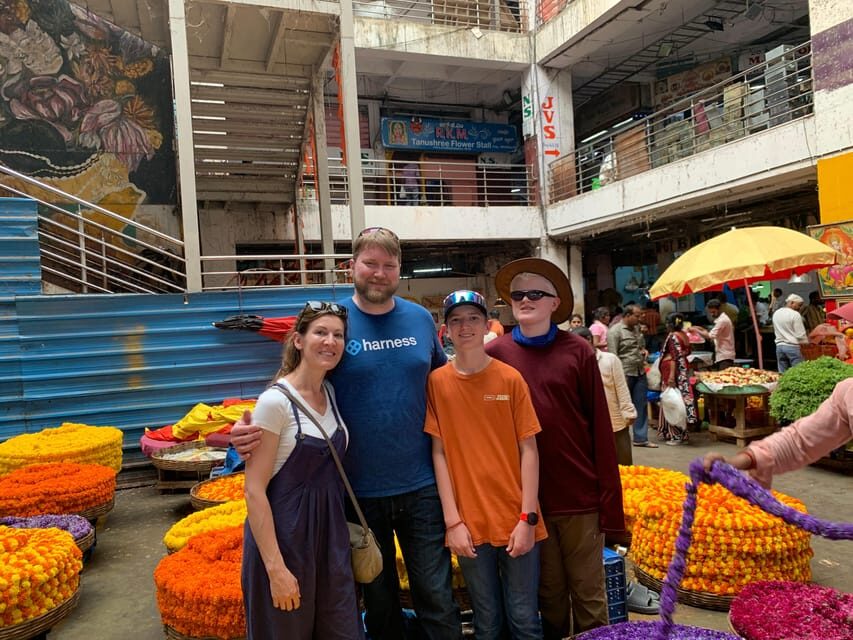
Then comes the stop with the strongest sensory punch: KR Market, described as the largest flower market in Asia. If you’ve never stood near a huge flower trade, you’ll understand fast why this is a highlight. The scale hits you first, then the smells, then the colors, then the constant movement.
KR Market is also linked in the tour flow with the Gandhi Bazaar experience. Even if you’re only seeing parts of the broader area by route or quick walking, you’ll feel the commercial heartbeat of old Bangalore.
Practical tip: go with curiosity, not shopping pressure. The tour doesn’t require you to buy anything. The point is to see how the market works and how flowers fit into daily life, not to treat it like a souvenir stop. If you do want to pick up something, keep it simple and ask your guide for the best approach.
One more reason this works so well in a short tour: it gives you a “wow” moment that isn’t dependent on museum schedules or long lines. In 3 hours, that’s a smart design.
Cubbon Park walk: British influence and modern city form
After markets, you head to Bangalore’s green lung, Cubbon Park. This stop is a breather, and I like it because it changes the pace from commercial chaos to open space.
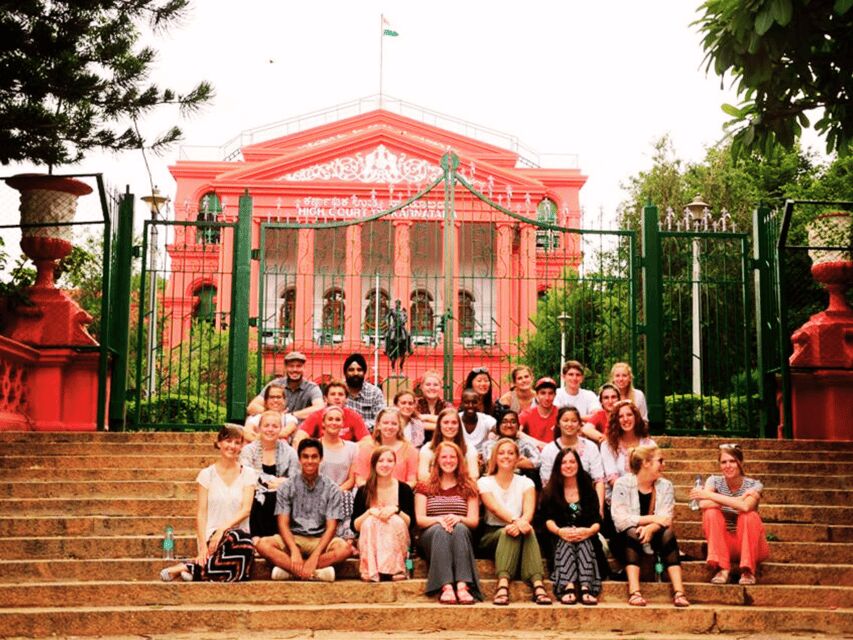
Your guide will talk about British influence on the city on a walk inside the park. You’ll also see major administrative buildings, including the High Court and Vidhana Soudha. This is where you start seeing Bangalore’s governance and identity in brick-and-stone form, not just in religious spaces and food stalls.
Even if architecture isn’t your main interest, this part is still useful. It gives you a sense of how the city evolved, and it helps you understand why Bangalore feels structured in certain areas even when street life is intense elsewhere.
What “local insight” actually means in practice
One of the consistent strengths of this tour is that your guide offers locals insight during your stops. That usually translates into more than trivia. It’s the kind of advice that helps you after the tour, like what to try next, where to go for an easy second day, or how to move around areas without second-guessing yourself.
You’ll also likely hear stories and context timed to what you’re seeing in real time. That’s the difference between a checklist tour and something that helps you understand the city.
In reviews, guides like Deepti and Navitha are praised for warmth and for explaining history clearly, while drivers such as Ahamed are noted for being polite and for providing a safe, clean ride. You can use that as a clue about what to value: clear communication plus careful driving makes tuk tuk touring genuinely enjoyable.
Duration and pacing: is 3 hours enough?
Three hours sounds short, and it is. But this itinerary is tight in a good way. The route includes food, two temple stops, an old-city story beat, a major market experience, and a park-and-landmarks finale.
The main potential drawback is that you will move. You need to be comfortable with short walks and with navigating shoes-off temple procedures and market crowds. If you want a slow sit-down meal or lots of shopping time, this isn’t built for that.
For many people, though, this is the perfect first Bangalore tour: you get a strong cross-section fast, and you leave with enough context to explore on your own later.
Value check: why $53 for 3 hours can make sense
The price is $53 per person for a private 3-hour tour that includes a tuk tuk, snacks, coffee, and a guided experience. If you compare it to piecing together separate activities, you’re basically paying for three things that are hard to assemble independently:
- A logical route that links food, worship, markets, and civic landmarks.
- Transportation by tuk tuk so you don’t lose your day to traffic or route planning.
- Guiding in English, which helps you understand what you’re seeing instead of treating it like a photo walk.
It also helps that entry tickets are not part of the plan, so you’re not hit with unexpected add-ons. You will handle your own arrival at the meeting point since pickup and drop-off aren’t included.
If you’re traveling with someone and want a shared day plan without the stress of deciding every next step, the value is strong. If you prefer to wander freely with zero structure, you might feel the pace is more tour-shaped than you’d like.
Who should book this tour (and who might not)
This tour is a good fit if you:
- Want a first taste of Bangalore that covers food, markets, temples, and key landmarks.
- Enjoy short guided stories and practical guidance for your stay.
- Like the idea of moving through the city in a tuk tuk instead of staying stuck in traffic.
You should think twice if:
- You need wheelchair-accessible routing or are sensitive to crowded areas and walking (it’s listed as not suitable for wheelchair users).
- You are pregnant or need a more relaxed schedule (also listed as not suitable).
- You want long meal time or extended shopping rather than focused highlights.
Should you book Best of Bangalore in a Tuk Tuk?
If you’re looking for an efficient, local-style introduction to Bangalore, I’d say yes. The mix of Brahmin’s Coffee Bar, a clear temple sequence (Bull Temple plus Big Ganesha Temple rituals), and the KR Market flower experience is exactly the kind of short itinerary that gives you stories you can repeat on the rest of your trip.
Book it if you’ll appreciate guidance and a structured route. Skip it if you want unstructured time, lots of downtime, or full accessibility. Otherwise, this is a smart way to get oriented quickly, taste the city, and see how Bangalore’s daily life connects across places.
FAQ
What is the duration of this tour?
The tour lasts 3 hours.
What does the tour price include?
It includes a tuk tuk for the tour areas, snacks and coffee at Brahmin’s Coffee Bar, and a guided tour.
Where do we meet for the tour?
You meet the tour lead outside a bookstore next to the MG Road metro station.
Is hotel pickup or drop-off included?
No. Hotel pickup and drop-off are not included.
Do we need to pay entry tickets?
The tour description says there are no entry tickets included on this tour (so you shouldn’t expect separate ticket costs for the planned stops).
What should we wear or bring for the temples?
Dress respectfully since there are religious site visits. Also, footwear must be taken off during the temple visit.
Is this tour suitable for wheelchair users or pregnant women?
No. It is not suitable for wheelchair users and not suitable for pregnant women.
What happens if we visit on a Sunday?
Brahmin’s Coffee Bar is closed every Sunday, and the tour provides an alternate option.
What is the cancellation and payment policy?
You get free cancellation up to 24 hours in advance for a full refund, and you can reserve now & pay later (pay nothing today).